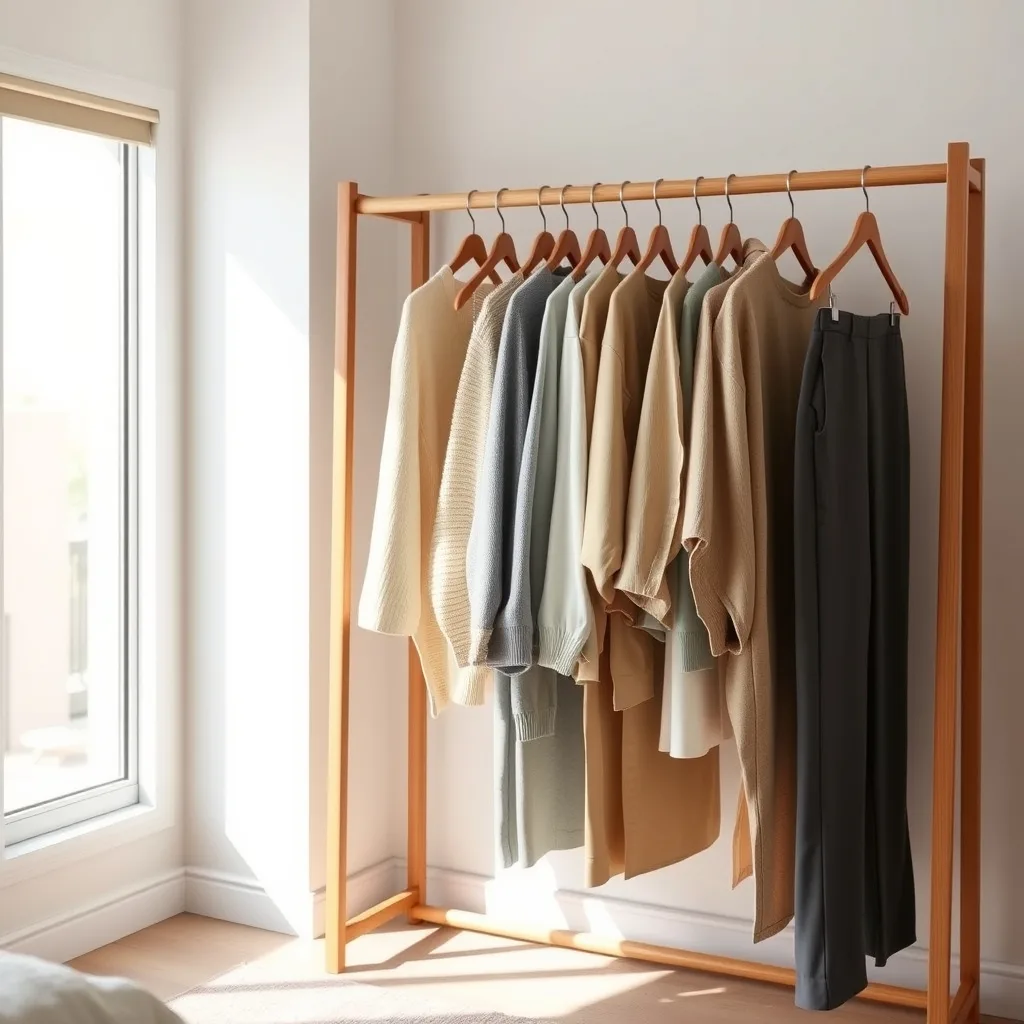
In an era of fast fashion and ever-changing trends, the concept of a capsule wardrobe has emerged as a sanctuary for those seeking simplicity, sustainability, and personal style. The philosophy is straightforward: by curating a small collection of essential, high-quality items that can be mixed and matched, you reduce decision fatigue, save money, and lessen your environmental footprint. However, the true challenge lies in making this minimalist approach work across the changing seasons. Transitioning from the biting cold of winter to the humid heat of summer requires more than just removing layers; it requires a strategic foundation. This guide will walk you through the process of building a versatile, year-round capsule wardrobe that reflects your unique identity while remaining functional in any weather.
Key takeaways
- Audit your existing closet by sorting items into categories to identify what you truly wear and love.
- Define a cohesive color palette and style aesthetic to ensure your garments mix and match effortlessly.
- Master layering techniques like the Third Piece Rule and the Sandwich Rule to create diverse, professional outfits.
- Prioritize high-quality natural fibers and durable fabric weaves to build a sustainable wardrobe that lasts for years.
- Adopt a one-in-one-out consumption habit to maintain your capsule and prevent future clutter.
Understanding the Core Philosophy of a Capsule Wardrobe
The term “capsule wardrobe” was originally coined by Susie Faux, a London boutique owner in the 1970s, and later popularized by designer Donna Karan. At its heart, it is about intentionality. Instead of a closet overflowing with garments you rarely wear, a capsule wardrobe consists of a limited number of pieces—typically between 30 and 40—that you genuinely love and that fit your current lifestyle perfectly. This approach is not about deprivation; it is about liberation. When every item in your closet works with every other item, getting dressed becomes an act of creativity rather than a chore.
Psychologically, a capsule wardrobe addresses “decision fatigue.” We make thousands of choices every day, and the mental energy spent deciding what to wear can be better utilized elsewhere. By narrowing your choices to a curated selection of favorites, you start your morning with a sense of calm and confidence. Furthermore, from a compassionate standpoint, this lifestyle shift encourages us to move away from the exploitative cycles of fast fashion, favoring ethical production and durable materials that stand the test of time.
Auditing Your Current Closet: The First Step
Before you purchase a single new item, you must understand what you already own. A thorough wardrobe audit is a transformative experience that often reveals patterns in our shopping habits. Begin by taking everything out of your closet and laying it on your bed. This visual representation of your consumption can be eye-opening. Sort your items into four distinct categories: Love and Wear, Maybe, Seasonal Storage, and Donate/Sell.
The “Love and Wear” pile consists of items that fit well, are in good condition, and make you feel confident. The “Maybe” pile is for items you haven’t worn in six months but feel hesitant to let go of; place these in a box and store them away—if you don’t reach for them in three months, it’s time to part ways. “Seasonal Storage” includes heavy coats in summer or linen dresses in winter. Finally, the “Donate/Sell” pile is for items that no longer serve you. Be honest with yourself about your current body and lifestyle. Holding onto “goal clothes” or items for a life you no longer lead only creates unnecessary guilt and clutter.
Defining Your Personal Style and Color Palette
A successful capsule wardrobe relies on a cohesive aesthetic. Without a clear style direction, your items won’t mix and match effectively. Start by identifying three words that describe how you want to feel in your clothes—for example, “polished, comfortable, and edgy” or “bohemian, soft, and functional.” Use these words as a filter for every new acquisition.
Next, establish a color palette. A common mistake is thinking a capsule must be entirely beige or black. While neutrals (navy, black, white, camel, or grey) should form the base of your wardrobe—accounting for about 60% of your items—you should also choose two or three accent colors that you love. For instance, if you have a cool undertone, you might choose emerald green and dusty blue. If you prefer warmer tones, terracotta and mustard yellow might be your go-to. By sticking to a defined palette, you ensure that your patterned scarf or colorful cardigan will pair effortlessly with your neutral trousers and skirts.
The Foundation: Year-Round Essentials
Every capsule wardrobe needs a set of “anchor pieces” that transcend the seasons. these are the items you can wear 365 days a year with the right layering. A high-quality pair of denim jeans in a classic cut (like straight-leg or a slight flare) is perhaps the most important investment. Look for a mid-to-heavyweight denim with minimal stretch for longevity.
Other year-round essentials include:
- The White Button-Down: In summer, wear it open over a tank top; in winter, layer it under a wool sweater.
- A Tailored Blazer: This instantly elevates a casual outfit and works as an outer layer in spring or a mid-layer in winter.
- The Perfect Tee: Invest in heavy-weight cotton T-shirts in white, black, and grey. They are the building blocks of almost every outfit.
- A Silk or Satin Slip Skirt: Surprisingly versatile, it can be paired with sneakers and a tee in July or boots and a chunky knit in January.
- Classic Footwear: A pair of clean white sneakers and leather loafers or Chelsea boots provide a foundation for almost any look.
Seasonal Transitions: Mastering Spring and Autumn
Spring and autumn are the “bridge seasons,” characterized by unpredictable temperatures. The key to a successful capsule during these times is the “Third Piece Rule.” This styling trick suggests that an outfit consisting of a top and bottom is functional, but adding a third piece—like a trench coat, a denim jacket, or a light cardigan—makes it a look.
For spring, focus on lightening your textures. Swap heavy wool for cotton knits and incorporate lighter colors to reflect the season. A classic trench coat is the ultimate spring capsule item; it protects against rain while offering a sophisticated silhouette. In autumn, the focus shifts to texture and depth. Introduce suede, corduroy, and heavier knits. This is the time to bring out your scarves and light boots. The goal for both seasons is to have layers that can be easily added or removed as the day warms up or cools down.
The Summer Capsule: Breathability and Ease
When the temperature rises, the goal of your capsule wardrobe shifts toward comfort and breathability. This is where fabric choice becomes more important than the actual style of the garment. Prioritize natural fibers like linen, silk, and organic cotton. These materials allow air to circulate and moisture to wick away, unlike synthetic fibers like polyester which trap heat.
A summer capsule might include two or three versatile dresses—perhaps a midi-length sundress and a sophisticated shirt dress that can transition from the office to dinner. Tailored linen shorts and a couple of lightweight camisoles are also essential. Remember that accessories do a lot of work in the summer; a wide-brimmed straw hat and a high-quality pair of sunglasses not only provide protection but also serve as the “third piece” when it’s too hot for actual layers. Keep your footwear simple with leather sandals that offer enough support for walking.
The Winter Capsule: Insulation and Outerwear
The winter capsule wardrobe is often the most expensive to build, but it is also where quality matters most. The primary goal is thermal regulation. This is achieved through a “base, mid, and outer” layering system. Your base layers should be thin but warm, such as merino wool camisoles or long-sleeve tops. These trap body heat without adding bulk.
Your mid-layer provides the insulation. Think cashmere sweaters, wool cardigans, or fleece-lined flannels. Finally, your outer layer is your shield against the elements. A high-quality wool overcoat or a responsibly-sourced down parka is a non-negotiable for cold climates. Because winter outfits are often hidden under coats, your outerwear becomes your primary fashion statement. Choose a coat in a neutral color that complements your entire palette. Don’t forget the importance of accessories: a heavy wool scarf, lined leather gloves, and a cashmere beanie are essential for both warmth and style cohesion.
Maintenance and Mindful Consumption
Building a capsule wardrobe is not a one-time event; it is a lifestyle of maintenance. To ensure your pieces last for years, you must care for them properly. This means washing clothes less frequently, using cold water, and air-drying whenever possible. Learn basic mending skills, such as sewing on a button or de-pilling a sweater, to extend the life of your garments.
When you do need to add an item to your capsule, do so with extreme intention. Follow the “one in, one out” rule to prevent closet creep. Before purchasing, ask yourself three questions: Does this fit my current body? Does this work with at least three other items I own? Will I still want to wear this in three years? By shifting your focus from the thrill of the purchase to the utility of the garment, you create a wardrobe that truly serves you, providing a sense of peace and preparedness every time you open your closet doors.
Decoding Fabric Weights and Weaves for Durability
While the existing philosophy of a capsule wardrobe emphasizes natural fibers, a deeper understanding of fabric construction—specifically weight and weave—is what separates a wardrobe that lasts two years from one that lasts twenty. When selecting your core pieces, pay attention to the GSM (grams per square meter) of the fabric. For a year-round T-shirt, a GSM of 180 to 220 is the “sweet spot”; it is heavy enough to hang well without clinging to the body, yet breathable enough for layering. In contrast, a summer linen shirt might sit around 120-150 GSM, providing that ethereal, airy quality necessary for high humidity.
The weave of the fabric also dictates its formality and longevity. Consider the difference between a poplin and an Oxford weave for your white button-down. Poplin is a plain weave with a smooth, crisp finish, making it ideal for professional settings and hot weather due to its lightness. However, it wrinkles easily. An Oxford weave is heavier and features a basket-weave structure, offering a more rugged, casual aesthetic that resists wrinkles and stands up better to frequent washing. For those building a capsule focused on durability, choosing a “twill” weave for trousers and jackets is advisable. The diagonal ribbing in twill (found in denim and chinos) makes the fabric more resistant to tearing and hides soil better than a standard flat weave.
Furthermore, consider the “staple length” of the fibers. Long-staple cotton, such as Pima or Egyptian cotton, consists of longer fibers that result in a smoother, stronger yarn. This reduces pilling—the small, unsightly balls of fiber that form on the surface of garments—and ensures the item maintains its shape after dozens of laundry cycles. When evaluating knitwear, look for “two-ply” cashmere or wool, where two strands of yarn are twisted together before knitting. This significantly increases the garment’s resistance to stretching and holes, ensuring your investment pieces remain staples for years rather than a single season.
Advanced Styling Geometry: Proportions and the “Sandwich” Rule
Once you have curated your 30 to 40 items, the challenge shifts from selection to execution. To prevent a capsule wardrobe from feeling repetitive, you must master the geometry of styling. A primary technique is the “Rule of Thirds,” a concept borrowed from photography. Instead of bisecting your body in half with a shirt and trousers of equal visual length, aim for a 1/3 to 2/3 ratio. Tucking in a shirt to high-waisted trousers or wearing a cropped jacket over a long dress creates a more dynamic, elongated silhouette that looks intentional rather than accidental.
Another essential styling tool is the “Sandwich Rule.” This principle suggests that you should match the color or “weight” of your top to your shoes, with a contrasting middle section (your trousers or skirt). For example, if you are wearing a black turtleneck and black leather boots, pairing them with grey wool trousers creates a cohesive, balanced look that draws the eye up and down. This creates a visual “sandwich” that makes even the simplest outfit look meticulously planned. You can also apply this to textures: pairing a heavy knit sweater with chunky boots while keeping the middle layer (like a silk slip skirt) light creates a sophisticated play on tactile contrast.
Volume management is the final pillar of advanced styling. The most successful capsule outfits balance proportions: if you are wearing wide-leg trousers, pair them with a fitted or structured top. Conversely, if you are wearing a bulky, oversized hoodie or coat, opt for slim-fit denim or leggings. This prevents the wearer from being overwhelmed by fabric and ensures that the curated pieces in your capsule are shown to their best advantage. By rotating these geometric principles, you can take a single pair of navy trousers and make them look completely different in five separate outfits.
Adapting the Capsule for Hybrid and Remote Work Lifestyles
The traditional capsule wardrobe often draws a hard line between “workwear” and “casual wear,” but the modern reality of hybrid work requires a more fluid approach. The “Power Casual” capsule focuses on items that are comfortable enough for a home office but professional enough for a sudden video call or an in-person meeting. The key here is “soft tailoring.” Instead of a rigid, structured blazer, look for a “unstructured” blazer made of jersey or knit fabric. It provides the visual authority of a jacket but feels as comfortable as a cardigan.
For the remote worker, the “Video-Call Wardrobe” emphasizes the “waist-up” aesthetic. This involves investing in high-quality necklines and interesting textures that translate well over a camera. A merino wool polo shirt or a blouse with a subtle mandarin collar offers more visual interest than a basic crew-neck tee. Because you are likely sitting for long periods, the “bottoms” in a hybrid capsule should prioritize comfort without sacrificing the ability to step outside. Look for “commuter pants” or elevated joggers that feature a hidden elastic waistband but are cut from high-quality wool or technical fabrics that mimic the look of traditional slacks.
Edge cases in a hybrid capsule include the “Third Space” outfit—what you wear when working from a cafe or library. This requires layers that can handle fluctuating indoor temperatures. A quilted vest or a heavy overshirt (often called a “shacket”) is the perfect middle ground. It provides more warmth than a shirt but is less cumbersome than a full coat. By blurring the lines between these categories, you reduce the total number of items needed while ensuring you are never over- or under-dressed for your professional reality.
The Travel Capsule: Mastering the 5-4-3-2-1 Packing Method
A capsule wardrobe is the ultimate tool for the frequent traveler, allowing you to live out of a carry-on for weeks without sacrificing style. To transition your home capsule into a travel capsule, use the 5-4-3-2-1 method. This involves selecting five tops, four bottoms, three pairs of shoes, two bags, and one accessory set (like a hat or a versatile wrap). The beauty of this system is that it forces a high level of modularity; every top must work with every bottom, creating at least 20 unique outfit combinations.
When selecting travel items, prioritize “technical naturals.” These are natural fibers treated or woven to enhance performance, such as merino wool, which is naturally odor-resistant and temperature-regulating. You can wear a merino tee three times in a row without it smelling, which is essential for minimizing luggage. Tencel and Lyocell are also excellent travel choices; they are more absorbent than cotton, softer than silk, and resist wrinkling, making them ideal for long flights or train rides.
The edge case for travel is the “climate jump”—moving from a cold departure city to a warm destination. The travel capsule handles this through strategic layering rather than heavy individual items. Wear your heaviest items (boots, blazer, and a pashmina) on the plane. The pashmina serves as a blanket during the flight, a scarf in the cold, and a shoulder covering for visiting religious sites in warmer climates. By treating your travel wardrobe as a mini-extension of your home capsule, you eliminate the stress of packing and the physical burden of heavy luggage.
Strategic Accessorizing: The Psychology of the “Fourth Piece”
If the “Third Piece Rule” (adding a jacket or cardigan) is the foundation of styling, the “Fourth Piece” is where personal identity truly shines. In a capsule wardrobe, accessories are not afterthoughts; they are the primary tools for preventing “wardrobe fatigue.” The fourth piece—a belt, a specific piece of jewelry, a silk neck scarf, or even a bold pair of socks—changes the “vibe” of an outfit without changing the core garments. For example, a white tee and blue jeans are a blank canvas; adding a cognac leather belt and gold hoop earrings makes the look “classic,” while adding a black leather choker and silver chains makes it “edgy.”
Consistency in “hardware” is a secret to making a small wardrobe feel cohesive. If your favorite watch is gold, try to ensure the buckles on your shoes, the hardware on your handbags, and the buttons on your coats are also gold-toned. This subtle alignment creates a visual thread that ties disparate items together. However, do not overlook the power of texture in accessories. A suede bag adds softness to a structured wool coat, while a patent leather loafer adds a touch of “shine” to a matte cotton outfit.
The “statement” accessory is the ultimate antidote to boredom. While 90% of your capsule should be timeless, your accessories can afford to be more trend-driven. A scarf in a seasonal leopard print or a bag in a vibrant “pop” color can refresh your entire neutral base for a very low investment. This allows you to participate in fashion trends sustainably; you aren’t buying a new trendy dress that you’ll discard in six months, but rather a small accessory that breathes new life into the high-quality staples you already own.
The Longevity Audit: Assessing Garment Construction and Seams
To truly embrace the capsule philosophy, one must become a “detective” of garment quality. High price tags do not always equate to high quality, and fast-fashion prices do not always mean poor construction. When adding a piece to your capsule, perform a “physical audit.” Start by checking the seams. High-quality garments often feature “French seams” (where the raw edges are tucked away and sewn) or “flat-felled seams” (common in denim), which prevent fraying and provide structural integrity. If you see loose threads or “serged” edges that look messy, the garment is unlikely to survive multiple years of wear.
Check the “grain” of the fabric. In well-made tops and trousers, the fabric should be cut “straight grain,” meaning the vertical threads of the weave run perfectly parallel to the length of the garment. If the grain is off-center, the garment will twist after the first wash, a common defect in mass-produced clothing. Furthermore, examine the buttons and buttonholes. Are the buttonholes tightly stitched, or are there loose threads catching on the button? Are the buttons made of natural materials like mother-of-pearl, horn, or wood, or are they flimsy plastic? These small details are indicators of the overall care put into the garment’s creation.
Another critical check is the “light test” for natural fibers. Hold a linen or cotton garment up to a bright light source. If the weave is uneven with many “gaps,” it will likely lose its shape and thin out quickly. A dense, even weave is a hallmark of longevity. For patterned items, check if the pattern matches at the seams. A stripes-on-stripes alignment at the shoulder or side seam requires more fabric and better cutting techniques, signaling a higher-quality piece that has been designed to look polished from every angle.
Seasonal Storage and Wardrobe Preservation Systems
The longevity of a capsule wardrobe depends heavily on how items are treated when they are *not* being worn. The transition between seasons is the most dangerous time for your clothes, as improper storage can lead to moth damage, mildew, or permanent creasing. Before storing your winter wools or summer linens, they must be professionally cleaned or thoroughly laundered. Moths are not attracted to the wool itself, but to the microscopic skin cells, hair, and food particles left on the fibers. Storing a “dirty” sweater is an invitation for infestation.
Avoid plastic dry-cleaning bags for long-term storage; these trap moisture and can cause yellowing or “acid burn” on natural fibers. Instead, use breathable cotton garment bags or acid-free tissue paper in canvas bins. For heavy knits, never hang them for long periods, as gravity will stretch the shoulders and ruin the silhouette. Fold them loosely and store them with cedar blocks or lavender sachets, which act as natural repellents. Cedar loses its potency over time, so remember to lightly sand the wood every season to reactivate the protective oils.
Finally, consider the environment of your closet. Humidity is the enemy of leather and silk. If you live in a damp climate, using silica gel packets or a small dehumidifier in your wardrobe can prevent mold from forming on your leather boots and bags. For shoes, using cedar shoe trees is not a luxury but a necessity for a capsule wardrobe; they absorb moisture after a day of wear and maintain the shape of the leather, preventing the deep cracks that eventually lead to the bin. By treating your wardrobe with the respect of a curator, you ensure that the “30 to 40 items” you’ve chosen remain in pristine condition for a lifetime of use.
Frequently Asked Questions
1. How many items should be in a capsule wardrobe?
There is no magic number, but most experts suggest between 30 and 40 items per season. This typically includes tops, bottoms, dresses, outerwear, and shoes. It usually excludes underwear, workout gear, loungewear, and formal evening wear. The goal is to find a number that feels manageable for you; if 50 items make your life easier than 30, then 50 is your perfect number.
2. Can I build a capsule wardrobe on a tight budget?
Absolutely. In fact, a capsule wardrobe is one of the best ways to save money over time. Start by shopping your own closet. You likely already own 70% of what you need. For the remaining pieces, look to thrift stores, consignment shops, and online resale platforms. Focus on finding high-quality materials (like wool or silk) second-hand, which allows you to own premium items at a fraction of the retail cost.
3. How do I handle formal events or special occasions?
A capsule wardrobe is meant for your everyday life, but it’s wise to keep one or two “occasion” pieces. A classic “Little Black Dress” or a well-fitted suit can be styled in multiple ways with different accessories to suit weddings, funerals, or parties. If you have a very rare event, consider clothing rental services instead of buying something new that will sit unused in your closet.
4. What if my weight fluctuates?
This is a common concern and one that requires a compassionate approach. When building a capsule, look for “forgiving” silhouettes and fabrics. Items with elasticated back waistbands, wrap-style dresses, and oversized knits can accommodate minor weight shifts comfortably. If your size changes significantly, it is okay to have a small “transition” capsule in a different size stored away. Your clothes should fit your body as it is today, not as it was five years ago.
5. Will I get bored wearing the same things over and over?
While it seems counterintuitive, most people find they feel more stylish with a capsule. Because every item is a favorite, you always look your best. You can combat boredom by swapping out your accent colors each season or by using accessories like scarves, belts, and jewelry to change the vibe of an outfit. The “boredom” usually stems from a lack of creativity in styling, not a lack of clothing options.