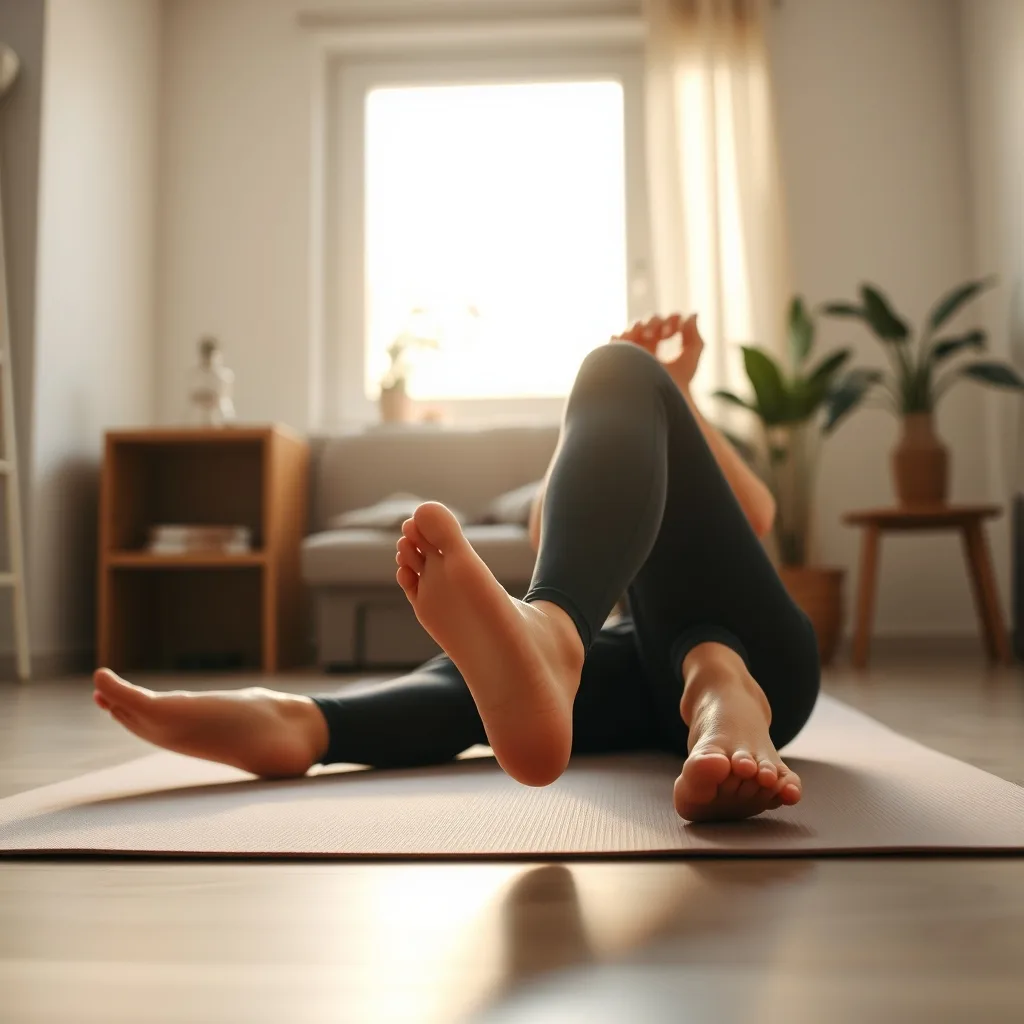
Building a habit of daily stretching might seem simple, but turning a new movement into an automatic part of your day requires intention, consistency, and a bit of psychology. Whether you have limited time, limited mobility, or simply don’t know where to start, this guide provides step-by-step guidance to help you establish a sustainable stretching practice that becomes second nature. Proper stretching supports joint health, reduces muscle tightness, and can enhance your overall well-being—all while fitting seamlessly into your existing routine. In this article, we’ll explore the science behind why daily stretching matters, how to begin small without feeling overwhelmed, and practical tools to keep you on track. By the end, you’ll have a clear action plan to make stretching a joyful, automatic part of your day.
Understanding the Benefits of Daily Stretching
Research consistently shows that regular stretching improves flexibility, enhances range of motion, and can lower the risk of injury. When you stretch daily, you signal to your nervous system that movement is safe and encouraged, which helps counteract the stiffening that often occurs from prolonged sitting or desk work. Beyond physical gains, stretching can reduce stress by activating the parasympathetic nervous system, leading to a calmer state of mind. Many people find that just five minutes of daily stretching leaves them feeling more grounded and present throughout the day. The key is that the benefits compound over time—like building muscle memory for your body. Understanding these advantages can make it easier to commit to the practice, because you’ll see tangible improvements in your energy levels and physical comfort within weeks. When you stretch regularly, you also improve posture and can alleviate chronic pain in areas like the lower back and shoulders. These cumulative effects make the habit worthwhile long before you think about it.
Starting Small and Setting Realistic Goals
One of the biggest barriers to forming any new habit is the gap between where you are and where you want to be. Instead of aiming for a 20-minute session every single day, begin with just two to three minutes of gentle stretching each morning or evening. Choose a time when you’re least likely to be interrupted—perhaps right after waking up or before bed. Set a specific, achievable goal such as “I will stretch for five minutes every day this week” and write it down. Tracking your progress visually, like marking a calendar or using a habit-tracking app, provides immediate feedback and reinforces your commitment. Remember, consistency matters far more than duration; a daily five-minute routine will eventually feel more natural than an occasional long session. The goal is to make the behavior so easy that you forget to skip it. Starting small also reduces the likelihood of burnout or injury, which is especially important if you have any pre-existing conditions. As you build confidence and comfort, gradually increase the duration by one or two minutes each week while maintaining the core practice.
Choosing the Right Stretches for Your Body
Not all stretches are created equal, and selecting the right ones ensures both effectiveness and safety. Focus on major muscle groups that tend to become tight from modern lifestyles: hamstrings, hip flexors, chest, shoulders, and neck. For each area, choose a static stretch that holds the position for 20-30 seconds without bouncing. If you have chronic pain or injuries, consult a healthcare professional before beginning. A good starting set might include a seated hamstring stretch, a standing chest opener, a seated forward fold for the lower back, and a gentle neck rotation. Limit your daily routine to three to five stretches to avoid overstretching any single area. The variety keeps the practice engaging while still delivering comprehensive benefits. Avoid ballistic or bouncing movements that can strain joints; instead, move slowly and breathe deeply throughout each stretch. Listening to your body’s signals is crucial—pain is a sign to stop and modify, not to push through.
Creating a Consistent Routine
Habits form through repetition and environmental cues. Design your environment to make stretching the easiest choice. Place a yoga mat or a small rug in a visible spot near your bed, your desk, or your living room. Set a phone alarm or use a gentle chime to remind you to begin. Pair stretching with an existing habit—like brushing your teeth or drinking morning coffee—to leverage that trigger. For example, stretch while your coffee brews or while the laundry is drying. Consistency in timing (same time each day) builds a neural pathway that makes the behavior automatic. If you miss a day, don’t punish yourself; simply return to your routine the next morning without guilt. The longer you practice, the more effortless it becomes. Over time, your brain will associate the cue with the action, reducing the need for constant prompting. This is why linking stretching to a daily anchor like a meal or a work break is so powerful—it creates a reliable trigger that your body can follow.
Using Timers and Reminders Effectively
Technology can be a powerful ally in habit formation. Set a timer for 5, 10, or 15 minutes of stretching and treat the timer as a non-negotiable appointment with yourself. Apps like Stretchly, Fitbod, or even simple phone timers with gentle sounds can keep you on track. Pair the timer with a playlist of calming music or nature sounds to enhance the experience. If you prefer hands-on reminders, place a sticky note on your monitor or set a recurring calendar event. The key is to use reminders as support, not as a source of stress. When you hear the timer, take a deep breath, roll onto your mat, and begin. Over time, your brain will associate the cue with the action, reducing the need for constant prompting. Many people find that a consistent time of day, whether morning or evening, becomes their personal stretching signal. If life gets chaotic, a short timer session of just 2-3 minutes is still better than none, and it keeps the habit alive in your routine.
Tracking Progress and Staying Motivated
Seeing your progress can be a powerful motivator. Keep a simple stretching journal where you note the date, duration, and which stretches you completed. After a week, review your entries to notice patterns—perhaps certain stretches feel easier, or you’re noticing improvements in mobility. Celebrate small wins, like completing a full week of daily stretching or holding a new stretch longer than before. Visual progress, such as a habit tracker with colored dots, makes it satisfying to see streaks grow. If motivation dips, reconnect with your “why”—whether it’s reducing back pain, feeling more energetic, or simply taking care of your body. Re-reading your initial intention on the first day of each week can reignite your commitment. Sharing your progress with a friend or joining an online stretching community can also provide accountability and encouragement. The more visible your commitment becomes, the more likely you are to maintain it over the long term.
Overcoming Common Obstacles
Life gets busy, and interruptions are inevitable. When time runs short, shorten your routine to the absolute minimum—just three deep breaths or two gentle stretches. When you’re tired, opt for a restorative stretch like a supine twist or a gentle seated forward fold rather than vigorous dynamic movements. If your body feels stiff from certain areas, focus on those first and build gradually. Some days will be harder than others; that’s normal. The habit is about showing up consistently, not about perfection. If you find yourself skipping stretches, try making it a “if you can, do” rather than “if you must.” This mindset shift reduces pressure and makes consistency more sustainable. Remember that setbacks are part of the process; what matters is getting back on track quickly. A single missed day doesn’t derail your habit, but a series of missed days might. Building a supportive environment and understanding your triggers can help you navigate these challenges without guilt.
Making Stretching a Joyful Daily Practice
The most successful habits are those that feel good. Experiment with different styles of stretching to find what brings you pleasure. Some people enjoy the guided feel of a yoga video, others prefer silent, solo practice. Try combining gentle movement with breath awareness, or follow a short guided routine that includes mindfulness elements. Music, scented candles, or a favorite podcast can transform stretching from a chore into a pleasant ritual. The goal is to enjoy the process so that stretching becomes a source of self-care rather than another task on your to-do list. When you look forward to your daily stretch, the habit will stick naturally. Consider viewing stretching as an act of kindness toward your body rather than an obligation. This perspective shift can dramatically increase your enjoyment and adherence over time.
FAQ
Q: How long should my daily stretching routine be?
A: There is no one-size-fits-all answer, but for beginners, starting with 5-10 minutes is ideal. The key is consistency over duration. Once you’re comfortable with a short routine, you can gradually extend the time. Research suggests that even brief daily sessions can yield measurable benefits for flexibility and stress reduction. The important thing is that you actually do the practice every day, not whether the duration is long or short.
Q: Can I do stretching in bed or without special equipment?
A: Absolutely. You don’t need a gym membership or expensive gear to build a stretching habit. A yoga mat or even a towel can provide a stable surface. Begin with simple seated or standing stretches that you can perform while dressed, such as neck rolls, shoulder rolls, and gentle hamstring stretches. As you become more comfortable, you can progress to floor-based stretches like child’s pose or cat-cow. The principle remains the same: move gently, breathe deeply, and respect your body’s limits.
Q: What if I have limited time, like only five minutes a day?
A: Five minutes is more than enough to establish a powerful habit. Focus on high-impact stretches that target major areas: standing quad stretch, seated forward fold, and chest opener. Each held for 20-30 seconds is sufficient to activate the muscles and improve flexibility. Consistency in this brief format will still produce measurable benefits over time. The advantage of short sessions is that they fit into any schedule and reduce the likelihood of missing a day.
Q: How do I stay accountable if I live alone or with roommates?
A: Accountability doesn’t require someone else. Use technology like habit-tracking apps, or simply commit to a daily check-in with yourself. You might share your progress with a friend or post about it on social media for a small sense of external validation. Setting a personal challenge, such as “I will stretch every morning for 30 days,” creates a sense of responsibility. Additionally, creating a dedicated stretching space signals to your brain that it’s time to practice, making it easier to follow through independently.
Q: Is it okay to stretch after a workout or can I do it first thing in the morning?
A: Both approaches work well, but they serve different purposes. Morning stretching prepares your body for movement, improves mobility, and can reduce stiffness from the night before. Evening stretching helps release tension accumulated during the day, promotes relaxation, and can aid sleep. You can even do both—start with a brief morning routine and end with a calming evening session. The key is to listen to your body and choose the timing that aligns with your energy levels and daily schedule.
Conclusion
Building a daily stretching habit is a journey of patience, practice, and self-compassion. By starting small, choosing the right stretches, creating a supportive environment, and tracking your progress, you can transform this practice into a natural part of your life. Remember that consistency beats intensity every time—small daily efforts compound into significant long-term health benefits. Embrace the process, be gentle with yourself, and celebrate each small victory along the way. With time and commitment, stretching will become not just a routine but a cherished part of your daily wellness routine.
Frequently Asked Questions
Q: How long should my daily stretching routine be?
A: For beginners, starting with 5-10 minutes is ideal. The key is consistency over duration. Once you’re comfortable with a short routine, you can gradually extend the time. Research suggests that even brief daily sessions can yield measurable benefits for flexibility and stress reduction.
Q: Can I do stretching in bed or without special equipment?
A: Yes, absolutely. A yoga mat or even a towel provides a stable surface. Begin with seated or standing stretches you can perform while dressed, such as neck rolls, shoulder rolls, and gentle hamstring stretches. Floor-based options like child’s pose are also accessible.
Q: What if I have limited time, like only five minutes a day?
A: Five minutes is more than enough to establish a powerful habit. Focus on high-impact stretches that target major areas: standing quad stretch, seated forward fold, and chest opener. Each held for 20-30 seconds is sufficient to activate the muscles and improve flexibility.
Q: How do I stay accountable if I live alone or with roommates?
A: Accountability doesn’t require someone else. Use habit-tracking apps or simply commit to a daily check-in with yourself. Sharing progress with a friend or creating a dedicated stretching space can also provide motivation and structure.
Q: Is it okay to stretch after a workout or can I do it first thing in the morning?
A: Both morning and evening stretching have value. Morning sessions prepare your body for movement and reduce stiffness, while evening sessions help release accumulated tension and promote relaxation. You can integrate both into your day for maximum benefit.
Stretching as a Cognitive Enhancer: Boosting Focus, Memory, and Mood
When you think of daily stretching, you may picture physical flexibility, but research shows that a brief movement routine can also sharpen mental performance. The act of moving through a series of controlled stretches increases blood flow to the brain, stimulates the release of neurotrophic factors such as BDNF, and triggers the secretion of endorphins that elevate mood. For students preparing for exams, remote workers tackling back‑to‑back video calls, or anyone facing high‑cognitive demand, a 10u2011minute stretch session can serve as a natural cognitive reset.
Key takeaways
- Start with two to five minutes of gentle stretching daily to build consistency without feeling overwhelmed.
- Use habit stacking by pairing your routine with an existing daily anchor like brewing coffee or waking up.
- Focus on static stretches held for 20 to 30 seconds, targeting major muscle groups like the hamstrings and chest.
- Track progress using a visual calendar or habit-tracking app to maintain motivation and reinforce the new behavior.
- Design your environment by placing a yoga mat in a visible spot to serve as a constant visual reminder.
Consider the case of Maya, a graduate student who incorporated a 7u2011minute routine each morning before studying. She performed catu2011cow, seated forward fold, and gentle shoulder rolls, then held each stretch for 20u201130 seconds while focusing on her breath. After two weeks, she reported that her ability to retain complex diagrams improved noticeably, and she felt less mental fatigue during long study blocks. The mechanism appears to be twofold: the increase in cerebral blood flow delivers oxygen and glucose more efficiently, while the rhythmic breathing activates the parasympathetic nervous system, reducing stress hormones that otherwise impair attention.
Edge cases are important to acknowledge. Individuals with attentionu2011deficit traits often benefit from ultrau2011short bursts u2013 for example, three 10u2011second microu2011stretches performed every hour u2013 rather than a single longer session. Seniors may need slower transitions and a focus on balanceu2011supporting moves such as the tree pose or seated leg lifts, ensuring safety while still reaping cognitive dividends. People recovering from concussion should avoid rapid neck motions and instead concentrate on gentle wrist and shoulder stretches, as these can be safely integrated without aggravating vestibular sensitivity.
The transition from physical movement to mental clarity is seamless when you treat stretching as a brainu2011boosting ritual rather than a purely muscular activity. By framing each stretch as a cue to reset your nervous system, you create a habit loop that not only prepares your muscles but also primes your mind for the tasks ahead. This cognitive angle adds a new layer of motivation for those who might otherwise overlook stretching as merely a physical exercise.
Pairing Stretch with Breath and Mindfulness for Deeper Calm
Stretching becomes far more than a bodily warmu2011up when it is woven together with intentional breathing and mindfulness. The combination amplifies the parasympathetic response, allowing the practitioner to access a state of relaxed alertness that can persist long after the session ends. This integration is especially valuable for highu2011stress professions, athletes preparing for competition, and anyone seeking a portable tool for emotional regulation.
A practical example is the “breathu2011synchronized spinal twist.” Begin in a seated position, inhale to lengthen the spine, then exhale while gently twisting the torso to the right, placing the left hand on the knee and the right hand on the opposite thigh. Holding the twist for 20u201130 seconds while counting breaths u2013 four inhales, two exhales, four inhales u2013 encourages diaphragmatic expansion and mental focus. The same principle applies to the catu2011cow sequence: on the inhale, arch the back and look upward; on the exhale, round the spine and tuck the chin. This rhythmic opposition creates a meditative flow that steadies heart rate variability.
Edge cases arise when practitioners have respiratory conditions such as asthma or chronic obstructive pulmonary disease. In these situations, the breath component should be modified: shorter inhaleu2011exhale cycles, mouth breathing when needed, and a focus on gentle stretches that do not compress the thoracic cavity. For individuals with severe anxiety, the mindfulness aspect may initially feel intrusive. Starting with a simple twou2011minute routine that emphasizes physical sensation over mental observation can ease the transition, gradually building tolerance for deeper mindfulness work.
The smooth transition from movement to mindfulness is achieved by treating each stretch as a meditation anchor. As the body releases tension, the mind follows, allowing thoughts to settle like dust settling after a breeze. This synergy creates a habit that is both physically restorative and psychologically grounding, offering a versatile tool that can be deployed in offices, studios, or the quiet of oneu2019s home.
Customizing Stretch Routines for Different Life Stages and Mobility Levels
One size does not fit all when it comes to stretching, because the bodyu2019s needs shift dramatically across the lifespan and with varying mobility constraints. Tailoring routines ensures safety, maximizes benefit, and sustains longu2011term adherence.
For pregnant individuals, the emphasis should be on supporting the expanding pelvis and relieving lumbar strain. Modified pigeon pose, supine kneeu2011tou2011chest variations, and gentle sacroiliac glides performed in the second trimester can improve comfort without risking joint stress. For seniors, balanceu2011focused moves such as the standing tree pose (using a chair for support) and seated leg lifts reduce fall risk while maintaining muscle length. Those recovering from orthopedic surgeries may need to incorporate passive ranges of motion early on, using straps or therapist guidance to avoid overloading healing tissues.
Edge cases include hypermobile individuals, whose joints already have excessive range. For them, the goal shifts from increasing flexibility to enhancing joint stability. Incorporating isometric holds u2013 for example, pushing against a wall with the calf muscle for 15 seconds u2013 builds strength without encouraging laxity. People with chronic conditions like rheumatoid arthritis require lowu2011impact stretches performed in warm water, where buoyancy reduces joint load while warmth enhances tissue pliability.
The transition from generic to personalized stretching lies in selfu2011assessment: regularly ask yourself what sensations arise during and after each session. If you notice lingering tightness, adjust the duration or intensity; if you experience unexpected pain, pause and consult a healthcare professional. By respecting each life stage and mobility profile, stretching becomes a sustainable, inclusive practice rather than a rigid prescription.
Leveraging Modern Tech: Wearables, Apps, and AI for Personalized Stretch Guidance
Technology has moved beyond simple reminder apps to offer truly adaptive stretching programs powered by artificial intelligence and sensor data. Wearables such as EMG bracelets, inertial measurement units, and even smart mats can detect muscle activation patterns, joint angles, and tension levels in real time, prompting the user to address areas of tightness before they become problematic.
Imagine an office worker named Luis who wears a wristu2011mounted sensor that tracks forearm muscle activity. When the device registers sustained high activation after prolonged typing, it vibrates gently and suggests a 60u2011second wrist flexor stretch via a paired smartphone app. The app not only cues the movement but also provides visual feedback on posture, ensuring the stretch is performed correctly. Over weeks, the system learns Luisu2019s typical patterns and begins to anticipate fatigueu2011related tightness, offering proactive reminders rather than reactive prompts.
Edge cases include privacy concerns and data security. Users must be comfortable sharing biometric data, and developers should offer transparent data policies. Additionally, reliance on technology can create dependency; it is crucial to maintain body awareness skills independent of devices. For older adults unfamiliar with digital interfaces, a simplified interface with large icons and voice commands can bridge the gap.
The transition from manual to techu2011assisted stretching is gradual. Start with a basic habitu2011tracker app that logs stretch duration and type. As confidence grows, integrate a wearable that measures muscle tension. The ultimate goal is not to replace the mindu2011body connection but to augment it with datau2011driven insights, allowing each practitioner to fineu2011tune their routine with precision.
Evening Stretching for Sleep Optimization and Recovery
While many people associate stretching with morning energy, a dedicated evening routine can be equally powerful for promoting restorative sleep. Gentle, slow stretches performed after the dayu2019s activities help lower cortisol levels, release muscular tension accumulated from posture strain, and signal the nervous system that it is time to wind down.
A typical 10u2011minute preu2011bed sequence might include supine hamstring stretch, calf release using a wall, and a seated neck release where the chin is gently drawn toward the chest. Holding each stretch for 30u201150 seconds while practicing box breathing u2013 four counts inhale, four hold, four exhale, four hold u2013 further enhances parasympathetic tone. This combination has been shown to reduce sleep onset latency by up to 20 minutes for many individuals, especially when performed consistently.
Edge cases arise for nightu2011shift workers or those living in irregular schedules. In such situations, the concept of an “evening” stretch can be reframed as a “windu2011down” stretch performed after the final activity before sleep, regardless of the clock hour. For individuals with restless leg syndrome, focus on loweru2011leg stretches such as the seated ankle pump and gentle quadriceps stretch, avoiding overstimulation of the nervous system.
The transition from a busy day to a calming stretch practice is smoother when the environment is optimized: dim lighting, minimal screen exposure, and perhaps the soft scent of lavender. By treating the stretch as a nonu2011negotiable part of the sleep hygiene ritual, the brain begins to associate the physical routine with the upcoming rest period, creating a powerful feedback loop that nurtures both muscle recovery and mental tranquility.
Social and Community Stretching: Group Habits, Accountability, and Fun
Stretching need not be a solitary endeavor; incorporating it into a social context can dramatically boost adherence and enjoyment. Group settings provide builtu2011in accountability, friendly competition, and the emotional uplift that comes from shared experience.
Consider a corporate wellness program where teams gather for a 15u2011minute “stretch break” midu2011afternoon. Facilitators might lead a guided session using a projector displaying simple sequences, encouraging participants to mirror movements. The group dynamic often leads to subtle emulation, helping individuals improve form they might not discover alone. For families, a weekend morning stretching circle can become a ritual that strengthens bonds while promoting flexibility for all ages.
Edge cases include introverts who may feel selfu2011conscious in large groups. Offering lowu2011key options such as smallu2011group circles, virtual stretch sessions via video call, or oneu2011onu2011one coaching can mitigate discomfort. Additionally, cultural differences in physical expression may require facilitators to present movements in a way that respects diverse norms; for example, some cultures prefer seated stretches over standing ones.
The transition from individual practice to community stretching can be seamless if the habit is initially cultivated alone and then gradually shared. A person who has established a personal routine can invite a friend for a weekly joint stretch, turning the personal ritual into a social anchor. This evolution not only reinforces the habit but also expands its benefits to include social connection, a key component of overall wellu2011being.
Fasciau2011Centric Stretching and Myofascial Release for Longu2011Term Tissue Health
Modern movement science increasingly emphasizes the role of fascia u2013 the connective tissue network that envelops muscles, bones, and organs. Traditional static stretches primarily target muscle length, but fasciau2011centric approaches aim to hydrate and reorganize this web, promoting smoother glide between structures and reducing chronic tightness.
A practical example is the “fascial wave roll.” Using a foam roller or a soft massage ball, the practitioner slowly rolls over a targeted area, pausing for a few seconds at points of mild tension. This sustained pressure encourages the fascia to soften and realign, after which a gentle static stretch u2013 such as a standing forward fold u2013 can be performed to lock in the newly gained length. The combination often yields a noticeable improvement in range of motion within a few weeks of consistent practice.
Edge cases involve individuals with acute injuries where aggressive myofascial work could exacerbate inflammation. In such scenarios, gentle techniques like myofascial release using a smooth roller or guided imagery of tissue lengthening are safer. Those with conditions like Ehlersu2011Danlos syndrome need to be cautious; their hypermobile fascia may require strengthening exercises rather than deep release to prevent further instability.
Related posts:
 Stretches to Relieve Foot Pain
 How to Stretch Safely Without Going Too Far
 Desk Yoga for Back Pain Relief
 The Best Running Shoes for Bad Knees, According to Podiatrists
 Hand Stretches for Relief
 Anabolic Stretching Claims to Build Muscle While You Stretch
 Dangers of Over-Stretching
 Essential Bedtime Stretches