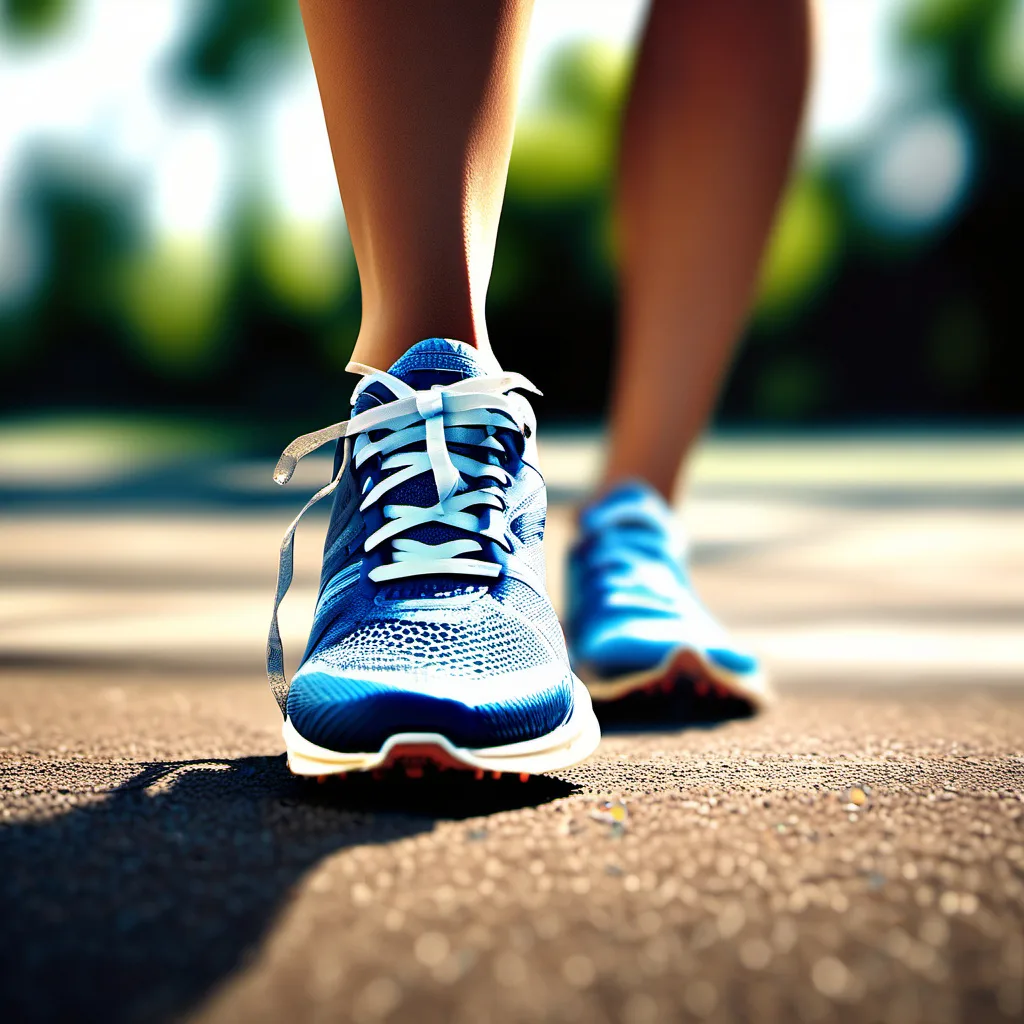
Finding the perfect pair of running shoes can feel like navigating a maze of brands, technologies, and marketing hype. The right shoes not only boost comfort and performance, but they also help prevent injuries and keep you motivated on the road or trail. This guide walks you through each decision point, from understanding your foot mechanics to testing shoes in real‑world conditions, so you can make a confident, informed purchase.
1. Understand Your Foot Type and Gait
Before you even step into a store, take a moment to assess how your feet move. Most runners fall into one of three categories:
- Neutral: The arch neither collapses excessively nor stays rigid. You typically need a balanced shoe with moderate cushioning.
- Overpronation: The arch rolls inward too much, causing the foot to flatten. Stability or motion‑control shoes with firmer midsoles are beneficial.
- Supination (underpronation): The foot rolls outward, leaving the outer edge of the foot bearing most of the impact. Cushioned, flexible shoes that encourage a smoother roll‑off work best.
Simple at‑home tests—like the wet‑foot test (wetting your foot and stepping on a piece of paper) or visiting a specialty running store for a gait analysis—can reveal your pattern. Knowing your foot type narrows the field dramatically and prevents you from trying shoes that won’t support your natural motion.
2. Define Your Running Goals and Terrain
Running shoes are purpose‑built. Ask yourself these questions:
- Will most of your mileage be on pavement, a treadmill, or mixed surfaces?
- Do you plan to race distances (5K, marathon) or focus on casual health runs?
- Do you need extra protection for trail obstacles, or do you prefer a lightweight feel for speed work?
Road shoes prioritize cushioning and a smooth ride, while trail shoes add rock plates, aggressive lugs, and water‑resistant uppers. If you split time between surfaces, a versatile “road‑to‑trail” hybrid can be a smart compromise.
3. Types of Running Shoes Explained
Here’s a quick reference to the main categories you’ll encounter:
- Neutral (or Cushioned) Shoes: Designed for runners with neutral gait, these shoes offer a blend of cushioning and flexibility.
- Stability Shoes: Incorporate medial posts or firmer foam on the inner side to curb moderate overpronation.
- Motion‑Control Shoes: The most supportive option, ideal for severe overpronators who need maximum arch support.
- Maximalist Shoes: Feature oversized midsoles (often 30 mm+), delivering a plush, low‑impact feel for long‑distance comfort.
- Minimalist / Bare‑foot Shoes: Low‑drop, thin soles that encourage a forefoot strike. Best for experienced runners who have gradually transitioned.
- Trail Shoes: Reinforced outsoles, rock plates, and protective toe caps for off‑road terrain.
Understanding each type helps you match shoe technology to your biomechanics and training objectives.
4. Key Features to Look For
Beyond the broad categories, focus on specific attributes that affect fit, comfort, and durability:
- Drop: The height difference between heel and forefoot. A 10 mm drop is common for neutral shoes; lower drops (4‑6 mm) promote a mid‑foot strike, while zero‑drop mimics barefoot running.
- Cushioning Material: EVA foam is lightweight and responsive, while PU offers durability. Newer “boost” or “gel” technologies provide a softer feel without sacrificing spring.
- Upper Construction: Engineered mesh offers breathability; overlays add support; waterproof membranes (Gore‑Tex) keep feet dry on wet trails.
- Outsole Pattern: A smoother rubber tread suits roads; deeper lugs improve traction on loose soil or mud.
- Fit Width: Look for options labeled “standard,” “wide,” or “extra‑wide.” A snug toe box prevents slipping, while a roomy forefoot accommodates swelling on long runs.
- Weight: Competitive runners often prioritize lighter shoes (<250 g) while casual joggers may accept a bit more heft for added cushioning.
5. Trying Shoes On the Right Way
Even the best‑designed shoe can feel wrong if you don’t test it properly. Follow this step‑by‑step routine:
- Wear the socks you typically run in (technical, thin, moisture‑wicking).
- Stand upright and slide your foot into the shoe, ensuring the heel sits snugly against the back wall.
- Press the toe against the front; you should feel about a thumb’s width of space between your longest toe and the shoe’s end.
- Walk around the store, paying attention to any pressure points, especially around the arch and heel.
- If possible, request a short treadmill or indoor track trial. Run at your usual pace for 2‑3 minutes; notice how the shoe feels on impact and during push‑off.
- Check for slippage. Your heel should stay in place, and your foot shouldn’t slide forward as you stride.
Remember that shoes tend to feel slightly tighter after a short break‑in period, so a snug but not painful fit is ideal.
6. Testing Shoes on Different Surfaces
Many specialty stores now offer “outside labs” where you can run on pavement, grass, or a simulated trail. If that’s not available, try this at home:
- Run a 5‑minute jog on a carpeted floor to feel the shoe’s cushioning without hard impact.
- Switch to a hardwood or tile surface for a harsher feel; this reveals how the midsole absorbs shock.
- Take a short walk on a gravel path or grass lawn (if safe) to gauge outsole traction.
These quick tests help you confirm that the shoe delivers the expected comfort across the terrains you’ll actually encounter.
7. Budget, Warranty, and Replacement Cycle
Running shoes range from $80 to $180+ depending on brand and technology. Here’s a practical budgeting framework:
- Entry‑Level (≈$80‑$110): Good for beginners or occasional runners; often lighter on advanced cushioning.
- Mid‑Tier (≈$110‑$150): Balances performance features and durability; suitable for most regular runners.
- Premium (>$150): Incorporates cutting‑edge foam, carbon plates, or specialized trail protection; best for competitive athletes.
Most manufacturers offer a 30‑day return window and a limited warranty against manufacturing defects. Keep the receipt, and note the purchase date—most experts recommend replacing shoes every 300‑500 miles (≈480‑800 km) or when you notice uneven wear, reduced cushioning, or a change in how your feet feel after a run.
8. Caring for Your Shoes to Extend Their Life
Proper maintenance can preserve cushioning and outsole grip:
- Air‑dry shoes after each run; avoid direct heat sources like radiators.
- Remove excess mud with a soft brush; don’t machine‑wash unless the label explicitly permits it.
- Rotate between two pairs if you run frequently; this allows midsoles to decompress between sessions.
- Store shoes in a cool, dry place away from sunlight, which can degrade foam over time.
By following these habits, you’ll get the most mileage out of each pair.
Advanced Midsole Technologies and How They Affect Performance
Beyond the basic EVA and PU foams mentioned earlier, the last decade has seen a surge of proprietary midsole compounds that promise higher energy return, longer durability, or a softer feel without sacrificing responsiveness. Understanding these innovations helps you decide whether a premium price tag translates into a measurable benefit for your running style.
- Carbon‑Fiber Plates: Integrated into the midsole of many elite‑level racing shoes, a thin carbon‑fiber plate acts like a spring‑loaded lever. It stores energy during the landing phase and releases it during toe‑off, often shaving seconds off marathon times. Runners who regularly race distances of 10K or longer and have a stable, mid‑foot strike tend to feel the most advantage. However, beginners may experience a “rigid” sensation that can exacerbate calf tightness if they haven’t built sufficient ankle strength.
- Boost‑Style Polyurethane (e.g., adidas Boost, Puma Nitro): These are larger‑molecule PU beads that compress and rebound with a distinctive “bouncy” feel. They are typically heavier than EVA but retain cushioning over a higher mileage span. Ideal for long‑distance training where comfort outweighs the need for ultra‑light weight.
- Zoom‑Air, React, and Fresh Foam: Each brand’s version of a proprietary foam blends varying densities to create zones of softness (under the heel) and firmness (under the arch). For example, Nike’s Zoom‑Air capsules provide a responsive “spring” under the forefoot, while the surrounding foam remains plush. Runners who alternate between easy runs and speed work can benefit from this dual‑zone design.
- Energy‑Return Gel or Air‑Cushion Systems: Gel pods (as used by ASICS) or encapsulated air chambers (as seen in some Saucony models) focus on shock absorption rather than pure energy return. They are valuable for athletes prone to joint pain because they reduce peak impact forces without dramatically altering stride mechanics.
When evaluating these technologies, consider two practical tests:
- Stride‑Length Observation: Run a short interval at your typical race pace. If the shoe feels like it “pushes” you forward with less effort, the energy‑return component is likely effective for you.
- Post‑Run Muscle Fatigue: After a 10‑mile run, note any lingering calf or Achilles soreness. Excessively stiff plates can shift strain up the kinetic chain, while overly soft foams may cause the foot to collapse, leading to overpronation.
Edge cases include ultra‑marathoners who need maximal cushioning for 100+ miles; they often choose maximalist shoes with a blend of Boost‑type PU and a thin carbon plate to balance softness and propulsion. Conversely, trail ultra‑runners may opt for a rock‑plate‑free shoe with a high‑density “rock‑shield” foam that protects against punctures while still offering a modest bounce.
Personalizing Fit: Orthotics, Insoles, and Lacing Strategies
Even the most precisely engineered shoe can feel off if you have unique anatomical needs. Customizing the interior of the shoe allows you to fine‑tune support, pressure distribution, and stability without sacrificing the external features you selected.
- Prefabricated vs. Custom Orthotics: Over‑the‑counter insoles (e.g., Superfeet, Powerstep) provide extra arch support and can correct mild overpronation. Custom orthotics, molded from a cast of your foot, address severe biomechanical issues such as high arches, low arches, or plantar fasciitis. When using orthotics, choose a shoe with a removable insole and a roomy toe box to avoid crowding.
- Lacing Techniques: The standard criss‑cross pattern works for most runners, but alternative methods can relieve pressure points. The “heel‑lock” (or runner’s loop) secures the heel and prevents slippage, useful for those with narrow heels. The “parallel” or “double‑back” lacing reduces tension across the top of the foot, which helps runners with bunions or swelling.
- Adjustable Fit Systems: Some brands incorporate strap‑like overlays or BOA® dials that let you tighten specific zones on the fly. These are especially handy for trail shoes where you may need a tighter fit on steep ascents and a looser feel on descents.
- Accommodating Swelling: Long runs, hot weather, or pregnancy can cause the foot to expand up to half a size. Opt for shoes with a flexible upper material and consider loosening the laces slightly after the first 5‑10 miles to maintain comfort without compromising stability.
Practical example: A runner with moderate overpronation and a history of plantar fasciitis tried a neutral shoe with a Superfeet insole, but still felt heel‑to‑toe drift on hills. Switching to a stability shoe with a built‑in medial post and adding a custom orthotic eliminated the drift, demonstrating how combining shoe type with personalized inserts can resolve persistent issues.
Tracking Shoe Wear and Knowing When to Retire Them
Most runners rely on mileage counters to decide when to replace shoes, but wear patterns can reveal hidden problems long before the odometer hits 300 miles. Developing a systematic tracking habit helps you catch asymmetrical wear, loss of cushioning, or structural fatigue early.
- Visual Wear Map: After each 50‑mile interval, examine the outsole. A uniform wear stripe across the entire length indicates balanced gait. A concentrated wear patch on the outer edge suggests supination, while heavy inner‑edge wear points to overpronation. Document these observations in a running log or a simple spreadsheet.
- Midsole Compression Test: Press your thumb into the midsole at the heel, forefoot, and arch. If the foam feels mushy or the indentation stays for more than a few seconds, the energy‑return properties have degraded.
- Heel‑to‑Toe Flex Test: Bend the shoe repeatedly at the forefoot. A shoe that flexes too easily may have lost its supportive structure, increasing the risk of ankle instability.
- Wear‑Pattern Photography: Take a photo of each shoe’s outsole every 100 miles. Over time, a visual timeline emerges, making it easy to spot subtle changes that the naked eye might miss.
Edge case scenario: A runner who logs 400 miles per year noticed a sudden increase in shin splints after 250 miles, despite the shoes still looking relatively fresh. A midsole compression test revealed significant loss of density in the forefoot region, prompting an early replacement and a return to pain‑free training.
Sustainable Choices: Eco‑Friendly Materials and Recycling Programs
Environmental impact is becoming a decisive factor for many runners. Brands are experimenting with recycled plastics, bio‑based foams, and circular‑economy initiatives that let you return old shoes for repurposing.
- Recycled Polyester and Ocean Plastic Uppers: Several manufacturers now weave reclaimed PET bottles or marine‑collected plastics into the shoe’s mesh. These fabrics retain breathability while diverting waste from landfills.
- Bio‑Based Foam: Companies such as Allbirds and Veja use sugarcane‑derived EVA, which reduces reliance on petroleum. The performance is comparable to traditional EVA, though some runners report a slightly firmer feel.
- Take‑Back Programs: Nike’s Reuse‑A‑Shoe, Adidas’ Parley initiative, and Patagonia’s Worn Wear allow you to ship used shoes for recycling into playground surfaces, new footwear, or athletic tracks. Most programs provide a discount coupon for your next purchase, creating an incentive loop.
- Carbon‑Neutral Shipping: When ordering online, look for retailers that offset shipping emissions or use biodegradable packaging. This can reduce the overall carbon footprint of your new pair.
Practical tip: If you run a high mileage year (1,000+ miles), consider purchasing a “sustainable” model for your secondary shoe rotation. The reduced environmental cost balances out the higher initial price, and you still benefit from the same performance features.
Buying Online vs. In‑Store: How to Make a Confident Purchase
Both channels have distinct advantages. Brick‑and‑mortar stores offer immediate hands‑on fitting, while e‑commerce platforms provide a wider selection and often better pricing. The key is to bridge the gap between the two by using data‑driven decision making.
- Leverage Virtual Gait Analysis: Many online retailers partner with apps that use your smartphone camera to capture a 30‑second video of your stride. The algorithm then suggests shoe categories based on pronation, stride length, and foot strike. While not as precise as a lab analysis, it offers a solid starting point.
- Check Return Policies Rigorously: A 30‑day “free return” window with a prepaid label is essential. Some brands also offer a “try‑before‑you‑buy” service where they ship a pair for a week‑long test run.
- Use Size Conversion Charts: International sizing can be confusing. Convert US sizes to EU, UK, or CM measurements using the brand’s specific chart, as each manufacturer’s last (the mold) can differ by up to half a size.
- Read Community Feedback: Forums like r/running, Running Ahead, or brand‑specific subreddits provide real‑world insights on durability, break‑in period, and how true‑to‑size a model runs.
- Hybrid Purchase Strategy: Buy the primary pair online after thorough research, then visit a local store to try the same model. If the fit feels off, you can exchange it locally (many stores honor online receipts) and still benefit from the lower price.
Example edge case: A runner living in a remote area without a specialty store needed a shoe for icy winter trails. By ordering a waterproof trail model online, using the brand’s virtual fit tool, and taking advantage of the 45‑day return policy, they were able to test the shoe on a local snow‑covered park. The positive experience confirmed the purchase without ever stepping foot in a physical store.
Addressing Common Injuries with Targeted Shoe Features
Running injuries often stem from a mismatch between foot mechanics and shoe support. Selecting a shoe that directly mitigates the stressors behind a specific ailment can accelerate recovery and prevent recurrence.
- Plantar Fasciitis: Look for shoes with a firm heel counter, a supportive arch cup, and a cushioned heel stack. Models that incorporate a “gel” or “air” heel cradle absorb the initial heel strike impact, reducing strain on the plantar fascia. Adding a metatarsal pad inside the shoe can further offload tension.
- Patellofemoral Pain Syndrome (Runner’s Knee): A shoe with a moderate drop (6‑8 mm) encourages a slight forward lean, decreasing quadriceps pull on the patella. Additionally, a responsive forefoot cushion helps smooth the transition from heel to toe, limiting abrupt knee flexion.
- IT Band Syndrome: Overpronation often aggravates the iliotibial band. A stability shoe with a medial post can control excessive inward roll, while a slightly wider platform reduces lateral stress on the thigh.
- Shin Splints (Medial Tibial Stress Syndrome): Excessive heel‑to‑toe impact is a primary cause. Shoes featuring a softer heel foam and a rocker‑profile outsole disperse forces more evenly along the tibia. Trail shoes with a rock‑plate can also protect against uneven ground that spikes shin strain.
- Achilles Tendinopathy: Runners with tight calves benefit from a lower drop (4‑6 mm) that reduces the stretch on the Achilles during each stride. A shoe with a flexible forefoot and a modest heel height encourages a smoother ankle transition.
Edge case illustration: A veteran marathoner developing chronic Achilles pain switched from a 10 mm‑drop neutral shoe to a 5 mm‑drop model with a split‑layer midsole. Within three weeks, pain levels dropped by 70 %, and training volume returned to pre‑injury levels, highlighting the importance of drop and forefoot flexibility for tendon health.
Seasonal and Environmental Considerations for Your Running Shoes
Temperature, humidity, and terrain change throughout the year, and your footwear should adapt accordingly. Ignoring seasonal factors can lead to discomfort, reduced performance, or even injury.
- Hot and Humid Climates: Opt for shoes with a highly breathable mesh upper and moisture‑wicking linings. Avoid waterproof membranes unless you expect rain, as they trap heat. A lower heel‑to‑toe drop can also reduce sweating by encouraging a more natural foot strike.
- Cold and Snowy Conditions: Insulated trail shoes with a Gore‑Tex or similar waterproof layer keep feet dry while still allowing some breathability. Pair them with wool or synthetic running socks to maintain warmth without excessive bulk.
- Rainy Seasons: Shoes with a quick‑dry upper (e.g., nylon‑spun mesh) prevent prolonged moisture exposure. Some models feature a water‑channeling tongue that directs rain away from the foot.
- High‑Altitude or Dry Desert Runs: The reduced air pressure can make foam feel softer, so a shoe with a firmer midsole may feel more stable. Additionally, sand‑resistant outsoles prevent grit from abrading the shoe’s tread.
- Urban Winter: Pavement‑focused shoes with a durable rubber outsole resist the abrasive effect of salted roads. A slightly higher stack height can also protect against the impact of frozen surfaces.
FAQ
1. How often should I replace my running shoes?
Most runners find that 300‑500 miles is the sweet spot for optimal cushioning. If you notice a noticeable loss of shock absorption, uneven wear on the outsole, or new aches during runs, it’s time to consider a new pair, even if you haven’t hit the mileage ceiling.
2. Can I use the same shoes for road and trail running?
While a hybrid shoe can handle light off‑road work, dedicated trail shoes provide better grip, protective toe caps, and drainage. If you spend more than 20 % of your mileage on uneven terrain, investing in a pair of trail‑specific shoes will improve safety and comfort.
3. Do I need a different shoe for speed work versus long runs?
Many runners keep a lightweight, responsive shoe for intervals and a more cushioned model for endurance runs. The lighter shoe reduces fatigue during fast repeats, while the plush shoe minimizes impact on longer distances. Switching between the two also extends the lifespan of each pair.
4. How can I tell if a shoe’s cushioning is too soft for me?
During a test run, pay attention to stability on the landing phase. If your foot feels like it’s “slipping” or you experience excessive wobble, the midsole may be overly soft for your weight or gait. A firmer foam or a stability shoe can provide the needed support.
5. Is it okay to break in new running shoes for a few weeks before using them for a race?
Yes. Even the most comfortable models benefit from a short break‑in period (5‑10 miles). This allows the upper to mold to your foot shape and the midsole to settle, ensuring you won’t encounter unexpected pressure points on race day.
Related posts:
 Smart Shoe Shopping Tips Everyone Should Know
 Finding Supportive Shoes
 How to Choose the Best Running Shoes for You
 Meghan Markle’s High Heel Hack
 The Best Running Shoes for Bad Knees, According to Podiatrists
 Guide to HOKA Sneakers
 Hoka Bondi 8: Maximum Cushioning Review
 Common Sneaker Questions Answered