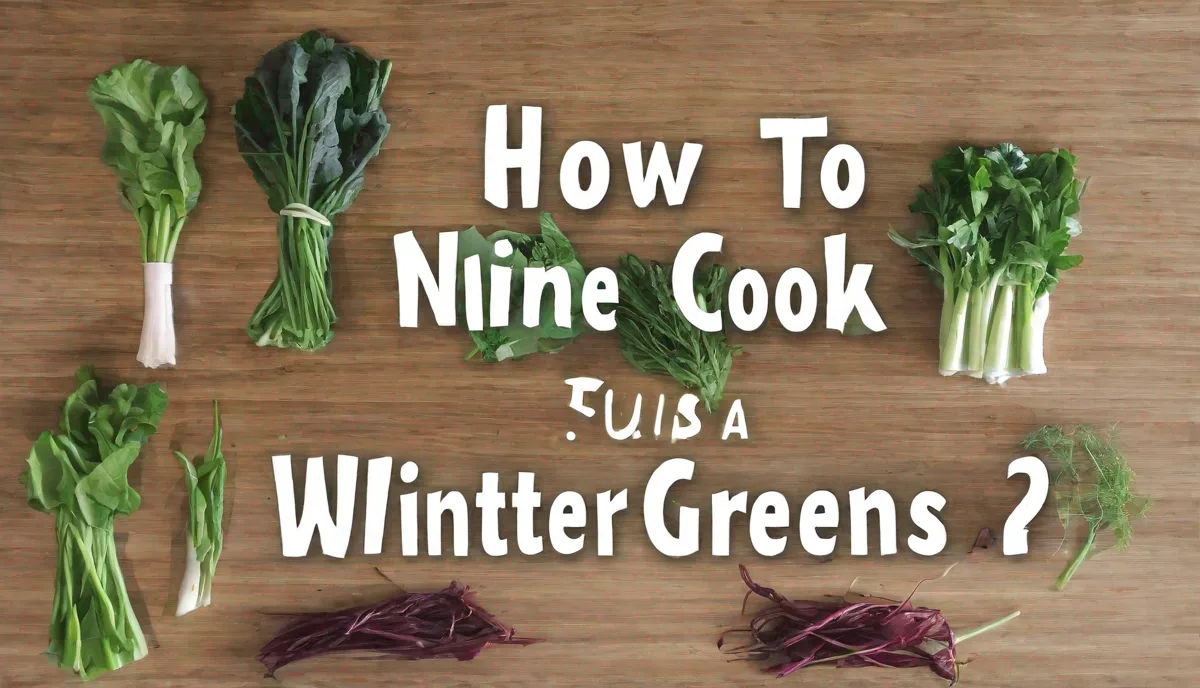
As the weather turns colder, winter greens like kale, collard greens, and Swiss chard make their entrance. These hardy plants actually become sweeter after a frost, allowing us to enjoy their rich flavors all season long. Cooking with winter greens is rewarding, nutritious, and downright delicious when done thoughtfully.
Key takeaways
- Choose deeply colored, firm leaves and store them in the refrigerator for up to five days.
- Trim thick stems before cooking to remove bitter or tough textures.
- Blanch sturdy greens before freezing them to maintain quality for up to six months.
- Balance the natural bitterness of greens by adding acidic, sweet, or rich ingredients.
- Incorporate greens into diverse meals like soups, pasta, frittatas, or smoothies for added nutrition.
Benefits of Cooking With Winter Greens
Winter greens shine with vitamins, minerals, and antioxidants to support our health. Kale and collards brim with vitamins A, C, and K. Swiss chard delivers vitamin C, magnesium, potassium, iron and fiber. By cooking with seasonal produce we benefit from these nutrients while also reducing food waste and our carbon footprint.
Selecting Winter Greens
Look for deeply colored leaves without signs of wilting when buying fresh greens. Smaller leaves tend to be more tender. For collard greens, choose smaller leaves under 8 inches long. You can find winter greens at farmers markets, CSAs, and many grocery stores. Seek out local options to maximize freshness.
Storing Winter Greens
Keep winter greens chilled in plastic bags in the refrigerator. Use them within 3-5 days for best quality and flavor. Sturdy greens also freeze well – just blanch them first.
Preparing Winter Greens
Rinse greens just before use and dry thoroughly with a salad spinner or towels. Trim away thick stems which can be bitter or tough. Stack leaves and roll lengthwise for easier chopping. You can braise, boil, steam or sauté winter greens depending on the recipe.
Recipes for Cooking Winter Greens
From soups to casseroles to salads, winter greens pair beautifully with grains, beans, nuts, and citrus. Some tasty ways to eat them include:
- Sauté greens with garlic and red pepper flakes
- Add to pasta, gnocchi, or pizza
- Mix into frittatas, omelets, or quiches
- Toss with olive oil and balsamic vinegar
- Blend into pestos, dips, and smoothies
Mastering the Art of the Long Braise
While quick sautéing is perfect for tender baby kale, mature winter greens often require a more patient approach to reach their full potential. Braising is the gold standard for transforming fibrous, tough collard greens or mustard greens into silky, flavor-packed side dishes. The secret lies in the “pot liquor”—the nutrient-dense, flavorful broth that remains after the greens have softened. Start by rendering bacon, pancetta, or smoked turkey wings in a heavy-bottomed Dutch oven; this provides a savory foundation that permeates the leaves. Once the fat is rendered, sauté aromatics like onions, garlic, and ginger until translucent. Add your greens in batches, allowing them to wilt down before pouring in a high-quality stock or bone broth. Cover and simmer on low heat for 45 to 90 minutes. The slow breakdown of cellulose ensures that the greens become tender without losing their structural integrity, while the liquid absorbs the complex, earthy notes of the vegetables.
The Science of Bitterness Mitigation
Many home cooks shy away from winter greens due to their inherent bitterness, which is actually a defense mechanism evolved by the plant to deter pests. Understanding how to chemically neutralize this bitterness can change your relationship with these vegetables. While many reach for sugar, a more sophisticated approach involves using “bitter-blocking” agents. Fat is the most effective tool; incorporating dairy like heavy cream, coconut milk, or even a dollop of mascarpone at the end of the cooking process coats the tongue and masks the sharp flavor profiles. Alternatively, employ the “acid-sweet-salty” triad: a splash of apple cider vinegar or sherry vinegar adds brightness that cuts through the chlorophyll intensity, while a pinch of sea salt enhances the natural sugars present in the leaves. For a professional finish, try finishing your greens with a toasted nut oil or a light dusting of nutritional yeast, which provides a nutty, umami-rich depth that balances the sharp finish of kale or turnip greens.
Maximizing Nutrition Through Fermentation and Raw Preparation
Cooking is not the only way to enjoy winter greens. Lacto-fermentation is a traditional method that preserves the harvest while increasing bioavailability of nutrients. By massaging kale or chard with 2% sea salt by weight and packing them into a fermentation crock, you create a “green kraut” that is teeming with probiotics. This process also softens the leaves through enzymatic action, making them easier to digest. If you prefer raw greens, the key is mechanical tenderization. Simply tossing leaves with dressing isn’t enough for tougher varieties; you must manually massage the greens with oil and salt for several minutes. This breaks down the cellular walls, turning rigid, crinkly leaves into a tender, salad-ready texture. This method is particularly useful for kale salads, as it allows the greens to hold up under heavy dressings without becoming soggy, making them an excellent choice for meal-prep lunches.
Utilizing the “Stem-to-Leaf” Philosophy
Most recipes advise discarding the thick stems of Swiss chard or kale, but these parts are culinary gold if treated correctly. Stems are essentially the “celery” of the winter green family and possess a crunch that leaves lack. Separate your stems from the leaves early in the preparation process. Finely dice the stems and sauté them for 5-8 minutes before adding the leaves to the pan; this ensures that both parts reach the perfect texture simultaneously. For chard, the stems come in vibrant colors like yellow, orange, and red, which can elevate the visual appeal of a dish. If you have an abundance of stems, consider pickling them in a brine of vinegar, sugar, and mustard seeds. These pickled stems provide a sharp, crunchy contrast to the soft, braised greens or can be used as a vibrant garnish for charcuterie boards or grain bowls.
Creative Emulsions and Green-Infused Sauces
If you have a surplus of greens that are starting to look slightly less than crisp, do not discard them. Instead, transform them into a vibrant green oil or emulsion that can act as a finishing sauce for roasted meats, grilled fish, or vegetable soups. Blanch the greens for exactly 30 seconds—just enough to set the bright green color—then immediately plunge them into an ice bath. Squeeze out all excess moisture and blend the greens with high-quality olive oil, a small amount of garlic, and a pinch of salt until completely smooth. Strain this mixture through a fine-mesh sieve or cheesecloth to create a beautiful, emerald-green oil. This technique concentrates the flavor of the greens into a shelf-stable (when refrigerated) condiment that adds a nutritional and aesthetic boost to almost any savory dish. It is an excellent way to incorporate greens into a child’s diet, as the flavor is mild and the color is visually exciting.
Winter Greens as a Base for Savory Pies and Galettes
Winter greens are the ideal filling for savory pastries because they provide bulk and flavor without adding excessive moisture, which can ruin a crust. When using greens in a galette or quiche, the most critical step is moisture management. After sautéing your greens with aromatics, place them in a colander and press down firmly with the back of a wooden spoon or a clean kitchen towel to remove every drop of excess liquid. If the greens are too wet, the bottom of your pastry will become soggy. Mix the squeezed greens with a binder—such as ricotta, goat cheese, or a mixture of eggs and heavy cream—to create a cohesive filling. Adding fresh herbs like thyme, rosemary, or nutmeg complements the earthy flavor of the greens. These savory pies can be prepared in advance and served at room temperature, making them a versatile option for winter gatherings or holiday brunches.
Pairing Strategies for Seasonal Menus
Pairing winter greens requires an understanding of their intensity. Mustard greens and arugula have a peppery bite that demands bold partners like blue cheese, roasted walnuts, or sweet dried fruits like cranberries or apricots. Conversely, Swiss chard is delicate and earthy, pairing perfectly with toasted pine nuts, raisins, and mild white fish. When building a plate, consider the “texture contrast” principle: if you are serving soft-braised collards, pair them with something crispy, such as garlic-buttered sourdough croutons or fried shallots. If you are serving raw massaged kale, pair it with soft, creamy elements like avocado or poached eggs. By strategically pairing the texture and intensity of the greens with complementary ingredients, you transform a side vegetable into a balanced, complex component of the meal that stands up to hearty winter proteins like braised beef or roasted root vegetables.
FAQ
What’s the best way to cook winter greens?
It depends on the type of greens and what texture you prefer. Braising, steaming and sautéing are all excellent cooking methods.
Can I freeze winter greens?
Yes, sturdy greens like kale, collards and chard freeze very well. Blanch them first, then freeze in airtight bags for up to 6 months.
How can I use up a lot of greens at once?
Make a big pot of soup or braise a batch to add to grains bowls, pastas, frittatas etc. throughout the week. Giant salads work too.
What are the most nutritious winter greens?
Kale, collards, Swiss chard and mustard greens are all excellent options packed with vitamins, minerals and disease-fighting compounds.
How do I make winter greens taste good?
Balance their bitterness with acid (lemon/vinegar), sweetness (maple syrup/caramelized onions) and richness (olive oil/nuts). Slow braising also mellows their flavor.
Related posts:
 Swiss Chard Rolls: A Healthy and Flavorful Dish
 The Ultimate Green Soup Recipe for Detox and Health
 15-Minute Dairy-Free Dinner Ideas
 Trader Joe’s Latest Hit: The Kale Gnocchi Everyone’s Going Crazy For
 11 Innovative Healthy Recipes That Make Kale Exciting Again
 Keep Bugs Out of Your House Using This Kitchen Staple
 The Green Goddess Guide to Buying Leafy Perfection
 Forget Bleach: This Kitchen Staple Cleans Everything