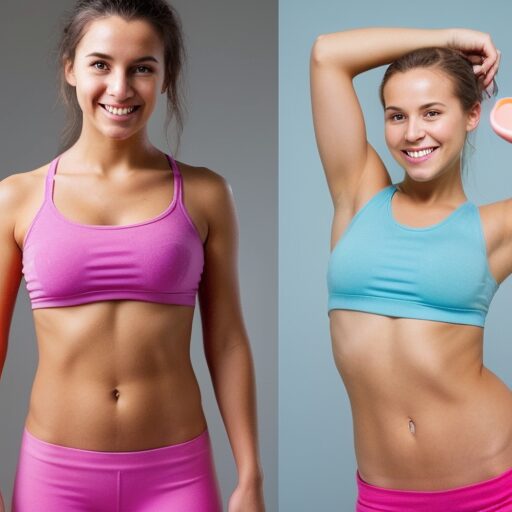
Developing a positive body image is a journey that can lead to greater self-esteem, health, and overall happiness. It’s about recognizing your inherent worth and beauty, regardless of societal beauty standards. In this article, we will explore 10 strategies to cultivate a positive body image and embrace self-love.
Understand the Impact of Media
Media often portrays an unrealistic standard of beauty. Recognize that these images are often edited and do not reflect the diversity of real bodies. Limit exposure to such media and seek out positive, diverse representations of body types.
Practice Self-Care
Engage in activities that make you feel good about yourself. Whether it’s a relaxing bath, reading a book, or a workout, self-care is a step towards valuing yourself.
Positive Affirmations
Use positive affirmations to challenge negative thoughts about your body. Replacing them with positive statements can gradually change your mindset.
Surround Yourself with Positivity
Be mindful of the company you keep. Surround yourself with people who uplift you and appreciate you for who you are.
Wear Clothes That Make You Feel Good
Your clothing should make you feel comfortable and confident. Dress in a way that expresses your personality and makes you feel good about your body.
Focus on What Your Body Can Do
Appreciate your body for its abilities rather than its appearance. Celebrate the things it allows you to do, like dance, play a sport, or cuddle a loved one.
Exercise for Enjoyment
Find a form of exercise that you genuinely enjoy. Exercise should be about feeling good and healthy, not just about changing your body.
Eat Mindfully
Eating should be about nourishing your body. Listen to your body’s cues and give it the nutrients it needs without judgment.
Seek Professional Help if Needed
If negative body image is affecting your quality of life, don’t hesitate to seek help from a professional such as a therapist or counselor.
Practice Gratitude
Focus on things you are grateful for about your body and your life. Gratitude can shift your perspective from negativity to positivity.
Curating Your Digital Environment
The digital landscape is a primary driver of body dissatisfaction, often functioning as a 24/7 comparison engine. To reclaim your mental space, take an audit of your social media feeds. Unfollow or mute accounts that trigger feelings of inadequacy, whether they are fitness influencers promoting unattainable physiques, accounts that focus heavily on weight loss, or friends who frequently post self-critical commentary about their own bodies. Replace these with accounts that celebrate body neutrality, disability advocacy, or diverse body shapes and sizes. The goal is to curate a feed that reflects the reality of human existence: scars, rolls, textures, and the beautiful, non-linear progression of aging. By diversifying your intake, you signal to your brain that the ‘ideal’ body type is a myth, not a standard.
The Practice of Body Neutrality
While body positivity encourages loving your appearance, it can feel like a monumental leap when you are struggling with self-esteem. Body neutrality serves as a vital bridge. Instead of forcing yourself to love every curve or feature, focus on neutrality: accepting your body as a vessel that allows you to exist in the world. When a negative thought arises, reframe it from a judgment to a neutral observation. For instance, instead of saying, “I hate my stomach,” try “This is my stomach; it is part of my body, and it does not define my worth.” This practice removes the emotional charge from physical traits, allowing you to move through your day without the constant pressure to feel “positive” about your appearance, which can sometimes feel artificial or performative.
Establishing Boundaries with Body Talk
Social interactions often revolve around “body talk”—conversations centered on dieting, disparaging remarks about one’s own body, or commenting on others’ weight changes. These conversations reinforce the idea that physical appearance is the most important aspect of a person. Practice setting boundaries by gently steering the conversation elsewhere. You might say, “I’m trying to move away from talking about bodies lately; how has your project at work been going?” or “I find that focusing on weight makes me feel a bit anxious, so I’d rather talk about something else.” By refusing to participate in these cycles of criticism, you protect your own mindset and may even encourage the people around you to reflect on their own habits.
Developing Somatic Awareness
Body image is often a mental projection rather than a physical reality. Somatic practices, such as yoga, progressive muscle relaxation, or mindful walking, help you reconnect with the internal experience of having a body. When you practice these, focus on the physical sensations: the feeling of your feet against the floor, the rhythm of your breath, or the tension releasing from your shoulders. This moves your attention away from how you look in the mirror and toward how you feel from the inside out. Developing this internal “map” of your body can make you feel more “at home” in your skin, fostering a sense of embodiment that is grounded in sensation rather than aesthetics.
The Role of Clothing as a Tool for Comfort
We often keep “goal clothes”—items that are too small or uncomfortable, acting as constant reminders of a body size we are chasing. This practice creates a daily cycle of failure and shame. Purge your closet of items that do not fit your body as it exists today. Invest in clothes that accommodate your current shape, provide physical comfort, and allow you to move freely. When you wear clothing that fits correctly, you eliminate the physical discomfort that often leads to body-checking and negative self-talk. Viewing clothing as a tool for comfort rather than a marker of your “status” allows you to reclaim your wardrobe as a source of self-expression rather than a source of restriction.
Navigating Body-Checking Behaviors
Body-checking is the unconscious habit of constantly monitoring your appearance—pinching skin, weighing yourself multiple times a day, or analyzing your reflection in shop windows. These behaviors maintain a loop of anxiety. To break this, identify your “check” triggers. Are you doing it when you feel stressed? When you are bored? When you are entering a social situation? Once identified, implement a “pause” protocol. When you feel the urge to check, take three deep breaths and ask yourself what you are feeling emotionally. By shifting the focus from the external check to the internal emotion, you begin to understand that the desire to monitor your body is usually a symptom of a deeper emotional need, such as a desire for control or validation.
FAQ
How can I start to appreciate my body more?
Begin by changing the focus from appearance to function, celebrate your strengths, and engage in self-care practices that make you feel good about yourself.
How does exercise affect body image?
Exercise can improve body image by increasing body appreciation, strength, and endurance, and by releasing endorphins that enhance mood and self-esteem.
Can clothing really impact how I feel about my body?
Yes, clothing that fits well and suits your personal style can boost confidence and help you feel more positive about your body.
What should I do if I can’t overcome negative body image on my own?
If you’re struggling with body image issues, consider seeking help from a therapist or counselor who specializes in body image and self-esteem.
Are there any specific affirmations that can help improve body image?
Some affirmations might include ‘I am more than my appearance,’ ‘My body deserves love and respect,’ and ‘I am worthy regardless of my size or shape.’
Related posts:
 The Body-Positive Art Movement Turning Stretch Marks Into Glittery Masterpieces
 Psychologists Talk Body Image
 Christina Aguilera Goes Makeup-Free
 Chrissy Teigen’s Honest Take on Stretch Marks Is Everything We Needed
 100+ Self-Esteem Worksheets for Kids, Teens and Adults PDFs
 PHA Bodyweight Workout: Efficient Fitness Anywhere, Anytime
 Gyms Are Actually Banning Sexy Workout Clothes and Here’s Why
 Rosenberg Self-Esteem Scale Test