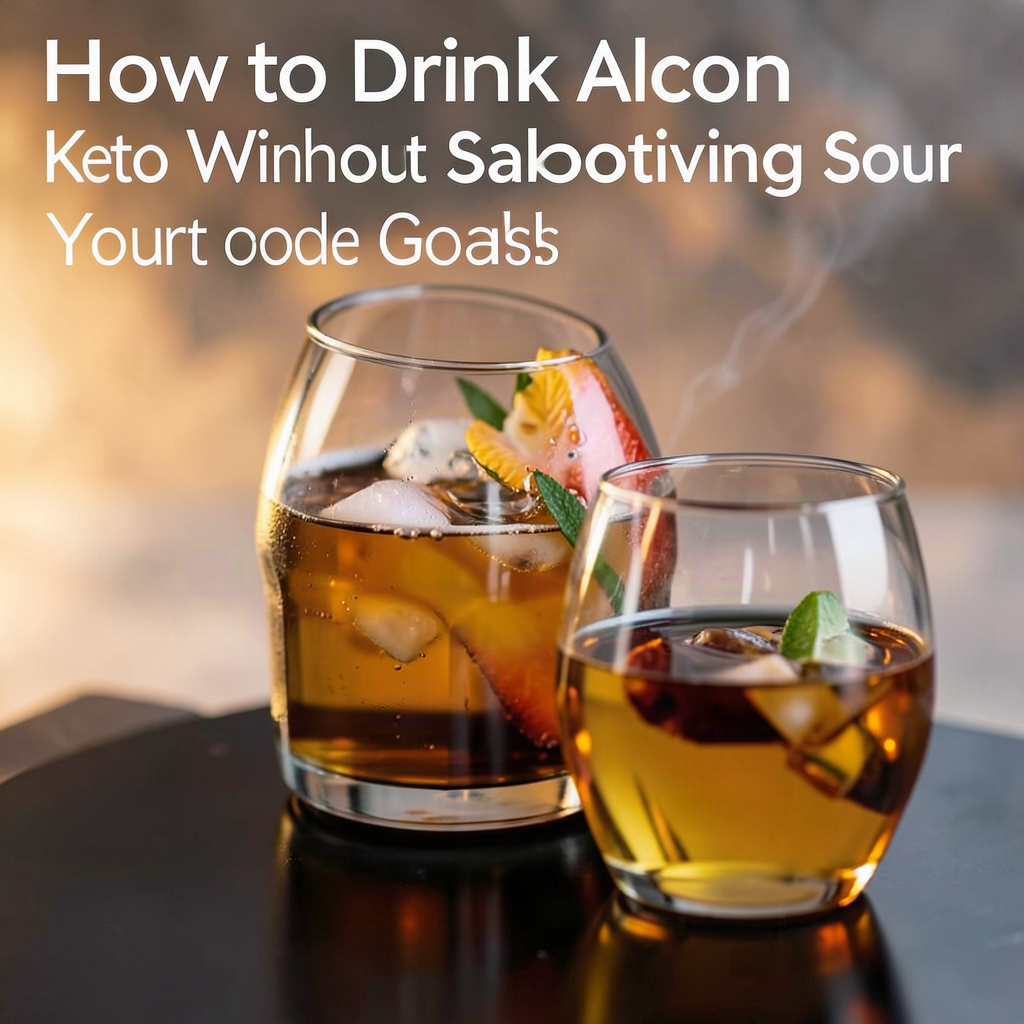
The ketogenic diet has transformed how millions approach weight loss and metabolic health, but social situations and personal preferences don’t disappear when you commit to keto. Alcohol consumption is one of the most common concerns for people following a ketogenic lifestyle, and for good reason: most alcoholic beverages are loaded with carbohydrates that can derail ketosis. However, drinking alcohol on keto is entirely possible when you understand which drinks fit your macronutrient targets and how your body processes alcohol in a ketogenic state.
This guide walks you through the practical realities of consuming alcohol while maintaining ketosis, including which beverages work best, how to manage your macros, and what metabolic changes occur when you drink on keto. Whether you’re navigating a wedding, enjoying time with friends, or simply want to understand your options, you’ll find evidence-based strategies to make informed choices that align with your goals.
Understanding How Alcohol Affects Ketosis
When you consume alcohol on a ketogenic diet, your body prioritizes metabolizing the ethanol before it continues burning fat. Alcohol contains seven calories per gram—nearly as much as fat at nine calories per gram—and your liver treats it as a priority fuel source, similar to how it handles glucose. This temporary pause in fat burning doesn’t destroy your ketosis, but it does mean your body shifts focus away from ketone production while processing the drink.
The key distinction is that taking a break from fat burning for a few hours isn’t the same as leaving ketosis entirely. Research indicates that moderate alcohol consumption doesn’t necessarily kick you out of ketosis, provided the drink itself contains minimal carbohydrates. Your blood ketone levels may dip slightly, but they typically recover within hours after the alcohol is metabolized. This is especially true for people who have been following keto long enough to achieve metabolic flexibility.
One important consideration: alcohol on keto often feels stronger and hits faster than it might on a standard diet. Your liver is already working hard to maintain ketosis by producing ketones, so adding ethanol metabolism creates additional stress. Many people report feeling intoxicated more quickly and experiencing worse hangovers. This is partly because dehydration on keto is common, and alcohol exacerbates fluid loss.
The Best Low-Carb Alcoholic Beverages
Not all alcohol is created equal for keto followers. The carbohydrate content varies dramatically depending on the type of drink and how it’s prepared. Here’s what works best:
Spirits and Liquor: Pure distilled spirits contain zero carbohydrates. Vodka, gin, rum, tequila, whiskey, and brandy are all keto-friendly when consumed straight or mixed with zero-carb mixers. A standard 1.5-ounce shot contains roughly 100 calories but zero grams of carbs. This makes spirits the most reliable choice for staying within your macro targets.
Wine: Dry wines contain significantly fewer carbs than sweet varieties. A five-ounce glass of dry red or white wine typically contains 1-4 grams of net carbs, making it compatible with keto in moderation. Avoid dessert wines, port, and sweet varieties, which can contain 10-20+ grams of carbs per glass. Champagne and dry sparkling wines sit in the same low-carb range as dry still wines.
Beer: Traditional beer is problematic on keto due to its grain-based carbohydrate content. A standard 12-ounce beer contains 10-15 grams of carbs. However, light beers reduce this to 3-7 grams, and some breweries now produce ultra-low-carb beers specifically marketed to keto dieters, containing just 1-2 grams of carbs per serving. These specialized options have become easier to find but are more expensive than standard alternatives.
Mixers Matter Most: The spirit itself is carb-free, but what you mix it with determines the final carbohydrate content. Club soda, seltzer water, diet sodas, and sugar-free tonic water are all acceptable. Fresh lime or lemon juice is fine in small quantities. Avoid regular soda, tonic water (which contains quinine and added sugar), fruit juices, simple syrup, regular mixers, and sweetened energy drinks. Many bars automatically add sugary mixers, so always specify your preferences.
Calculating Macros for Your Drinks
Staying in ketosis requires managing your daily carbohydrate intake, typically between 20-50 grams for most people. Adding alcohol means you need to account for both the carbs in the drink and adjust your food intake accordingly if you want to stay within your target.
Start by identifying your daily carbohydrate allowance. If you’re aiming for 30 net grams of carbs daily and you drink a five-ounce glass of dry wine (3 grams of carbs), you have 27 grams remaining for food. This is manageable and requires only minor adjustments to your meals. If you’re drinking beer or higher-carb options, the impact becomes more significant and may require eliminating certain foods entirely.
For spirits, the carbohydrate calculation is straightforward: zero grams. A vodka soda with a lime wedge has the same carb count as the mixer alone, typically zero to one gram depending on whether you use diet or regular soda. This is why spirits are the most flexible choice for people practicing strict macro tracking.
Don’t forget about calories. While staying in ketosis is primarily about carbohydrate restriction, total caloric intake still matters for weight loss. Alcohol provides seven calories per gram with zero nutritional value. Three drinks might add 300 calories to your day without contributing protein, fat, or micronutrients. If you’re tracking calories as well as carbs, alcohol can make it harder to maintain a caloric deficit.
A practical approach: decide in advance how alcohol fits into your macros for the day. Plan your meals around your intended drinks so you’re not guessing about carb counts while socializing. Use apps or reference guides to identify the exact carb and calorie content of what you’re drinking, rather than estimating.
Hydration and Electrolyte Management
Dehydration is a common issue for people on keto, and alcohol makes it significantly worse. Ethanol is a diuretic, meaning it increases urination and fluid loss. When combined with the increased water loss that often accompanies ketosis, alcohol can leave you severely dehydrated, contributing to hangovers, headaches, and fatigue the next day.
Preventing this requires intentional hydration before, during, and after drinking. A practical strategy: alternate each alcoholic drink with a full glass of water or electrolyte-enhanced beverage. This not only helps maintain hydration but also naturally limits how much alcohol you consume by spacing out your drinks.
Electrolyte balance becomes even more important when combining keto and alcohol. Sodium, potassium, and magnesium are essential minerals that help regulate hydration and cellular function. Many people on keto benefit from supplementing electrolytes, and this becomes essential when drinking alcohol. If you don’t already supplement, consider doing so on days when you plan to drink.
The morning after drinking, prioritize rehydration and electrolyte replenishment first thing. A broth-based soup, electrolyte drink, or even a pinch of salt in water can help restore balance faster than water alone. This practical step significantly reduces hangover severity and helps your body recover metabolically.
Managing Hunger and Cravings After Drinking
Many people experience increased hunger and carbohydrate cravings the day after drinking alcohol, even when the drink itself was low-carb. This happens for several reasons. First, alcohol temporarily lowers blood glucose and can trigger hunger signals as your body tries to restore energy. Second, alcohol affects hormones like ghrelin and leptin, which regulate appetite. Third, dehydration is often misinterpreted as hunger.
The morning after drinking, your instinct might be to reach for carbohydrate-rich foods—pizza, bread, pasta. Recognizing this as a physiological response rather than a genuine nutritional need makes it easier to stay committed to keto. Instead of fighting the urge, plan a satisfying keto meal in advance. Eggs with bacon and avocado, a cauliflower-based hash with sausage, or a creamy soup with chicken and broccoli can feel indulgent while keeping you in ketosis.
Ensuring you ate enough protein and fat before drinking helps stabilize blood sugar and prevent intense hunger afterward. A meal with eggs, fatty fish, or meat provides sustained energy and reduces the severity of post-alcohol hunger spikes. Avoid drinking on an empty stomach, as this amplifies both the intoxicating effects and the subsequent hunger response.
If cravings feel overwhelming, acknowledge them and wait 15-20 minutes. Often the craving passes once you’re properly hydrated and have eaten a satisfying meal. Keeping keto-friendly snacks on hand—nuts, cheese, jerky—gives you something to reach for if hunger persists without derailing your macros.
Alcohol’s Impact on Sleep and Recovery
While moderate alcohol consumption doesn’t necessarily prevent weight loss or ketosis, it does affect sleep quality in ways that indirectly impact your keto results. Alcohol is sedating initially but disrupts the later stages of sleep, causing frequent waking and reducing restorative REM sleep. Poor sleep increases cortisol, a stress hormone that can trigger weight gain and carbohydrate cravings the next day.
The timing of when you drink matters. Consuming alcohol close to bedtime increases sleep disruption. Drinking earlier in the evening allows more time for metabolism before sleep, resulting in better rest. Staying hydrated and ensuring you’ve eaten enough fat helps reduce sleep disruption.
Recovery from alcohol on keto also involves replenishing your body’s nutrient stores. B vitamins are depleted during alcohol metabolism, contributing to fatigue and brain fog. Magnesium is also reduced, affecting muscle relaxation and sleep quality. The next day, prioritize nutrient-dense foods: leafy greens, nuts, seeds, and quality proteins help restore what alcohol depleted.
Social Strategies for Staying Keto While Drinking
Navigating social situations where alcohol is central can feel challenging, especially if friends or family don’t understand your dietary choices. Having a clear strategy in advance makes these situations much easier.
When going to bars or restaurants, decide what you’ll drink before you arrive. Knowing that you’ll order a gin and soda with lime removes the decision-making moment and reduces temptation when the bartender starts listing sugary cocktails. If you’re unsure what’s available, checking the menu online beforehand or calling ahead takes the guesswork out.
At social events, having a drink in hand reduces pressure to explain your diet. People are much less likely to question your choices when you’re visibly participating in the social aspect of drinking. Ordering a sparkling water with lime looks similar to a cocktail and satisfies the social element without the alcohol if you want to moderate consumption.
If someone questions your drink choice or your ability to drink on keto, a simple response works well: “I’m choosing drinks that fit my carb targets. It works for me.” You don’t owe anyone detailed nutritional education at a party. Keeping your response brief and confident typically ends the conversation.
Recognizing When Alcohol Isn’t Working for Your Keto Goals
For some people, alcohol on keto works fine. For others, it consistently triggers weight loss stalls, intense cravings, or disrupted sleep patterns that make the small pleasure of a drink not worth the consequences. There’s no shame in discovering that alcohol doesn’t serve your goals or your health.
Pay attention to how your body responds. If you consistently lose momentum after drinking or experience stronger cravings than normal, alcohol might be worth eliminating temporarily. Alternatively, drinking only occasionally—once or twice monthly rather than weekly—might let you enjoy alcohol socially without the negative metabolic effects.
Some people find that their tolerance and response to alcohol changes over time on keto. You might discover that you feel significantly better limiting alcohol to special occasions only. This isn’t failure; it’s learning what actually works for your body and your lifestyle.
Supplements and Tools for Safer Drinking on Keto
While no supplement prevents hangovers entirely, certain options can help mitigate the worst effects of drinking while on keto. Electrolyte supplements—especially those containing sodium, potassium, and magnesium—help maintain hydration and cellular function. Taking these before or during drinking reduces the severity of dehydration-related symptoms.
B-complex vitamins can help offset the B vitamin depletion that alcohol causes. Taking these the morning after drinking or before drinking may reduce fatigue and brain fog. Milk thistle and NAC (N-acetylcysteine) are sometimes used to support liver function, though their effectiveness is debated in scientific literature.
Most importantly, track your carbohydrate intake accurately. Using an app like MyFitnessPal, Carb Manager, or another keto-specific tracker helps you see exactly how a drink affects your daily macros. This data removes guesswork and helps you make consistent, informed decisions about what and how much you drink.
The Physiological Differences Between Alcohol Metabolism on Keto vs. Standard Diets
Your metabolic state fundamentally changes how your body processes alcohol, and understanding these differences helps you make smarter drinking decisions. On a standard carbohydrate-based diet, your liver prioritizes glucose metabolism and stores excess energy as glycogen in your muscles and liver. When you drink alcohol in this state, your body has readily available carbohydrate fuel to fall back on, which means alcohol metabolism doesn’t create the same metabolic stress.
On keto, your liver is constantly engaged in ketone production to fuel your brain and body. Adding alcohol metabolism to this workload creates competition for hepatic resources. Your liver must simultaneously maintain ketone production, process the ethanol, and manage the metabolic byproducts of alcohol breakdown—primarily acetaldehyde and acetate. This creates what researchers call “metabolic competition,” where your liver essentially juggles multiple fuel-processing tasks simultaneously.
The practical consequence is that your body’s recovery time from alcohol extends on keto. While someone on a standard diet might metabolize a drink in 60-90 minutes, the same drink might take 2-3 hours to fully clear your system when you’re ketoadapted. This isn’t because your liver is weaker; it’s because your liver is already working overtime maintaining ketosis. The enzyme alcohol dehydrogenase, which breaks down ethanol, has to compete with other metabolic processes for substrate and cofactors like NAD+.
Additionally, ketone bodies themselves can interfere slightly with alcohol metabolism. Elevated ketone levels increase blood acidity (lowering pH), which changes how efficiently your liver processes ethanol. This is why people with high ketone levels from prolonged fasting or strict keto often report feeling alcohol effects more intensely than people in mild ketosis. Measuring your ketone levels with a blood ketone meter before drinking can help you predict your likely response.
One counterintuitive finding from keto research: because your body is already adapted to using fat for fuel, alcohol doesn’t create the same degree of metabolic disruption to fat burning that it does in carb-adapted individuals. Your body doesn’t “forget” how to burn fat during alcohol metabolism the way it might when transitioning from glucose to ketone burning. This is why many long-term keto followers report that moderate drinking doesn’t stall their weight loss, whereas others notice immediate effects—individual variation in metabolic adaptation plays a significant role.
Timing Alcohol Consumption: Strategic Placement Within Your Day
When you drink matters as much as what you drink, particularly on keto. Strategic timing maximizes your ability to stay in ketosis while minimizing metabolic disruption and hangover severity. The timing question involves multiple layers: circadian rhythm effects, fasting state, proximity to meals, and distance from sleep.
Drinking on a completely empty stomach accelerates alcohol absorption and intensifies intoxication. Your stomach lining has less food to slow down absorption, so ethanol enters your bloodstream rapidly. Combined with the already-heightened intoxication sensitivity on keto, this creates an unpleasant experience. The solution is straightforward: always eat a meal with adequate fat and protein before drinking. A serving of fatty fish with avocado, eggs with cheese, or steak with butter provides the caloric density and satiation that slows alcohol absorption and creates a more pleasant experience overall.
Drinking earlier in the evening—ideally 4-6 hours before bed—allows your body adequate time to metabolize the alcohol before sleep. Alcohol consumed close to bedtime or in the hours immediately before sleep disrupts your sleep architecture more severely. Your liver will still be actively processing ethanol during your sleep window, which means it’s redirecting resources away from the metabolic processes that occur during sleep, including muscle repair and hormone rebalancing. By drinking earlier, you allow your liver to finish alcohol metabolism before your body transitions into its most important recovery window.
The day-of-the-week timing also influences outcomes. Some people find they tolerate alcohol better mid-week when they’re well-rested and their electrolyte stores are replenished from consistent hydration and supplementation throughout the week. Others notice that alcohol consumed on Friday or Saturday after a week of work creates more severe hangovers, possibly due to accumulated fatigue and cortisol elevation. Experimenting with timing during different parts of your week helps you identify your personal pattern.
Consider also the proximity to intense exercise. Drinking immediately after a heavy workout stresses your recovery systems—your body is already working to repair muscles and rebalance hormones, so adding alcohol metabolism on top of this creates compounding stress. Ideally, separate workout and drinking by at least 6-8 hours. If you must drink after a workout, prioritize immediate post-workout carbohydrate and protein intake first (even if this means temporarily leaving ketosis), then delay alcohol consumption for several hours.
Alcohol and Ketone Measurement: Reading Your Metabolic Response
For people who measure their ketone levels using blood ketone meters, glucose meters, or breath analyzers, alcohol creates a visible but temporary change in ketone readings. Understanding what these changes mean prevents unnecessary panic and helps you make informed decisions about how often or how much to drink.
Immediately after consuming alcohol, your blood ketone levels typically drop noticeably—sometimes from 1.5-2.0 mmol/L down to 0.5-1.0 mmol/L. This reflects your liver’s shift in priorities as it processes ethanol. The drop isn’t alarming; it’s expected. Your liver hasn’t stopped producing ketones; it’s temporarily deprioritizing ketone production in favor of alcohol metabolism. This is similar to how your ketone levels drop temporarily when you eat a meal, then rebound as digestion completes and your body returns to fat burning.
The timeline for ketone recovery varies based on the amount of alcohol consumed, your body composition, and your individual metabolic rate. A single drink might lower ketones for 2-3 hours, while multiple drinks could affect readings for 6-8 hours or longer. People with more body fat tend to recover ketone levels faster because they have additional fat stores to draw from and don’t experience as severe a metabolic interruption. Lean individuals sometimes take longer to rebound because their metabolic system has less buffering capacity.
Importantly, a temporary dip in ketone readings doesn’t mean you’ve left ketosis in the way that eating 50 grams of carbohydrates would. Ketosis is technically defined as blood ketone levels above 0.5 mmol/L, so even the drop caused by alcohol typically keeps you within the ketotic range. If your ketone levels do dip below 0.5 mmol/L during alcohol processing, you’ve experienced a brief exit from ketosis, but re-entry typically occurs quickly once the alcohol is metabolized.
People who measure their ketones obsessively sometimes become discouraged by these temporary dips and restrict alcohol entirely. This creates unnecessary deprivation if alcohol consumption is important to your social life or enjoyment. A healthier approach is to measure your ketones several hours after drinking (not immediately) to confirm that they’ve rebounded, proving that your body’s ketone-producing capacity has resumed. This data reassures you that occasional drinking isn’t permanently derailing your metabolic adaptation.
Mixing Alcohol with Supplements and Medications on Keto
The keto community is enthusiastic about supplements—electrolyte powders, MCT oil, exogenous ketones, and various performance enhancers are common. Alcohol interacts with many of these in ways that aren’t widely discussed, and these interactions can amplify both the effects of alcohol and the side effects of supplementation.
Electrolyte supplements combined with alcohol create an interesting dynamic. While electrolytes are essential for managing dehydration from alcohol, excessive electrolyte intake combined with alcohol can cause electrolyte imbalances in the opposite direction. Alcohol is a diuretic, but certain electrolytes—particularly sodium—can cause additional fluid loss if intake becomes excessive. The balanced approach is to consume electrolytes before and during drinking, but not in megadoses. Standard sports drink electrolyte ratios (typically 300-500mg sodium, 100-200mg potassium per serving) combined with plenty of water provides adequate support without overcorrection.
MCT oil and exogenous ketones on the day of drinking warrant caution. Both can increase ketone levels, which changes how your body metabolizes alcohol by affecting NAD+ availability and liver enzyme function. Some people report that supplementing exogenous ketones before drinking increases intoxication intensity or causes GI distress. The mechanism isn’t fully understood, but the practical recommendation is to skip these supplements on days when you’ll be drinking, or at minimum avoid them in the hours immediately before or during alcohol consumption.
For people taking medications—particularly blood pressure medications, diabetes medications, or psychiatric medications—alcohol on keto requires medical oversight. Alcohol amplifies the effects of certain medications, and keto itself changes medication requirements in some cases. Metformin-users occasionally experience altered tolerance patterns when combining alcohol and keto. Beta-blockers can mask some of the physical symptoms of intoxication. This isn’t an argument against drinking, but rather a reminder that combining alcohol, keto, and medications requires individualized assessment. Consulting your prescribing doctor before drinking regularly on keto ensures you’re not creating dangerous interactions.
Alcohol’s Effect on Autophagy and Metabolic Cleaning Processes
Keto practitioners often discuss autophagy—the cellular cleaning process where your body recycles damaged proteins and cellular components—as one of keto’s health benefits. Alcohol consumption interrupts this process, though understanding the interruption helps you contextualize whether it matters for your goals.
Autophagy is activated during fasting and low-carbohydrate states as a survival mechanism. Your body essentially activates cleanup and recycling pathways when fuel is scarce. Alcohol metabolism requires significant cellular resources, and your cells shift away from autophagy activation when processing ethanol. This doesn’t destroy the autophagy that’s already occurred, but it does pause the process for the duration of alcohol metabolism and for several hours afterward as your body recovers.
For people practicing intermittent fasting alongside keto who specifically aim to maximize autophagy for longevity or cellular health benefits, drinking alcohol during fasting windows essentially wastes the fasting period by preventing the very process they’re trying to activate. Conversely, if your primary keto goal is weight loss rather than autophagy enhancement, this temporary interruption is inconsequential.
The practical implication: if autophagy optimization is your goal, consume alcohol outside of fasting windows. Drink after you’ve eaten, allowing your body to process the meal and return to fat burning before introducing alcohol. This prevents alcohol from interrupting an active fasting window while still allowing you to enjoy drinks occasionally. For people doing extended fasts (24+ hours), avoiding alcohol entirely during the fast makes sense. For people doing time-restricted eating (16:8, 18:6 protocols), drinking during your eating window is perfectly compatible with your fasting strategy.
Alcohol-Induced Metabolic Adaptation Changes and Individual Variation
One of the most overlooked aspects of drinking on keto is how individual variation in metabolic adaptation creates wildly different outcomes between people following nearly identical protocols. Two people with the same body composition, activity level, and macro targets can experience completely different responses to the same amount of alcohol consumed on the same day. Understanding the sources of this variation helps you interpret your personal results accurately.
Metabolic flexibility—your body’s ability to switch efficiently between fuel sources—differs dramatically between individuals even after equivalent time on keto. People with high metabolic flexibility recover from alcohol’s metabolic disruption much faster. Their bodies have essentially “practiced” switching between ketones and other fuel sources, so the temporary shift to alcohol metabolism and back is minimal friction. People with lower metabolic flexibility (which often includes those newer to keto or those who’ve done keto with frequent carb refeeds) experience more pronounced metabolic disruption from alcohol because their bodies are less practiced at transitioning between fuel sources.
Genetic variation in alcohol metabolism also plays a significant role. Specific variations in alcohol dehydrogenase genes and aldehyde dehydrogenase genes determine how efficiently you process ethanol. Some people are genetic “fast metabolizers” who clear alcohol quickly and experience minimal hangover effects. Others are “slow metabolizers” who process alcohol slowly and experience disproportionate hangovers. These genetic differences are largely beyond your control and help explain why some keto followers can drink regularly with minimal effects while others feel devastated by a single drink.
Liver health and size influence alcohol metabolism capacity as well. Larger livers with optimal mitochondrial function process alcohol more efficiently. People who’ve been on keto for years often show improved liver health markers, which can paradoxically improve their alcohol processing capacity compared to their pre-keto selves. Conversely, anyone with existing liver disease or reduced liver function should be more cautious with alcohol on keto, as their reduced processing capacity means alcohol stays in their system longer and creates more metabolic stress.
Your current stress level and sleep quality dramatically affect how you respond to alcohol on keto. If you’re chronically stressed with poor sleep, alcohol creates compounding stress on your nervous system and recovery capacity. The same amount of alcohol consumed when you’re well-rested and stress-managed feels completely different and creates minimal disruption. This explains why some people can drink after a relaxing weekend but feel terrible if they drink after a stressful work week.
Building a Personalized Alcohol Protocol Based on Your Keto Goals
Rather than following generic keto-alcohol guidelines, creating a personalized protocol aligned with your specific goals and response patterns creates sustainable, enjoyable drinking on keto. This involves intentional experimentation and honest self-assessment.
Start by identifying your primary goal on keto. Are you prioritizing rapid weight loss, metabolic health optimization, athletic performance, or simply sustainable long-term weight maintenance with occasional indulgences? These different goals support different alcohol protocols. Someone prioritizing rapid weight loss benefits from minimizing alcohol consumption or eliminating it entirely, as alcohol provides empty calories that displace more nutrient-dense food. Someone on long-term maintenance at goal weight has more flexibility to include regular moderate drinking. Someone focused on athletic performance might strategically drink on rest days but avoid alcohol in training cycles.
Next, conduct a personal audit of your response to alcohol on keto by tracking specific variables. Consume a drink (standardized: one standard drink of your chosen beverage) and document: your intoxication level compared to baseline expectations, your sleep quality that night, your hunger levels the next day, your energy levels 24 hours post-drink, and any cravings or food choices that differ from your normal pattern. Repeat this experiment 3-4 times to establish your personal baseline response.
Use this data to determine your sustainable consumption frequency. If a single drink causes minimal disruption, weekly moderate consumption might work perfectly for your lifestyle. If each drink reliably causes poor sleep, intense next-day cravings, or a 24-hour plateau in weight loss, drinking only monthly makes more sense. If you consistently feel significantly worse after any alcohol consumption, eliminating it entirely might be the honest choice, despite social pressure to participate in drinking culture.
Finally, optimize the variables within your control: always eat a substantial meal before drinking, stay hydrated throughout the evening, consume electrolytes strategically, keep your drinking early enough that you have 4+ hours before bed, and plan satisfying keto meals for the day after drinking to manage any cravings. Document which modifications make the biggest difference in your subjective experience. Some people find electrolytes are the game-changer that eliminates hangovers entirely. Others find that eating more fat before drinking matters most. Your personal protocol emerges from this experimentation.
Frequently Asked Questions
Can I stay in ketosis if I drink alcohol? Yes, moderate alcohol consumption doesn’t necessarily remove you from ketosis provided the drink itself is low in carbohydrates and you maintain overall carb intake within your target range. Your body temporarily prioritizes alcohol metabolism over fat burning, which may slightly lower ketone levels, but this recovers within hours. Low-carb spirits, dry wine, and light beer are compatible with ketosis when tracked carefully.
Why do I feel more intoxicated on keto than I used to? Alcohol affects you more strongly on keto for several reasons. Your liver is already working to produce ketones, so adding ethanol metabolism increases its workload. Dehydration on keto is common and amplifies intoxication. Additionally, fat adaptation changes how your body processes alcohol. These effects are normal and tend to stabilize as your body adjusts. Eating enough fat before drinking and staying hydrated helps reduce this effect.
What’s the best low-carb drink to order at a bar? Spirits mixed with zero-carb mixers are your safest bet. Order vodka, gin, rum, or whiskey with club soda or seltzer and a lime or lemon wedge. If you prefer wine, ask for a dry red or white and avoid sweet varieties. Avoid beer unless the bar specifically stocks ultra-low-carb varieties. Always specify your mixer preference when ordering, as bars default to sugary options otherwise.
How do I handle cravings the day after drinking? Post-alcohol cravings are usually physiological rather than emotional. Ensure you’re properly hydrated, eat a satisfying keto meal with adequate protein and fat, and supplement electrolytes if needed. Wait 15-20 minutes before acting on cravings, as they often pass once your body’s basic needs are met. Plan a satisfying keto meal in advance to have something ready when cravings strike, preventing impulsive poor choices.
Should I drink alcohol while on keto? This is a personal decision based on your goals, health, and how your body responds. Some people drink occasionally without issues. Others find it disrupts their progress or triggers problematic eating patterns. If you consistently experience weight loss stalls, intense cravings, or sleep disruption after drinking, you might benefit from eliminating alcohol temporarily or permanently. Listening to your body and choosing what actually serves your health is more important than forcing yourself to participate in drinking culture.
Related posts:
 Everything You Need to Know About Going Keto
 The Funky Side Effect: What is Keto Breath and How to Deal With It
 Why Carbs Aren’t the Enemy You Think They Are
 Yerba Mate Benefits
 Metabolism Facts vs Myths
 Surviving Dry January: A Complete Guide to Going Alcohol-Free
 Keto-Friendly Fruit Guide
 Understanding Keto Diet Macros