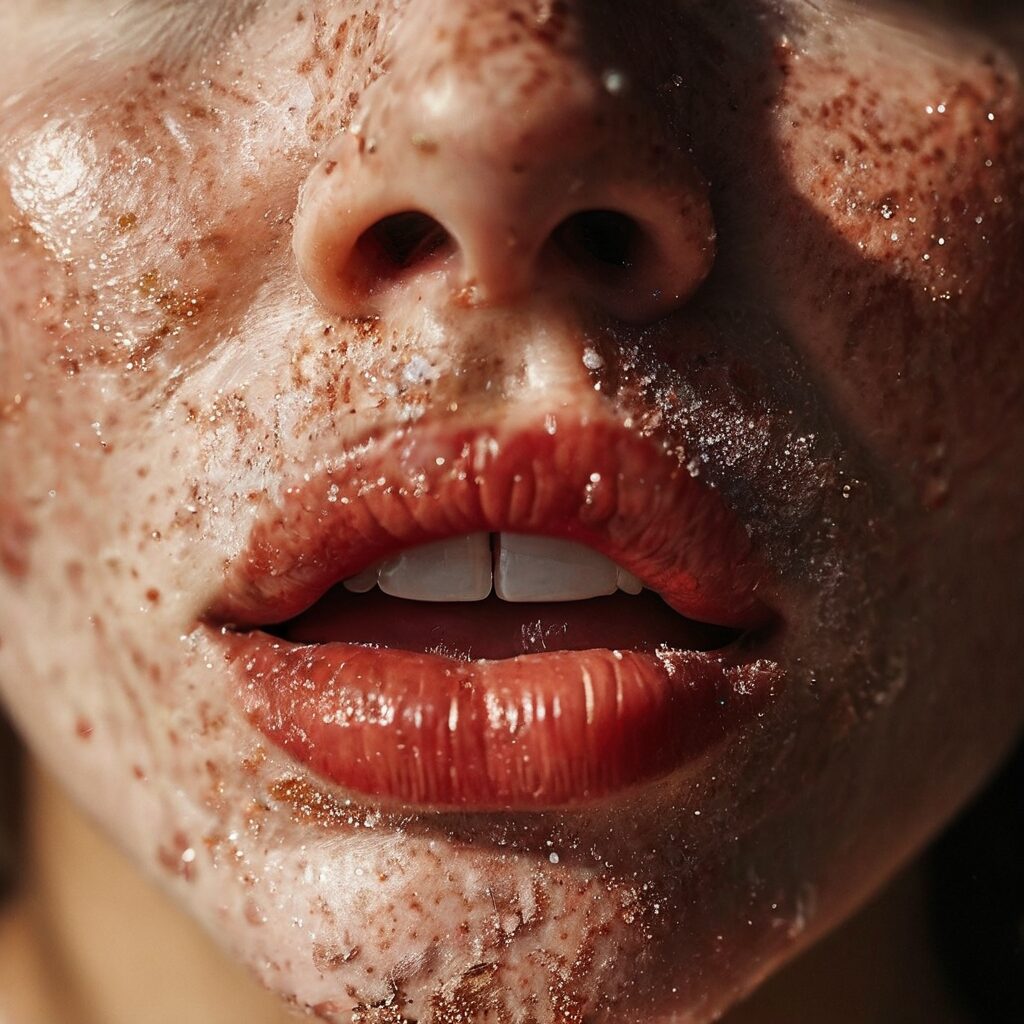
Chapped lips are a common issue, especially during the colder months. Exfoliating your lips can help remove dead skin and reveal smoother, healthier lips. This guide will take you through the steps and best practices for exfoliating chapped lips effectively.
Why Exfoliate Chapped Lips?
Exfoliating chapped lips helps to remove the flaky, dead skin that can build up and prevent your lips from looking and feeling their best. By exfoliating, you encourage the growth of new, healthy skin cells, which can help your lips to look smoother and feel more comfortable.
Best Practices for Lip Exfoliation
To exfoliate your lips safely and effectively, follow these best practices:
- Choose the Right Exfoliant: Use a gentle lip scrub or create your own with natural ingredients like sugar and honey.
- Frequency: Exfoliate your lips no more than twice a week to avoid irritation.
- Be Gentle: Use gentle, circular motions to exfoliate and avoid scrubbing too hard.
- Moisturize: Always follow up with a hydrating lip balm to lock in moisture.
DIY Lip Scrub Recipes
If you prefer natural products, here are a few DIY lip scrub recipes:
- Sugar and Honey Scrub: Mix one tablespoon of sugar with one teaspoon of honey. Apply to your lips and gently massage in circular motions.
- Coconut Oil and Brown Sugar Scrub: Combine equal parts coconut oil and brown sugar. Massage onto your lips and rinse off with warm water.
- Baking Soda and Water Scrub: Mix a small amount of baking soda with water to create a paste. Apply to your lips and gently scrub before rinsing.
Steps to Exfoliate Chapped Lips
Follow these steps to exfoliate your chapped lips:
- Prep Your Lips: Make sure your lips are clean and slightly damp.
- Apply the Scrub: Use your chosen lip scrub and apply it to your lips.
- Massage: Gently massage the scrub in circular motions for about one minute.
- Rinse: Rinse off the scrub with warm water.
- Moisturize: Apply a hydrating lip balm immediately after rinsing.
When to Avoid Lip Exfoliation
While exfoliating can be beneficial, there are times when you should avoid it:
- If your lips are severely chapped or bleeding, avoid exfoliating until they have healed.
- If you have any open sores or infections on your lips, wait until they have cleared up.
- If you experience any irritation or discomfort during or after exfoliation, discontinue the practice.
Additional Tips for Healthy Lips
In addition to exfoliating, keep your lips healthy with these tips:
- Stay Hydrated: Drink plenty of water to keep your lips and skin hydrated.
- Use SPF: Protect your lips from the sun by using a lip balm with SPF.
- Avoid Licking Your Lips: Licking your lips can cause them to become even more chapped.
- Choose the Right Lip Products: Use lip products that contain nourishing ingredients like shea butter, coconut oil, and vitamin E.
The Science of Lip Barrier Function and Transepidermal Water Loss
Understanding why lips chap requires a look at their unique anatomy. Unlike the skin on the rest of your body, the lips lack sebaceous glands, which produce the natural oils that keep skin waterproof and hydrated. Furthermore, the stratum corneum—the outermost layer of the skin—is significantly thinner on the lips than on the cheeks or forehead. This makes them highly susceptible to transepidermal water loss (TEWL). When you exfoliate, you are essentially removing the protective, albeit damaged, barrier. If you over-exfoliate, you compromise the lipid matrix that holds skin cells together, leading to increased sensitivity, redness, and a cycle of chronic dryness. Always view exfoliation as a way to clear the path for moisture, rather than a way to “fix” the skin itself.
Choosing the Right Exfoliant Texture: Sugar vs. Chemical Options
While physical scrubs are popular, they are not the only way to achieve smoothness. Physical exfoliants, like granulated sugars, work through mechanical friction. However, the size of the grain matters; coarse turbinado sugar can cause micro-tears in the delicate lip tissue. If you prefer physical methods, opt for superfine caster sugar or finely ground jojoba beads, which are uniform in shape and less likely to cause jagged scratches. Alternatively, consider gentle chemical exfoliation. Products containing low-percentage lactic acid or fruit enzymes (like papaya or pineapple) can dissolve the protein bonds holding dead cells together. These are often safer for those with chronically sensitive lips because they do not require the abrasive rubbing that can lead to inflammation.
The Role of Humectants and Occlusives Post-Exfoliation
Exfoliation is only half the battle; the success of the process depends entirely on what you apply afterward. After removing dead skin, your lips are in a “thirsty” state. You must apply a two-step post-care routine. First, use a humectant-based product—look for ingredients like hyaluronic acid, glycerin, or honey—to draw moisture into the newly exposed cells. Second, follow up with an occlusive agent to seal that moisture in. Ingredients like petrolatum, lanolin, or beeswax create a physical barrier that prevents the moisture you just added from evaporating into the air. If you skip the occlusive layer, your lips will likely feel tighter and drier ten minutes after exfoliating than they did before you started.
Advanced DIY Customization for Specific Lip Issues
You can tailor your DIY scrubs to address specific underlying causes of chapping. If your chapping is caused by environmental pollution or oxidative stress, add a few drops of Vitamin E oil or a small amount of antioxidant-rich matcha powder to your sugar-honey base. For lips that are prone to inflammation or “puffy” chapping, incorporating a tiny amount of colloidal oatmeal can provide a soothing, anti-inflammatory effect. For those who find their lips are constantly peeling, adding a drop of squalane oil mimics the skin’s natural sebum, providing a more “bio-identical” hydration boost that penetrates deeper than traditional heavy oils like coconut, which can sometimes sit on the surface and cause pore clogging around the lip line.
Identifying Hidden Irritants in Your Daily Routine
If you find that your lips remain chapped despite consistent exfoliation and moisturizing, the culprit might be your daily products. Many “medicated” lip balms contain ingredients that provide a cooling sensation, such as menthol, camphor, or eucalyptus. While these feel refreshing, they are actually mild irritants that can cause the skin to swell and eventually dry out further. Similarly, flavored balms often contain fragrance or artificial dyes that can trigger contact dermatitis on the sensitive vermilion border. If you are struggling with persistent chapping, perform a “cleanse” for seven days: stop using all flavored or medicated products and switch to a simple, fragrance-free occlusive like pure white petrolatum to see if your baseline hydration improves.
Strategic Timing: The Nighttime Recovery Protocol
The best time to exfoliate is not during your morning rush, but as part of your evening skincare routine. During sleep, your body enters a repair mode, and your skin’s permeability increases. By exfoliating gently before bed, you allow your lips to recover overnight without exposure to wind, cold air, or the friction of eating and talking. Apply a “lip mask”—a thicker layer of your chosen occlusive—immediately after your evening scrub. This creates a “slugging” effect for the lips, trapping moisture and allowing the active ingredients in your balm to work without interruption for eight hours. You will wake up to significantly softer skin, reducing the need for aggressive scrubbing in the future.
FAQ
How often should I exfoliate my lips?
You should exfoliate your lips no more than twice a week to avoid irritation and over-exfoliation.
Can I use a toothbrush to exfoliate my lips?
Yes, you can use a soft-bristled toothbrush to gently exfoliate your lips by moving it in circular motions.
What should I do if my lips are still chapped after exfoliating?
If your lips remain chapped after exfoliating, ensure you are moisturizing regularly and drinking plenty of water. Consider consulting a dermatologist if the problem persists.
Are there any ingredients I should avoid in lip scrubs?
Avoid using harsh ingredients like large salt crystals or strong acids that can irritate the delicate skin on your lips.
Is it safe to exfoliate my lips if I have cold sores?
No, you should avoid exfoliating your lips if you have cold sores or any other infections until they have healed completely.
Related posts:
 The Sweet Science: Why Honey in Your Coffee Is a Game-Changer
 The Tinted Lip Balm Trend Taking Over Beauty
 Professional Tricks to Make Your Lipstick Last All Day
 How to Make Lip Stains Work Under Masks
 Best Scalp Scrubs Review
 How to Take Care of Chapped Lips
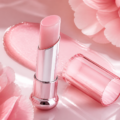 Buxom Power-Full Plump Lip Balm
 Proper Use of Exfoliating Mitts