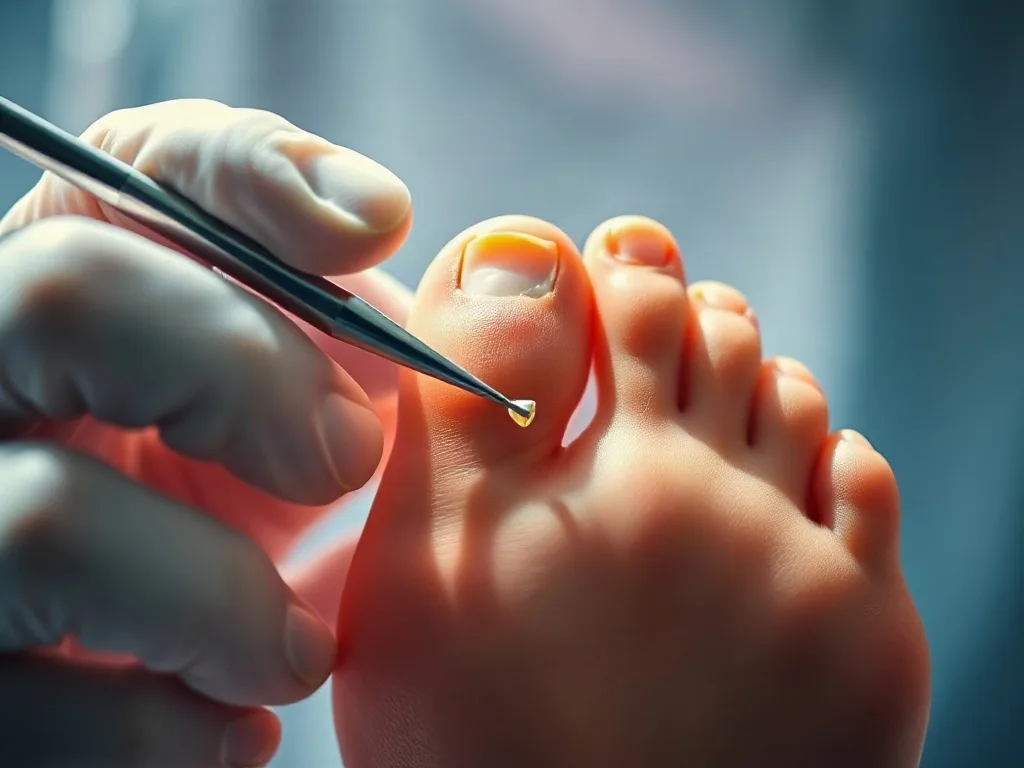
An ingrown toenail, or onychocryptosis, occurs when the corner or side of a toenail grows into the soft flesh of the toe. While often starting as a minor annoyance, if left unmanaged, it can lead to significant discomfort, swelling, and infection. Knowing how to address this issue early with professional-grade home care techniques can save you from painful podiatrist visits and prolonged mobility issues.
Key takeaways
- Trim nails straight across without rounding corners to prevent the nail from growing into the surrounding skin.
- Soak the affected foot in warm water with Epsom salts for 15-20 minutes three times daily to reduce inflammation.
- Avoid tight-fitting footwear and choose shoes with a wide-toe box to eliminate pressure during the healing process.
- Seek professional medical help if you have diabetes, poor circulation, or signs of a spreading infection like red streaks.
Understanding the Anatomy of an Ingrown Toenail
To treat the condition effectively, you must understand why it happens. An ingrown toenail typically occurs due to improper trimming, such as cutting the nail too short or rounding the corners, which encourages the nail to pierce the skin. Other contributing factors include wearing tight-fitting footwear, repetitive trauma to the toe, or genetic predisposition regarding nail curvature. When the nail plate exerts pressure on the periungual skin, the skin responds with inflammation. If bacteria enter the break in the skin, the area becomes red, warm, and potentially pus-filled.
The Importance of Proper Foot Hygiene
Before attempting any intervention, you must prioritize hygiene to prevent secondary infection. Start by thoroughly washing your feet with warm water and an unscented, antibacterial soap. Pat the feet dry with a clean, dedicated towel, ensuring you reach between the toes. Avoid soaking your feet in harsh chemicals or untested home remedies, as these can irritate already compromised tissue. Cleanliness is the foundation of any successful podiatric home care routine.
The Warm Water Soak Technique
The most effective way to soften the nail and the surrounding skin is a consistent warm water soak. Fill a basin with warm (not scalding) water and add two tablespoons of Epsom salts. Epsom salts are magnesium sulfate, which can help draw out localized inflammation. Soak the affected foot for 15 to 20 minutes, three times daily. This process softens the keratin of the nail and makes the skin more pliable, reducing the mechanical pressure the nail exerts on the toe. After soaking, gently dry the foot completely.
Safe Trimming and Shaping Strategies
Many ingrown toenails are caused by “bathroom surgery” gone wrong. If you are attempting to trim the nail, use high-quality, sanitized stainless steel toenail clippers. Never use scissors or kitchen knives. The goal is to trim the nail straight across. Do not round the corners; rounding encourages the nail to grow into the soft tissue. If the nail is too thick or painful to trim, use a glass nail file to gently thin the edge of the nail that is pressing against the skin. This reduces the rigidity of the nail plate, allowing it to move away from the tissue with less resistance.
The Cotton Wisp Method
Once the nail has been softened through soaking, you can attempt to gently lift the edge of the nail away from the skin. Use a sterile, thin wisp of cotton or a small piece of dental floss to place underneath the corner of the ingrown nail. This creates a physical barrier that encourages the nail to grow over the skin rather than into it. Change this cotton wisp daily after your soak. If you feel sharp, shooting pain while placing the cotton, stop immediately. Never force the nail, as this can cause further trauma and increase the risk of infection.
Choosing the Right Footwear
Your footwear choices directly influence the trajectory of an ingrown toenail. During the healing phase, avoid narrow-toed dress shoes, high heels, or tight athletic sneakers. These shoes compress the toes, forcing the nail deeper into the skin. Opt for wide-toe-box shoes or, if possible, open-toed sandals to eliminate pressure entirely. By removing the external force, you allow the body’s natural inflammatory response to subside, giving the skin a chance to heal around the nail plate.
When to Seek Professional Intervention
Home care is only suitable for mild cases. You must see a podiatrist if you notice signs of a spreading infection, such as red streaks radiating from the toe, fever, or excessive pus. If you have diabetes, peripheral neuropathy, or poor circulation, never attempt to treat an ingrown toenail at home. These conditions can mask the severity of an infection and lead to serious complications. A professional can perform a partial nail avulsion, a minor procedure that permanently removes the offending section of the nail, providing immediate and lasting relief.
Preventative Maintenance for Healthy Nails
Prevention is the best cure for ingrown toenails. Maintain a regular grooming schedule where you trim your nails straight across every two to three weeks. If you are prone to ingrown nails, consider seeing a podiatrist for regular professional pedicures. Ensure your shoes fit correctly, leaving at least a half-inch of space between your longest toe and the front of the shoe. By maintaining healthy nail habits and addressing discomfort at the first sign of pressure, you can prevent the cycle of ingrown toenails from recurring.
Managing Granulation Tissue and Hypertrophic Skin
In cases where an ingrown toenail has persisted for an extended period, the body often attempts to repair the constant irritation by creating granulation tissue. This appears as a fleshy, reddish, or pinkish bump protruding from the nail fold. Because this tissue is highly vascularized, it bleeds easily and can become a breeding ground for bacteria, turning a simple mechanical issue into a chronic inflammatory condition. To manage this at home, focus on keeping the area dry after your soaks. Using a small amount of an astringent like witch hazel can help shrink this tissue slightly, but avoid aggressive scrubbing. If the tissue begins to bleed or secretes opaque fluid, it is a clear indicator that the body is fighting a localized infection that may require prescription-strength topical steroids or silver nitrate treatments provided by a podiatrist to cauterize the excess growth.
The Role of Biomechanics and Gait Correction
Sometimes, the cause of an ingrown toenail is not just the shoe or the nail trim, but the way you walk. If you have a pronated gait—where your foot rolls inward during the stride—your big toe often bears excessive force. This constant pressure can drive the nail plate into the lateral fold with every step you take. Consider evaluating your gait by checking the wear pattern on the soles of your shoes; uneven wear on the inside of the heel or ball of the foot suggests a structural issue. Incorporating orthotic insoles that provide arch support can help redistribute this pressure, taking the weight off the affected toe during your daily activities. Even simple over-the-counter arch supports can reduce the inward “caving” of the foot, providing the nail bed the necessary respite to recover without constant mechanical impingement.
Selecting Appropriate Topical Adjuncts
While soaking is crucial, the choice of topical support can accelerate the healing of the surrounding skin. After drying the foot, consider applying a thin layer of povidone-iodine or a medical-grade honey ointment. Medical-grade honey has natural osmotic properties that help draw out fluid from the inflamed tissue while creating an environment unfavorable to bacterial growth. Avoid thick, greasy ointments that can trap moisture against the skin, as maceration—the softening and breaking down of skin due to constant wetness—can worsen an ingrown nail. Instead, look for breathable, non-occlusive barriers that protect the skin from friction while allowing the tissue to breathe. Always ensure that any product applied is used sparingly; a “less is more” approach prevents the buildup of residue that could harbor debris.
Nail Bracing: A Non-Invasive Alternative
For those who struggle with recurrent ingrown nails due to the natural curvature of their nail plate, nail bracing offers a sophisticated solution. Similar to an orthodontic brace for teeth, a nail brace is a small, tensioned strip of shape-memory alloy or composite material applied across the top of the nail. As the material attempts to return to its original flat shape, it gently pulls the edges of the nail upward, effectively “un-curling” the nail from the soft tissue. While professional application is ideal, there are consumer-grade kits available. The key is proper surface preparation; the nail plate must be cleaned with isopropyl alcohol to ensure the adhesive bond holds. This method provides constant, low-level pressure that gradually corrects the nail trajectory over several weeks, providing a long-term solution rather than a temporary fix.
Addressing Nail Fungal Co-infections
It is not uncommon for an ingrown toenail to be complicated by onychomycosis, or nail fungus. A fungal infection makes the nail plate brittle, thickened, and prone to jagged edges that easily pierce the skin. If your nail is discolored, chalky, or unusually thick, treating the ingrown aspect alone will not resolve the underlying issue. You must address the fungal load to soften the nail plate. Use an antifungal lacquer or solution as directed, but be patient; nail fungus clears slowly. If you suspect a fungal component, avoid using the same clippers on the infected nail as you do on your healthy nails to prevent cross-contamination. Sterilize your tools by soaking them in a 70% alcohol solution or boiling them for at least 10 minutes between uses to maintain a hygienic grooming environment.
The Impact of Nutritional Support on Nail Health
The strength and flexibility of your nails are intrinsically linked to your systemic health. Deficiencies in biotin, zinc, or essential fatty acids can result in nails that are overly brittle or prone to splitting, which increases the likelihood of jagged edges developing. Ensure your diet includes adequate protein, as keratin is a protein-based structure. Hydration also plays a significant role; well-hydrated nails are more flexible and less likely to crack under the pressure of tight footwear. While supplements should not be viewed as a “quick fix” for a currently ingrown nail, optimizing your nutrient intake serves as a preventative measure, ensuring that as your nail grows out, it maintains a healthy, flexible structure that is less likely to dig into the surrounding tissue.
Monitoring for Complications in High-Risk Groups
For individuals managing chronic conditions like diabetes, peripheral vascular disease, or those on immunosuppressant medications, the threshold for home intervention must be significantly lower. In these populations, the body’s ability to detect and fight early-stage infection is impaired, often leading to “silent” complications where necrosis or deep-seated abscesses form without the typical warning signs of intense pain or redness. If you fall into these categories, even a minor nick or slight irritation should be evaluated by a podiatrist immediately. Utilizing a monofilament test or checking for sensory changes in the toes is a practical way to monitor for neuropathy; if you cannot feel the pressure of your nail digging into the skin, you are at a much higher risk for ulceration. Never attempt to use chemical agents or abrasive tools on your own feet if you have compromised circulation or sensation, as the potential for unhealed wounds is high.
Frequently Asked Questions
Can I use antiseptic creams on an ingrown toenail? Yes, applying a thin layer of over-the-counter antibiotic ointment after your daily soak can help prevent surface bacteria from colonizing the irritated skin. However, it will not fix the mechanical issue of the nail growing into the skin.
How long does it take for an ingrown toenail to heal? A mild case generally shows significant improvement within one to two weeks of consistent soaking and pressure relief. If the pain persists beyond two weeks, it is time to consult a medical professional.
Should I cut a ‘V’ shape into the nail to stop it from growing in? No, this is a common myth. Cutting a ‘V’ shape into the center of the nail does not change the direction of growth and can actually weaken the nail structure, potentially leading to breakage and further complications.
Is it safe to perform surgery on myself? You should never attempt to perform surgery, cut deeply into the skin, or remove large portions of the nail plate yourself. These actions carry a high risk of infection and permanent damage to the nail bed.
How do I know if the infection is spreading? If you notice the redness spreading to the rest of the foot, experience chills or a fever, or observe significant swelling that makes it difficult to move the toe, seek immediate medical attention, as these are signs of a systemic or spreading infection.
Related posts:
 Spring Fling Fingers: The Nail Colors That Scream New Season Energy
 The Avocado Oil Nail File That’s Changing Everything
 How to Properly Clip Your Toenails, According to Podiatrists
 Deborah Lippmann’s Cure: Jennifer Garner’s Secret
 Mindful Manicures: How to Finally Stop Biting Your Nails for Good
 Clean Manicure Essentials
 Stretches to Relieve Foot Pain
 Ten Out of Ten: The Clean Nail Polish Brand That’s Worth the Splurge