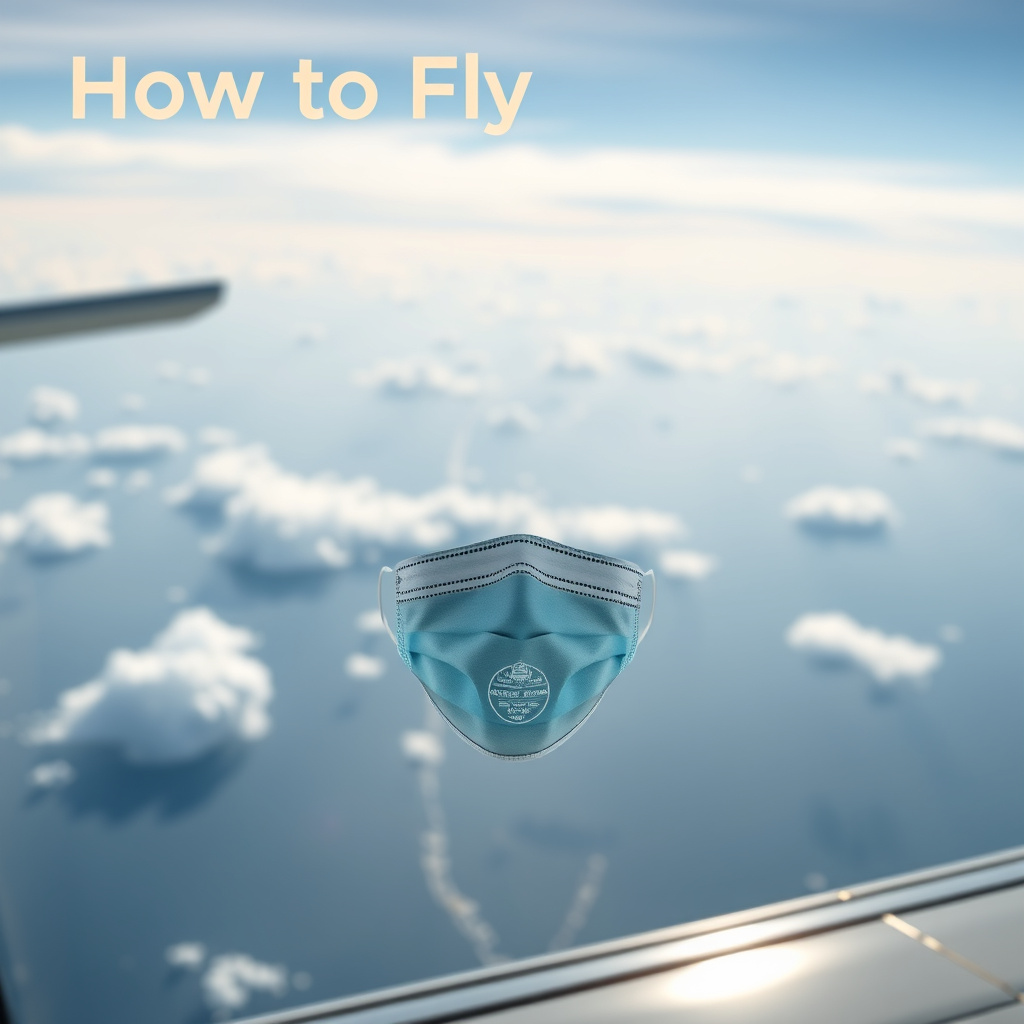
Air travel has changed significantly over the past few years, and one of the most noticeable shifts has been the lifting of mask mandates on many airlines and in airports. While this change has brought relief to some travelers, it has also raised concerns for others—especially those who are immunocompromised, traveling with young children, or simply cautious about health risks. Flying safely after the lifted mask mandate requires a mix of preparation, awareness, and smart decision-making.
This guide covers everything you need to know to protect your health and peace of mind while traveling by air in a post-mandate world. Whether you’re a frequent flyer or planning your first trip in a while, these tips will help you navigate the skies with confidence.
Understand the Current Airline and Airport Policies
Before booking your flight, take time to research the latest policies for your airline and the airports you’ll be using. While mask mandates have been largely lifted in the U.S. and many other countries, some airlines or destinations may still require them in certain situations, such as during high-risk periods or on international flights to countries with stricter rules.
Check the official websites of your airline and departure/arrival airports for updates. Policies can change quickly, so it’s wise to verify this information within 24–48 hours of your departure. If you’re traveling internationally, also review the entry requirements for your destination, as some countries may still enforce mask-wearing in airports or on public transportation.
For example, as of 2024, some Asian countries may still recommend or require masks in crowded indoor spaces, including airports. Being informed helps you pack appropriately and avoid last-minute surprises.
Assess Your Personal Health Risks
Not everyone faces the same level of risk when flying without a mask mandate. If you or someone in your travel group has a weakened immune system, chronic respiratory conditions, or other health concerns, it’s important to take extra precautions. Consulting with a healthcare provider before your trip can provide personalized advice based on your medical history.
Those at higher risk might include:
- People undergoing chemotherapy or with autoimmune disorders
- Individuals with asthma, COPD, or other lung conditions
- Pregnant women or those with young infants
- Elderly travelers or those with multiple comorbidities
If you fall into one of these categories, wearing a high-quality mask—such as an N95, KN95, or KF94—can significantly reduce your exposure to airborne particles. Even if masks aren’t required, they remain one of the most effective tools for personal protection.
Choose the Right Mask for Maximum Protection
Not all masks are created equal. If you decide to wear one for added safety, opt for a mask that offers a high level of filtration. Cloth masks, while better than nothing, provide minimal protection compared to medical-grade options. The CDC and other health organizations recommend respirators like N95s, which filter at least 95% of airborne particles when fitted properly.
Here’s a quick comparison of mask types:
- N95: Offers the highest level of protection when properly fitted. Look for versions with a metal nose piece and adjustable straps for a secure seal.
- KN95/KF94: Similar to N95s but may have slight differences in fit and certification standards. These are widely available and effective for most travelers.
- Surgical masks: Provide moderate protection but are less effective than respirators. They’re a good option if respirators are unavailable or uncomfortable for long wear.
- Cloth masks: Offer the least protection but can be layered over surgical masks for improved filtration.
Proper fit is just as important as the type of mask. Ensure your mask covers your nose, mouth, and chin without gaps. Avoid masks with valves, as these do not protect others around you.
Optimize Your Seat Selection for Safety
Where you sit on the plane can influence your exposure to germs. Studies have shown that airflow on airplanes is generally well-filtered, with HEPA filters capturing most airborne particles. However, proximity to other passengers still plays a role in transmission risk.
If minimizing contact is a priority, consider the following when selecting your seat:
- Window seats: These tend to have the least passenger movement around them, reducing close contact with others. A study published in Proceedings of the National Academy of Sciences found that window seats had the lowest risk of exposure to airborne particles.
- Aisle seats: While convenient for bathroom access, these seats involve more interaction with other passengers as they move through the cabin.
- Middle seats: These are often the least desirable for social distancing, as you’re sandwiched between two other travelers.
- Front of the plane: Sitting near the front may reduce the number of people walking past you, as many passengers tend to congregate toward the back for restrooms.
Some airlines allow you to pay for seat selection, while others may offer it for free during check-in. If safety is a concern, it’s worth investing in a seat that aligns with your comfort level.
Time Your Travel Strategically
The timing of your flight can also impact your exposure to crowds and potential pathogens. Airlines and airports are busiest during peak travel times, such as holidays, weekends, and early mornings or late afternoons on weekdays. If possible, opt for off-peak flights when airports and planes are less crowded.
Here are some tips for timing your travel:
- Book red-eye or early morning flights: These tend to be less crowded, as many travelers prefer daytime departures.
- Avoid holiday weekends: Airports are notoriously packed during holidays like Thanksgiving, Christmas, and spring break. If you must travel during these times, arrive extra early to avoid stress.
- Choose mid-week flights: Tuesdays and Wednesdays are often the least busy days for air travel.
- Consider longer layovers: If you have a connecting flight, a longer layover can reduce the rush and stress of navigating crowded terminals.
Additionally, arriving at the airport with plenty of time to spare can help you avoid last-minute crowds at security checkpoints and boarding gates.
Practice Good Hygiene Beyond Masking
While masks are a critical tool for reducing airborne transmission, they’re not the only line of defense. Practicing good hygiene can further lower your risk of picking up or spreading illnesses during your journey.
Here’s how to stay clean and safe:
- Hand hygiene: Wash your hands frequently with soap and water for at least 20 seconds, especially after touching surfaces like tray tables, armrests, or door handles. If soap and water aren’t available, use a hand sanitizer with at least 60% alcohol.
- Avoid touching your face: Your eyes, nose, and mouth are entry points for germs. Be mindful of this habit, especially in crowded areas.
- Disinfect your space: Bring disinfecting wipes to clean your seat area, including the tray table, armrests, and seatbelt buckle. Airlines clean planes between flights, but an extra wipe-down can give you peace of mind.
- Use a personal air purifier: Some travelers bring portable air purifiers or wear a mask with a built-in filter for added protection. While these aren’t substitutes for a high-quality mask, they can provide an extra layer of defense.
- Stay hydrated: Drinking water helps keep your mucous membranes moist, which can improve your body’s ability to trap and expel germs. Bring an empty water bottle to fill after passing through security.
It’s also a good idea to avoid sharing food, drinks, or personal items with other passengers.
Prepare for Potential Exposure Scenarios
Even with precautions, there’s always a chance of exposure to illness during travel. Being prepared can help you respond quickly and effectively if you or someone in your group starts feeling unwell.
Consider the following steps:
- Pack a travel health kit: Include items like a thermometer, over-the-counter medications (e.g., pain relievers, decongestants), rapid COVID-19 tests, and any prescription medications you may need. Having these on hand can save you a last-minute trip to a pharmacy.
- Know the symptoms to watch for: Familiarize yourself with the symptoms of common travel-related illnesses, such as COVID-19, the flu, or colds. If you start feeling sick during or after your flight, take action promptly.
- Have a plan for isolation: If you test positive for an infectious illness while traveling, know your options for isolating. Some hotels offer quarantine packages, or you may need to extend your stay until you’re no longer contagious.
- Check your travel insurance: Ensure your policy covers medical emergencies, including trip interruptions or cancellations due to illness. Some credit cards also offer travel protection benefits.
- Notify close contacts: If you test positive after traveling, inform anyone you were in close contact with during your trip so they can take precautions.
Being proactive can help you feel more in control and reduce the stress of dealing with an unexpected health issue while away from home.
Navigate Airport Crowds with Confidence
Airports are often the most crowded and chaotic part of the travel experience. From check-in counters to security lines and boarding gates, you’ll encounter numerous people in close quarters. Here’s how to minimize risk during these high-traffic moments:
- Wear your mask in crowded areas: Even if masks aren’t required, wearing one in busy terminals, security lines, or boarding areas can reduce your exposure to germs.
- Use self-service options: Check in online, use mobile boarding passes, and opt for self-service kiosks to minimize interactions with others.
- Keep your distance: Whenever possible, maintain physical distance from others, especially if they appear to be coughing or sneezing.
- Avoid unnecessary lingering: Once you’ve cleared security, head straight to your gate to avoid spending extra time in crowded areas.
- Use airport lounges wisely: If you have access to an airline lounge, these spaces are often less crowded than the main terminal. However, be mindful of shared surfaces and maintain good hygiene.
Some airports have also implemented additional safety measures, such as enhanced cleaning protocols or air filtration systems. Familiarize yourself with these features to make the most of them during your visit.
Stay Informed and Flexible
Travel policies and health guidelines can change rapidly, so it’s important to stay informed and adaptable. Sign up for alerts from your airline, monitor updates from health organizations like the CDC or WHO, and follow travel advisories from your government.
Flexibility is key when it comes to travel in a post-pandemic world. If you’re feeling unwell before your trip, consider postponing your travel plans to avoid spreading illness to others. Many airlines have relaxed their change and cancellation policies, making it easier to adjust your plans without incurring hefty fees.
Additionally, technology can be a valuable tool for staying safe. Use apps to:
- Track real-time airport crowds (e.g., MyTSA or FlightAware)
- Monitor your flight status and gate changes
- Access digital boarding passes and travel documents
- Receive alerts about policy changes or health advisories
By staying informed and flexible, you can make smarter decisions and reduce the stress of unexpected changes.
Leverage Airplane Cabin Air Filtration to Your Advantage
Modern commercial airplanes are equipped with High-Efficiency Particulate Air (HEPA) filters, which are the same type used in hospital operating rooms. These filters capture 99.97% of particles as small as 0.3 microns, including viruses, bacteria, and other airborne contaminants. Understanding how cabin air circulation works can help you make informed decisions about your in-flight safety.
Most airplanes use a top-down airflow system, where air enters the cabin from overhead vents, circulates downward, and exits through floor-level grilles. This design minimizes horizontal airflow between passengers, reducing the risk of direct transmission. However, the effectiveness of this system depends on several factors:
- Air exchange rate: Cabin air is typically completely replaced every 2–3 minutes, which is far more frequent than in most buildings. This rapid turnover helps dilute and remove airborne particles quickly.
- Filter efficiency: HEPA filters are highly effective, but their performance can degrade over time if not maintained. Reputable airlines follow strict maintenance schedules to ensure filters are replaced as needed.
- Ventilation in older aircraft: Some older planes may not have HEPA filters. If you’re flying on a regional carrier or an older model, check with the airline about their filtration systems. For example, many Boeing 717s and some Embraer regional jets do not have HEPA filtration.
- Ground ventilation: When the plane is on the ground with engines off, the airflow system may rely on auxiliary power units (APUs) or ground-based air conditioning, which may not use HEPA filtration. During boarding and deplaning, ventilation can be less effective, increasing exposure risk in crowded conditions.
To maximize the benefits of cabin air filtration:
- Adjust your air vent: Point the overhead vent directly at your face to create a personal airflow barrier. This can help deflect airborne particles away from your breathing zone. Some travelers even bring portable fan attachments to enhance this effect.
- Avoid the galley and lavatory areas: These spaces often have lower airflow compared to the main cabin. If you must visit the lavatory, do so quickly and minimize time spent there.
- Board early or late: Boarding early allows you to settle in before the cabin becomes crowded, while boarding late reduces your time in close quarters with other passengers. Some airlines offer priority boarding for families or elite status members, which can help.
If you’re particularly concerned about air quality, consider flying on airlines known for their advanced filtration systems. For example, Delta, United, and Lufthansa have publicly highlighted their use of HEPA filters and enhanced cleaning protocols. Some airlines, like Qatar Airways, have even introduced UV-C light cleaning robots to disinfect cabins between flights.
Manage Stress and Anxiety About Flying Without Mandates
For many travelers, the lifting of mask mandates has introduced new anxiety about flying. Whether you’re worried about your own health, the health of loved ones, or simply the unpredictability of other passengers’ behavior, these feelings are valid. Addressing them proactively can make your travel experience smoother and more enjoyable.
Identify your triggers: Are you most concerned about close contact with unmasked passengers, the lack of control over others’ behavior, or the potential for last-minute policy changes? Pinpointing your specific worries can help you develop targeted coping strategies.
Practical strategies to reduce anxiety:
- Visualization and breathing exercises: Before and during your flight, practice deep breathing techniques (e.g., the 4-7-8 method: inhale for 4 seconds, hold for 7, exhale for 8) to calm your nervous system. Visualizing a peaceful place or a successful trip can also help.
- Noise-canceling headphones: These can create a sensory barrier, reducing the stress of crowded or noisy environments. Pair them with calming music, white noise, or a guided meditation app like Calm or Headspace.
- Grounding techniques: If you feel overwhelmed, use the 5-4-3-2-1 method: Name 5 things you can see, 4 things you can touch, 3 things you can hear, 2 things you can smell, and 1 thing you can taste. This can help bring you back to the present moment.
- Therapy or counseling: If travel anxiety is significantly impacting your life, consider speaking with a therapist who specializes in travel-related stress. Cognitive Behavioral Therapy (CBT) has been shown to be effective for managing anxiety disorders.
Control what you can: Focus on the aspects of your trip that are within your control, such as:
- Choosing a less crowded flight or seat.
- Packing your own sanitizing supplies and PPE.
- Planning your route through the airport to minimize exposure (e.g., using less crowded terminals or security lines).
- Having a backup plan in case of unexpected changes, such as a delayed flight or a sudden policy shift.
If you’re traveling with children who may feel anxious, prepare them in advance by explaining what to expect and involving them in the planning process. Bring comfort items like a favorite stuffed animal, tablet, or snack to keep them occupied and calm.
Finally, remind yourself that air travel remains one of the safest modes of transportation in terms of accident risk. While health concerns are valid, the statistical likelihood of contracting a severe illness on a flight is relatively low, especially with precautions in place.
Handle In-Flight Conflicts or Unmasked Passengers Diplomatically
One of the most stressful scenarios for health-conscious travelers is encountering unmasked passengers in close proximity or even hostile reactions to your own mask-wearing. While you can’t control others’ behavior, you can prepare for these situations to minimize conflict and protect your well-being.
Assess the situation: Not all unmasked passengers are a cause for concern. For example:
- If a passenger is eating or drinking, they are temporarily allowed to remove their mask. Most airlines permit this for short periods.
- If a passenger is sleeping, they may have removed their mask unintentionally. A gentle reminder (e.g., “Excuse me, I think you dropped your mask”) might suffice.
- If a passenger is actively coughing or sneezing without covering their mouth, this is a higher-risk scenario that may require intervention.
Non-confrontational approaches:
- Move seats if possible: If there’s an open seat elsewhere on the plane, politely ask a flight attendant if you can relocate. Frame it as a personal preference: “I’d feel more comfortable moving to a window seat if one is available.”
- Use body language: If you’re uncomfortable with an unmasked seatmate, you might subtly adjust your mask, shift in your seat, or place a barrier (like a scarf or jacket) between you to signal your preference without words.
- Request flight attendant assistance: If someone is being disruptive or aggressive, involve a flight attendant. They are trained to handle conflicts and can enforce airline policies if necessary. Avoid engaging directly with the passenger, as this can escalate tensions.
If you’re confronted about wearing a mask: Some travelers have reported verbal harassment or dirty looks for continuing to mask up. If this happens to you:
- Stay calm and confident: Respond with a simple, non-defensive statement like, “I’m just being cautious for my health.” You don’t owe anyone an explanation.
- Avoid debates: Engaging in arguments about masks, politics, or health can quickly spiral. It’s better to disengage and focus on your own comfort.
- Document incidents: If the behavior crosses into harassment or discrimination, consider reporting it to the airline after your flight. Most carriers have customer relations teams that take these matters seriously.
Legal and policy considerations:
- In the U.S., the FAA has a zero-tolerance policy for disruptive behavior, including refusing to comply with crew instructions or harassing other passengers. Such behavior can result in fines or criminal charges.
- Internationally, aviation authorities (e.g., EASA in Europe, CAAC in China) have similar policies. Always follow the crew’s instructions, as they have the authority to enforce safety rules.
- If you’re traveling with a medical condition that requires masking, some airlines may allow you to pre-board or request accommodations. Check with your airline in advance.
Remember, your safety and comfort are priorities. While it’s important to be kind and understanding, you’re also entitled to protect your health without apology.
Optimize Your Pre-Flight and Post-Flight Health Routine
Your safety efforts shouldn’t start at the airport or end when you deplane. A comprehensive pre-flight and post-flight health routine can further reduce your risk of illness and help you recover more quickly from the stresses of travel.
Pre-flight preparation (1–2 weeks before travel):
- Boost your immune system:
- Vitamin D: Studies suggest that optimal vitamin D levels may support immune function. Consider getting a blood test to check your levels and supplement if necessary.
- Zinc and Vitamin C: While not a magic bullet, these nutrients play a role in immune health. Foods like citrus fruits, nuts, and leafy greens are rich in these vitamins.
- Probiotics: Gut health is closely linked to immunity. Incorporate fermented foods (yogurt, kimchi, sauerkraut) or a probiotic supplement into your routine.
- Stay hydrated: Dehydration can weaken your immune response and make you more susceptible to illness. Start increasing your water intake 3–4 days before your flight.
- Avoid alcohol and caffeine: Both are dehydrating and can impair your body’s ability to fight off infections. Limit these substances in the days leading up to your trip.
- Get enough sleep: Sleep deprivation lowers immune function. Aim for 7–9 hours per night in the week before your flight. If you struggle with sleep, try melatonin or magnesium supplements (consult your doctor first).
- Consider a pre-flight COVID-19 test: If you’re traveling to visit vulnerable individuals or attending a high-risk event, taking a rapid antigen test 24–48 hours before departure can provide peace of mind. Some destinations or airlines may still require a negative test for entry.
Pre-flight day-of routines:
- Shower and change clothes: Before heading to the airport, take a shower and put on clean, comfortable clothes. This reduces the chance of bringing germs from your home or public spaces into the cabin.
- Use a saline nasal spray: Dry nasal passages can make you more susceptible to infections. Using a saline spray or nasal irrigation (e.g., a Neti pot) before your flight can help keep your airways moist and trap particles more effectively.
- Apply a thin layer of petroleum jelly: Some travelers apply a small amount of petroleum jelly (e.g., Vaseline) inside their nostrils to create a barrier against airborne particles. While not a substitute for a mask, this may offer marginal protection.
- Eat a balanced meal: Avoid flying on an empty stomach, as low blood sugar can make you feel more fatigued and susceptible to stress. Opt for a nutrient-dense meal with protein, healthy fats, and complex carbohydrates.
Post-flight recovery:
- Hydrate aggressively: The cabin air is extremely dry (humidity levels can drop to 10–20%, compared to 30–60% on the ground). Drink 16–24 oz of water for every hour of flight time to rehydrate.
- Rest and nap: If possible, take a 20–30 minute nap after landing to help your body recover from the stress of travel. Avoid long naps that might disrupt your sleep schedule.
- Use a humidifier: If you’re staying in a hotel, run a portable humidifier in your room to combat dryness from both the flight and indoor heating/cooling systems.
- Monitor your health: Pay attention to any unusual symptoms (e.g., scratchy throat, fatigue, congestion) in the 3–5 days after your flight. These could be early signs of a travel-related illness.
- Consider a post-flight test: If you’ve been in a high-risk environment (e.g., a crowded flight or a destination with high case rates), taking a rapid test 2–3 days after arrival can help you catch an infection early.
- Disinfect your luggage and belongings: Wipe down your suitcase handles, phone, wallet, and travel documents with disinfecting wipes or UV light sanitizers. Some viruses can survive on surfaces for hours to days.
For frequent flyers, consistency is key. Developing a repeatable pre- and post-flight routine can make travel less stressful and more predictable, reducing the cognitive load of remembering every precaution.
Travel with Special Considerations: Children, Elders, and Medical Conditions
Certain groups of travelers—such as children, elderly individuals, and those with medical conditions—require additional planning to fly safely in a post-mandate world. Tailoring your approach to their specific needs can make a significant difference in their comfort and protection.
Traveling with Children
Children, especially those under 5 years old, may struggle with masking, social distancing, or understanding health risks. Here’s how to keep them safe and calm:
- Choose the right mask for their age:
- Under 2 years old: The CDC and AAP (American Academy of Pediatrics) advise against masking for children under 2 due to suffocation risks.
- Ages 2–5: Use a well-fitting, child-sized KN95 or surgical mask. Avoid masks with valves or loose-fitting cloth masks.
- Ages 5+: Older children can typically wear N95 or KN95 masks if they fit properly. Let them decorate their mask with stickers or choose a fun pattern to encourage compliance.
- Practice mask-wearing at home: Have your child wear their mask for short periods during everyday activities (e.g., watching TV, playing) to get used to the sensation.
- Pack a comfort kit: Include favorite snacks, small toys, a tablet with downloaded shows, and a cozy blanket to keep them occupied and reduce fidgeting with their mask.
- Select a family-friendly seat: Book a window seat for your child to minimize contact with other passengers. If possible, purchase an extra seat for more space (some airlines offer “child discounts” for this).
- Use a car seat or travel bed: For long-haul flights, consider bringing a FAA-approved car seat or a travel bed (e.g., Flyaway Kids Bed) to create a familiar, secure space for your child to sleep.
- Plan for mask breaks: If your child struggles with wearing a mask for the entire flight, schedule short breaks when they can remove it (e.g., during a snack or drink). Choose a time when the plane is less crowded, such as during cruise altitude when most passengers are settled.
- Teach respiratory hygiene: Show your child how to cough or sneeze into their elbow and avoid touching their face. Make it fun with a “germ-busting superhero” game.
Traveling with Elderly Passengers
Older adults, particularly those with chronic conditions like heart disease, diabetes, or weakened immune systems, are at higher risk for severe illness from respiratory infections. Extra precautions can help mitigate these risks:
- Consult a healthcare provider: Before booking, have a pre-travel checkup to assess their fitness for flying. Ask about vaccine updates (e.g., COVID-19 boosters, flu shot, pneumonia vaccine) and whether any medications should be adjusted for the trip.
- Request assistance at the airport: Many airports and airlines offer wheelchair services, priority boarding, and escort assistance for elderly passengers. These services can help reduce exertion and exposure to crowds. Request assistance in advance when booking your flight.
- Choose the right seat: Opt for a bulkhead or exit row seat for extra legroom, or a window seat to minimize contact. Some airlines offer “elder-friendly” seating options—check when booking.
- Bring mobility aids: If your travel companion uses a cane, walker, or rollator, confirm with the airline about gate-checking policies. Some smaller mobility aids can be brought on board and stored in the overhead bin.
- Pack medications strategically:
- Bring all medications in carry-on luggage in case checked bags are delayed.
- Use a pill organizer with clearly labeled compartments for each dose.
- Carry a doctor’s note for prescription medications, especially controlled substances, to avoid issues at security.
- Consider a medical alert bracelet if your companion has a condition that might require emergency attention.
- Plan for hydration and nutrition: Elderly travelers are more prone to dehydration. Bring a refillable water bottle and remind them to drink regularly. Pack easy-to-digest snacks like crackers, fruit, or nuts to maintain energy levels.
- Monitor for signs of distress: Watch for fatigue, confusion, or shortness of breath, which could indicate a health issue. If they exhibit these symptoms, notify a flight attendant immediately.
- Consider a non-stop flight: Connecting flights can be physically taxing for older adults. If possible, book a direct flight to minimize stress and exposure.
Traveling with Medical Conditions
If you or a travel companion have a chronic illness or disability, additional planning can help ensure a safer, more comfortable flight. Here’s what to consider for specific conditions:
- Respiratory conditions (asthma, COPD, cystic fibrosis):
- Bring a portable nebulizer or inhaler in your carry-on. Check if your destination has compatible power outlets (e.g., 110V vs. 220V).
- Request a “pre-boarding” accommodation to settle in before the cabin becomes crowded.
- Consider a pulse oximeter to monitor oxygen levels during the flight. Normal readings are 95–100%; anything lower may warrant medical attention.
- Avoid overhead bin use—store essentials under the seat in front of you to minimize exertion.
- Immune conditions (HIV, autoimmune disorders, organ transplant recipients):
- Wear an N95 or P100 respirator for the duration of the flight. Consider double-masking (e.g., a surgical mask under a KN95) for added protection.
- Ask your doctor about prophylactic medications (e.g., Paxlovid for COVID-19 if you’re at high risk). Some conditions may qualify for pre-exposure treatments.
- Bring a travel-size UV sanitizer for your phone, wallet, and other high-touch items.
- Avoid airport lounges or crowded areas—opt for quieter spaces or a private lounge if available.
- Diabetes:
- Pack extra snacks and glucose tablets in case of delays or unexpected blood sugar drops.
- Wear a continuous glucose monitor (CGM) if available, and bring a backup meter in case of technical issues.
- Inform the airline of your condition when booking, especially if you need to carry syringes or insulin on board. The TSA allows medical liquids (e.g., insulin) in carry-ons, but notify security during screening.
- Stay hydrated but avoid overhydrating, as this can lead to frequent bathroom trips, which may be challenging in-flight.
- Mobility limitations (wheelchair users, post-surgery recovery):
- Book a direct flight to avoid the hassle of transferring between planes. If a connection is unavoidable, request assistance through the airport.
- Notify the airline of your mobility needs at least 48 hours in advance to arrange for aisle chair transfers or other accommodations.
- Bring a cushion or seat pad if you’ll be sitting for long periods. Some travelers with back issues use lumbar support pillows.
- Wear compression socks to improve circulation and reduce the risk of deep vein thrombosis (DVT), which is a concern for immobile passengers on long flights.
- Neurodivergence (autism, ADHD, sensory processing disorders):
- Request a “quiet area” seat if available (e.g., away from galleys, lavatories, or high-traffic areas). Some airlines offer “autism-friendly” flights with adjusted lighting and noise levels.
- Bring noise-canceling headphones, fidget toys, or a weighted blanket to help with sensory regulation.
- Use a social story to prepare a child with autism for the airport and flight experience. Many airports (e.g., Atlanta Hartsfield-Jackson, London Heathrow) offer “autism travel rehearsals” to familiarize families with the process.
- Notify the airline of any special accommodations needed, such as priority boarding or extra time to settle in.
For all travelers with medical conditions, carry a doctor’s note outlining your needs, medications, and any necessary accommodations. This can help streamline security checks and ensure airline staff are aware of your requirements.
Leverage Technology and Tools for Safer Travel
Technology can be a powerful ally in navigating post-mandate air travel. From apps that track real-time crowds to devices that monitor air quality, leveraging the right tools can help you make data-driven decisions and stay one step ahead of potential risks.
Apps for Crowd and Health Monitoring
- MyTSA: Developed by the Transportation Security Administration (TSA), this app provides real-time wait times for security checkpoints at U.S. airports. It also offers tips for expedited screening (e.g., TSA PreCheck lanes) and prohibited item lists to avoid delays.
- FlightAware or Flightradar24: These apps track live flight statuses, including delays, gate changes, and aircraft positioning. Use them to time your airport arrival and avoid unnecessary waiting in crowded areas.
- App in the Air: This app offers detailed flight insights, including historical on-time performance for your specific route. It can also alert you to potential delays before they’re officially announced.
- AirVisual or Plume Air Report: These apps monitor air quality at airports and destinations worldwide. If you’re concerned about pollution or wildfire smoke, check these tools before your trip to decide whether to adjust your plans or pack additional protection (e.g., an N95 mask).
- CDC’s Travel Health Notices: The CDC’s travel health page provides up-to-date advisories for global destinations, including outbreaks, vaccine requirements, and health risks. Bookmark it for pre-trip research.
- Sita’s Crowd Monitoring: Some airports (e.g., Heathrow, Schiphol) use AI-powered crowd monitoring to provide real-time updates on busy areas, wait times, and social distancing compliance. Check if your departure or arrival airport offers this feature.
Wearable Health Tech
- Pulse oximeters: These small, portable devices clip onto your finger and measure blood oxygen levels (SpO2) and heart rate. Normal SpO2 levels are 95–100%; readings below 90% may indicate a need for medical attention. Some smartwatches (e.g., Apple Watch, Fitbit) also include this feature.
- Smart thermometers: Devices like the Kinsa or Withings Thermo can track your temperature over time and sync with your phone to monitor for fever trends. Some even offer travel-specific health insights.
- CO2 monitors: Portable CO2 meters (e.g., Aranet4, Temtop M2000C) measure carbon dioxide levels in the air, which can indicate poor ventilation. While these don’t directly measure virus particles, high CO2 levels (above 1,000 ppm) may suggest a higher risk of airborne transmission. Some travelers use these to assess the safety of their seat or airport lounge.
- UV sanitizing devices: Portable UV-C light sanitizers (e.g., PhoneSoap, Homedics UV Clean) can disinfect phones, wallets, keys, and other small items in minutes. Some models are TSA-approved for carry-ons.
- Smart masks: Masks like the AirPop Active+ or Razer Zephyr include built-in sensors that track breathing rates, air quality, and filter efficiency. Some even connect to apps to provide real-time feedback on your exposure risk.
Airport and Airline Tech Innovations
Many airports and airlines have adopted new technologies to enhance safety and streamline the travel process. Familiarizing yourself with these can help you navigate the airport more efficiently and reduce exposure:
- Biometric screening: Some airports (e.g., Atlanta, Dubai, Singapore Changi) use facial recognition technology to speed up security and boarding. This reduces the need for physical contact with documents or kiosks.
- Touchless kiosks: Airlines like Delta and United have introduced touchless check-in kiosks that use voice commands or mobile apps to minimize surface contact.
- UV cleaning robots: Airlines such as United, American, and Lufthansa use autonomous UV robots to disinfect cabins between flights. These robots emit UV-C light to kill viruses and bacteria on surfaces.
- Antimicrobial coatings: Some airlines (e.g., Alaska Airlines, JetBlue) have applied antimicrobial coatings to high-touch surfaces like tray tables, armrests, and seatbelt buckles. These coatings can reduce virus survival times by up to 99%.
- HEPA air filtration upgrades: Many airlines have upgraded their HVAC systems to include hospital-grade HEPA filters. Some, like Emirates, have even installed air purifiers in the cabin.
- Contactless dining: Airlines like Singapore Airlines and Qatar Airways offer contactless meal service, where meals are pre-packaged and delivered in sealed containers to minimize handling.
- Virtual queuing: Some airports (e.g., London Heathrow, Amsterdam Schiphol) use virtual queuing systems to allow passengers to reserve a time slot for security or boarding, reducing crowd density.
FAQ: Flying Safely After the Mask Mandate
1. Are airlines still requiring masks on flights?
As of 2024, most airlines have lifted mask mandates for domestic and many international flights. However, some countries or airlines may still require masks in certain situations, such as on flights to or from destinations with stricter health policies. Always check the latest guidelines from your airline and destination before traveling.
2. What’s the best mask to wear on a plane for maximum protection?
For the highest level of protection, opt for an N95, KN95, or KF94 respirator. These masks filter out at least 95% of airborne particles when properly fitted. Avoid masks with valves, as they don’t protect others around you. Surgical masks are a secondary option if respirators are unavailable.
3. How can I reduce my risk of getting sick while flying?
In addition to wearing a high-quality mask, practice good hand hygiene, avoid touching your face, and disinfect your seat area with wipes. Choose a window seat to minimize contact with other passengers, and consider traveling during off-peak times to avoid crowds. Staying hydrated and keeping your immune system strong can also help.
4. What should I do if I feel sick after a flight?
If you develop symptoms after flying, take a rapid test to check for infectious illnesses like COVID-19 or the flu. Isolate yourself to avoid spreading germs to others, and seek medical advice if your symptoms worsen. Notify anyone you were in close contact with during your trip so they can take precautions as well.
5. Can I request a seat change if I’m concerned about my neighbor’s health?
Policies vary by airline, but many allow passengers to request seat changes, especially if there are open seats available. If you’re uncomfortable with your seating assignment, politely ask a flight attendant if a change is possible. Some airlines also offer the option to pay for seat selection in advance, which can help you secure a more isolated spot.
Related posts:
 Aer Lingus’s Compensation for Disabled Passengers: What You Need to Know
 Things Flight Attendants Hate
 Managing Maskne (Mask Acne)
 Airport Temperature Screening Guide
 What’s Inside Flight Medical Kits
 TSA Travel Tips for Lightning-Fast Security
 Airplane Vent Germ Prevention
 Grounded: Why Smart Luggage Got Banned and What Travelers Need to Know