How to French Braid Your Own Hair
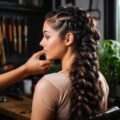
There’s something incredibly elegant and timeless about a French braid. It’s a hairstyle that speaks of grace, sophistication, and a touch of effortless charm. For many, the idea of French braiding their own hair feels like a daunting challenge, a skill reserved for expert stylists or those blessed with an extra set of hands. But what if we told you that with a little patience, practice, and a compassionate approach to yourself, you absolutely can master this beautiful technique? This guide is designed to empower you, to walk you through each step with encouragement, and to help you unlock the satisfaction of creating a stunning French braid all on your own.
Learning to French braid your own hair isn’t just about a new hairstyle; it’s about building confidence, embracing self-care, and discovering a new facet of your personal style. It’s a moment of mindful creation, a chance to connect with your hair and express your unique beauty. So, take a deep breath, grab your tools, and let’s embark on this wonderful journey together. You’ve got this!
Gathering Your Tools & Preparing Your Canvas
Before you dive into the braiding process, setting yourself up for success is key. Think of this as preparing your artist’s palette before painting a masterpiece. Having the right tools at hand will make the experience smoother and more enjoyable, reducing frustration and increasing your chances of a beautiful result.
- A Good Mirror (or two!): This is perhaps your most crucial tool. A large mirror in front of you is essential, and if possible, a handheld mirror or a second wall mirror behind you can be incredibly helpful for checking your progress at the back.
- Comb or Brush: A wide-tooth comb for detangling, followed by a brush (like a paddle brush or boar bristle brush) for smoothing, will ensure your hair is free of knots and ready to be braided.
- Hair Ties/Elastics: Opt for clear or hair-colored elastics that won’t distract from your braid. Have a couple on hand.
- Hair Clips (Optional but Recommended): Sectioning clips can be useful for holding back parts of your hair you’re not working with yet, especially if you’re attempting a double French braid.
- Styling Products (Optional): A light styling cream, mousse, or leave-in conditioner can help manage frizz and provide a bit of grip, making the hair easier to work with. A touch of hairspray at the end can help tame flyaways.
Hair Preparation: Start with dry or slightly damp hair. While some find damp hair easier to manipulate, it’s often best to practice on dry hair first. Ensure your hair is thoroughly detangled from roots to ends. If your hair is very fine or slippery, a texturizing spray or dry shampoo at the roots can add a bit of grip.
The Art of the French Braid: A Step-by-Step Guide
This is where the magic happens! We’re going to break down the French braiding process into manageable, easy-to-follow steps. Remember, the goal isn’t perfection on your first try, but understanding the rhythm and motion. Be kind to yourself as you learn!
- Start with Your Crown Section: Begin by taking a small, triangular section of hair from the very top of your head, near your hairline. The size of this section will determine how tight or loose the braid starts. Aim for a section about 2-3 inches wide. Smooth it out thoroughly.
- Divide into Three Strands: Once you have your initial section, divide it into three equal smaller strands: left, middle, and right. Hold these firmly but gently in your hands.
- Begin the Basic Braid: Perform one or two passes of a standard three-strand braid. Take the right strand and cross it over the middle strand. The original middle strand is now on the right. Then, take the left strand and cross it over the new middle strand. This creates the initial foundation of your braid.
- The French Braid Twist: Adding Hair: This is the defining step of a French braid. After crossing the right strand over the middle, before you cross the left strand, pick up a small, even section of loose hair from the right side of your head, adjacent to your braid. Add this new hair to your original right strand, combining them into one. Now, cross this combined, thicker right strand over the middle strand.
- Repeat on the Left Side: Do the same on the left. After crossing the left strand over the middle, pick up a small, even section of loose hair from the left side of your head and add it to your original left strand. Then, cross this combined, thicker left strand over the new middle strand.
- Continue Down Your Head: Keep repeating steps 4 and 5, alternating sides. Each time you cross a side strand over the middle, you’ll first incorporate a new, small section of loose hair from that side into the strand you’re about to cross. Try to keep your sections of added hair consistent in size for an even braid. Work your way down the back of your head, aiming to keep your hands close to your scalp to maintain tension and neatness.
- Finish with a Standard Braid: Once you’ve incorporated all of the loose hair from around your head, you’ll be left with three strands. At this point, simply continue with a standard three-strand braid all the way down to the ends of your hair.
- Secure and Refine: Secure the end of your braid with a hair elastic. Now, for the final touch! Gently pull on the outer loops of the braid (this is called ‘pancaking’ or ‘pulling apart’) to create a softer, fuller, and more voluminous look. Be gentle and work from the top down. You can also spritz with a light hairspray to set your beautiful creation.
Mastering the Technique: Tips for Success & Common Hurdles
Learning a new skill, especially one that requires dexterity and working ‘blind’ on the back of your head, can be challenging. Don’t get discouraged! Every expert started as a beginner. Here are some compassionate tips to help you overcome common hurdles and master your French braid.
- Patience is Your Best Friend: Seriously, this cannot be overstated. Your first few attempts might look messy, and that’s perfectly okay. Each attempt is a learning opportunity. Celebrate the small victories, like getting the initial sections right.
- Consistent Tension: Aim to keep an even tension throughout the braid. If it’s too loose, it will fall apart; too tight, and it can be uncomfortable. Find a happy medium that feels secure.
- Finger Placement Matters: Many find it helpful to use their pinky or ring finger to gather the new sections of hair from the sides. This allows your other fingers to maintain a grip on the existing strands. Practice makes perfect with this subtle movement.
- Practice in Sections: Instead of attempting a full French braid right away, try practicing just the ‘adding hair’ technique on a smaller side section of your hair. This helps build muscle memory without the pressure of doing the whole head.
- Dealing with Layers: If you have layers, flyaways are inevitable. A bit of styling cream or gel applied lightly to the layers before braiding can help them stay put. Don’t worry if a few escape; it adds to the natural charm!
- The Two-Mirror Trick: If you’re struggling to see the back of your head, position yourself between two mirrors (e.g., a bathroom mirror and a handheld mirror) so you can see the reflection of the back of your head.
Beyond the Basic Braid: Variations & Styling Ideas
Once you’ve conquered the classic French braid, a world of beautiful variations opens up to you! This skill is a fantastic foundation for countless creative hairstyles, allowing you to express your mood and style in new ways.
- Double French Braids (Pigtails): Instead of braiding down the center, part your hair down the middle and create two French braids, one on each side. This look is playful, athletic, and incredibly stylish.
- Half-Up French Braid: Braid only the top section of your hair, incorporating hair from above your ears, and then secure it at the back of your head, leaving the rest of your hair flowing freely. This is perfect for a chic, everyday look.
- French Braid Crown: This elegant style involves French braiding around your head, creating a beautiful ‘crown’ effect. It’s a bit more advanced but truly stunning for special occasions.
- French Braid Bun: Once you’ve completed your French braid down to the nape of your neck, gather the remaining braided tail and twist it into a bun. Secure with bobby pins for a sophisticated updo.
- Adding Accessories: Don’t forget the power of accessories! Weave a ribbon into your braid as you go, or add decorative clips and pins once your braid is complete for a personalized touch.
FAQ: Your French Braiding Questions Answered
It’s natural to have questions when learning something new! Here are some common queries to help you on your French braiding journey.
- Q1: Is it harder to French braid your own hair than someone else’s?
- A: Yes, generally it is. The main challenge is working on the back of your head where you can’t see directly, relying on touch and mirror reflections. However, with practice, your hands develop muscle memory, and it becomes much easier. Be patient with yourself!
- Q2: How do I keep my French braid from getting loose?
- A: Consistent tension is key. Make sure you’re pulling each section firmly (but not painfully) as you cross it over. Incorporating smaller, more even sections of new hair also helps maintain tightness. A light styling product like mousse or texturizing spray before you start can give your hair more grip.
- Q3: What if I have really short layers?
- A: Short layers can be tricky, but not impossible! Try applying a small amount of styling cream, gel, or even hair wax to the layers before you start braiding. This helps them blend into the longer sections and reduces flyaways. Don’t worry if a few escape – it adds to a softer, more romantic look.
- Q4: Can I French braid wet hair?
- A: You can, but it’s generally not recommended for a few reasons. Wet hair is more fragile and prone to breakage when pulled tightly. Also, braids done on wet hair can take a very long time to dry, potentially leading to scalp irritation or an uneven look as the hair dries and shrinks. Slightly damp hair might be easier for some, but mostly dry hair is best for beginners.
- Q5: How long does a French braid typically last?
- A: A well-done French braid can last anywhere from one to three days, depending on your hair type, activity level, and how tightly it was braided. Many people love the waves that result when you take out a French braid, extending its ‘life’ into a second-day style!
Embrace Your Braiding Journey!
Congratulations on taking the first step towards mastering the art of French braiding your own hair! This journey is not just about learning a new skill; it’s about celebrating your creativity, practicing self-compassion, and embracing the beauty that you can create with your own hands. There will be moments of triumph and moments of ‘oops,’ and both are perfectly normal and part of the learning process.
Remember to approach each attempt with a gentle heart and a curious mind. With every braid you create, you’ll gain more confidence, speed, and precision. Soon, you’ll be effortlessly weaving beautiful French braids, perhaps even experimenting with your own unique twists. So go ahead, practice, play, and most importantly, enjoy the wonderful feeling of empowering yourself with a new, elegant skill. Your hair, and your spirit, will thank you for it!