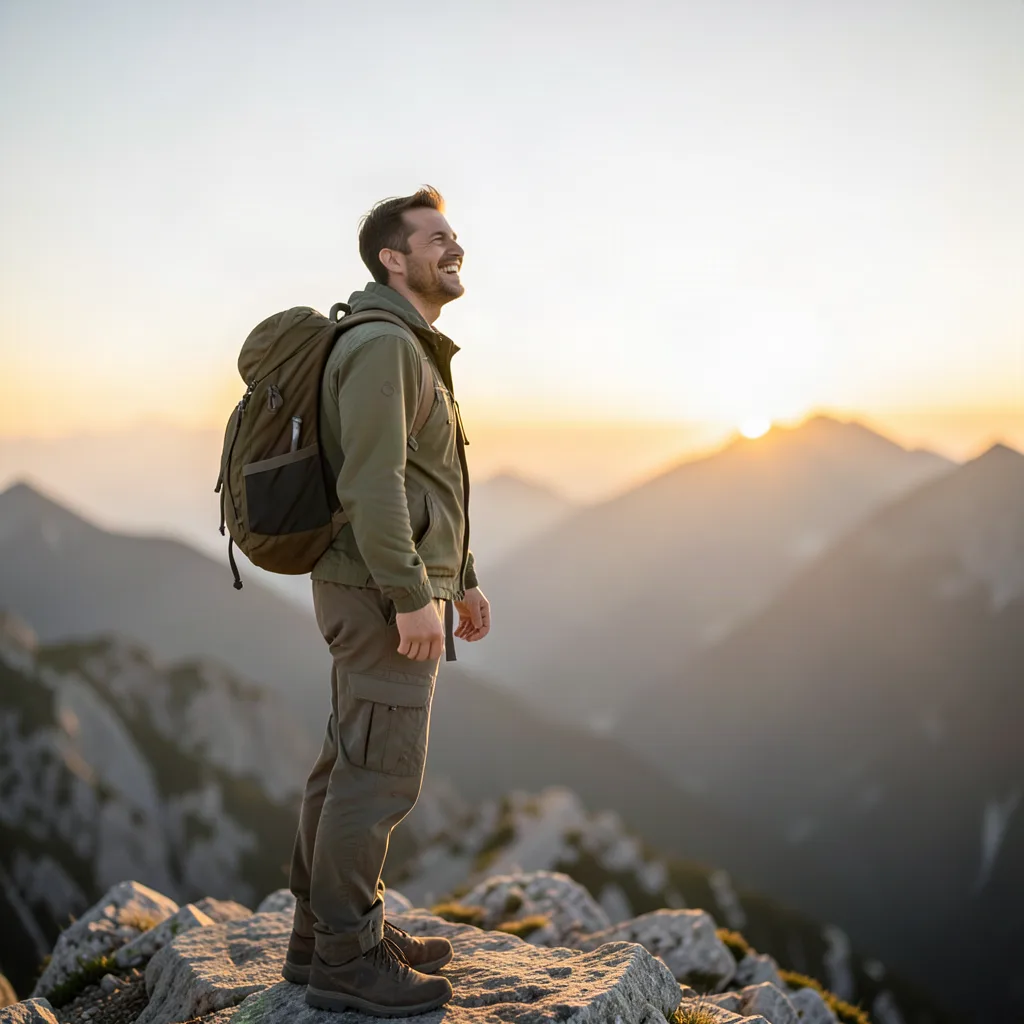
Traveling alone can feel intimidating at first, but it is one of the most effective ways to develop lasting self‑confidence. When you navigate a new city, make decisions without a safety net, and solve unexpected problems on the spot, you prove to yourself that you are capable and resilient. This article walks you through a step‑by‑step framework for turning solo trips into confidence‑building experiences, from the planning stage to the moment you return home.
Key takeaways
- Create a micro-plan for the first 48 hours to reduce initial anxiety and manage arrival logistics effectively.
- Use the three-question rule to deepen social interactions and meet a daily quota of one meaningful conversation.
- Layer safety by using location-sharing apps, carrying physical alarms, and identifying refuge points in new neighborhoods.
- Spend ten minutes each evening documenting successes and setbacks to convert travel experiences into lasting personal insights.
- Apply three travel habits, such as navigating without GPS or initiating conversations, to your daily routine after returning home.
Clarify Your Intentions Before You Book
Confidence grows when actions align with personal values. Ask yourself why you want to travel solo. Is it to practice decision‑making, to disconnect from routine, or to test your comfort zone? Write a short intention statement and keep it visible during the planning process. For example, I want to learn to trust my navigation skills in unfamiliar places. A clear purpose turns each challenge into a purposeful lesson rather than a random obstacle.
Choose a Destination That Matches Your Current Skill Level
Beginners benefit from locations with reliable infrastructure, English signage, and a strong solo‑travel community. Cities such as Lisbon, Kyoto, or Melbourne offer safe public transport, abundant hostels, and plenty of organized meet‑ups. As your confidence expands, you can progress to places with fewer tourist services, like rural Georgia or the Indonesian islands. Matching difficulty to ability prevents overwhelm and creates a series of achievable wins.
Build a Micro‑Plan for the First 48 Hours
The first two days set the tone for the whole trip. Create a simple schedule that includes: arrival logistics, a low‑stress activity, a meal at a well‑reviewed spot, and a backup plan for transport delays. Knowing exactly where you will sleep, how you will reach the city centre, and where you will eat removes the anxiety of the unknown. After the first 48 hours you can loosen the schedule and allow spontaneity to take over.
Practice Decision‑Making in Real Time
Solo travel forces you to make countless small choices: which street to explore, whether to join a group tour, how to respond to a missed connection. Treat each decision as a confidence exercise. Use the pause‑evaluate‑act method: pause for a breath, evaluate the options against your intention statement, then act. Over time this loop becomes automatic, and you will notice faster, clearer choices in everyday life.
Document Your Journey With a Reflection Routine
Reflection converts experience into insight. Set aside ten minutes each evening to answer three prompts in a notebook or digital journal:
1. What did I handle well today?
2. What surprised me, and how did I respond?
3. What will I do differently tomorrow?
Writing solidifies learning, highlights progress, and provides a tangible record you can revisit when self‑doubt resurfaces.
Engage With Locals and Fellow Travelers Strategically
Social interaction is optional, but purposeful connections accelerate confidence. Attend a language exchange, join a cooking class, or use apps that match solo travelers for coffee. Aim for one meaningful conversation per day. Ask open‑ended questions about culture, recommendations, or personal stories. Each positive exchange reinforces the belief that you can initiate and sustain relationships anywhere.
Turn Setbacks Into Data Points
Missed trains, language barriers, or a rainy day are inevitable. Instead of labeling them failures, label them data. Record what happened, what you tried, and the outcome. Then ask: What does this teach me about my preparation or adaptability? This analytical stance removes emotional sting and builds a mental library of solutions you can draw on later.
Integrate the Gains Into Daily Life After Returning
Confidence earned on the road must be transferred to routine. Identify three habits you practiced while traveling — such as navigating without GPS, initiating conversations, or managing a budget — and deliberately apply them at home. For instance, walk a new neighborhood without a map, start a conversation with a colleague you rarely speak to, or plan a weekend micro‑adventure using the same micro‑plan template. Consistent application cements the mindset shift.
Cultivating a Resilient Mindset Before Departure
Confidence begins long before the first boarding pass is scanned. A deliberate mental rehearsal can reduce anxiety and sharpen decision‑making when you are on the ground. Start by visualizing three typical scenarios: navigating a busy market, handling a missed connection, and initiating a conversation with a stranger. Write a brief script for each, noting the emotions you expect and the coping tools you will deploy. This practice trains the brain to recognize stress signals early and respond with a pre‑planned routine rather than panic.
Incorporate a daily micro‑habit in the weeks leading up to the trip. Spend five minutes each morning practicing controlled breathing — inhale for four counts, hold for four, exhale for six. Pair the breath cycle with a mantra that reflects your intention, such as I choose curiosity over fear. Over time the mantra becomes an automatic anchor you can call upon in any unfamiliar setting.
Edge case: if you have a history of acute anxiety, schedule a brief check‑in with a therapist or a trusted mentor before departure. Share your visualization scripts and ask for feedback on realistic coping statements. This external perspective can uncover blind spots and reinforce a sense of preparedness that pure self‑talk cannot.
Practical Safety Systems for Solo Travelers
Safety is not a single checklist but a layered system that adapts to each environment. Begin with a physical safety kit: a compact door‑stop alarm, a whistle, a small flashlight with a strobe function, and a reusable water bottle that can double as a blunt object if needed. Pack these items in an easily accessible outer pocket of your daypack.
Digital safety mirrors the physical kit. Install a location‑sharing app that allows a trusted contact to see your real‑time position for a set window each day. Configure the app to send an automatic check‑in notification at a predetermined hour; if you miss it, the contact receives an alert. Keep offline maps downloaded for the entire region, and store a screenshot of emergency numbers, embassy address, and the nearest hospital in a secure note app protected by biometric lock.
Situational awareness drills can be practiced before you leave. Walk a familiar neighborhood while deliberately noting exits, lighting, and the presence of security personnel. Translate this habit to each new district you enter: pause at a corner, scan 360 degrees, identify at least two safe‑looking venues where you could seek help. This routine builds a mental map of refuge points without relying on a phone screen.
Edge case: in regions with limited internet, the location‑sharing app may fail. Prepare a low‑tech backup — a printed card with your name, blood type, allergies, and the phone number of your emergency contact. Hand the card to hotel staff or a trusted local guide on arrival. The card works even when batteries die or networks are down.
Leveraging Technology Without Overreliance
Smartphones are powerful allies, yet they can become crutches that erode the very confidence solo travel aims to build. Adopt a “tech‑budget” approach: allocate a fixed amount of screen time per day for navigation, translation, and communication. Use a timer app to enforce the limit; when it expires, switch the phone to airplane mode for the remainder of the day.
Offline tools reduce dependency on connectivity. Download language packs for a translation app that works without data. Carry a pocket‑size phrasebook for the top 30 expressions you will need — greetings, dietary restrictions, emergency phrases. Practice pronunciation aloud each morning; the act of speaking reinforces memory far more than passive reading.
For navigation, learn to read a paper map or a downloaded static map image. Identify major landmarks, transit hubs, and the direction of the sun at different times. When you do use GPS, treat the route as a suggestion rather than a command. If the app suggests a turn that feels unsafe, trust your situational awareness and choose an alternative path.
Edge case: battery failure during a long day of exploration. Carry a high‑capacity power bank (at least 20,000 mAh) and a solar charger for multi‑day treks. Test both devices on a weekend hike before the trip to verify charging speeds and cable compatibility. Knowing your power reserves are reliable eliminates the hidden anxiety of a dead screen.
Navigating Cultural Nuances and Language Gaps
Cultural fluency accelerates confidence because it turns potential misunderstandings into moments of connection. Before departure, research three cultural dimensions for your destination: greeting customs, concepts of personal space, and attitudes toward time. Write a one‑page cheat sheet with concrete examples — e.g., in Japan a slight bow replaces a handshake, while in Brazil a warm embrace is common among new acquaintances.
Language gaps are inevitable, but they can be managed with a tiered communication strategy. Tier one: essential survival phrases (please, thank you, help, water). Tier two: functional phrases for transport, food, and lodging. Tier three: conversational openers that invite storytelling — “What is your favorite local dish?” or “Can you tell me a story about this neighborhood?” Practice tier one aloud daily; tier two can be rehearsed with a language‑exchange partner via video call; tier three is best learned in situ, using the reflection routine to note which openers yielded rich exchanges.
Non‑verbal cues often carry more weight than words. Observe locals in cafés, markets, and transit stations. Mirror posture, eye contact level, and pacing of speech. When you notice a cultural faux pas — such as pointing with a finger in a culture where it is rude — acknowledge it immediately with a smile and a brief apology in the local language. This humility signals respect and often deepens rapport.
Edge case: you encounter a dialect or minority language not covered by mainstream resources. Carry a small notebook for phonetic transcriptions of words you hear repeatedly. Ask a bilingual local to write the phrase in both scripts. Over a few days you will build a personalized micro‑dictionary that serves you far better than any generic guide.
Managing Loneliness and Building Social Momentum
Loneliness is a natural signal, not a failure. Reframe it as data indicating a need for connection, then act on it with a structured plan. Set a daily “social quota” — one intentional interaction that goes beyond transactional exchanges. This could be joining a sunrise yoga class, attending a community cooking workshop, or simply sitting at a communal table and asking the person beside you for a menu recommendation.
Use the “three‑question rule” to deepen each interaction: ask an open‑ended question, listen actively, then follow up with a related question. Example: “What brought you to this city?” → “That sounds fascinating — how has the experience compared to your expectations?” → “Do you have a hidden gem you’d recommend for a solo traveler?” This pattern creates a conversational rhythm that feels natural and reduces the pressure to perform.
Leverage digital communities for pre‑trip meet‑ups. Platforms like Meetup, Couchsurfing events, and local Facebook groups often list language exchanges, hiking groups, or board‑game nights. RSVP to at least two events before arrival; having a scheduled social anchor reduces the uncertainty of the first evenings.
Edge case: you find yourself in a remote area with no organized events. Create your own micro‑event — invite fellow hostel guests for a sunset walk, or organize a skill‑share (teach a simple recipe, learn a local craft). Post a handwritten note in the common area with time and meeting point. The act of initiating builds leadership confidence and often attracts participants who appreciate the structure.
Turning Solo Travel Into Professional and Creative Capital
The confidence gained on the road can be translated into tangible career and creative assets. Start a project portfolio during the trip: a photo series documenting daily routines, a blog series analyzing decision‑making moments, or a podcast episode recorded in each city reflecting on cultural observations. Treat each piece as a deliverable with a deadline — this mirrors professional accountability and reinforces the habit of finishing what you start.
Network strategically with locals in your field. Use LinkedIn’s “People also viewed” feature to identify professionals in your industry who are based in your destination. Send a concise, personalized message referencing a shared interest discovered during your research — e.g., “I noticed you lead a sustainable‑design studio in Lisbon; I’m exploring circular‑economy practices on my solo trip and would value a brief coffee chat.” Even a 15‑minute conversation can yield mentorship leads, freelance gigs, or collaborative ideas.
Document transferable skills in a “Solo‑Travel Competency Matrix.” List categories such as project planning, risk assessment, cross‑cultural communication, budget management, and adaptive problem solving. For each category, note a specific instance from the trip where you demonstrated the skill, the measurable outcome, and a potential workplace application. This matrix becomes a ready‑to‑use supplement for performance reviews, job interviews, or grant applications.
Edge case: you work in a highly regulated industry where public sharing of travel details is restricted. Focus on internal reflection artifacts — a private journal, a skill‑assessment spreadsheet, or a confidential presentation for your manager. The confidence boost remains, and you still produce a structured record of growth without breaching compliance.
FAQ
How do I overcome the fear of being alone in a foreign country?
Start with a short trip to a nearby city where you can return home quickly if needed. Use the micro‑plan for the first 48 hours, and schedule a daily check‑in with a trusted friend. Gradually extend the distance and duration as comfort grows.
What if I encounter a safety issue while traveling solo?
Research local emergency numbers and the location of the nearest embassy before departure. Carry a small personal alarm, keep digital copies of important documents, and share your itinerary with someone you trust. Most safety concerns are mitigated by preparation and situational awareness.
Can solo travel help with social anxiety?
Yes. The controlled exposure to new social settings — ordering food, asking for directions, joining a group activity — provides practice in low‑stakes interactions. Pair each outing with the reflection routine to track anxiety levels and celebrate incremental improvements.
How do I budget for solo travel without overspending?
Create a spreadsheet with categories: transport, accommodation, food, activities, emergency fund. Set daily limits based on average costs for your destination. Use apps that track expenses in real time, and adjust spending on the go. The discipline you develop translates to better financial confidence at home.
What are the best resources for solo‑travel beginners?
Reputable guidebooks such as Lonely Planet’s Solo Travel series, online communities like the Solo Travel subreddit, and apps such as Hostelworld, Rome2Rio, and Meetup provide planning support, safety tips, and connection opportunities. Choose one primary guide and one community to avoid information overload.
Related posts:
 Top Solo Travel Destinations Perfect for Women
 Solo Travel as the Ultimate Self-Love Practice
 Best Destinations All Solo Travelers Need to Visit
 Why Millennials Crave Transformative Travel
 How to Fly Safely After Lifted Mask Mandate
 This Rowing App Promises to Replace Your Gym Membership
 JetSweat Digital Fitness App
 America Ferrera’s Adventure Tips