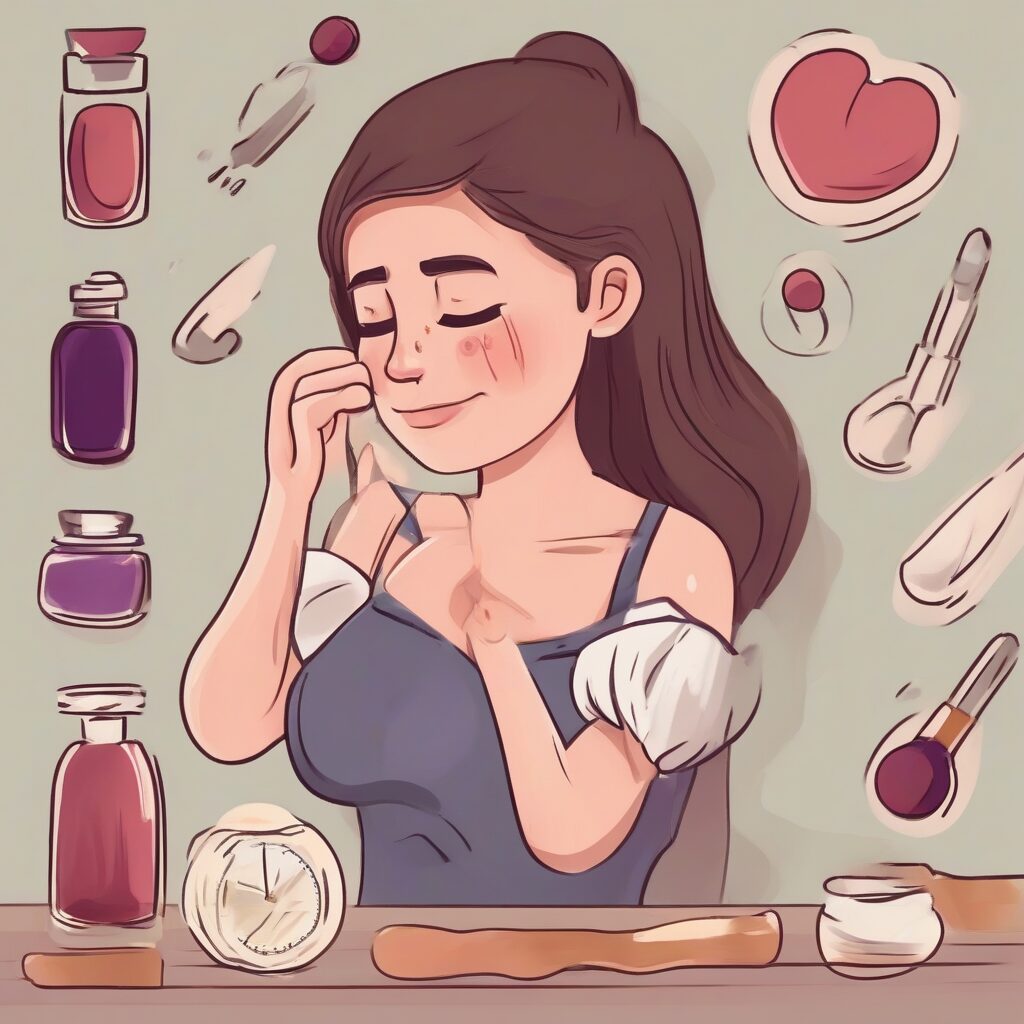
Understanding Bruises: The Body’s Natural Healing Process
Bruises are a common part of life, often appearing after a bump or fall. While they may look alarming, bruises are actually a sign that our body’s natural healing processes are at work. When we experience an impact, tiny blood vessels under the skin can break, causing blood to leak into the surrounding tissues. This is what creates the characteristic discoloration we associate with bruises.
Key takeaways
- Apply a cold compress immediately to reduce swelling and discomfort after an injury.
- Utilize topical natural remedies like arnica, Vitamin K cream, or aloe vera to promote skin healing.
- Eat nutrient-dense foods rich in protein, Vitamin C, and zinc to support tissue repair.
- Incorporate gentle movement like walking and light stretching to improve circulation and aid recovery.
While bruises will heal on their own over time, there are gentle and nurturing ways we can support our body’s healing process. By understanding how bruises form and heal, we can approach their treatment with compassion and care for ourselves.
Immediate Care: Showing Kindness to Your Injured Area
The moments right after an injury occurs are crucial. Here are some compassionate steps you can take to care for yourself:
- Rest and protect: Give the injured area a break. Avoid putting unnecessary strain on it.
- Apply cold: Gently place a cold compress or ice pack wrapped in a soft cloth on the area. This can help reduce swelling and discomfort. Remember to be gentle – the goal is to soothe, not to cause more discomfort.
- Elevate if possible: If the bruise is on a limb, try to keep it elevated above your heart. This can help minimize swelling.
Remember, these steps are about nurturing your body and providing comfort. Listen to what your body needs and adjust accordingly.
Natural Remedies: Harnessing Nature’s Healing Power
Nature offers us many gentle remedies that can support the healing process. Here are some natural approaches you might consider:
- Arnica: This herb has been used for centuries to help reduce swelling and promote healing. It’s available as a cream or gel.
- Vitamin K cream: This vitamin plays a role in blood clotting and may help your body reabsorb the blood from the bruise more quickly.
- Aloe vera: Known for its soothing properties, aloe vera gel can be gently applied to the bruised area.
- Comfrey: This herb has been traditionally used to support healing of minor injuries. It’s available as a cream or ointment.
When using any of these remedies, apply them gently and with care. The act of nurturing your bruise can be a form of self-compassion, reminding you to be kind to your body as it heals.
Nutrition: Nourishing Your Body from Within
What we eat can play a significant role in how quickly our body heals. Here are some nourishing foods that can support the healing process:
- Colorful fruits and vegetables: These are rich in antioxidants which can help reduce inflammation and support healing.
- Protein-rich foods: Protein is essential for tissue repair. Include sources like lean meats, fish, eggs, or plant-based proteins like beans and lentils.
- Vitamin C-rich foods: Vitamin C supports collagen production, which is important for healing. Citrus fruits, berries, and leafy greens are excellent sources.
- Zinc-rich foods: Zinc plays a role in wound healing. You can find it in nuts, seeds, and whole grains.
Remember, nourishing your body is an act of self-care. Enjoy these foods as part of a balanced, wholesome diet that makes you feel good.
Gentle Movement: Encouraging Healing Through Activity
While rest is important, gentle movement can also play a role in healing. As your bruise begins to heal and if you feel comfortable, you might try:
- Gentle stretching: This can help improve circulation to the area.
- Walking: A gentle walk can boost overall circulation, which may help speed up healing.
- Light massage: Once the initial swelling has gone down, very gentle massage around (not directly on) the bruised area can help. Always be gentle and stop if it causes discomfort.
Listen to your body and move in ways that feel good. The goal is to support your body’s natural healing process, not to push through pain.
Emotional Healing: Caring for Your Mind and Spirit
Healing isn’t just physical – it’s emotional too. Here are some ways to care for your whole self as you heal:
- Practice self-compassion: Be kind to yourself as you heal. Speak to yourself with the same gentleness you’d offer a friend.
- Mindfulness: Take a few moments each day to check in with yourself. How are you feeling? What does your body need?
- Gratitude: Even as you heal, try to find moments of gratitude. Perhaps for your body’s ability to heal, or for the support of loved ones.
- Rest: Allow yourself time to rest and recover. This is not just physical rest, but mental and emotional rest too.
Remember, healing is a process. Be patient and gentle with yourself as your body does its remarkable work.
Frequently Asked Questions
1. How long does it typically take for a bruise to heal?
Bruises typically heal within 2-4 weeks, although this can vary depending on the severity of the bruise and individual factors. Remember, everyone’s healing process is unique, so be patient with your body.
2. When should I be concerned about a bruise?
While most bruises are harmless, seek medical attention if the bruise is extremely painful, doesn’t improve after two weeks, or is accompanied by unexplained bruising elsewhere. Always trust your instincts – if you’re worried, it’s okay to seek professional advice.
3. Can certain medications affect bruising?
Yes, some medications like blood thinners can make you more prone to bruising. If you’re concerned about bruising and are on medication, have a conversation with your healthcare provider. They can provide personalized advice based on your specific situation.
4. Are there any exercises I can do to help a bruise heal faster?
Gentle exercises that improve circulation can support healing. This might include light walking or gentle stretching. However, always listen to your body and avoid any movements that cause pain or discomfort.
5. How can I prevent bruises in the future?
While some bruises are unavoidable, you can reduce your risk by being mindful of your surroundings, using protective gear during sports, and ensuring your diet includes nutrients that support skin health. Remember, some people bruise more easily than others, so be gentle with yourself.
Related posts:
 Perfect Nutrient Combinations
 Spring Skin Boost: Why Vitamin C Should Be Your Seasonal Beauty BFF
 Safe and Natural Ways to Boost Your Vitamin D Levels
 Vitamin C Skin Benefits
 PHA Bodyweight Workout: Efficient Fitness Anywhere, Anytime
 Dragon’s Blood Extract: The Ultimate Hair and Skin Remedy
 How to Give Yourself Time to Heal
 The Surprising Connection Between Bloating and Vitamin D Deficiency