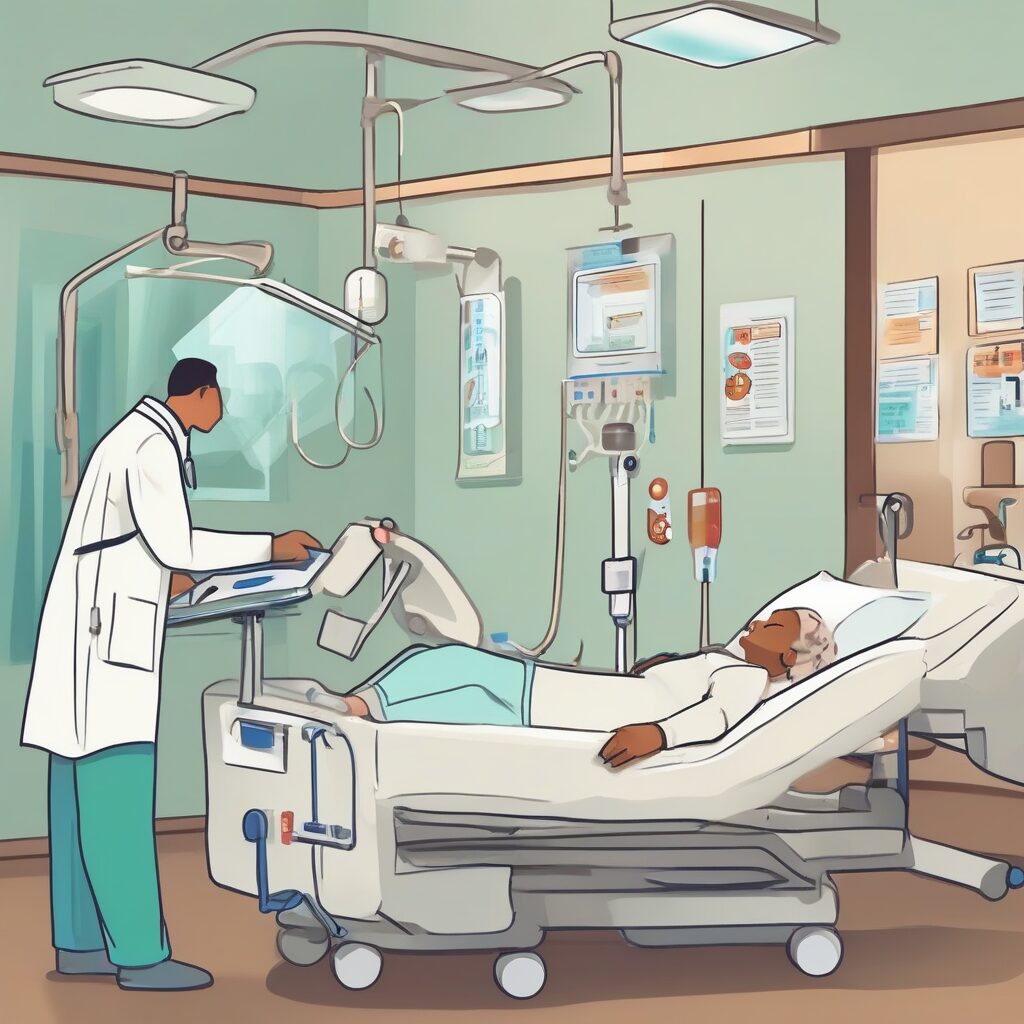
A hospital is more than just a building; it’s a sanctuary for healing, a place where vulnerability meets expertise, and where hope is nurtured. The highest priority within these walls is, and must always be, patient safety. Improving patient safety isn’t about pointing fingers or dwelling on fear; it’s a compassionate, collaborative journey shared by dedicated healthcare professionals, patients, and their families. It’s about building systems of care that are resilient, supportive, and fundamentally human.
Creating a truly safe environment is an ongoing commitment to excellence, communication, and continuous learning. It involves weaving safety into the very fabric of an organization’s culture, empowering every individual to be a guardian of well-being. This guide explores the key strategies that transform hospitals into even safer spaces for healing, focusing on the power of partnership, technology, and unwavering compassion.
Fostering a Culture of Safety and Open Communication
The foundation of patient safety isn’t a protocol or a piece of technology—it’s culture. A “culture of safety” is an environment where every single person, from the chief surgeon to the environmental services team, feels both responsible for safety and psychologically safe to speak up about concerns without fear of blame. This is a profound shift from a punitive mindset to one of collective learning and growth.
- Embracing a ‘Just Culture’: This principle distinguishes between human error (an unintentional slip), at-risk behavior (taking a shortcut), and reckless behavior. Instead of punishing honest mistakes, a just culture seeks to understand why the error occurred. Was the system confusing? Was the staff member fatigued? By asking these questions, organizations can fix the underlying system failures that lead to errors.
- Leadership Commitment: Safety culture starts at the top. When hospital leaders are visibly and vocally committed to safety, prioritize it in budgeting, and celebrate safety champions, it sends a powerful message that resonates through every department.
- Daily Safety Huddles: Many high-performing hospitals begin each day with brief, interdisciplinary huddles. These meetings allow teams to quickly review the day’s schedule, anticipate any potential safety risks (e.g., a patient at high risk for falls), and celebrate successes. This simple act fosters teamwork and proactive problem-solving.
- Encouraging Open Dialogue: Creating channels for clear, respectful communication between all team members is vital. When a nurse feels comfortable questioning a medication order from a doctor, or a technician can point out a potential issue without hesitation, safety is enhanced for everyone.
Empowering Patients as Active Partners in Their Care
For too long, the healthcare model positioned the patient as a passive recipient of care. The modern, safer approach sees the patient as the central, most important member of the healthcare team. Empowering patients with knowledge and a voice is one of the most effective safety strategies available.
You have a right to be involved, and your participation is a gift to your care team.
- Ask Questions: There is no such thing as a silly question when it comes to your health. If you don’t understand a diagnosis, a medication, or a procedure, ask for clarification. You can say, “Can you explain that to me in a different way?” or “What should I expect during this test?”
- Bring an Advocate: Hospital stays can be overwhelming. Bringing a trusted family member or friend to be a second set of ears is incredibly helpful. This advocate can take notes, help you remember questions, and speak up for you if you are unable.
- Maintain Your Medication List: Keep an updated list of all medications you take, including prescriptions, over-the-counter drugs, vitamins, and supplements. Share this list with every provider you see to prevent dangerous drug interactions.
- Confirm Your Identity: Healthcare professionals should confirm your name and date of birth before administering medication or performing a procedure. This is a critical safety check, and your participation helps ensure you receive the correct care.
Strengthening Medication Safety Protocols
Medication errors are one of the most common types of medical errors, but they are also highly preventable. A multi-layered approach that combines human vigilance with technological safeguards creates a robust defense against these mistakes.
The goal is simple: ensure every patient receives the correct medication, in the correct dose, at the correct time. Achieving this requires meticulous processes.
- The ‘Five Rights’ of Medication Administration: This is a fundamental principle for clinicians: Right Patient, Right Drug, Right Dose, Right Route (e.g., oral, IV), and Right Time.
- Medication Reconciliation: This is the process of creating the most accurate list possible of all medications a patient is taking. This should happen at every transition of care—on admission, when moving between units, and at discharge—to prevent omissions, duplications, or dosing errors.
- Barcode Medication Administration (BCMA): This technology acts as a powerful safety net. The nurse scans a barcode on the patient’s wristband and then on the medication itself. The system verifies that it is the correct medication, dose, and time for the correct patient, alerting the nurse to any potential mismatch.
- Pharmacist Involvement: Integrating pharmacists into clinical care teams on the hospital floor allows them to review medication orders in real-time, provide expert advice to physicians, and educate patients about their medications before discharge.
Preventing Infections Through Diligent and Compassionate Care
Hospitals are environments where vulnerable people congregate, making infection control a paramount concern. Preventing healthcare-associated infections (HAIs) is a tangible way we protect patients, and it often comes down to simple, consistent actions performed with great care.
Hand hygiene is the cornerstone of infection prevention. This simple act of washing with soap and water or using an alcohol-based hand sanitizer is one of the most effective ways to stop the spread of germs. It’s an act of respect for every patient.
Beyond handwashing, hospitals implement evidence-based “bundles”—a set of practices that, when performed together, significantly reduce the risk of specific infections:
- Central Line-Associated Bloodstream Infections (CLABSIs): Bundles include strict protocols for sterile insertion, hand hygiene, and daily checks to see if the line is still necessary.
- Catheter-Associated Urinary Tract Infections (CAUTIs): A key focus is avoiding unnecessary catheter use and removing catheters as soon as they are no longer needed.
- Surgical Site Infections (SSIs): Protocols involve everything from proper antibiotic administration before surgery to specific skin preparation techniques.
Patients and their families can also play a role by practicing good hand hygiene themselves and reminding their visitors to do the same. It’s okay to gently ask a provider, “Did you have a chance to wash your hands?” Your health is worth it.
Leveraging Technology as a Supportive Safety Net
While technology can never replace the compassionate vigilance of a healthcare professional, it can serve as an incredibly powerful tool to support human effort and reduce the potential for error. The right technology, implemented thoughtfully, builds layers of protection into patient care.
- Electronic Health Records (EHRs): EHRs improve patient safety by ensuring that every member of the care team has access to the same, up-to-date information. They eliminate errors from illegible handwriting and can be programmed with alerts for patient allergies or dangerous drug interactions.
- Clinical Decision Support (CDS): Integrated into the EHR, these smart systems provide prompts and reminders to clinicians at the point of care. For example, a CDS might suggest an appropriate antibiotic dosage based on a patient’s kidney function or flag a lab result that requires immediate attention.
- Smart IV Pumps: These infusion pumps contain a library of medications with pre-set dosing limits. This helps prevent a nurse from accidentally programming a dangerously high or low dose of a medication, adding a critical layer of safety to IV infusions.
- Patient Monitoring Systems: Advanced systems use algorithms to monitor vital signs and can detect subtle patterns that may indicate a patient’s condition is deteriorating, allowing for earlier intervention.
Frequently Asked Questions About Patient Safety
What is the single most important thing a patient can do to improve their safety in the hospital?
The most important thing is to be an active, engaged, and informed member of your own care team. This means asking questions until you understand, speaking up if something doesn’t feel right, and providing accurate information about your health history and medications. Your voice is your most powerful safety tool.
How do hospitals learn from mistakes when they happen?
Safe hospitals have a non-punitive system for reporting and analyzing errors or “near-misses.” They conduct a thorough investigation called a Root Cause Analysis (RCA) to understand the system-level factors that contributed to the event. The goal is not to blame an individual but to fix the broken processes to prevent the same mistake from happening again.
What is a “culture of safety” in a hospital?
A culture of safety is a shared belief among all staff that patient safety is the top priority. It’s an environment where people feel safe to report errors, voice concerns, and suggest improvements without fear of punishment. It’s characterized by teamwork, open communication, and a commitment to continuous learning.
Are hospital safety ratings reliable sources of information?
Hospital safety ratings from organizations like The Leapfrog Group or CMS can be a helpful starting point, but they are just one piece of the puzzle. Different rating systems measure different things, so a hospital might score well on one and poorly on another. They can be useful for identifying areas of concern to discuss with your doctor, but they don’t tell the whole story of a hospital’s quality or compassionate care.
How can I best support a loved one who is a patient in the hospital?
You can be their advocate. Help them by taking notes during doctor visits, keeping a list of questions, and ensuring they understand their care plan. You can also help with their comfort, communicate their needs to the nursing staff if they are unable, and be a comforting, familiar presence. Your support is invaluable to both their emotional well-being and their safety.
The journey to improve patient safety in hospitals is one of continuous effort, driven by a deep sense of purpose. It is a promise made to every person who walks through the doors seeking care. By uniting the strengths of dedicated professionals, the power of innovative technology, and the essential voice of patients and their families, we can create healing environments that are not only clinically excellent but also profoundly safe and compassionate.
Related posts:
 How to Set Up Your Hospital Laundry Room
 ADHD Medication and Vitamin C
 Pharmacist’s Essential Medication Rules
 New Alzheimer’s Medication Aduhelm Sparks Controversy and Hope
 A Guide to Taking Pills Correctly
 Telehealth for Black Patients
 The Benefits of Specialized Home Care Services for Patients with Dementia and Chronic Illnesses
 Making Your Medical Practice More Inviting: 7 Tips