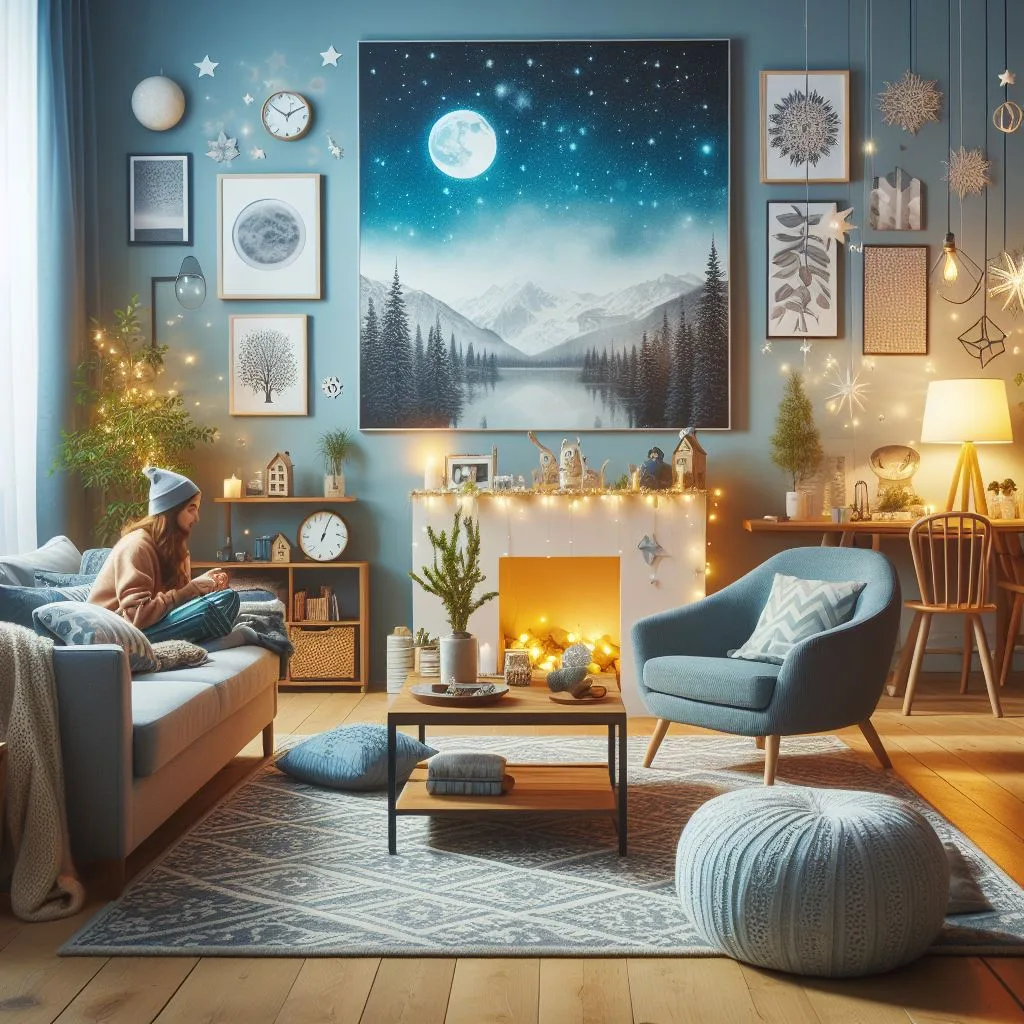
Breathe New Life Into Your Living Room
Making over your living room doesn’t need to be complicated or expensive. With some simple updates and cozy touches, you can transform this space into your home’s warm, welcoming heart.
Clear The Clutter
Start by removing clutter and anything you don’t love. Clear surfaces and tidy shelves to open up the space visually and energetically. Consider donating unused items to charity.
Fresh Coat Of Paint
Painting walls or an accent wall in a tranquil shade creates a soothing backdrop. Soft greens, airy blues, and warm neutrals enhance the room’s calm ambience. Or accent with tactile textures or removable wallpaper.
Lush Layers Of Light
Layer lighting for a cozy glow during darker months. Try accent lamps, soft white string lights, candles, and natural light from windows. Dimmers allow customizable brightness.
Plush Pillows & Throws
A variety of cushy pillows and fuzzy throws in natural fabrics make seating ultra-appealing. Arrange pillows in complementary colors and textures for nestling comfort. Fold throws over chairs and couches.
Natural Touches
Bring the outdoors inside with lush plants, woven baskets, rattan or wood furniture, and natural fibers. Greenery freshens air, and natural textures ground the space with earthy tranquility.
The Sensory Symphony: Scent, Sound, and Thermal Comfort
Creating a retreat goes beyond what the eye can see; it involves engaging every sense to build a multi-dimensional feeling of security and warmth. While visual clutter is a known enemy of calm, sensory clutteru2014such as harsh noises or stagnant airu2014can be just as disruptive. To truly elevate the coziness of your living room, consider the olfactory landscape. Scents like cedarwood, sandalwood, and amber provide a grounding, earthy base that mimics the smell of a forest cabin, while notes of vanilla or toasted cinnamon evoke domestic nostalgia. Instead of synthetic aerosol sprays, opt for high-quality beeswax candles or essential oil diffusers. Beeswax, in particular, emits a subtle honey aroma and produces a warmer, more golden flame than paraffin, contributing to that sought-after glow.
Sound is another often-overlooked element of a cozy retreat. A room that echoes feels cold and industrial, regardless of how many pillows are on the sofa. To dampen harsh acoustics, look toward soft surfaces that absorb vibrations. Beyond rugs, consider the impact of a well-stocked bookshelf; books act as incredible natural sound insulators. For an active auditory layer, a small tabletop water fountain or a high-quality Bluetooth speaker playing low-fidelity beats or nature sounds can mask intrusive street noise. Thermal comfort also plays a role. If your living room has drafty corners, a stylish draft excluder made of heavy tweed or velvet can bridge the gap between a chilly house and a sealed sanctuary. Maintaining a consistent humidity level (around 40-50%) prevents the air from feeling brittle in winter, making the environment feel physically softer on the skin.
Mastering Furniture Choreography for Intimacy
The layout of your furniture dictates the social energy of the room. Many homeowners default to pushing all furniture against the walls to maximize floor space, but this often results in a “waiting room” vibe that feels cold and disconnected. To create a cozy retreat, try “floating” your furniture. By pulling the sofa and armchairs just six to twelve inches away from the walls, or even positioning them in the center of the room, you create a defined island of intimacy. This arrangement encourages conversation and makes the room feel more intentional and “hugged.u201d
Consider the “Golden Triangle” of conversation: seating should be arranged so that people are facing each other at a distance of no more than eight feet. This ensures that voices can remain low and intimate. If you have a large living room, break it down into smaller zones rather than trying to treat it as one massive expanse. A main seating area for the family can coexist with a smaller “reading nook” in a corner, featuring a single wingback chair, a dedicated floor lamp, and a small side table just large enough for a teacup. This zoning creates a sense of discovery and allows the room to feel cozy even when only one person is using it. Edge cases, such as long and narrow “bowling alley” rooms, benefit from using low-profile daybeds or backless benches to divide the space without breaking the visual line or blocking natural light.
Soft Architecture: Window Treatments and Textile Walls
While the existing article mentions pillows, the “soft architecture” of a room refers to the larger textile surfaces that define its boundaries. Windows are the primary source of heat loss and visual “black holes” at night. To counter this, layer your window treatments. A combination of sheer linen curtains for daytime privacy and heavy, floor-to-ceiling velvet or wool drapes for the evening creates a literal cocoon. Ensure the curtains are wide enough to be “full” even when closed; a skimpy curtain looks cold, whereas a generously gathered fabric suggests luxury and protection. Allowing the fabric to “puddle” slightly on the floor (an extra inch or two of length) adds a romantic, lived-in feel that is quintessential to the retreat aesthetic.
Don’t stop at the windows. Wall textiles, such as woven tapestries or even a decorative rug hung as art, can transform the tactile quality of the room. These elements break up the hard, flat surfaces of plastered walls and provide a sense of “enclosure” that is deeply comforting. For an unconventional touch, consider upholstered ottomans instead of hard-edged coffee tables. Not only do they provide a place to rest your feet, but they also soften the center of the room and eliminate the harsh reflections often seen on glass or polished wood surfaces. In homes with high ceilings, hanging a large, fabric-shaded pendant light can help “lower” the perceived height of the room, making the seating area feel more like a private canopy.
The Heart of the Home: Fireplaces and Alternative Heat Centers
Historically, the hearth was the center of the home, providing both physical warmth and a flickering focal point. If your living room lacks a traditional wood-burning fireplace, you can still recreate this psychological anchor. Electric fireplace inserts have advanced significantly, offering realistic flame effects and adjustable heat settings without the need for a chimney. For those who prefer a more minimalist approach, a bioethanol fireplace provides a real flame and a clean burn, and can be installed in almost any room. These units become an instant focal point that draws people in, creating a natural gathering spot.
If a fireplace isn’t an option, you can create a “light hearth.” Group a collection of oversized floor lanterns of varying heights in a corner or inside an unused alcove. Using warm-toned LED candles with a flicker effect provides the visual comfort of a fire without the maintenance. Even the mantelpiece (or a floating shelf acting as one) can be styled to enhance the retreat vibe. Avoid over-cluttering it; instead, use a few meaningful objects, such as a piece of driftwood, a singular large-scale painting, or a series of framed family photos in mismatched vintage frames. The goal is to create a visual “destination” in the room that feels warm and inviting even when the main lights are off.
Curating a Personal Narrative: The Soul of the Retreat
A room filled only with new, store-bought items often feels like a showroom rather than a home. To achieve true coziness, a room needs a soul, which comes from personal history and a “lived-in” patina. This is the concept of *Wabi-sabi*u2014finding beauty in imperfection and the passage of time. Integrate heirlooms, travel souvenirs, or second-hand finds that have a story. A well-worn leather armchair with a slight crackle, a vintage wooden trunk used as a coffee table, or a collection of mismatched ceramic mugs all add layers of character that cannot be replicated by mass-produced goods.
The “bookshelf wealth” trend is a perfect example of this: instead of styling shelves with generic decorative objects, fill them with books you have actually read and loved. Organize them by height or subject rather than color-coding, which can feel too sterile. Interspersed among the books, place small “curiosities”u2014a stone from a favorite beach, a small sketch by a friend, or a vintage clock. These small details invite guests to look closer and make the inhabitant feel surrounded by their own narrative. This personal connection to the space reduces stress and fosters a sense of belonging, which is the ultimate goal of any retreat.
Smart Technology as a Silent Companion
In a modern retreat, technology should be a servant, not a master. Large, black television screens often dominate a living room, acting as a “void” that drains the room’s energy when not in use. To mitigate this, consider a “Frame” style TV that displays art when off, or use a decorative folding screen to hide the television during non-viewing hours. Cable management is also crucial; a tangle of wires behind a media console is a visual stressor. Use cable boxes or decorative baskets to tuck away routers and power strips, ensuring that the “organic” feel of your cozy room isn’t interrupted by plastic and copper.
Smart home technology can actually enhance coziness if used subtly. Smart bulbs allow you to program “scenes.” For example, a “Sunset” scene could automatically dim the main lights and turn on the accent lamps to a warm 2700K hue as evening approaches. Motorized blinds can be set to close at dusk, instantly cocooning the room from the outside world without you having to leave your seat. Even smart plugs can be used to ensure that a heated throw blanket or a wax warmer is ready for you the moment you walk through the door. The key is to keep the hardware invisible while reaping the atmospheric benefits.
Seasonal Adaptability: The Year-Round Retreat
Coziness is often associated with winter, but a true retreat should adapt to the seasons to remain a sanctuary year-round. This involves a “seasonal swap” of textiles and accents. During the transition into spring and summer, replace heavy wool and faux-fur throws with breathable waffle-weave cotton or lightweight flax linen. Swap out dark, moody candle scents for lighter, botanical notes like citrus, neroli, or cut grass. This prevents the room from feeling “stuffy” or claustrophobic when the temperature rises outside.
FAQ
What color paint is best for a cozy living room?
Soft, neutral paint colors like light tan, warm grey, pale green, or airy blue help create a calm, cozy ambiance. Accent walls in deeper hues also warm up the space.
What kind of lighting makes a living room cozy?
Layered lighting like table lamps, string lights, candles, and ample natural light from windows creates a welcoming glow. Dimmer switches allow you to control brightness.
What throw blankets work best in living rooms?
Choose ultra-soft throw blankets in natural fabrics like wool, cotton, linen, or cashmere. Layer lightweight and chunky knit throws in complementary colors for cozy nesting on sofas or chairs.
What small living room ideas create a cozy vibe?
Clearing clutter, painting a soft color, lush houseplants, plush pillows and throws, candlelight, and natural wood accents help small living spaces feel tranquil. Built-in shelving and hidden storage keep rooms tidy.
Should I get a rug for my living room?
Yes. Rugs anchor living rooms with cozy softness underfoot. Natural fiber rugs in wool, jute, or braided styles pair perfectly with wood floors. Size your rug to fit the main seating area without going wall-to-wall.
Related posts:
 Open Concept Done Right: Design Tips for Spacious Living
 Rebecca Atwood’s Patterned Bedding Collection
 Iris Apfel’s Jungle Decor Collection
 Pillow Talk: The Perfect Number for Better Sleep
 Pillow Talk: Reese Witherspoon’s Decorating Wisdom for Every Home
 An Introvert’s Guide to She Recovers Retreats
 Art of Wall Hangings: Maryanne Moodie’s Instagram Guide
 Pattern Play: The Art of Mixing Colors and Textures at Home