
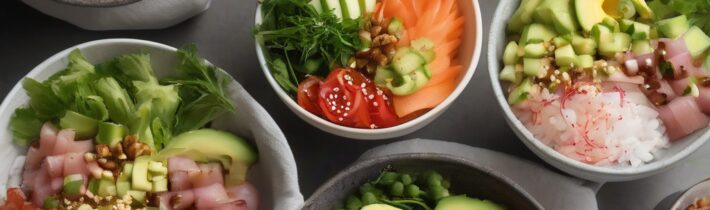
Imagine a vibrant bowl brimming with glistening, perfectly diced fish, a symphony of fresh vegetables, and a tantalizing sauce that dances on your palate. This, my friends, is the magic of a poke bowl – a dish that has captured hearts and taste buds worldwide with its irresistible combination of health, flavor, and visual appeal. For too long, many of us have relegated these culinary masterpieces to the realm of restaurant dining, believing their creation to be an art form only mastered by professional chefs. But what if we told you that the secret to crafting restaurant-quality poke bowls lies not in a secret kitchen, but right within your own?
It’s time to unleash your inner culinary artist! Making poke bowls at home is not only incredibly rewarding but also allows you to customize every single ingredient to your exact preferences, dietary needs, and wildest flavor dreams. Think of it as an act of self-care, a delicious journey where you get to nourish your body with wholesome, fresh ingredients while savoring the joy of creating something truly spectacular. Forget expensive takeout; today, we’re embarking on an uplifting adventure to transform your kitchen into a poke bowl haven. Let’s dive in and discover how truly simple and satisfying it is to bring this Hawaiian-inspired delight to your own table.

The Heart of the Bowl: Choosing and Preparing Your Fish
The star of any traditional poke bowl is, without a doubt, the fish. Its freshness, quality, and preparation are paramount to achieving that authentic, melt-in-your-mouth experience. Don’t let this step intimidate you; with a little knowledge and care, you’ll be dicing like a pro!
Sashimi-Grade: Your Golden Rule
When selecting fish for poke, the most crucial term to remember is “sashimi-grade” or “sushi-grade.” This isn’t an official FDA designation, but rather an industry term indicating that the fish has been handled with extreme care, flash-frozen to specific temperatures to eliminate parasites, and is deemed safe for raw consumption. Always purchase your fish from a reputable source – a dedicated fishmonger, an Asian specialty market, or a high-end grocery store with a knowledgeable seafood counter. Don’t hesitate to ask your fishmonger about the fish’s origin, freshness, and if it’s suitable for raw consumption. They are there to help you!
Top Fish Choices for Poke:
- Ahi Tuna (Yellowfin Tuna): This is the classic poke fish. Look for firm, bright red, translucent flesh with no brown spots or strong odor. Its rich, buttery texture is simply divine.
- Salmon: Another incredibly popular choice, salmon offers a softer texture and a slightly sweeter, richer flavor. Choose vibrant orange-pink fillets with good marbling.
- Hamachi (Yellowtail): For a more delicate, subtly sweet, and incredibly tender option, hamachi is a fantastic choice, often found in high-end sushi restaurants.
Handling and Dicing with Care:
Once you have your beautiful fish, keep it as cold as possible until you’re ready to cut it. A very sharp knife is your best friend here. Working with cold fish helps maintain its structure, making it easier to achieve clean cuts. Gently pat the fish dry with paper towels. Slice the fillet into planks, then cut those planks into uniform, bite-sized cubes, typically about ½ to ¾ inch. Uniformity ensures each piece marinates evenly and provides a consistent texture in every spoonful. Remember, there’s no rush; take your time and enjoy the process of preparing this gorgeous ingredient.
Crafting the Perfect Poke Sauce: Flavor Foundations
While the fish is the star, the sauce is the soul of the poke bowl, weaving all the ingredients together into a harmonious symphony of flavors. This is where you can truly personalize your creation and unleash your inner flavor wizard. The beauty of poke sauce is its simplicity and versatility!
The Classic Umami-Rich Sauce:
A traditional poke sauce often hinges on a few key ingredients that deliver a powerful punch of umami, salt, and a hint of sweetness and acidity. Here’s a foundational recipe you can build upon:
- Soy Sauce or Tamari: The base for savory depth. Use tamari for a gluten-free option.
- Toasted Sesame Oil: Adds an incredible nutty aroma and flavor. A little goes a long way!
- Rice Vinegar: Provides a gentle tang that brightens the sauce and balances richness.
- Fresh Ginger: Grated or finely minced, it adds a warm, zesty kick.
- Fresh Garlic: Minced, for a pungent, aromatic base.
- Optional Sweetener: A touch of honey, agave, or brown sugar can balance the savory notes.
- Optional Spice: A dash of sriracha or red pepper flakes if you like a little heat.
Whisk these ingredients together, taste, and adjust until it sings to your palate. This is *your* creation!
Explore Sauce Variations:
Don’t stop at the classic! The world of poke sauces is vast and exciting:
- Spicy Mayo: Mayonnaise mixed with sriracha, a hint of lime juice, and a touch of sesame oil. Creamy, spicy, and incredibly popular.
- Ponzu Sauce: A citrus-based soy sauce that offers a lighter, tangier profile.
- Creamy Avocado Sauce: Blended avocado with lime juice, cilantro, and a touch of salt.
- Sweet Chili Sauce: For a sweeter, slightly spicier kick.
Allow your freshly diced fish to marinate in your chosen sauce for at least 15-30 minutes (no longer than an hour for tuna, as the acid can start to ‘cook’ it), allowing the flavors to meld beautifully. This short resting period is where the magic truly happens.
Building Your Base: Grains and Greens
Every magnificent poke bowl needs a solid foundation, a comforting bed upon which all the vibrant toppings can rest. The base is not just filler; it’s an integral part of the texture and flavor profile, soaking up the delicious sauces and providing satisfying substance.
The Traditional Choice: Sushi Rice
For an authentic experience, seasoned sushi rice is the gold standard. Its slightly sticky texture and delicate flavor complement the raw fish beautifully. To prepare perfect sushi rice:
- Rinse: Rinse short-grain sushi rice thoroughly under cold water until the water runs clear. This removes excess starch, preventing gumminess.
- Cook: Use a rice cooker or stovetop method. The general ratio is 1 cup rice to 1.25 cups water, but always check your rice package instructions.
- Season: While the rice is still warm, gently fold in a mixture of rice vinegar, sugar, and salt. This adds that characteristic sweet and tangy flavor. Use about 2 tablespoons rice vinegar, 1 teaspoon sugar, and ½ teaspoon salt per cup of uncooked rice, adjusting to taste.
Wholesome Alternatives for Every Preference:
If sushi rice isn’t your preference, or you’re looking for different nutritional profiles, the options are endless and equally delicious:
- Brown Rice: Offers a nuttier flavor and chewier texture, plus extra fiber.
- Quinoa: A protein-packed, gluten-free option that adds a delightful earthiness.
- Forbidden Rice (Black Rice): Visually stunning with a slightly nutty flavor and firmer texture.
- Mixed Greens/Spring Mix: For a lighter, low-carb option, a bed of fresh greens is wonderfully refreshing.
- Zucchini Noodles (Zoodles): Another fantastic low-carb, fresh alternative.
Choose the base that resonates most with your taste and dietary goals. Each one brings its own unique character to the bowl, making your poke experience truly yours.
The Vibrant Ensemble: Toppings and Textures Galore
This is where your poke bowl truly comes alive, transforming into a kaleidoscope of colors, flavors, and textures. The toppings are not just adornments; they provide essential crunch, freshness, creaminess, and tang that elevate the entire dish. Think of your bowl as a canvas, and these toppings as your vibrant palette!
The Essential Players:
Some toppings are almost synonymous with poke bowls, offering classic flavors and textures:
- Avocado: Creamy, rich, and utterly satisfying.
- Cucumber: Crisp, refreshing, and adds a lovely crunch.
- Edamame: Tender, slightly sweet, and a great source of plant-based protein.
- Green Onions (Scallions): Fresh, pungent, and adds a pop of color.
- Nori (Seaweed): Crumbled or cut into thin strips, it adds a distinctive oceanic, umami flavor.
- Sesame Seeds: Toasted white or black sesame seeds add a delicate nutty crunch and visual appeal.
Adventurous Additions for Extra Flair:
Don’t be afraid to experiment and add toppings that speak to your adventurous spirit:
- Pickled Ginger: A tangy palate cleanser, just like with sushi.
- Pickled Red Onions: Adds a beautiful color and a sharp, sweet-sour bite.
- Mango or Pineapple: For a burst of tropical sweetness and a juicy contrast.
- Radishes: Thinly sliced for a peppery crunch.
- Shredded Carrots: Adds sweetness and a vibrant orange hue.
- Crispy Fried Onions or Wonton Strips: For an irresistible crunch.
- Macadamia Nuts: A nod to Hawaiian flavors, providing a rich, buttery crunch.
- Spicy Crab Salad (Kani): A popular addition for extra texture and flavor.
- Seaweed Salad: Pre-made seaweed salad adds another layer of oceanic flavor and texture.
The key is to create a balance of textures – something creamy, something crunchy, something fresh, something tangy. Each bite should be an exciting journey for your taste buds!
Assembling Your Masterpiece: Tips for Presentation and Enjoyment
You’ve meticulously chosen your fish, crafted your sauce, prepared your base, and gathered your vibrant toppings. Now comes the moment of truth: assembling your poke bowl. This is where your culinary journey culminates in a beautiful, edible work of art. Think of it as painting a picture with food!
The Art of Layering:
Presentation truly enhances the dining experience. While you can simply pile everything in, a thoughtful arrangement makes all the difference:
- Start with the Base: Place your chosen rice or greens neatly at the bottom of a wide, shallow bowl. This provides a clean canvas.
- Add the Marinated Fish: Gently arrange the seasoned fish over a portion of the base. You can pile it slightly to create height.
- Arrange Your Toppings: Artfully place your chosen toppings around the fish, creating distinct sections of color and texture. Think about contrast – a vibrant green avocado next to a deep red pickled onion, for instance.
- Drizzle and Garnish: Finish with an extra drizzle of your favorite sauce (like spicy mayo or unagi sauce), a sprinkle of sesame seeds, fresh green onions, or a final sprig of cilantro.
Mindful Enjoyment:
Once your masterpiece is complete, take a moment to admire your handiwork. Cooking is an act of love, and this bowl is a testament to your effort and creativity. When you sit down to eat, truly savor each bite. Notice the different textures, the interplay of flavors, and the incredible freshness of the ingredients you’ve carefully selected and prepared. Eating a homemade poke bowl isn’t just about sustenance; it’s about mindful enjoyment, a moment of delicious tranquility in your busy day.
Remember, there’s no right or wrong way to assemble your bowl. Let your creativity flow, and most importantly, enjoy the process and the delicious reward!
Your Poke Bowl Kitchen: FAQs Answered
We understand that diving into a new culinary adventure can sometimes come with questions. Here are some frequently asked questions to help you feel even more confident and empowered in your poke bowl journey:
Q1: What if I can’t find sashimi-grade fish, or I’m hesitant to eat raw fish?
A1: No problem at all! You can still enjoy the incredible flavors of a poke bowl. Instead of raw fish, consider using cooked shrimp, seared scallops, grilled chicken, or even firm tofu or tempeh. For a completely plant-based option, marinated roasted sweet potatoes, mushrooms, or even watermelon (yes, it can mimic tuna texture!) work wonderfully. Your safety and comfort are always paramount, so choose what feels best for you.
Q2: How long can I store leftover poke?
A2: Poke bowls are truly best enjoyed fresh. The textures and flavors are at their peak immediately after assembly. If you do have leftovers, it’s best to store the components separately in airtight containers in the refrigerator. The marinated fish should be consumed within 12-24 hours for optimal safety and quality. Cooked bases and toppings can last a bit longer, usually 2-3 days.
Q3: Can I make poke bowls vegetarian or vegan?
A3: Absolutely! Poke bowls are incredibly versatile and lend themselves beautifully to plant-based diets. Replace the fish with marinated tofu (pressed and cubed), tempeh, roasted chickpeas, grilled portobello mushrooms, or even thinly sliced beets or carrots. Load up on vibrant vegetables, creamy avocado, and your favorite plant-based sauces. The possibilities are endless and delicious!
Q4: What’s the best way to cut the fish for poke?
A4: A very sharp knife is key! Ensure your fish is very cold, as this makes it firmer and easier to cut cleanly. Slice the fish against the grain (if visible) into uniform, bite-sized cubes, typically about ½ to ¾ inch. Uniform pieces ensure even marination and a consistent texture in every spoonful. Take your time; precision will pay off in the final presentation and eating experience.
Q5: Do I *have* to use sushi rice, or can I use other grains?
A5: While seasoned sushi rice is traditional and provides that signature sticky texture and tangy flavor, you are absolutely not limited to it! Feel free to use brown rice, quinoa, forbidden (black) rice, or even a bed of fresh mixed greens for a lighter option. Each base offers a different nutritional profile and textural experience, allowing you to customize your bowl to your heart’s content.
Conclusion: Your Kitchen, Your Poke Paradise
Congratulations, culinary adventurer! You’ve just unlocked the secrets to creating exquisite, restaurant-quality poke bowls right in the comfort of your own kitchen. This journey is more than just about a recipe; it’s about embracing the joy of cooking, the thrill of customization, and the profound satisfaction of nourishing yourself and your loved ones with wholesome, vibrant food.
From carefully selecting the freshest fish to artfully arranging a rainbow of toppings, every step of this process is an opportunity for creativity and mindful engagement. You’ve learned that making delicious poke bowls at home isn’t daunting; it’s an accessible, empowering, and incredibly rewarding experience. So, go forth with confidence, experiment with flavors, and let your imagination be your guide. Your kitchen is now your very own poke paradise, ready to serve up endless bowls of fresh, healthy, and utterly delicious goodness. Enjoy every single, flavorful bite!
Related posts:
 The Rise of At-Home Stick and Poke Tattoos
 Poke Bowl Health Guide
 Creamy Avocado Pasta Sauce to Die For
 Magic of Liquid Gold Sauce
 Beyond Sushi Opens Its Biggest Location Yet, Right in Midtown Manhattan
 5 Fish Sauce Substitutes for Cooking
 Homemade Sushi Tools: Elevate Your Rolling Game
 Here’s What Registered Dietitians Really Think About White Rice