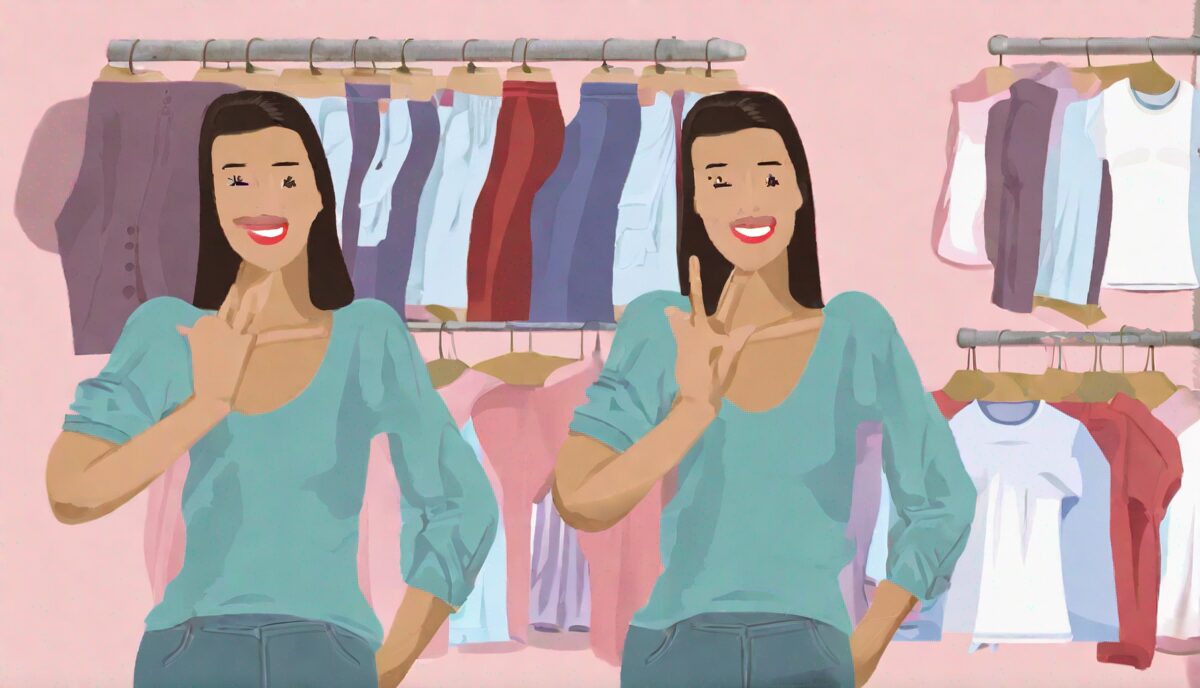
We’ve all had those comfy clothes that seem to wear in just right and feel nice and soft every time we put them on. But after many washes, those once-cozy t-shirts, sweaters, and jeans can start to feel scratchy, rough, and generally uncomfortable.
Fortunately, there are some easy ways to restore that soft, snuggly feel to your favorite pieces of clothing. With a few household items and some simple techniques, you can get your clothes feeling good as new again. Keep reading to learn how!
Regularly Change Over to a Gentle Laundry Detergent
The detergent you use to wash your clothes plays a big role in how soft or rough they feel. A lot of mainstream laundry detergents contain harsh cleaning agents and chemicals that can wear down cloth fibers over time.
For softer clothes, switch over to using a gentle, hypoallergenic detergent without perfumes or dyes. Those extra additives can leave behind residue that leads to stiffness and scratchiness.
Add Baking Soda to Your Wash Cycle
Baking soda is a natural fabric softener and cleaning booster. Add a half cup to your washing machine’s drum along with your regular detergent. The baking soda will help lift away dirt and odors without using harsh chemicals that damage fabrics.
Use Liquid Fabric Softener Sparingly
While most liquid fabric softeners do leave clothes feeling smooth and fluffy immediately after drying, they can coat fibers over time and cause clothes to lose their softness faster. Use fabric softener only for laundry loads that really need it, and skip it for things like workout clothes and towels.
Dryer Balls are a Great Natural Softener
Wool or rubber dryer balls are an eco-friendly way to naturally soften laundry. As they tumble around with your wet clothes in the dryer, they help separate and fluff up the fabrics. Dryer balls also cut down on unwanted static cling.
Use a Vinegar Rinse for Hard Water Buildup
If you live in an area with hard water, mineral deposits left behind on clothes can make them crispy and rough over time. Add distilled white vinegar to your rinse cycle to help dissolve that buildup and restore softness.
Frequently Asked Questions
What is the best laundry detergent for soft clothes?
Look for a gentle, hypoallergenic liquid laundry detergent without added perfumes, dyes or other harsh chemicals. Brands like Seventh Generation, Method, and Ecos are good options.
How do you soften old towels naturally?
For softer old towels, wash them in hot water using baking soda instead of detergent. Don’t use fabric softener or dryer sheets. Tumble dry towels with a few wool or rubber dryer balls to fluff and soften the fibers.
Does vinegar really soften clothes?
Yes! Adding distilled white vinegar to your washing machine’s rinse cycle helps dissolve mineral deposits that make clothes feel stiff and scratchy. It’s especially helpful if you have hard water.
Can I put rubbing alcohol in my washing machine?
You can add a half cup of rubbing alcohol along with your regular detergent to help sanitize clothes and remove stubborn odors like smoke. But don’t use it every time, as rubbing alcohol can dry out cloth fibers.
What is the best homemade fabric softener?
Baking soda and distilled white vinegar are two homemade ingredients that safely soften clothes. Make sure not to combine vinegar and baking soda in the same wash, as this creates a fizzy chemical reaction.
The Science of Fabric Texture and Fiber Degradation
To understand why clothing loses its “hand”—the industry term for how a fabric feels to the touch—we must look at fiber structure. Natural fibers like cotton, linen, and wool are composed of microscopic scales or strands. Over time, friction from agitation in the washing machine and high-heat drying causes these fibers to break, fray, and stand upright. This creates a rough, sandpaper-like texture. Furthermore, synthetic fibers like polyester and nylon can undergo “pilling,” where loose fibers tangle into small, abrasive knots. By minimizing mechanical stress and using pH-balancing agents, you can prevent these fibers from fraying prematurely, effectively preserving the structural integrity of your garments before they reach a point of no return.
Mastering Water Temperature for Fiber Longevity
While hot water is excellent for sanitizing, it is often the enemy of long-term softness. Excessive heat can cause natural fibers to shrink, twist, and harden. For everyday clothing, switching to a cold-water wash cycle is one of the most effective ways to maintain softness. Cold water prevents the swelling of fibers that leads to stiffening, and it reduces the likelihood of fiber breakage during the spin cycle. If you are dealing with particularly soiled items, use warm water only for the wash phase, but always ensure the rinse cycle uses cold water. This temperature shock can help relax fibers, keeping them supple rather than letting them set in a rigid, heated state.
The Importance of Proper Loading Techniques
Overloading your washing machine is a leading cause of “laundry fatigue,” where clothes rub against each other too aggressively, leading to premature wear and texture degradation. When the drum is packed too tightly, clothes cannot move freely, resulting in localized friction that strips away the natural softness of fabrics. Aim to fill your machine only about three-quarters full to allow for adequate movement. Additionally, always zip up zippers, close Velcro fasteners, and hook bras before washing. These metal and plastic components act as abrasive tools that snag and tear at softer fabrics like cotton or modal, creating micro-tears that feel scratchy against the skin.
Optimizing Drying Cycles and Air-Drying Strategies
The dryer is often where the most damage occurs. High heat settings can bake the remaining moisture out of fibers, leaving them brittle and stiff. To keep clothes soft, use the lowest heat setting possible, or better yet, a “tumble dry low” or “air fluff” cycle. Removing clothes from the dryer while they are still slightly damp and letting them finish air-drying on a rack prevents the “over-baked” stiffness that comes from excessive heat. If you prefer line-drying, do so in the shade; direct, harsh sunlight can bleach colors and make fibers feel stiff and papery. A quick shake of each garment before hanging it up helps realign the fibers, ensuring they dry in a relaxed, soft state.
Addressing Pilling and Fiber Restoration
Even with the best care, some pilling is inevitable, especially in high-friction areas like underarms or inner thighs. Once pills form, they catch on other fibers and create a coarse surface. Invest in a high-quality fabric shaver or a sweater stone to gently remove these pills without damaging the base fabric. By physically removing the abrasive knots, you instantly restore the smoothness of the garment. For sweaters, consider a gentle grooming comb to realign the fibers after shaving. This maintenance step should be done sparingly, as aggressive shaving can eventually thin the fabric, but it is a highly effective way to make an old, scratchy garment feel brand new again.
Choosing the Right Fabric Blends for Long-Term Comfort
Not all fabrics are created equal, and some are inherently more prone to stiffness. When shopping for comfort, look for natural fibers blended with a small percentage of elastane or spandex, which allows the fabric to stretch and recover without the fibers becoming permanently distorted or “baggy.” Conversely, be wary of 100% heavy-weight cottons if your water supply is particularly hard, as these fabrics act like magnets for mineral deposits. If you have sensitive skin, prioritize bamboo or Tencel (lyocell) fabrics. These materials have a naturally smooth, round fiber structure that resists the fraying and hardening that plagues cotton, remaining silky to the touch even after dozens of wash cycles.
Strategic Use of Enzymatic Cleaners
Sometimes, what feels like “stiffness” is actually a buildup of body oils, sweat, and dead skin cells that have oxidized within the fabric weave. This residue acts like a glue, binding fibers together and preventing them from moving fluidly. Standard detergents may not fully break down these organic compounds. Using an enzymatic laundry booster—specifically those containing protease or lipase—can digest these proteins and fats, clearing the pathways between fibers. By removing the “invisible” grime that accumulates over time, the fabric becomes naturally more flexible and breathable, returning to its original, supple state without the need for heavy chemical softeners.
Related posts:
 Keep Bugs Out of Your House Using This Kitchen Staple
 Vinegar Laundry Hacks
 Is the Dyson Supersonic Hair Dryer Worth the Splurge?
 Forget Bleach: This Kitchen Staple Cleans Everything
 Food 52 Dryer Balls: Eco-Friendly Laundry Essentials
 Why Your Clothes Might Be Causing That Mysterious Rash
 Irritation-Free Sweaters for Sensitive Skin
 Creative Ways to Use Baking Soda