Understanding lip anatomy is crucial before exploring natural lip fullness techniques. The lips consist of two main parts: the labia superior and inferior, supported by muscles and connective tissues. Unlike other facial features, lips lack oil glands, making them prone to dryness. This unique structure means methods to enhance lip volume must focus on hydration, elasticity, and strategic shaping rather than permanent alterations. Natural approaches prioritize health and safety, avoiding invasive procedures or synthetic fillers. By combining skincare, dietary adjustments, and targeted exercises, individuals can achieve a plumper appearance that complements their natural features.
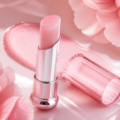
Hydration forms the foundation of naturally fuller lips. Dehydrated lips appear thinner and more pronounced wrinkles. Drinking adequate water daily ensures moisture retention in skin cells, including those in the lips. External hydration involves using lip balms with natural emollients like shea butter, coconut oil, or beeswax. These ingredients create a protective barrier, locking in moisture without clogging pores. Avoid alcohol-based products, which can strip natural oils. For deeper hydration, consider overnight lip masks containing hyaluronic acid or glycerin, which draw water into the skin. Regular application of these products, especially in dry climates, maintains lip suppleness and a fuller look.
Skincare routines tailored for the lips enhance their texture and volume. Exfoliation removes dead skin cells that dull the lips’ appearance. Gently buffing with a sugar scrub or a soft-bristled brush once or twice weekly stimulates circulation and promotes cell renewal. Follow exfoliation with a moisturizer containing antioxidants like vitamin E or rosehip oil to combat oxidative stress. Sun protection is equally vital; UV exposure breaks down collagen, leading to thinner lips. Apply a lip balm with SPF 30+ daily to prevent sun damage. Additionally, facial skincare products with retinol or peptides can improve lip elasticity over time by boosting collagen production, though patch testing is essential to avoid irritation.
Diet plays a significant role in lip health and perceived fullness. Foods rich in biotin, collagen, and omega-3 fatty acids support skin and tissue integrity. Biotin, found in eggs, nuts, and sweet potatoes, strengthens keratin infrastructure in lips. Collagen-rich foods like bone broth or supplements may reduce wrinkles, creating a fuller contour. Omega-3s from fatty fish, flaxseeds, or walnuts reduce inflammation, keeping lips hydrated. Conversely, excessive sugar or processed foods can dehydrate tissues, making lips appear thinner. Staying consistent with nutrient-dense meals ensures the body has resources to maintain healthy lip structure.
Targeted lip exercises can temporarily enhance fullness by engaging facial muscles. Puckering the lips into an ‘O’ shape for 30 seconds, three times daily, stretches the orbicularis oris muscle. This action may increase blood flow and muscle tone, creating a plumper appearance. Another exercise involves pressing the lips together firmly for 10 seconds, relaxing, and repeating. While these exercises don’t permanently alter lip size, they can improve muscle definition and elasticity. Consistency is key, as results depend on regular practice. Avoid over-exertion, which could lead to micro-tears or irritation.
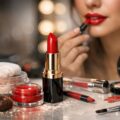
Makeup techniques can optically enlarge lips without synthetic fillers. Matte or satin finishes in warm tones like coral or soft pink create depth, while glosses add shine that reflects light, emphasizing volume. Applying a lightweight lip liner before color helps define the shape and prevent feathering. For a natural effect, layer a sheer tint followed by a medium-coverage lipstick. Avoid heavy textures that settle into fine lines. Additionally, using a lip plumping serum with caffeine or peptides before applying makeup can temporarily constrict blood vessels, reducing puffiness and enhancing contours. These products should be used sparingly to avoid dependency or adverse reactions.
Natural remedies offer gentle solutions for lip fullness. Aloe vera gel, known for its hydrating and healing properties, can be applied overnight to moisturize and repair dry skin. Coconut oil massage before bedtime improves circulation and nutrient absorption. Honey, with its antimicrobial properties, can be mixed with yogurt for a nourishing mask. However, patch testing is crucial, as some individuals may experience allergies. Herbal oils like jojoba or argan oil provide lightweight hydration without greasiness. These remedies work best when incorporated into a consistent skincare regimen rather than used sporadically.
Avoiding harmful products is essential for maintaining lip health. Many commercial lip products contain parabens, synthetic fragrances, or alcohol, which can dry out lips or cause allergic reactions. Opt for clean beauty brands that prioritize natural ingredients. Additionally, avoid biting or picking at lips, as this damages the skin barrier and can lead to uneven texture. Smoking also contributes to thinner lips by reducing blood flow and collagen production. Quitting smoking not only improves overall health but also enhances lip appearance over time.
Maintaining natural lip fullness requires ongoing care. Reassess hydration and skincare routines seasonally, as climate changes affect lip moisture. Adjust diets based on seasonal availability of nutrients. Continue gentle exercises and makeup techniques as needed. If lips become chronically dry or cracked, consult a dermatologist to rule out underlying conditions like eczema. Patience is vital, as natural methods yield gradual results rather than instant transformations. Celebrate small improvements to stay motivated and avoid unrealistic expectations.
FAQ
1. Are lip exercises safe for everyone?
Yes, gentle lip exercises are safe for most people. However, individuals with oral health issues or sensitive skin should consult a dentist or dermatologist before starting. Avoid overexertion to prevent micro-tears.
2. How long does it take to see results from natural methods?
Results vary but typically appear within 4-6 weeks with consistent care. Hydration and diet changes may show quicker improvements, while skincare and exercises require longer-term commitment.
3. Can diet alone make lips look fuller?
Diet supports lip health but works best in combination with hydration and skincare. Nutrient deficiencies can thin lips, so addressing them through food or supplements helps.
4. Are natural remedies like honey safe for daily use?
Honey is generally safe but should be patch-tested. Daily use may cause allergic reactions in sensitive individuals. Dilute honey with water or yogurt for safer application.
5. Do lip plumping serums have permanent effects?
No, lip plumping serums provide temporary results by constricting blood vessels. They should not replace healthy habits like hydration and exercise for long-term fullness.
Advanced Lymphatic Drainage for Lip Contour
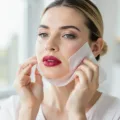
While topical hydration addresses the surface, facial congestion and fluid retention can sometimes obscure the natural definition of the lip line. Lymphatic drainage techniques, when applied with precision, can help reduce puffiness around the perioral area, making the actual lip border appear sharper and more prominent. To perform this, use your ring fingers—which apply the least amount of pressure—to gently tap along the vermilion border of the lips. Start at the center of the chin and move outward toward the corners of the mouth, then sweep toward the jawline. This movement encourages the movement of lymph fluid away from the mouth area. By reducing localized swelling in the surrounding skin, the structural volume of the lips becomes more visually distinct. This technique is most effective when paired with a facial oil like jojoba, which provides the necessary slip to prevent skin tugging.
The Role of Microcirculation and Temperature Therapy
Blood flow is the engine of lip plumpness. Increasing microcirculation brings oxygen and essential nutrients directly to the labial tissues, which can provide a temporary, natural boost in volume. Temperature therapy is a highly effective way to manipulate this process. Cold therapy, such as using a chilled jade roller or a cold spoon, is excellent for reducing inflammation and tightening the skin for a smoother appearance. Conversely, gentle warmth can be used to prep the lips for nutrient absorption. Applying a warm, damp cloth to the lips for two minutes before applying a hyaluronic acid serum helps dilates the superficial capillaries, allowing the active ingredients to penetrate deeper into the mucosal layer. This combination of thermal manipulation and active ingredients ensures that the lips are not just hydrated on the surface, but nourished within the upper layers of the dermis.
Seasonal Skincare Transitions for Lip Maintenance
A common mistake in lip care is using the same products year-round. The lips’ lack of sebaceous glands makes them hyper-sensitive to atmospheric changes. In winter, the focus must shift from mere hydration to heavy-duty occlusion. During cold, dry months, look for products containing lanolin or thick ceramides that act as a “second skin” to prevent trans-epidermal water loss (TEWL). In summer, the priority shifts to antioxidant protection and lightweight hydration. A heavy balm in high humidity can feel greasy and may actually trap sweat against the skin, leading to irritation. Instead, switch to a gel-based hydrating serum followed by a lightweight SPF-infused balm. Understanding these seasonal shifts prevents the cycle of chronic dryness that often occurs when a person fails to adapt their routine to the environment.
Addressing Perioral Dermatitis and Lip Sensitivity
Sometimes, the pursuit of fuller lips can lead to irritation, particularly when experimenting with “plumping” ingredients like menthol or cinnamon. It is crucial to distinguish between a healthy, temporary tingling and a reaction known as perioral dermatitis. If you notice small, red bumps or scaling around the mouth, your lip care routine may be too aggressive. When this occurs, the best approach is to strip the routine back to the basics: a bland, fragrance-free emollient and a complete break from all exfoliants and active ingredients. A healthy lip volume is impossible if the skin barrier is compromised. Prioritizing a healthy skin barrier through the use of soothing ingredients like panthenol (Pro-Vitamin B5) or allantoin can ensure that your lips remain smooth and resilient, providing the perfect canvas for any natural volumizing techniques.
The Impact of Sleep Hygiene on Lip Appearance
The connection between sleep quality and facial volume is often overlooked. During deep sleep cycles, the body undergoes significant cellular repair and protein synthesis, which is essential for maintaining the collagen and elastin that give lips their shape. Chronic sleep deprivation increases cortisol levels, which can lead to the breakdown of collagen and a loss of skin elasticity across the entire face, including the lips. Furthermore, sleeping on your side or stomach can cause “sleep lines” or mechanical compression of the lips against the pillow, which over time can contribute to premature fine lines around the mouth. Using a silk or satin pillowcase can reduce this friction and physical pressure, helping to preserve the natural contour and plumpness of the lips while you rest.
Integrating Facial Yoga for Structural Support
To supplement the orbicularis oris exercises mentioned previously, one should consider the broader facial musculature. The muscles of the cheeks (zygomaticus) and the muscles around the mouth (depressor anguli oris) work in tandem to support the lip area. If these surrounding muscles lose tone, the lips can appear to sag or recede. Integrating facial yoga movements that focus on lifting the corners of the mouth can create a more upward, youthful lift to the entire lower face. For example, smiling widely while keeping the lips closed and holding the tension for five seconds can help tone the zygomaticus muscles. This structural support provides a firmer foundation for the lips, ensuring that the volume you achieve through hydration and skincare is supported by a well-toned facial structure.