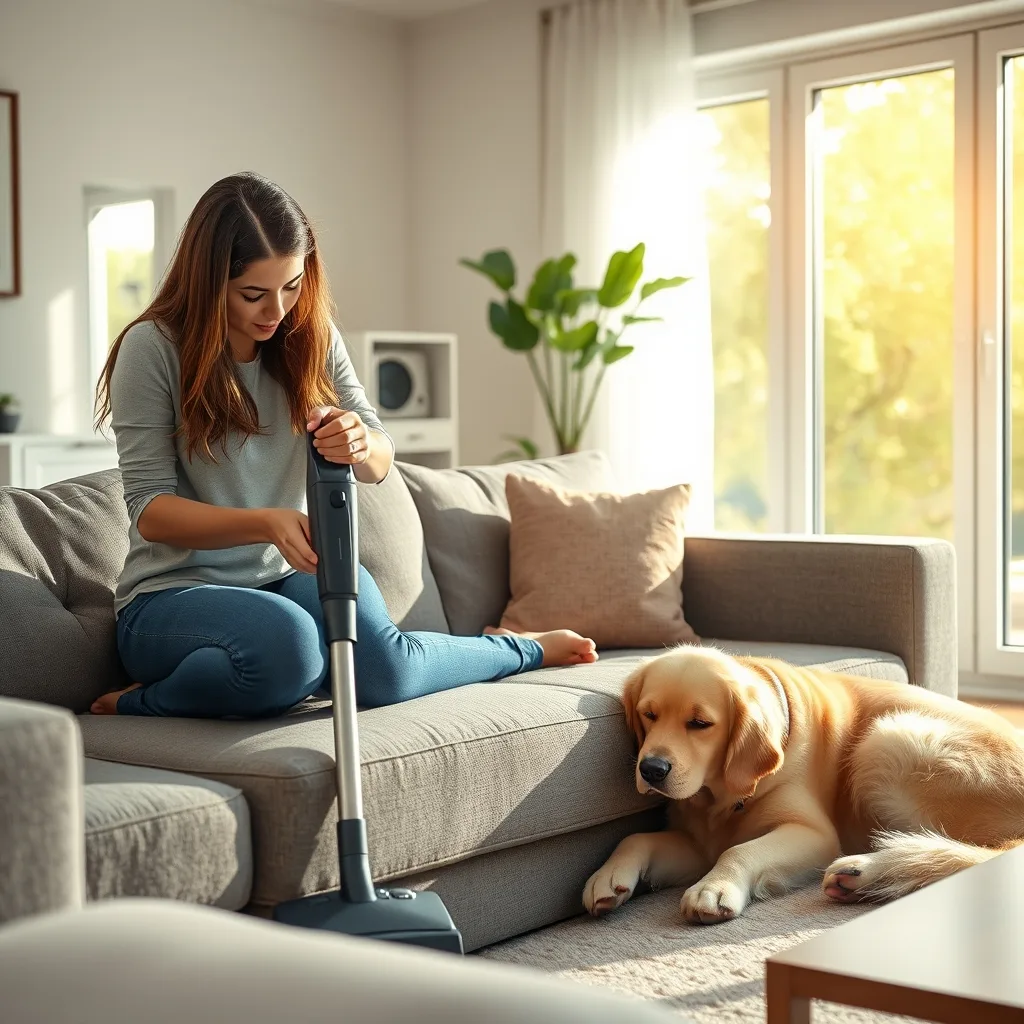
Living with pets is one of life’s greatest joys, but the reality of sharing a home with furry companions often comes with an inevitable byproduct: pet hair. When you share a living space—whether with roommates, a partner, or family members—managing this hair becomes a matter of both cleanliness and interpersonal harmony. Pet hair can accumulate rapidly on upholstery, carpets, and even shared surfaces, leading to frustration if not managed with a consistent, shared strategy.
Key takeaways
- Establish a regular pet grooming routine to reduce shedding at the source before hair settles on shared furniture.
- Invest in a HEPA-filter air purifier and a vacuum with a specialized brush roll to capture dander and trapped fur.
- Use rubber-bristled tools or damp gloves to pull hair from upholstery more effectively than standard lint rollers.
- Designate specific pet-free zones and cleaning responsibilities to maintain harmony and cleanliness among all household members.
Establishing a Consistent Grooming Routine
The most effective way to manage pet hair is to stop it at the source. Regular grooming is the single most impactful action you can take to keep shedding under control. Depending on your pet’s breed and coat type, daily or weekly brushing sessions can capture loose fur before it has the chance to settle onto your sofa or rugs. For dogs with heavy undercoats, using a de-shedding tool during peak shedding seasons is essential. If you live with others, rotate the responsibility of brushing. Not only does this lighten the load for one person, but it also fosters a positive bond between the pet and each household member. Keep grooming tools in a designated, accessible spot so that a quick five-minute brush-down becomes a natural part of your daily routine.
Selecting Pet-Friendly Furniture and Textiles
If you are in the process of furnishing your shared space, prioritize materials that naturally repel hair or make it easy to remove. Leather, faux leather, and tightly woven microfiber are excellent choices because hair tends to sit on the surface rather than weaving into the fibers. Avoid high-pile carpets, loose-knit blankets, and velvet, which act like magnets for fur. If you already own furniture that traps hair, use protective slipcovers that can be easily removed and machine washed. In a shared home, choosing neutral-colored fabrics that match your pet’s fur can also visually minimize the appearance of shedding between deep cleanings, reducing the pressure to keep the space perfectly pristine at all times.
The Strategic Use of Air Purifiers
Pet hair doesn’t just land on the floor; dander and fine, floating fur particles circulate through the air, eventually settling on every surface in your home. Investing in a high-quality air purifier with a HEPA filter is a game-changer for shared living. Place the unit in the main common area where your pet spends the most time. A good air purifier will catch airborne hair and dander before it has a chance to coat your electronics, bookshelves, or kitchen counters. This not only keeps the home feeling fresher but also helps manage potential allergens, which is crucial when living with others who may have varying sensitivities to pet dander.
Mastering Daily Maintenance Habits
In a shared living environment, small, consistent habits prevent a massive buildup that requires hours of cleaning. Keep a high-quality lint roller or a reusable silicone pet hair remover in the living room for quick touch-ups before guests arrive or when sitting down to relax. Implement a “no-pet-furniture” rule if necessary, or designate specific “pet-friendly” zones using blankets that can be tossed into the laundry weekly. By creating these boundaries, you ensure that high-traffic areas, like the dining table or guest seating, remain hair-free without requiring constant vacuuming. Encourage all housemates to be mindful of these small habits, as collective effort is the key to maintaining a shared space without resentment.
Optimizing Your Cleaning Toolkit
Not all vacuums are created equal when it comes to pet hair. If you are living with pets, a vacuum with strong suction and a specialized brush roll designed to prevent hair tangles is a non-negotiable investment. Look for models specifically marketed for pet hair, which often include attachments for upholstery and tight corners. Beyond the vacuum, keep a rubber squeegee on hand; the rubber texture creates static that pulls hair out of carpet fibers and upholstery in a way that standard vacuums often miss. By having the right tools readily available, you reduce the physical labor required to keep your shared space tidy, making cleaning feel like a manageable chore rather than a daunting project.
Managing Laundry and Bedding
Pet bedding and shared blankets are often the primary culprits for hair accumulation. To manage this, establish a weekly laundry schedule. Before putting pet-related items into the washing machine, give them a vigorous shake outdoors or use a dryer cycle on a “no heat” setting with a dryer sheet to loosen the fur. Adding a half-cup of white vinegar to the rinse cycle can help relax the fabric fibers, making it easier for the hair to detach and flush away. Always clean the lint trap in your dryer immediately after drying pet bedding to ensure maximum airflow and safety, and consider using dedicated laundry bags for pet items to prevent hair from transferring to your own clothing.
Communication and Shared Responsibilities
The most important element of managing a shared space is communication. If you live with others, have an open conversation about the “pet hair threshold.” What one person considers clean, another might find bothersome. Establish a cleaning rotation that feels fair to everyone. Perhaps one person handles the weekly vacuuming of the common areas, while another manages the laundering of shared throws. By formalizing these tasks, you avoid the “chore resentment” that can build up in shared households. Remember to approach these conversations with empathy—living with pets is a shared benefit, so the responsibility of maintaining the home should be a shared endeavor as well.
Final Tips for Long-Term Success
Consistency is your greatest ally. Rather than waiting for the weekend to tackle a massive cleaning project, try to spend ten minutes each evening tidying up. Keep a dedicated “pet bin” in common areas to store toys, brushes, and wipes. If your pet is prone to heavy shedding, discuss nutritional support with your veterinarian; sometimes, a diet rich in Omega-3 fatty acids can improve coat health and reduce excessive shedding. By integrating these practices into your daily life, you can enjoy the companionship of your pet without letting hair take over your home, ensuring a comfortable and welcoming environment for every human and animal in the space.
Deep-Cleaning Techniques for Hard-to-Reach Crannies
While standard vacuuming tackles open floor space, pet hair has a notorious habit of migrating into the “invisible” zones of a shared home. Baseboards, crown molding, and the gaps between floorboards act as static-charged magnets for dander and fine undercoat shed. To manage these, move beyond the vacuum head and utilize a microfiber cloth lightly misted with a diluted fabric softener solution; the anti-static properties repel hair from clinging to the trim. For radiator vents and air returns, which often blow accumulated fur back into the room the moment the HVAC kicks on, use a vacuum brush attachment or a specialized vent-cleaning wand every two weeks. When sharing a home, assigning these “hidden” cleaning tasks to a rotating monthly schedule ensures that no single person is responsible for the tedious work of detailing the home’s architecture.
The Science of Static and Humidity Control
Pet hair is highly susceptible to static electricity, which causes it to cling stubbornly to synthetic fabrics like nylon, polyester, and acrylic common in modern rugs and upholstery. In drier climates or during winter months when indoor heating lowers humidity, static levels spike, making hair removal a nightmare. Integrating a humidifier into your shared living space can significantly reduce this charge. When the air is properly hydrated, hair is less likely to cling to curtains or couch cushions, instead settling gently on the floor where it is easily picked up by a vacuum. If you notice your clothes or furniture are particularly “sticky” with fur, a light misting of an anti-static spray on your fabrics can act as a barrier, causing hair to shed away naturally rather than weaving itself into the weave of your textiles.
Managing Seasonal Shedding Cycles
Most pets undergo significant “blowouts” during the transition from winter to spring and summer to fall. During these peak periods, the amount of hair in a shared home can triple, rendering standard cleaning habits insufficient. Prepare for these spikes by creating a seasonal “shedding station” near the entryway. Keep a stash of grooming wipes, a shedding blade, and a small handheld vacuum right by the door to manage the hair immediately as your pet enters the house. If you share a home, propose a “heavy-duty week” during these transition months where everyone agrees to increase vacuuming frequency. Treating these seasonal shifts as an expected event rather than a surprise helps prevent roommate friction, as everyone is mentally and physically prepared for the temporary increase in required maintenance.
The Role of Flooring Transitions and Entryway Mats
One of the most effective ways to contain pet hair is to prevent it from migrating between zones. If your living space has a mix of hardwood floors and carpet, the transition threshold often acts as a collection point for fur. Place high-traction, heavy-duty rubber-backed mats at every room threshold, particularly between the living area and bedrooms. These mats work by catching hair on the pet’s paws as they walk from room to room, preventing the “tracking” of shed fur into cleaner, hair-free zones. In a shared home, these mats serve as visual boundaries that help housemates understand where pet movement is most concentrated. Choose mats that are machine-washable and low-profile to avoid tripping hazards, and make it a habit to shake them out outside whenever you take the pet for a walk.
Advanced Upholstery Care: Beyond the Lint Roller
Lint rollers are excellent for quick fixes, but they are often inefficient for deep-cleaning large sofas or armchairs, leading to excessive waste and cost. For shared living spaces with heavy pet traffic, invest in a dedicated upholstery rake or a rubber-bristle brush designed for furniture. These tools work by pulling hair from deep within the fabric weave without damaging the material. When cleaning, work in a grid pattern rather than random circular motions; this ensures you are pulling hair out of the fibers rather than just pushing it around. If you are dealing with a particularly stubborn fabric, a damp rubber dishwashing glove is often superior to any commercial tool. The friction combined with the tacky surface of the rubber allows you to lift hair in bulk, which is far faster than peeling off dozens of sticky sheets from a lint roller.
Implementing “Pet-Free” Furniture Zones
In a shared living arrangement, it is often necessary to designate specific pieces of furniture as “human-only” zones to ensure there is always a clean place for guests or housemates to sit. Use subtle visual cues to enforce these boundaries, such as placing a decorative throw pillow or a structured tray on the seat of the chair, which discourages the pet from jumping up. If a pet is persistent, consider using double-sided furniture tape or specialized pet-deterrent mats that provide a mild, harmless sensation when touched. By maintaining a clear distinction between “pet furniture” and “shared furniture,” you provide a sanctuary for those who may be sensitive to dander or simply prefer not to have hair on their work clothes, effectively balancing the needs of the pet with the comfort of all household residents.
Frequently Asked Questions
Q: What is the fastest way to remove pet hair from a couch? A: A rubber-tipped squeegee or a damp rubber glove is incredibly effective. Simply drag the surface across the fabric; the friction and static will cause the hair to clump together, making it easy to pick up in one go.
Q: How often should I vacuum a shared living space with pets? A: In a high-traffic shared space, aim for at least twice a week. If you have multiple pets, daily quick-passes with a cordless stick vacuum can prevent hair from settling deep into carpet fibers, making your weekly deep clean much faster.
Q: Do air purifiers actually help with pet hair? A: Yes, but specifically those with HEPA filters. While they won’t pick up heavy hair on the floor, they capture the fine, floating fur and dander that eventually settles on furniture and electronics, significantly reducing the amount of dust and hair buildup in the room.
Q: How can I prevent pet hair from sticking to my laundry? A: Using wool dryer balls can help reduce static and separate fabrics in the dryer, allowing more hair to be captured by the lint trap. Additionally, shaking out items thoroughly before they enter the wash prevents hair from being “locked in” during the wash cycle.
Q: How should I handle a roommate who is sensitive to pet hair? A: Open communication is vital. Establish specific “pet-free” zones, such as the roommate’s bedroom or specific shared furniture, and invest in an air purifier for the common area. Being proactive about cleaning and respecting personal boundaries will help maintain a positive relationship.
Related posts:
 Hair Accessory Hygiene: The Gross Truth About Dirty Hair Ties
 Silk Hair Ties: Gentle on Hair, Tough on Tangles
 Hair Slugging Beauty Trend Guide
 Blow Drying Hair Without Damage: Expert Tips
 Perfect Curly Hair Routine
 Luxury Hotels That Pamper Your Pet as Much as They Pamper You
 How to Introduce a New Pet to Your Children
 Zoe Kravitz’s Coconut Oil Hair Care Secret