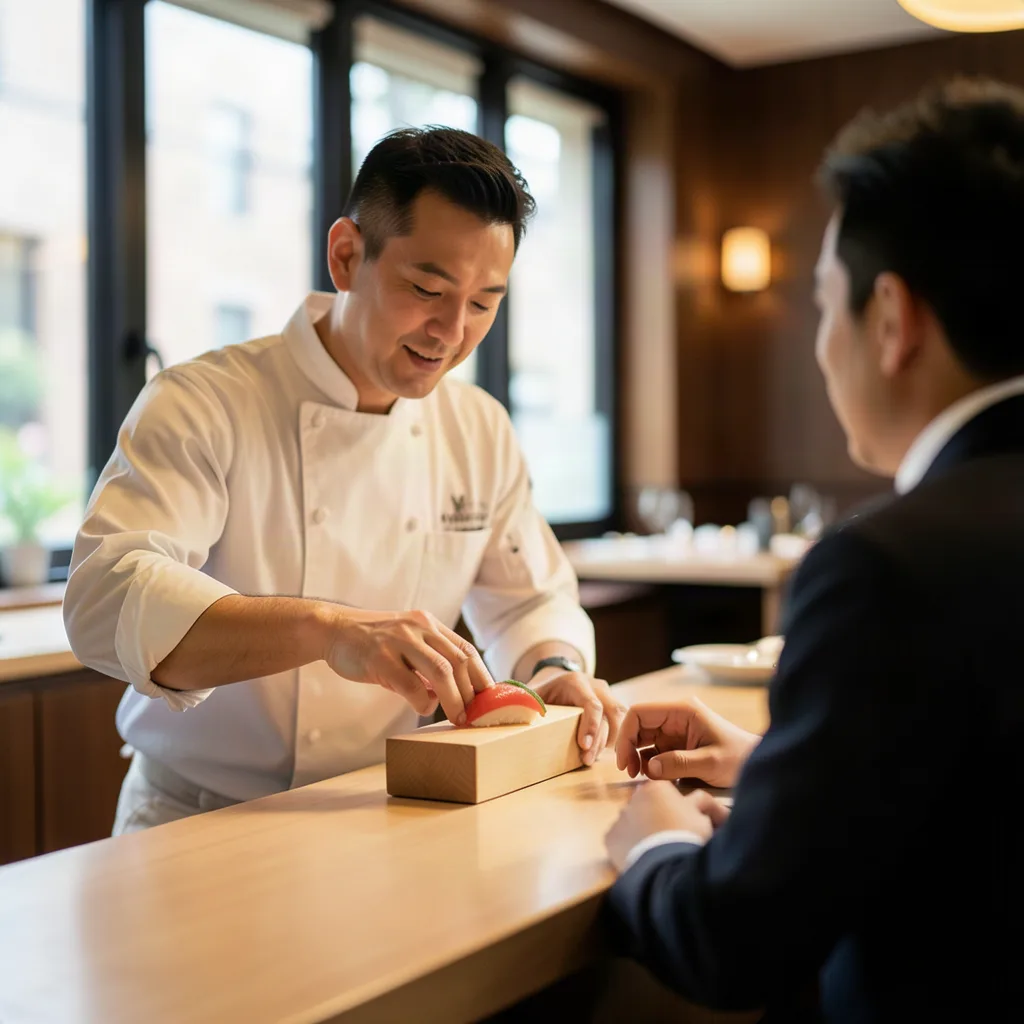
Ordering sushi can feel intimidating if you’re unfamiliar with the traditions, terminology, and unspoken etiquette surrounding this beloved Japanese cuisine. Whether you’re at a casual conveyor belt restaurant or a high-end omakase counter, knowing how to navigate a sushi menu and interact with chefs transforms the experience from stressful to genuinely enjoyable. This guide walks you through everything you need to know to order sushi with confidence, from understanding menu items to respecting cultural norms and maximizing flavor.
Key takeaways
- Identify key menu categories like nigiri, maki, and sashimi to communicate your preferences clearly to servers.
- Start with mild fish like salmon or tuna to build your palate before trying more complex or adventurous ingredients.
- Dip only the fish side of nigiri into soy sauce to prevent the seasoned rice from absorbing too much liquid.
- Communicate all dietary restrictions, such as gluten or shellfish allergies, directly to your server to ensure a safe experience.
Understanding Sushi Menu Basics
A typical sushi menu organizes items into recognizable categories that help you navigate options quickly. Nigiri refers to sliced raw fish draped over a small mound of seasoned rice, while maki are rolls where ingredients are wrapped in nori (seaweed) and sliced into rounds. Sashimi is pure sliced fish without rice, and chirashi is a rice bowl topped with assorted ingredients. Understanding these categories prevents confusion and helps you communicate clearly with your server or the chef.
Most menus list fish by both Japanese and English names. Maguro is bluefin tuna, while toro is the fatty, buttery belly cut of the same fish. Sake refers to salmon, hamachi is yellowtail, and ebi is shrimp. Learning a few key names helps you identify what you’re ordering and opens conversations with experienced servers. Don’t hesitate to ask your server to explain unfamiliar terms—good restaurants expect and welcome questions.
Price points vary dramatically based on fish quality and sourcing. Premium offerings like toro, uni (sea urchin), and otoro (extra-fatty tuna belly) command higher prices than more accessible options like tuna or cucumber rolls. Understanding this hierarchy helps you budget appropriately and make intentional choices rather than feeling caught off guard at the register.
Navigating Raw Fish Options
If you’re nervous about eating raw fish, start with familiar options. Salmon, tuna, and shrimp are excellent entry points because they’re relatively mild and widely available. Many people find salmon’s subtle sweetness and buttery texture approachable, while tuna offers a cleaner, more delicate flavor. If you prefer cooked options, most restaurants offer ebi (cooked shrimp), tako (octopus), and hot items like teriyaki chicken or tempura-fried options.
Freshness is non-negotiable in sushi restaurants. Fish should smell like the ocean, not fishy or off-putting. At reputable establishments, sushi-grade fish is frozen at extreme temperatures to eliminate parasites before being thawed to order. This process is standard and actually makes sushi safer than many people realize. If you have concerns about raw fish consumption, ask your server about the restaurant’s sourcing practices and freezing protocols.
Pregnant individuals, immunocompromised people, and those with specific health conditions should consult their healthcare provider about raw fish consumption. Many sushi restaurants offer fully cooked alternatives that provide similar experiences without these considerations. Communicating your preferences or restrictions to your server ensures they can guide you toward appropriate options.
Building a Balanced Order
Rather than ordering randomly, think about balance and variety. A well-rounded sushi meal includes different textures, flavors, and rice-to-fish ratios. Start with a light, delicate nigiri or two to acclimate your palate. Then move to a roll that introduces different textures and flavors—perhaps a spicy tuna roll or a vegetable roll if you prefer non-fish options. Follow with another nigiri selection featuring a different fish, then return to another roll if desired.
Sashimi offers an excellent palate cleanser between different rice-based items. A small sashimi selection of 3-5 pieces gives you concentrated flavor and texture without the rice heaviness. Many chefs recommend eating sashimi in the middle of a meal to reset your palate before trying new nigiri or roll combinations.
For a typical meal, four to six pieces of nigiri, one to two rolls, and optionally a small sashimi selection create a satisfying, balanced experience without overwhelming your stomach. Listen to your body’s fullness cues—sushi rice is filling, and quality ingredients are meant to be savored rather than rushed through in large quantities.
Ordering at Different Sushi Venues
Conveyor belt restaurants (kaiten sushi) operate on a first-come, first-served basis where plates circulate on a moving belt. You simply grab plates that appeal to you, and servers track your bill by plate color and price. This casual, low-pressure format works beautifully for beginners because you can visually identify items and take time deciding. Most conveyor restaurants are incredibly affordable, making them perfect for experimenting without financial pressure.
Traditional table-service restaurants offer more personalized attention. Your server can answer questions, make recommendations, and communicate your preferences to the kitchen. This setting works well when you have specific requests or dietary considerations that need explanation. Don’t hesitate to tell your server “I’m new to sushi” or describe flavor profiles you enjoy—experienced servers excel at guiding newcomers toward items they’ll genuinely appreciate.
Omakase (chef’s choice) represents the premium experience where you sit at the counter and the chef crafts a personalized progression of items based on that day’s finest ingredients and your stated preferences. This typically requires budget planning because it’s the most expensive option, but it offers an educational, interactive experience. Before committing to omakase, confirm the price range with your server so there are no surprises.
Communicating Your Preferences Clearly
Most sushi restaurants accommodate modifications and preferences gracefully. If you don’t eat raw fish, say so explicitly and ask for recommendations. If you prefer less rice, most chefs will adjust. If you’re allergic to shellfish or sesame, communicate this clearly and ask your server to note it in the system. Allergies are serious, and reputable restaurants take them very seriously.
Spice levels are another common request. Many rolls include spicy mayo or sriracha—if heat bothers you, ask for these on the side or omitted entirely. Conversely, if you crave more spice, ask your server to recommend their spiciest items or request extra spicy mayo on your selections.
Cultural and religious dietary considerations deserve respect. Inform your server if you keep kosher, are vegan, or follow any other dietary practice. Many sushi restaurants have accommodated these preferences for years and have excellent recommendations ready to go. The more specific you are about your needs, the better your server can serve you.
Mastering Sushi Eating Etiquette
Sushi is traditionally eaten by hand, not chopsticks, though using chopsticks is equally acceptable in modern settings. Grab a piece between your thumb and forefinger, keeping the rice side down so it makes contact with your tongue first. This allows you to taste the rice and fish together as intended. Pop the entire piece into your mouth in one bite to experience all flavors simultaneously.
Dipping etiquette matters more than you might expect. Dip only the fish side of nigiri into soy sauce, not the rice side, which absorbs too much liquid and becomes overly salty. For rolls, dip the fish-wrapped end only. If eating sashimi, dip it fully into soy sauce since there’s no rice to absorb excess liquid. Ginger is meant as a palate cleanser between different fish, not a condiment to pile on every piece.
Wasabi is a personal choice, not an expectation. Some people enjoy its sharp heat; others find it overwhelming. Many restaurants include small wasabi portions on or beside nigiri—use as much or as little as appeals to you. Mixing wasabi into your soy sauce is acceptable, though some traditionalists prefer keeping them separate to control intensity.
Reading Your Ingredients and Asking Questions
Most sushi menus provide ingredient lists for rolls, but specifics aren’t always obvious. “Rainbow roll” could contain several different fish or just a few. “Spider roll” typically includes soft-shell crab, but preparation varies by restaurant. Don’t guess—ask your server to describe ingredients so you know exactly what you’re ordering. This prevents disappointing surprises and helps you make informed choices.
Unfamiliar ingredients present opportunities for adventure or clear dismissal, depending on your comfort level. If your server mentions uni (sea urchin) and you’re unsure about it, ask for a description. Uni has a unique briny, creamy flavor that people either love or find challenging. Trying it once in a low-pressure setting helps you decide if it’s worth exploring further.
Some restaurants feature seasonal or special items not on the standard menu. Your server or the chef can describe these offerings and help you decide if they align with your preferences. These special items often represent the chef’s most creative work and can become memorable highlights of your meal.
Timing Your Order for Maximum Flavor
At table-service restaurants, consider ordering in waves rather than all at once. Start with lighter items like cucumber rolls or delicate white fish, then progress to richer options like toro or spicy rolls. This progression trains your palate gradually and prevents flavor fatigue where everything tastes the same by the end of your meal. Your server can help coordinate timing so items arrive when you’re ready for them.
Temperature matters for certain items. Nigiri and sashimi should be consumed relatively quickly after preparation because they’re best served at cool room temperature. Rolls stay pleasant longer. If you’re at a conveyor belt restaurant and see items that look like they’ve been sitting for a while, it’s perfectly acceptable to pass and wait for a fresh batch to arrive.
Ask your server about the chef’s recommendations for that particular day. Restaurants receive different fish depending on availability and season, so the best item today might not be available next week. Chefs often recommend what’s exceptional that day, and following their guidance usually leads to delicious discoveries.
Navigating Dietary Restrictions and Preferences
Vegetarian and vegan diners have excellent sushi options despite the cuisine’s traditional seafood focus. Cucumber rolls (kappa maki), avocado rolls, pickled vegetable rolls, and plant-based tempura rolls satisfy vegetarian requirements completely. Many restaurants now offer vegan mayo alternatives and can accommodate fully plant-based orders with notice. Ask your server about options specifically rather than assuming they’re unavailable.
Gluten-free dining requires more attention since soy sauce traditionally contains wheat. Restaurants increasingly stock tamari or other gluten-free soy alternatives, but communicate your needs clearly. Rice in sushi is naturally gluten-free, and most fish and vegetables are too, so many components work for gluten-conscious diners. Ask your server about preparation methods and cross-contamination concerns if you have celiac disease.
Nut allergies are important to mention because some rolls include sesame seeds (technically seeds, not nuts, but worth clarifying if you have allergies), and some restaurants use peanut oil or have other nut products in their kitchen. Always inform your server of allergies so they can alert the chef and ensure safe preparation.
Understanding Pricing and Value
Sushi pricing reflects ingredient quality, preparation skill, and restaurant overhead. Premium fish like toro and uni naturally cost more than tuna or cucumber rolls. Specialty rolls with multiple ingredients and careful presentation cost more than simple options. Understanding this helps you appreciate why prices vary rather than feeling surprised or overcharged.
Many restaurants offer combination sets at better value than ordering items individually. A “sushi for two” platter or “chef’s selection” might include 10-15 pieces for less than you’d pay ordering separately. These sets often represent excellent value and variety, making them smart choices for first-time visitors or people uncertain about what to order.
Restaurant location, ambiance, and chef reputation influence pricing significantly. A casual neighborhood spot charges less than a renowned chef’s restaurant in a premium location. Neither is inherently better—they offer different experiences at different price points. Know your budget going in so you can make choices aligned with your comfort level.
Mastering Rice Selection and Preparation Standards
The rice foundation of sushi deserves far more attention than most diners give it. Sushi rice isn’t simply cooked rice—it’s seasoned with a precise balance of vinegar, sugar, and salt that transforms plain grains into something with subtle sweetness and gentle tang. Quality sushi restaurants prepare rice fresh daily, sometimes multiple times throughout service, because rice begins drying out and losing its ideal texture within hours. When you bite into exceptional nigiri, the rice should feel slightly sticky but not mushy, with individual grains remaining distinct rather than clumping together. The temperature matters enormously too—properly prepared sushi rice should be served at body temperature or slightly cooler, never cold from refrigeration, because cold rice becomes grainy and loses the subtle flavors the vinegar seasoning provides.
Different regional styles of sushi use rice at varying grain sizes and seasoning intensities. Tokyo-style sushi typically features smaller, more delicate grains with restrained vinegar seasoning, while Osaka-style uses slightly larger grains with bolder seasoning. Some high-end omakase restaurants prepare their rice fresh for each customer, allowing them to adjust seasoning or temperature to individual preference. If you notice rice tastes overly vinegary or bland at a restaurant, mention this to your server—it often indicates either improper preparation or rice that’s been sitting too long. Premium establishments take this feedback seriously because rice quality is fundamental to their reputation.
Understanding rice selection helps you appreciate pricing differences between establishments. Restaurants using premium short-grain Japanese varieties like Koshihikari command higher prices than those using standard sushi rice. Some chefs experiment with brown rice, mixed-grain preparations, or even cauliflower bases for dietary reasons, and these variations deserve curiosity rather than dismissal. Asking your server about rice sourcing and preparation reveals a restaurant’s commitment to fundamentals.
Recognizing Fish Quality and Seasonal Availability
Fish quality depends on multiple factors beyond simple freshness, and understanding these differences transforms how you evaluate menu offerings and pricing. The best sushi restaurants receive deliveries from specific fishmongers or Japanese importers multiple times weekly, ensuring access to peak-quality specimens. When a chef selects fish, they’re evaluating color (vibrant, not dull), marbling (appropriate fat distribution for that species), firmness (proper texture when lightly pressed), and aroma (clean oceanic smell, never ammonia). This assessment happens behind the scenes, but recognizing that careful selection occurs helps you understand why premium restaurants charge more than casual establishments.
Seasonal variations affect both availability and optimal preparation methods. Spring brings lighter white fish and delicate flavors that chefs showcase in simple nigiri. Summer favors fatty fish and richer preparations. Fall and winter bring premium toro and uni as these ingredients reach their peak. A chef’s seasonal menu isn’t arbitrary—it reflects when specific fish are at their finest. Asking your server what’s exceptional right now, rather than ordering the same items you always do, often leads to discovering why certain fish commanded high prices. A perfectly ripe uni in November tastes distinctly different from July uni, and understanding this seasonal variation deepens your appreciation for the cuisine.
Wild-caught versus farm-raised represents another quality consideration worth discussing with your server. Wild-caught fish often commands premium pricing because of scarcity, but farm-raised options can be excellent depending on farming practices. Some restaurants proudly feature farm-raised offerings because specific farms maintain exceptional standards and sustainability practices. Rather than assuming wild-caught automatically means better, ask your server about sourcing. Many chefs will explain their reasoning for choosing specific suppliers and preparation methods, revealing genuine expertise and commitment to quality.
Exploring Advanced Preparation Techniques Beyond Basic Nigiri
Beyond straightforward sliced fish over rice, skilled chefs employ sophisticated techniques that completely transform ingredients into different experiences. Aburi (lightly seared) nigiri applies heat to the top of fish using a torch, creating contrast between a warm, partially cooked exterior and cool raw center. This technique appears deceptively simple but requires precise timing and temperature control—sear too long and you overcook the delicate flesh, too briefly and you miss the flavor-enhancing Maillard reaction. Asking about aburi preparations on the menu often reveals which chefs are willing to experiment beyond tradition and what ingredients they feel benefit from this treatment.
Aged fish represents another advanced technique where chefs allow specific fish to dry-age for defined periods, concentrating flavors and creating textures impossible to achieve with fresh fish alone. Aged toro develops deeper umami and more assertive flavors than fresh toro, creating an entirely different eating experience. Some diners prefer the brightness of fresh fish while others find aged preparations more complex and interesting. Asking your server about aged options and understanding how this process works helps you make informed choices and appreciate why aged offerings cost significantly more than standard preparations.
Sous-vide cooking appears in some contemporary sushi restaurants, where fish is vacuum-sealed and cooked in precisely controlled water baths, resulting in uniform texture and temperature from center to edge. This technique works beautifully for delicate fish that’s difficult to cook evenly using traditional methods. Asking about cooking techniques on special items reveals whether a restaurant embraces modernization thoughtfully or simply experiments randomly. Understanding the chef’s reasoning behind technique choices helps you decide whether adventurous preparations appeal to you.
Navigating Non-Traditional Rolls and Fusion Offerings
Modern sushi menus increasingly feature fusion rolls and creative compositions that diverge dramatically from traditional preparations, creating opportunities for both delicious discovery and occasional disappointment. These offerings represent chefs’ attempts to make sushi accessible to different palates or to showcase creativity within the framework of a recognizable format. A spicy tuna roll with mayo might horrify traditionalists, but it genuinely appeals to people who enjoy heat and richness. Asking your server how adventurous the kitchen gets, and whether they have recommendations for bridge items between traditional and contemporary styles, helps you navigate this spectrum confidently.
Ingredient-specific rolls sometimes feature unexpected components that transform the entire experience. Rolls incorporating fruit like mango or passion fruit introduce sweetness that requires different palate preparation than savory traditional rolls. Rolls featuring unusual proteins like duck or beef represent the chef’s imagination and skill at working outside strictly seafood domains. These creative offerings aren’t inherently better or worse than traditional options—they’re simply different, and trying them occasionally prevents palate boredom and supports chef creativity. If a fusion roll doesn’t appeal to you, ordering it doesn’t make you adventurous; skipping items outside your preferences makes good intuitive sense.
Temperature contrasts represent another contemporary technique where rolls combine warm and cold elements deliberately, creating textural interest and flavor complexity. Tempura-fried components in rolls introduce crunch that contrasts with soft rice and fish. These preparations often cost more because of added labor and technique, but they offer genuine pleasure when executed well. Asking about warm components in rolls helps you decide whether temperature contrasts appeal to you, and understanding they add labor and ingredients helps you appreciate their pricing.
Developing Palate Sophistication Through Comparative Tasting
Advancing your sushi appreciation beyond simple “I like this” or “I don’t like this” involves learning to identify and articulate specific flavor and texture elements. White fish like flounder and halibut share delicate, mildly sweet profiles but with subtle differences in density and subtle flavor notes—tasting them side-by-side reveals distinctions that eating either alone might obscure. Asking your server if they can prepare a small tasting of three different white fish options, or if the chef would recommend a progression showcasing fish variety, transforms a meal into a learning experience.
Understanding how wasabi, ginger, and soy sauce modify fish perception helps you use these accompaniments intentionally rather than habitually. Wasabi’s sharp heat numbs palate receptors temporarily, fundamentally changing how subsequent bites taste. Ginger’s brightness and slight spice cleanse the palate, resetting your taste buds between different fish. Soy sauce adds umami depth and saltiness. Experimenting with consuming these elements in different orders, or occasionally omitting them entirely, reveals how dramatically they influence your experience. Some chefs prepare complementary side dishes specifically designed to reset your palate between major courses—asking about these intentional pairings shows the chef’s thought process and respect for flavor progression.
Developing this sophistication takes time and experimentation, but keeping mental notes about what you enjoyed at different restaurants helps you identify patterns in your preferences. Do you consistently gravitate toward fatty fish or lean preparations? Do you prefer assertive flavors or delicate subtlety? Do temperature contrasts excite you or feel gimmicky? These patterns aren’t universal truths—they’re personal preferences that deserve honoring. Communicating what you’ve discovered about your preferences to servers helps them make better recommendations tailored specifically to what you actually enjoy.
Understanding the Economics Behind Pricing and Value Perception
Sushi restaurant economics differ significantly from typical restaurants, helping explain why prices sometimes feel high and why value varies so dramatically between establishments. Premium fish represents the largest cost component—a single piece of toro might cost a restaurant fifteen to twenty-five dollars wholesale, meaning a two-piece order barely covers product cost before labor and overhead. This explains why prices for high-end offerings genuinely reflect scarcity and quality rather than restaurant markup. Understanding this cost structure helps you appreciate why a restaurant can’t offer premium fish at budget prices without compromising their entire operation.
Labor costs constitute the second major expense category because sushi preparation demands years of skilled training. A sushi chef in an omakase setting might prepare only ten to fifteen orders daily to maintain quality and customer interaction, meaning their salary must be amortized across relatively few transactions. This economic reality explains why omakase costs significantly more than casual sushi bar offerings—you’re paying directly for expertise and attention. Budget restaurants operate on volume rather than premium ingredients or technique, which explains lower prices but also why you might encounter quality variations or ingredient shortcuts.
Storage and waste represent hidden costs that diners rarely consider but significantly impact pricing. Fish that doesn’t sell becomes waste, and sushi restaurants maintain higher spoilage rates than many food businesses because they prioritize freshness over turnover. A restaurant might need to purchase fifty dollars worth of fish daily to safely sell thirty-five dollars worth, absorbing the difference. Operating in expensive urban locations with premium rent adds another significant cost layer that restaurants must recoup through pricing. Understanding these economics helps you evaluate whether a restaurant’s prices represent fair value for their quality and location, rather than simply comparing numbers on menus.
Building Long-Term Relationships with Restaurants and Chefs
Becoming a regular customer at a sushi restaurant creates opportunities for increasingly personalized experiences that casual diners never access. When chefs recognize you, they start learning your preferences without your asking. They might reserve exceptional pieces for you, prepare special off-menu items, or experiment with techniques they’re developing. These perks emerge organically from relationship-building rather than formal request, and they represent genuine rewards for loyalty. Visiting the same restaurant regularly, ordering consistently, and tipping appropriately signal to the chef and staff that you value their work.
Communicating appreciation for specific preparations helps chefs understand what resonates with you and encourages them to prepare similar items in future visits. If you loved a particular aburi preparation, mentioning this to the chef creates opportunity for them to prepare a similar item next visit or experiment with related techniques. Conversely, if something disappointed you, mentioning this constructively rather than critically opens dialogue for improvement. Chefs genuinely want customers to enjoy their food, and feedback delivered respectfully contributes to better experiences for everyone.
Understanding that chefs appreciate customers who challenge them appropriately—through adventurous ordering choices or genuine questions about technique—helps you participate in the culinary community rather than simply consuming. Asking a chef why they chose particular preparation methods, or requesting their opinion on whether you’re ready to try advanced items, shows respect for their expertise. Over time, these interactions transform from transactional restaurant visits into genuine engagement with culinary craft. You’ll find yourself eating better sushi, understanding it more deeply, and discovering that the chef remembers your preferences without needing to ask twice.
Frequently Asked Questions
What should I do if I’m worried about mercury in raw fish? Mercury concerns are valid, though sushi consumption in typical quantities poses minimal risk for most people. Varying your fish choices rather than eating the same species repeatedly helps minimize exposure. Pregnant individuals and those with specific health concerns should discuss fish consumption with their healthcare provider. Many restaurants offer cooked alternatives that provide similar experiences—ask your server for recommendations if you prefer to avoid raw fish.
Is it rude to use chopsticks instead of eating with my hands? Not at all. While sushi is traditionally eaten by hand, using chopsticks is completely acceptable in modern settings, including Japan. Choose whichever method makes you most comfortable. The focus should be on enjoying your meal, not adhering to rules that might create stress.
How much should I tip at a sushi restaurant? Tipping standards follow typical restaurant norms in your country. In the United States, 15-20% of your pre-tax bill is standard for good service. At omakase counters where the chef interacts with you directly, some people tip slightly more as appreciation for the personalized experience and craft involved.
What if I accidentally break a piece of nigiri with my chopsticks? Don’t worry—it happens frequently, even to experienced sushi eaters. Gently scoop it into your mouth or onto a small plate without making a big deal of it. Chefs understand that nigiri is delicate, and accidents are expected and forgiven. Your server won’t judge you, and neither should you.
How do I know if a sushi restaurant is trustworthy and maintains proper food safety standards? Look for restaurants with established reputations, health department ratings visible online, and consistent customer reviews mentioning freshness. Ask your server about the restaurant’s fish sourcing, freezing practices, and how long items sit before serving. Reputable restaurants are transparent about these practices. Trust your senses too—if anything smells off or looks unusual, that’s valuable feedback to your server or reason to leave.
Related posts:
 How to Hire a Personal Chef for Only $25
 Rice Revealed: Is This Pantry Staple Actually Good for You
 Homemade Sushi Tools: Elevate Your Rolling Game
 Beyond Sushi Opens Its Biggest Location Yet, Right in Midtown Manhattan
 Candice Kumai’s Healthy Turmeric Fried Rice Recipe
 Guilt-Free Cinnamon Roll Recipe
 How to Make Restaurant-Quality Poke Bowls in Your Own Kitchen
 America’s Most Vegan-Friendly City