The Basics of Wellness
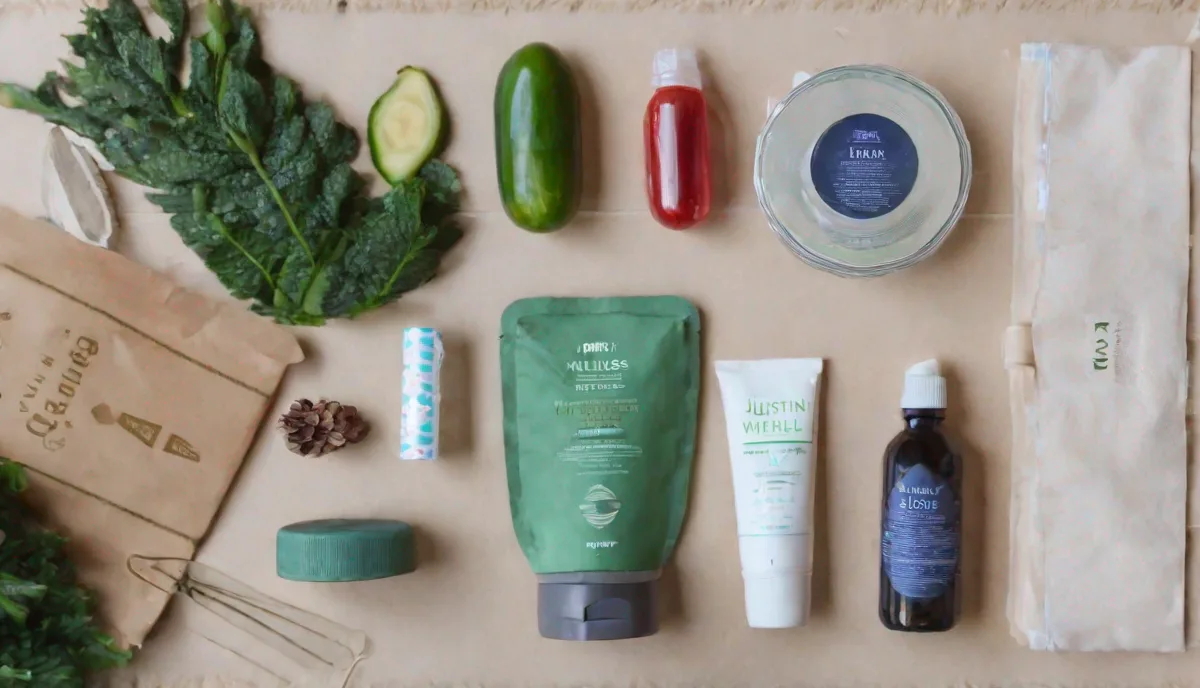
A wellness kit, at its core, is a collection of items designed to nourish us mentally, physically, emotionally, and spiritually. As we navigate life’s challenges, having tools that connect us with our highest self can make all the difference.
Tailor Your Kit to Your Needs
There’s no one-size-fits-all approach to wellness. Reflect on your personal needs and sources of stress. Do you tend to feel anxious? Do chronic health issues impact your daily life? Build your kit around the specific support you’re seeking.
Consider Including:
- An inspirational book
- Calming essential oils
- A journal for reflection
- Healthy snacks
- Uplifting music
- Positive affirmation cards
Make Self-Care Accessible
Stash your wellness kit somewhere easily accessible at home, work, or on the go. Having tools to nurture your spirit readily available empowers you to proactively care for yourself amidst the hustle and bustle of everyday responsibilities.
Replenish As Needed
Revisit your kit frequently. Replace items as needed to meet your evolving needs and nurture your continued growth and healing.
Tactile Anchors for Grounding Practices
When the mind spirals into overwhelm, sensory engagement is often the fastest route back to the present moment. Incorporating tactile items into your kit provides a physical anchor that interrupts the stress response. Consider adding a high-quality worry stone, a small container of kinetic sand, or a textured fidget tool designed for quiet, mindful manipulation. These items serve as a bridge between internal turbulence and external reality. For those who find comfort in temperature regulation, a small, reusable heat pack or a cooling eye mask can physically soothe the nervous system, signaling to the body that it is time to shift from a state of hyper-vigilance to one of rest. The key here is texture and weight; choose objects that feel grounding in your palm, acting as a tangible reminder that you are safe and supported.
Curating a Sensory-Friendly Soundscape
Audio input significantly dictates our internal weather, yet we often rely on generic playlists that may not meet our immediate emotional needs. Your wellness kit should include a pre-curated ’emergency’ audio resource. This could be a high-quality pair of noise-canceling earbuds paired with a list of QR codes or links to specific soundscapes—binaural beats for focus, guided body scans for anxiety, or ambient nature recordings for sensory overload. If you prefer analog solutions, consider a small, battery-operated music box or a collection of high-fidelity recordings of white noise, such as rain or crackling fires. By bypassing the distraction of streaming algorithms, you ensure that your auditory environment remains intentional and protective, shielding you from the chaotic noise of public spaces or high-stress work environments.
The Role of Aromatherapy Beyond Relaxation
While lavender is the standard for relaxation, a robust wellness kit utilizes the olfactory system for a wider range of emotional shifts. Include a ‘scent menu’ in your kit. Add a vial of peppermint or lemon essential oil for moments when you need a cognitive boost or a refreshing burst of alertness during a mid-afternoon slump. Conversely, include grounding, earthy scents like cedarwood or frankincense to provide a sense of stability during periods of transition. To prevent leakage and ensure longevity, store these in small, amber-colored glass vials with high-quality roller balls. Using a scent-diffusing necklace or a simple cotton patch tucked into your pocket allows you to carry your olfactory support system with you, creating a private, invisible boundary between yourself and external stressors.
Emergency Micro-Journaling Prompts
Sometimes the blank page of a journal feels intimidating when we are already stressed. To make your kit truly functional, include a set of laminated ‘micro-journaling’ prompts tailored to your specific emotional triggers. These prompts should be short, actionable, and designed to move you from ruminating to processing. Examples include: “List three things in this room that are physically stable,” “What is one task I can postpone until tomorrow?” or “Describe the physical sensation of my breath right now.” Keeping these prompts on durable cards ensures they survive the wear and tear of a bag or desk drawer. When you are feeling mentally cluttered, these structured questions act as a cognitive crutch, helping you bypass the ‘analysis paralysis’ that often accompanies high-stress situations.
Nutritional Support for Emotional Regulation
The link between blood sugar levels and emotional volatility is well-documented, yet we often neglect this in our self-care planning. Your wellness kit should feature shelf-stable, nutrient-dense snacks that provide sustained energy rather than a quick, volatile sugar spike. Think beyond standard snacks: include single-serve packets of almond butter, dried seaweed, high-quality dark chocolate with at least 70% cacao, or raw pumpkin seeds. These items are rich in magnesium and healthy fats, which are essential for nervous system support. Always check the expiration dates during your seasonal kit refresh, and opt for packaging that is quiet to open—crinkly wrappers can be a source of irritation in quiet settings like libraries or boardrooms. By managing your physical fuel, you create a stronger foundation for emotional resilience.
Optimizing for Portability and Durability
The effectiveness of a wellness kit is directly proportional to its portability. If the kit is too bulky, you will inevitably leave it behind. Invest in a dedicated, multi-compartment organizer—a tech accessory bag or a high-quality pencil case often works best. Opt for materials that are wipeable and durable, such as ballistic nylon or treated canvas. Organize your kit by ‘frequency of use’: place your most vital grounding items in a front, easy-to-access pocket, while keeping items like extra essential oil vials or spare affirmation cards in more secure, inner compartments. Consider the ‘environment of use’ for your kit; if you are carrying it in a gym bag, ensure it is water-resistant. If it lives in your office desk, ensure it is discreet. A kit that fits seamlessly into your existing lifestyle is a kit that will actually be used when it matters most.
Frequently Asked Questions
What are some must-have items for a wellness kit?
Some great starter items include a journal, positive affirmations, calming essential oils, healthy snacks, inspirational quotes, and an uplifting book or playlist.
How do I choose items tailored specifically for me?
Reflect on your unique sources of stress, challenges you face, aspects in which you’d like to grow. Select items that provide specific comfort, inspiration or empowerment around your personal needs.
Where should I keep my wellness kit?
Keep it somewhere easily accessible at home, work or on-the-go. Having it readily available makes it simpler to utilize proactively.
How often should I update the contents?
Revisit your kit frequently and replace items as your needs evolve. Regular replenishment ensures it provides ongoing, relevant support.
Can I share my wellness kit to inspire others?
Absolutely! Sharing uplifting self-care ideas promotes community well-being. Adapt items to honor each individual’s personal path and needs.
Related posts:
 Crisis Kit: 15 Items for Times of Distress
 The Mental Health Benefits of Journaling That Science Confirms
 What Is Grounding and Why Everyone’s Talking About It
 Building a Wellness Routine
 Arber Plant Wellness Kit Review
 Outdoor Voices Launches Snack Line for Active Lifestyles
 The Benefits of Grounding: Connecting with the Earth
 Essential Car First Aid Kit