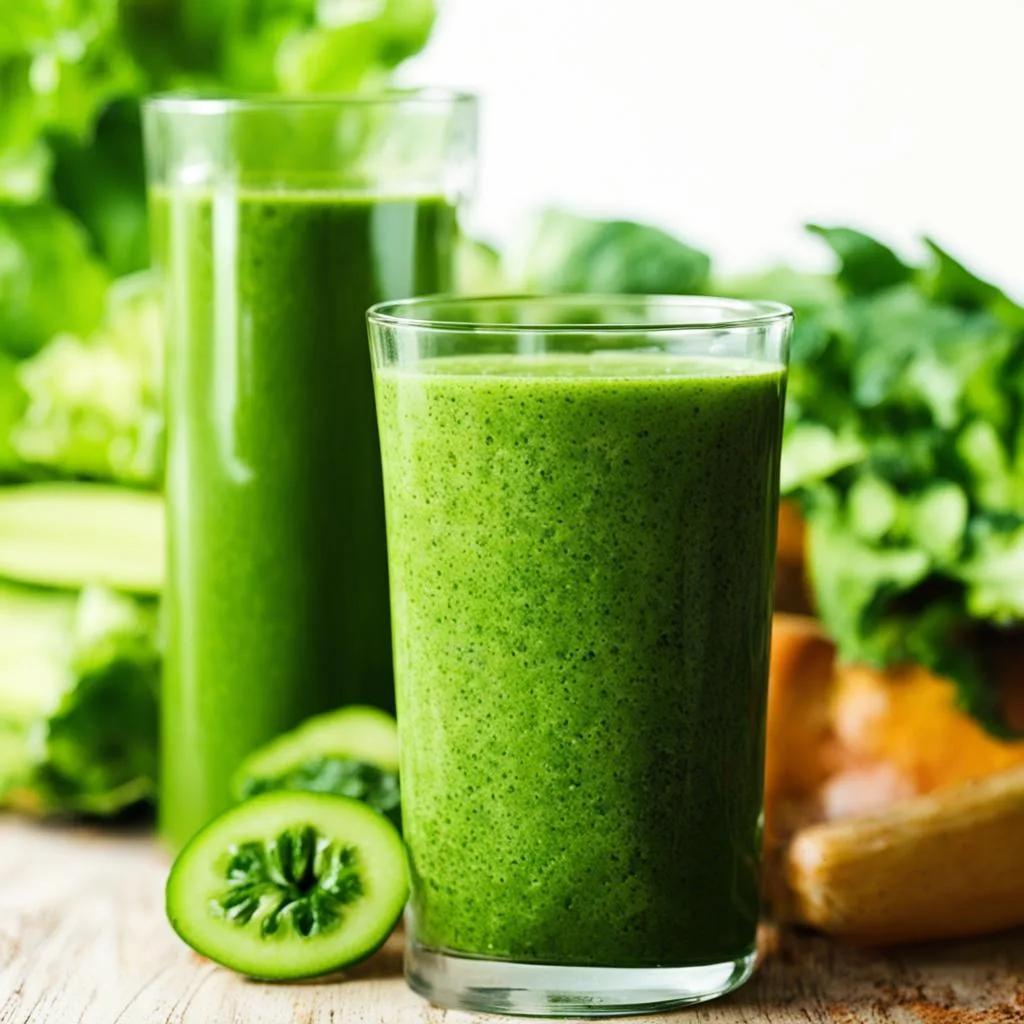
Focus on Whole Food Ingredients
When choosing a healthy green juice, look for ones made primarily from whole fruits and vegetables like spinach, kale, cucumber, celery, apple, lemon, ginger. Avoid added sweeteners or preservatives. Whole food ingredients provide more nutrients.
Get a Variety of Veggies
Aim for green juices with 3 or more types of vegetables. Different veggies provide different health benefits – spinach for iron, kale for vitamins A and K, celery for hydration. Variety yields a broader spectrum of nutrients.
Don’t Forget Healthy Fats
Many green juices lack healthy fats that help absorb fat-soluble vitamins. Consider adding half an avocado which provides heart-healthy monounsaturated fats plus fiber and potassium.
Choose Organic When Possible
Choosing organic ingredients reduces exposure to potentially harmful pesticides and herbicides used in conventional farming. This is especially important for leafy greens which tend to have higher residual pesticide levels.
Include Anti-Inflammatory Ingredients
Fruits and veggies with anti-inflammatory benefits can ease joint pain and improve immunity. Good options include pineapple, turmeric, ginger, tart cherry, berries, mango, and green tea.
The Importance of Cold-Pressed Technology
When you are sourcing bottled juices, the processing method is just as critical as the ingredient list. Most conventional store-bought juices are pasteurized using high heat, a process known as HTST (High-Temperature Short-Time). While this extends shelf life and eliminates pathogens, it also degrades heat-sensitive vitamins like Vitamin C and B-complex, and denatures the delicate enzymes that aid in digestion. Seek out juices labeled as “cold-pressed” or “HPP” (High-Pressure Processing). Cold-pressing uses hydraulic pressure to extract juice without generating heat, preserving the structural integrity of the phytonutrients. HPP uses extreme water pressure to neutralize bacteria without compromising the nutritional profile, resulting in a product that tastes closer to freshly squeezed juice while remaining safe for consumption over a longer period.
Understanding the Glycemic Impact of Fruit Bases
While fruit makes green juice palatable, it is a common pitfall to accidentally consume a “sugar bomb” disguised as a health tonic. Even natural sugars from apples, pears, or pineapples can cause a sharp spike in blood glucose if not balanced by sufficient fiber or low-glycemic vegetable content. To keep your juice “healthy” in terms of metabolic impact, ensure the ratio of fruit to vegetables is no higher than 1:4. If you find a juice too bitter without fruit, consider using low-glycemic alternatives like cucumber, zucchini, or even a small amount of green apple, which contains pectin—a fiber that helps buffer the absorption of fructose into the bloodstream. Always check the nutrition label for “Total Sugars”; anything exceeding 15-20 grams per serving should be approached with caution.
Navigating the Oxalate Content of Leafy Greens
While kale and spinach are nutritional powerhouses, they are also high in oxalates—naturally occurring compounds that can contribute to the formation of kidney stones in susceptible individuals. If you consume green juice daily, rotating your greens is essential to avoid an excessive buildup of oxalates. Instead of relying solely on spinach, diversify your base with romaine lettuce, bok choy, parsley, cilantro, or dandelion greens. These alternatives provide a similar mineral profile without the high concentration of oxalates found in cruciferous greens. If you have a history of kidney issues, consult with a healthcare provider and prioritize lower-oxalate greens like cucumber and celery as your primary juice volume.
The Role of Electrolytes and Hydration
Green juice is an excellent vehicle for rehydration, but not all juices are created equal when it comes to electrolyte balance. Celery and cucumber are natural sources of sodium, potassium, and magnesium, which are vital for nerve function and cellular hydration. If you are drinking green juice post-workout, look for ingredients that naturally replenish these minerals. Coconut water is a common additive in premium green juices that provides a significant boost in potassium. However, be wary of added “sea salt” in some commercial blends; while it aids in electrolyte replenishment, it can lead to sodium overload if you are already consuming a processed diet. The best approach is to stick to the natural mineral content found in the plants themselves.
Maximizing Bioavailability Through Proper Timing
The bioavailability of nutrients—how well your body actually absorbs them—is heavily influenced by your digestive state. While the existing advice suggests an empty stomach for absorption, this can sometimes lead to digestive distress if the juice is highly acidic or cold. If you experience bloating or stomach cramps, try drinking your juice at room temperature rather than ice-cold, as extreme temperatures can shock the digestive system and slow down enzyme activity. Furthermore, if you are consuming your juice alongside a meal, treat it as a “nutrient primer.” Drinking it 15 minutes before a meal can help prepare your stomach’s pH levels for digestion, but avoid chugging it rapidly. Sipping slowly allows your saliva to mix with the juice, starting the digestion of carbohydrates before the liquid even reaches your stomach.
Identifying Hidden Fillers and Additives
Even juices marketed as “green” can contain hidden fillers that dilute the nutrient density. Some manufacturers use water, “natural flavors,” or even juice concentrates to pad the volume of their product. When reading labels, look for a short ingredient list where the first three ingredients are vegetables. Avoid anything labeled “reconstituted,” as this indicates the juice has been dehydrated and then rehydrated, a process that strips away the original flavor and nutritional complexity. Additionally, be skeptical of “green juices” that are primarily apple or pear juice with a small amount of spirulina or wheatgrass powder added for color; this is a marketing tactic designed to make a high-sugar fruit juice appear more nutritious than it actually is.
Storage and Shelf-Life Practicality
If you are juicing at home, the degradation of nutrients begins the moment the cell walls of your produce are broken by the juicer blades. Oxidation is the enemy of a healthy juice; as the liquid is exposed to air, its antioxidant capacity diminishes rapidly. If you must store your juice, fill your airtight glass container to the very top to minimize the amount of oxygen trapped inside, and seal it immediately. Keep it in the coldest part of your refrigerator—usually the back—and aim to consume it within 24 hours. If you need to store it longer, consider freezing the juice into ice cube trays. While freezing does cause some loss of nutrients, it is far superior to letting the juice sit in the fridge for three days, where it will lose nearly all its enzymatic vitality.
FAQ
What vegetables are best for green juices?
Some of the best veggies for green juices include leafy greens like spinach and kale, along with celery, cucumber, parsley, broccoli, bell pepper, ginger, and lemon.
Should I drink green juice on an empty stomach?
It’s usually best to drink green juice on an empty stomach, ideally first thing in the morning. This allows maximum nutrient absorption and gives an energizing boost to start your day.
Is store-bought or homemade juice healthier?
Homemade juice using a slow juicer is often healthier as it retains more nutrients and enzymes that get destroyed in the pasteurization process for store-bought juices. But high-quality bottled green juices can still be nutritious.
How much green juice should you drink per day?
Aim for 8 to 16 ounces of green juice per day. Less than that may not provide adequate nutrients, while much more can spike blood sugar. Green juice works best as a meal supplement, not a meal replacement.
Does green juice help you lose weight?
Green juice can aid weight loss due to its high water and nutrient content which helps fill you up, controls blood sugar, and boosts metabolism. But weight loss requires a balanced diet and exercise routine long-term.
Related posts:
 4 Not-Boring Green Juice Recipes from the Founders of Cooler Cleanse
 Nina Agdal’s Green Smoothie Recipe That Tastes Like Paradise
 My Favorite Green Juice Recipe
 The Green Goddess Guide to Buying Leafy Perfection
 Liquid Gold: The Surprising Health Benefits of Drinking Aloe Vera Juice
 11 Innovative Healthy Recipes That Make Kale Exciting Again
 Whole Foods Now Stocks Evolution Fresh Cold-Pressed Juices
 Green Juice Recipe: Simone De La Rue’s Go-To Formula for Dance Cardio Days