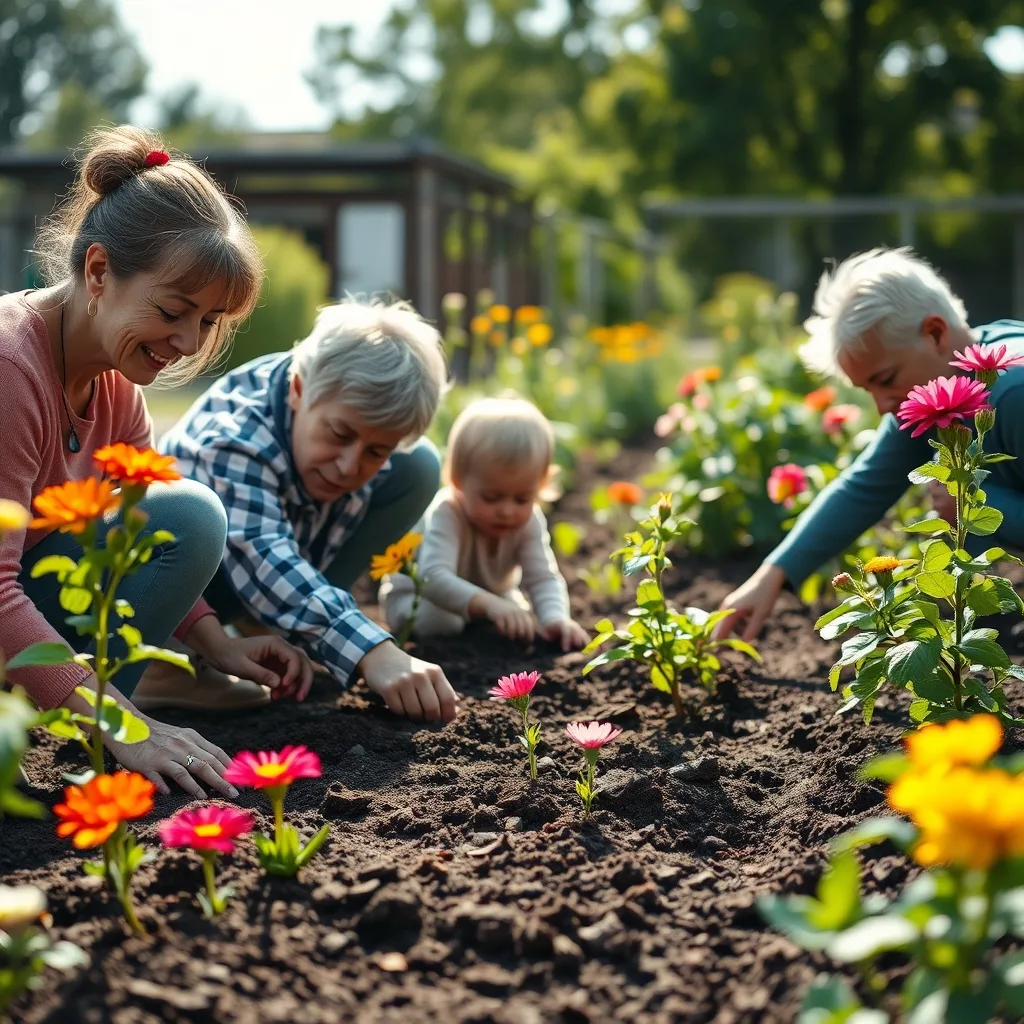
Volunteering as a family is more than just a way to give back to the community; it is a powerful vehicle for building empathy, teaching gratitude, and strengthening the bond between parents and children. When you step outside the comfort of your home to serve others, you create a shared experience that transcends daily routines and provides a lasting perspective on the world. Planning a meaningful volunteer day requires intentionality, matching the activity to your family’s values and the developmental stages of your children.
Key takeaways
- Involve children in choosing causes that align with their interests to ensure they remain invested in the volunteer experience.
- Select age-appropriate tasks to keep children engaged, such as simple sorting for toddlers or project leadership for teenagers.
- Prepare children for new environments by discussing the mission beforehand to prevent being overwhelmed by unfamiliar circumstances.
- Create a post-volunteer reflection ritual to discuss experiences, solidify emotional lessons, and celebrate collective contributions.
- Consider micro-volunteering or skill-based projects if your schedule is too busy for a full-day commitment.
Aligning Volunteer Opportunities with Family Values
Before you scout for organizations or projects, hold a family meeting to discuss what matters most to you. Ask open-ended questions: What issues do we care about? Do we want to help animals, the environment, seniors, or those experiencing food insecurity? When children have a voice in the selection process, they are significantly more invested in the outcome. If your family loves the outdoors, look into local park cleanups or community gardening. If your children are animal lovers, consider a shelter that allows supervised interaction or creates supply kits for rescued pets. Aligning your volunteer day with existing passions ensures that the experience feels like a natural extension of your family life rather than a chore.
Choosing Age-Appropriate Tasks
The success of a family volunteer day hinges on selecting tasks that keep everyone engaged without causing frustration. For toddlers and preschoolers, the focus should be on simple, tactile activities. Sorting canned goods at a food bank, decorating greeting cards for nursing home residents, or picking up litter in a neighborhood park are perfect entry points. School-aged children can handle more complex tasks, such as organizing a donation drive, helping with a community meal service, or assisting in a community garden. Teenagers can take on more responsibility, such as tutoring younger students, helping with social media outreach for a non-profit, or leading a specific project. Always check age requirements with organizations beforehand to ensure your children can participate safely and meaningfully.
Preparing Your Children for the Experience
Children often feel anxious about the unknown. Prepare them by explaining exactly what you will be doing, why it matters, and what the atmosphere will be like. Use age-appropriate language to discuss the social challenges the organization addresses. If you are visiting a soup kitchen, talk about the importance of nutrition and community support. If you are working at an animal shelter, discuss the importance of kindness and responsibility. Preparing them helps avoid “helper’s shock,” where children might feel overwhelmed by seeing circumstances different from their own. Frame the day as an opportunity to learn and help, rather than a somber obligation.
Logistics and Practical Planning
Once you have selected a cause, treat the planning phase with the same care as a family vacation. Contact the organization at least two to four weeks in advance to secure a spot. Ask specific questions: What is the dress code? Do we need to bring our own gloves or tools? Is there a minimum age requirement? Does the site have restroom facilities? Many non-profits are thrilled to have families, but they need to plan for the extra supervision required for younger volunteers. Ensure you have a clear plan for transportation and snacks. If the volunteer project is labor-intensive, prepare a high-protein meal or snacks to keep energy levels stable throughout the day.
Creating a Reflective Post-Volunteer Ritual
The learning does not end when you leave the volunteer site. The most meaningful part of the day often happens during the drive home or over dinner that evening. Ask your children what surprised them, what they found difficult, and what they felt proud of. Avoid lecturing; instead, act as a facilitator of their thoughts. Reflection helps solidify the emotional impact of the day and transforms a single act of service into a lifelong value. You might consider creating a “family service journal” where you document the dates, the organizations helped, and a small memento or photo from each experience to celebrate your collective contributions over time.
Managing Expectations and Handling Challenges
Not every volunteer day will go perfectly. A child might get bored, the work might be harder than expected, or the environment might be unfamiliar. If things don’t go according to plan, remain calm and flexible. The goal is to foster a positive association with community service, not to achieve perfect efficiency. If a younger child loses interest, find a smaller, less demanding task for them to finish, or take a short break to regroup. Acknowledge their effort, even if they only participated for a portion of the time. Praising their willingness to try is more important than the quantity of work completed.
Expanding the Impact Beyond a Single Day
Use your family volunteer day as a springboard for ongoing engagement. If your family loved a particular project, consider making it a quarterly tradition. If you noticed a specific need while volunteering, discuss how you might help address it from home. For example, if you volunteered at a food pantry and noticed a shortage of shelf-stable snacks, you could host a small neighborhood drive to collect those items. By turning a one-time event into a sustainable habit, you teach your children that they have the agency to make a positive impact on their community consistently, rather than just on special occasions.
Navigating Physical and Sensory Accessibility
Before committing to a site, perform a sensory and physical audit of the environment to ensure it accommodates your family’s unique needs. Many non-profit facilities are located in older buildings with limited accessibility, such as narrow hallways, steep stairs, or lack of climate control. If a family member has mobility challenges or sensory sensitivities, call ahead to ask about the noise levels of the warehouse, the availability of seating, and the proximity of accessible restrooms. For families with neurodivergent children, ask if there is a “quiet zone” where a child can retreat if they become overstimulated by the bustle of a food bank or the barking of dogs at a shelter. Ensuring physical and sensory comfort prevents burnout and allows your children to focus on the task rather than their own discomfort.
The Role of Micro-Volunteering for Busy Schedules
If your family calendar is too packed for a full-day commitment, consider the “micro-volunteering” approach. This involves dedicating as little as 30 to 45 minutes to a highly focused task that can be completed at home or in your neighborhood. Examples include mapping out “litter hotspots” in your local park using a citizen science app, creating digital “thank you” cards for frontline healthcare workers, or organizing a “pantry purge” where you check expiration dates and sort goods for a local food bank. These bite-sized acts of service demonstrate that volunteering doesn’t always require a massive time investment; it is a mindset of being helpful whenever and wherever you are. This approach is particularly effective for families with teenagers whose extracurricular schedules make coordinating a full day of service nearly impossible.
Integrating Skill-Based Volunteering for Older Teens
As children enter their high school years, move beyond manual labor and encourage them to apply their specific talents to non-profit needs. If your teenager is a budding graphic designer, ask a local charity if they need a flyer created for an upcoming fundraiser. If they excel at photography, offer to take professional-quality photos of the organization’s facility for their website. If they are tech-savvy, they might help an elderly neighbor set up a video call to stay connected with distant family. Skill-based volunteering provides older children with a sense of professional purpose and shows them that their unique “superpowers” are valuable assets that can create significant social change, often more effectively than generic physical tasks.
Building Intergenerational Connections
One of the most profound benefits of family volunteering is the opportunity for children to interact with generations they might not otherwise see on a regular basis. Seek out opportunities that facilitate direct human interaction, such as visiting a memory care facility to play board games, reading to residents at a retirement home, or participating in a community gardening program alongside local seniors. These interactions break down stereotypes about aging and allow children to learn life stories and historical perspectives directly from the source. Encourage your children to ask questions about the lives of the people they are helping—what they did for a living, their favorite childhood memories, or what they think has changed most about the world. These conversations are the building blocks of deep, cross-generational empathy.
Developing a ‘Service Roadmap’ for Long-Term Engagement
Instead of viewing volunteer days as sporadic events, treat them as a developmental journey for your children. Create a “Service Roadmap” on a poster board or a digital document that tracks the causes your family has supported over the year. Use this to set “impact goals” for the upcoming months. For instance, you might decide that in the spring you will focus on environmental restoration, in the summer on animal welfare, and in the winter on food security. By mapping out a year of service, you prevent the “decision fatigue” that comes with constantly searching for new projects. This roadmap also helps children see the bigger picture of their contributions, allowing them to look back at the end of the year and see a clear trajectory of growth in their understanding of the world.
Managing the ‘Helper’s Guilt’ and Emotional Processing
It is common for children to feel an unexpected surge of guilt or sadness when they witness poverty, homelessness, or suffering for the first time. They may ask, “Why do we have a nice house when they don’t?” or “Is it fair that I have so much?” Do not dismiss these feelings with platitudes. Instead, use these moments as a foundation for a mature discussion about systemic inequality and the difference between luck and effort. Frame your volunteer work not as “saving” people, but as participating in a collective effort to build a more equitable community. Acknowledge that while you cannot solve all the world’s problems in a single day, your presence and contribution are meaningful parts of a larger solution. This honesty helps children process complex emotions and prevents them from developing a “savior complex,” fostering instead a sense of humble, responsible citizenship.
Cultivating Cultural Competency Through Service
When volunteering with organizations that serve communities different from your own, it is essential to approach the experience with cultural humility. Instead of viewing your family as the “experts” or “providers,” frame your presence as guests who are learning from the community you are serving. Research the historical and cultural context of the neighborhood where you will be volunteering. If you are serving at a food pantry in an area with a specific cultural demographic, learn a few polite phrases in the local language or take a moment to understand the specific dietary or cultural needs of the population. This preparation shifts the dynamic from one of charity to one of solidarity. Encourage your children to notice the strengths and assets within the community rather than focusing solely on the deficits, teaching them that every neighborhood has a vibrant, unique history and value.
The Logistics of ‘Service-Learning’ Curriculum
To turn a volunteer day into a truly educational experience, integrate a “service-learning” component into your planning. Before the event, assign your children a mini-research project related to the cause. If you are cleaning a local river, have them look up the specific types of wildlife that rely on that waterway and the human-made pollutants that threaten them. If you are helping at a literacy center, have them research the local graduation rates or the importance of early childhood reading. By providing this “pre-work,” you empower your children to enter the volunteer site with a sense of authority and understanding. During the activity, challenge them to act as “field researchers” who identify one new thing they learned about the organization’s mission. This academic framing helps ground the emotional experience in facts and systemic understanding, making the “why” behind the volunteer work much clearer to young minds.
Managing Digital Documentation and Privacy
In our social-media-driven culture, it is tempting to document every moment of your volunteer day for platforms like Instagram or Facebook. However, it is vital to prioritize the dignity and privacy of those you are serving. Establish a strict family policy regarding photos: never take pictures of the people receiving services, and always ask the organization’s staff for permission before capturing any images of the facility or other volunteers. Use the day to model “unplugged” service, where the focus remains on the human connection rather than the digital broadcast. If your children want to document the experience, suggest they take photos of the tools you used, the progress made on a project, or a creative “after” shot of a cleaned-up space. This teaches children that the value of an act is found in the doing, not in the public recognition or “likes” it receives.
Creating a ‘Volunteer Toolkit’ for Repeatability
To make future volunteer days easier to initiate, create a physical or digital “Volunteer Toolkit.” This kit should contain essential items that help streamline your preparation: a list of contact information for your favorite non-profits, a set of reusable work gloves, a first-aid kit, and a “service log” where family members can write down what they learned. Include a section for “emergency supplies” like hand sanitizer, extra water bottles, and a list of local allergy-friendly snack options. Having a go-bag ready reduces the friction of planning, making it more likely that you will commit to recurring opportunities. When children see the toolkit being pulled from the closet, it acts as a visual signal that a fun, meaningful, and purposeful family day is about to begin, building positive anticipation for the service ahead.
Navigating the Logistics of Public Transportation and Group Transit
If your volunteer site is in an urban center, consider the journey there as part of the family experience. Using public transportation to get to a volunteer site can be a valuable lesson in urban geography and the accessibility of community resources. It also removes the stress of parking and allows for uninterrupted family conversation before and after the shift. If you are traveling as a large group, use the time on the bus or train to discuss your expectations or to play a game related to the cause you are about to support. This transit time acts as a “buffer zone,” allowing you to transition from your daily life into a state of service. If you are driving, curate a specific playlist of songs that inspire themes of kindness, community, or environmental stewardship to set the tone for the day before you even arrive at the site.
Final FAQ: Frequently Asked Questions
How can we find reputable volunteer opportunities for families in our area? Start by using online platforms like VolunteerMatch or Idealist, which allow you to filter by location and family-friendly status. Local community centers, houses of worship, and schools are also excellent resources for finding local non-profits that welcome family groups.
What should we do if my child is hesitant or nervous about volunteering? Validate their feelings and let them observe before jumping into the tasks. Sometimes just being present and watching is enough for the first visit. Frame the experience as a low-pressure way to learn about the world, and emphasize that they can take breaks whenever they need to.
Are there ways to volunteer as a family from home? Absolutely. You can assemble “care kits” for the homeless, write letters to soldiers or seniors, bake goods for a local shelter, or sew blankets for an animal rescue. These home-based projects are excellent for younger children or families with busy schedules.
How long should a family volunteer shift last? For younger children, keep the initial sessions short—between 60 and 90 minutes. You can gradually increase the time as your children get older and their attention spans grow. Quality of engagement is far more important than the number of hours logged.
How do we handle the conversation if our children ask difficult questions about the people we are helping? Answer honestly but gently, keeping the focus on how your family is helping to improve the situation. If a question is beyond your expertise, it is perfectly fine to say, “That is a very deep question, let’s look into that together when we get home.” This encourages curiosity and research.
Related posts:
 Practical Ways to Support Local Farmers
 Seeking Volunteer Manager
 The Chef Revolution Transforming School Lunch One Healthy Meal at a Time
 How to Teach Kids About Giving Back
 IKEA Hotel Dreams: Sweden’s Furniture Giant Eyes Connecticut for Its First Hospitality Adventure
 Why Family Traditions Matter More Than You Think
 Expressions of Service: Volunteering for She Recovers
 10 Ways Volunteering Boosts Your Health