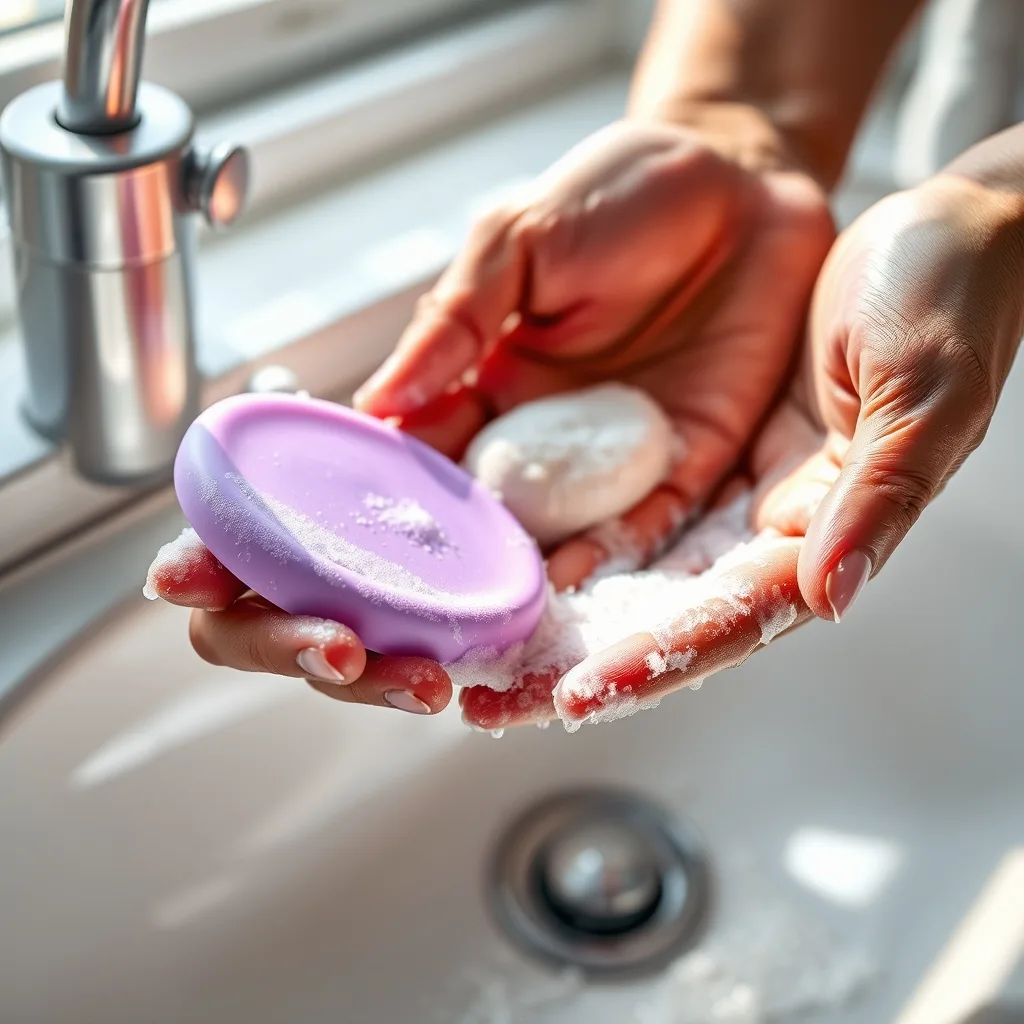
Keeping your sex toys clean is essential for both hygiene and longevity. Whether you own a sleek silicone vibrator, a glass dildo, or a playful jelly rabbit, each material has its own cleaning needs. This guide, compiled from sex‑positive health professionals and seasoned adult‑store educators, walks you through the science‑backed steps to sanitize your toys safely, store them responsibly, and recognize when it’s time to say goodbye. By following these expert‑approved practices, you protect your body, preserve your investment, and maintain the pleasure you deserve.
Key takeaways
- Identify the material first; non-porous items like silicone can be boiled, while porous materials like TPE require gentle care.
- Wash all toys with mild, fragrance-free soap and warm water, rinsing thoroughly to prevent skin irritation from chemical residue.
- Store toys separately in breathable pouches away from direct sunlight to avoid material degradation and cross-contamination.
- Replace toys immediately if they develop cracks, stickiness, persistent odors, or malfunctioning electronics to ensure continued safety.
- Use water-based lubricants for most materials and avoid silicone-based lubricants on silicone toys to prevent surface damage.
Understanding Your Sex Toy Materials
Before you reach for any cleaning solution, identify the material of your toy. Different substances react uniquely to water, chemicals, and heat. The most common materials include:
- Silicone – Non‑porous, body‑safe, and flexible. It can tolerate boiling water and most mild cleaners.
- Glass (tempered) – Non‑porous and heat‑resistant. Safe for boiling, but avoid sudden temperature changes that could cause cracking.
- Stainless steel – Non‑porous, durable, and can be sterilized with boiling water or a medical‑grade disinfectant.
- ABS plastic – Hard, non‑porous plastic often used in realistic designs. Clean with warm water and gentle soap.
- Jelly, rubber, PVC, TPE/TPR – Porous, often contain phthalates or other additives. Require extra care and may not be fully sterilizable.
Knowing the material guides you toward the safest cleaning method and helps you avoid damaging the toy.
Why Proper Cleaning Matters
Sex toys contact sensitive mucous membranes and can harbor bacteria, yeast, or viruses if not cleaned correctly. Inadequate cleaning can lead to:
- Urinary tract infections (UTIs) or bacterial vaginosis.
- Irritation or allergic reactions.
- Unpleasant odors that reduce enjoyment.
- Degradation of the toy’s surface, shortening its usable life.
Beyond health, a clean toy feels smoother, performs better, and encourages consistent use, which is linked to improved sexual wellbeing and intimacy.
General Cleaning Principles for All Toys
While each material has nuances, the following universal steps apply to every sex toy:
- Wash your hands. Use soap and warm water before and after handling any toy.
- Rinse with warm water. Warm (not scalding) water helps dissolve bodily fluids and lubricants.
- Apply a mild, fragrance‑free soap. Choose a product labeled “body‑safe” or “intimate” to avoid irritants.
- Scrub gently. Use a soft cloth, a dedicated toy brush, or your fingers. Avoid abrasive sponges.
- Rinse thoroughly. Ensure no soap residue remains, as leftover chemicals can cause irritation.
- Dry completely. Pat dry with a lint‑free towel or let air‑dry on a clean surface. Moisture encourages bacterial growth.
- Store correctly. Place the toy in a breathable pouch or a dedicated drawer, away from direct sunlight.
These steps form the backbone of safe toy maintenance.
Cleaning Specific Materials
Below are tailored instructions for the most common toy materials. Follow them precisely to avoid damage.
Silicone
Silicone is non‑porous and can handle most cleaning methods.
- Soap and water – The quickest daily routine. Use a gentle, antibacterial soap.
- Boiling – Submerge the toy in boiling water for 3–5 minutes if you want a deeper sanitization. Ensure no electronic components are present.
- Medical‑grade disinfectant – Diluted isopropyl alcohol (70%) can be used for a quick wipe, but rinse afterward to remove any alcohol residue.
Glass (Tempered)
Glass tolerates high temperatures but is fragile under impact.
- Boiling water – Place the glass toy in a pot of boiling water for 5 minutes. Use tongs to avoid burns.
- Dishwasher – Secure on the top rack; use a gentle cycle without harsh detergents.
- Vinegar soak – A 1:1 mixture of distilled white vinegar and water for 10 minutes can remove mineral deposits. Rinse well.
Stainless Steel
Stainless steel is robust and can be sterilized similarly to medical tools.
- Boiling water – 5 minutes is sufficient.
- Alcohol wipe – Apply 70% isopropyl alcohol, let sit for 30 seconds, then rinse.
- UV sanitizing case – If you own a UV‑light storage box, a 2‑minute cycle provides an extra layer of protection.
ABS Plastic
Hard plastic is non‑porous but can be sensitive to strong chemicals.
- Warm soapy water – The safest daily method.
- Boiling – Generally safe for 5 minutes, but avoid if the toy has electronic parts.
- Avoid bleach – Bleach can degrade the surface and cause discoloration.
Jelly, Rubber, PVC, TPE/TPR
These porous materials cannot be fully sterilized, so extra caution is needed.
- Gentle soap and water – Clean after each use.
- Surface disinfectant wipes – Choose wipes labeled “sex‑toy safe” and free of oil or fragrance.
- Avoid boiling – High heat can melt or warp the material.
- Replace regularly – Because pores can retain microbes, consider swapping these toys every 6–12 months.
Safe Storage Practices
Proper storage prevents contamination, damage, and premature wear.
- Separate by material. Silicone can degrade when stored next to porous toys; keep them in individual pouches.
- Use breathable containers. Cotton or mesh bags allow air circulation, reducing mold risk.
- Avoid direct sunlight. UV rays can discolor and weaken plastics and silicone.
- Keep away from heat sources. Radiators, windowsills, or hot cars can warp toys.
- Label for couples. If you share toys, label each pouch to avoid accidental cross‑use, which could spread infections.
Common Mistakes to Avoid
Even well‑meaning users can slip into habits that compromise safety.
- Using harsh chemicals. Bleach, ammonia, or scented soaps can irritate skin and damage the toy’s surface.
- Skipping the rinse. Residual soap or disinfectant can cause burning sensations during use.
- Storing wet toys. Moisture creates a breeding ground for bacteria and mold.
- Sharing without proper barrier. Even with cleaning, using condoms on shared toys adds a layer of protection.
- Neglecting battery compartments. If your toy is battery‑operated, remove batteries before cleaning to avoid corrosion.
Travel‑Friendly Cleaning Tips
Maintaining hygiene on the road doesn’t have to be complicated.
- Carry a mini cleaning kit. Include a travel‑size body‑safe soap, a soft brush, and a small towel.
- Use disposable wipes. Look for wipes specifically labeled for sex toys; they’re convenient for quick sanitizing.
- Boil in a hotel kettle. If you have access to a kettle, pour boiling water into a heat‑proof bowl and submerge the toy for a few minutes.
- Utilize UV sanitizers. Portable UV‑light boxes are compact and provide a chemical‑free sterilization option.
- Pack in a sealed bag. After cleaning, place the toy in a zip‑lock bag to keep it dry and protected during transit.
When to Replace Your Toy
Even with diligent care, toys have a lifespan. Replace them when you notice:
- Visible cracks, chips, or discoloration.
- Changes in texture (e.g., silicone becomes sticky or gritty).
- Persistent odor despite thorough cleaning.
- Malfunctioning electronics, such as inconsistent vibrations.
- Any sign of material breakdown in porous toys.
Replacing a compromised toy protects your health and ensures you continue to enjoy safe pleasure.
Expert‑Recommended Cleaning Products
While mild soap works for most daily cleanings, specialized products can simplify the process.
- Intimate toy cleaners. Brands like “Sliquid” or “Leisure” formulate pH‑balanced, fragrance‑free solutions that rinse clean.
- Silicone‑safe wipes. Look for wipes free of oil and silicone, which can degrade certain toy surfaces.
- Medical‑grade disinfectant sprays. Products containing 70% isopropyl alcohol are effective for quick sanitization, but always rinse afterward.
- UV sanitizing boxes. Compact devices from reputable manufacturers provide a chemical‑free sterilization cycle in 2–5 minutes.
Read each product’s instructions and verify compatibility with your toy’s material before use.
Electronic and Battery‑Powered Toys: Maintenance Beyond the Surface
Modern vibrators, rabbit eggs, and remote‑controlled stimulators often contain delicate circuitry, rechargeable lithium‑ion cells, and waterproof seals. Cleaning these devices requires a two‑tiered approach: surface hygiene and internal preservation.
1. Identify waterproof ratings before submersion
- IPX7 (submersible up to 1 m for 30 min) – safe for boiling‑water alternatives, but avoid temperatures above 45 °C to protect battery chemistry.
- IPX4 (splash‑proof only) – limit cleaning to a damp cloth; any liquid entering the housing can cause short‑circuits.
- Non‑water‑rated – treat as a purely external device; use a lightly‑moistened, lint‑free wipe.
When a toy is truly submersible, place it in a resealable bag with a mild, fragrance‑free cleanser and agitate gently for 30 seconds. Rinse under lukewarm running water, then pat dry with a microfiber cloth before re‑sealing the battery compartment.
2. Battery compartment care
Corrosion is the most common failure mode in battery‑operated toys. After each use, remove the batteries (or the entire rechargeable module) and inspect the contacts. If you notice white or green deposits, dip a cotton swab in isopropyl alcohol (90 % preferred) and gently wipe the terminals. Allow the contacts to air‑dry completely before reinserting power sources.
3. Charging port hygiene
USB‑C and proprietary ports accumulate lint and skin oils. Use a soft, dry brush or a compressed‑air canister to dislodge debris. For stubborn residue, a single swipe with a lint‑free cloth lightly dampened with 70 % isopropyl alcohol is sufficient—ensure the port is unplugged and fully dry before reconnecting to a charger.
4. Firmware updates and manufacturer guidelines
Some Bluetooth‑enabled toys receive firmware upgrades that can affect cleaning recommendations (e.g., new waterproof seals). Subscribe to the brand’s newsletter or check the user portal regularly; following updated instructions can prevent voiding warranties.
5. Emergency decontamination
If a toy has been exposed to bodily fluids that may contain blood‑borne pathogens, isolate it in a sealed bag and apply a medical‑grade disinfectant spray (e.g., 0.5 % hydrogen peroxide) for 2 minutes. Rinse thoroughly with warm water and dry before any further use.
Lubricant Compatibility and Post‑Play Cleaning Strategies
Choosing the right lubricant not only enhances pleasure but also influences the cleaning regimen. Incompatible pairings can degrade materials, trap microbes, or leave residues that provoke irritation.
Water‑Based Lubricants
These are the most universally safe choice. After use, rinse the toy under warm water and apply a mild soap. Because water‑based formulas dissolve readily, a quick 15‑second rinse often removes the majority of the lubricant, reducing the need for vigorous scrubbing.
Silicone‑Based Lubricants
Silicone lube bonds tightly to non‑porous surfaces, creating a slick film that resists water. To break down this film, use a dedicated silicone‑compatible cleaner or a 10 % solution of white vinegar. Soak the toy for 2 minutes, then rinse thoroughly. Avoid using silicone lube with silicone toys unless the manufacturer explicitly states compatibility.
Oil‑Based Lubricants
Oil‑based products (including natural oils like coconut) are excellent for massage but can seep into porous toys, causing long‑term degradation. After use, wipe the toy with a paper towel to remove excess oil, then cleanse with an enzymatic cleaner designed for oil breakdown. Rinse with warm water and dry completely.
Hybrid and Flavored Lubes
These often contain sugars, glycerin, or flavoring agents that act as food for microbes. Follow a two‑step protocol: first, a gentle soap‑water rinse to eliminate surface sugars; second, a short soak (3‑5 minutes) in a diluted hydrogen peroxide solution (1 % final concentration) to neutralize bacterial growth. Rinse again to remove any peroxide remnants.
Special Cases: Anal‑Play Lubricants
Anal lubricants are typically thicker and may contain added numbing agents. Because they can remain in micro‑crevices, a thorough cleaning with a brush designed for textured surfaces is essential. Pair the brush with a pH‑balanced toy cleaner to avoid upsetting the delicate anal mucosa.
Cleaning Toys Made from Emerging Materials (TPE, Thermoplastic Polyurethane, Medical‑Grade Silicone, Wood, Bamboo, and Metal Alloys)
Beyond the classic silicone and glass, manufacturers now offer toys crafted from advanced polymers, sustainable woods, and alloy blends. Each material presents unique challenges.
TPE (Thermoplastic Elastomer) and TPU (Thermoplastic Polyurethane)
These semi‑porous polymers mimic the feel of silicone while offering greater stretch. They cannot be boiled, but a 5‑minute soak in a 0.5 % bleach‑free disinfectant (e.g., quaternary ammonium solution) is effective. After soaking, rinse with lukewarm water and air‑dry on a clean towel.
Medical‑Grade Silicone
Often used in surgical implants, this silicone has a denser cross‑linking structure. It tolerates autoclave cycles (121 °C, 15 psi) for 10 minutes, making it ideal for users who desire hospital‑level sterility. Verify that any electronic components are removed before autoclaving.
Wood and Bamboo Toys
Natural wood toys are typically sealed with a food‑grade oil or varnish. Clean by wiping with a damp cloth; avoid submerging. For deeper sanitation, apply a 70 % isopropyl alcohol spray, let sit for 30 seconds, then wipe dry. Re‑oil the surface monthly with a light coating of mineral oil to maintain barrier integrity.
Metal Alloys (Titanium, Gold‑Plated, Platinum)
These metals are non‑porous and can endure high temperatures. A 10‑minute boil in distilled water eliminates microbes without affecting alloy composition. For tarnish‑prone finishes (e.g., gold plating), follow the boil with a quick dip in a mild citric‑acid solution (1 % lemon juice) to restore luster, then rinse thoroughly.
Hybrid Materials (Silicone‑Coated Metal, Glass‑Embedded Silicone)
When a non‑porous core is wrapped in a softer coating, treat each layer according to its properties. Submerge the entire piece in boiling water only if the coating is rated for >100 °C; otherwise, clean the outer layer with a soft brush and a silicone‑safe cleaner, then rinse.
Deep‑Cleaning Complex Shapes and Textured Surfaces
Ribbed dildos, G‑spot curves, and multi‑phased vibrators present hidden niches where microbes love to hide. A systematic approach ensures no crevice is left untreated.
Step‑by‑step brush technique
- Choose a brush with soft, flexible bristles (e.g., a silicone toothbrush).
- Apply a few drops of a pH‑neutral toy cleaner to the brush, not directly onto the toy.
- Insert the brush into each groove, moving it back‑and‑forth for 10 seconds.
- Rinse the toy while still holding the brush inside to flush out dislodged debris.
- Repeat until water runs clear.
Utilizing ultrasonic cleaners
For metal or glass toys with intricate patterns, an ultrasonic cleaning bath (40 kHz, 45 °C) can reach microscopic fissures. Fill the tank with a mixture of distilled water and a few drops of non‑ionic surfactant. Submerge the toy for 3 minutes, then remove and air‑dry. Verify that the toy’s material is rated for ultrasonic use; porous plastics can become saturated and warped.
DIY “toothpick” method for narrow channels
When a toy contains a tiny internal canal (e.g., a dual‑action prostate massager), a thin, flexible toothpick wrapped in a lint‑free cloth can be gently rotated inside the channel. Dip the cloth in a diluted hydrogen peroxide solution (0.5 %) to disinfect as you work. Rinse the interior with a syringe of warm water to flush out residual liquid.
Spot‑check with a blacklight
After cleaning, darken the room and illuminate the toy with a UV blacklight. Organic residues fluoresce, revealing missed spots. If any glow appears, repeat the brush or ultrasonic step on the affected area.
Sanitizing Toys After Anal or Blood‑Contact Play
Anal intercourse and activities involving menstrual blood or minor cuts introduce higher‑risk pathogens. A more rigorous sanitization protocol reduces transmission of bacterial, viral, and fungal agents.
Immediate post‑play steps
- Remove any condoms or barrier devices and discard them safely.
- Rinse the toy under running water to eliminate gross debris.
High‑level disinfection
For non‑electronic, non‑porous toys, a 10‑minute soak in a 0.5 % chlorine dioxide solution (commercially available as “Sani‑Clor”) provides hospital‑grade disinfection. Ensure the toy is fully submerged and that the solution’s pH is between 6.5 and 7.5 to avoid material damage.
Alcohol‑based protocol for electronic items
When the toy contains circuitry, avoid submersion. Instead, spray a 70 % isopropyl alcohol solution onto a lint‑free cloth and wipe every surface, paying special attention to seams and seams. Allow the alcohol to evaporate completely (approximately 2 minutes) before re‑assembling the device.
Heat sterilization for metal and glass
Place the toy in a dry oven set to 160 °C for 30 minutes. This temperature is sufficient to inactivate most viruses and bacteria without compromising metal alloy integrity. Allow the toy to cool inside the oven before handling to prevent thermal shock.
Post‑disinfection storage
After any high‑level cleaning, store the toy in a sealed, antimicrobial pouch (e.g., one impregnated with silver ions). This extra barrier maintains sterility until the next use.
Creating a Personalized Toy‑Care Routine: Record‑Keeping, Scheduling, and Spot‑Checks
Consistent hygiene becomes effortless when it’s integrated into a personal maintenance system. Below is a framework that blends digital tools with low‑tech habits.
1. Digital inventory log
Use a simple spreadsheet or a dedicated app to catalog each toy. Include columns for:
- Material type
- Purchase date
- Warranty expiration
- Last cleaned (date & method)
- Observed wear (e.g., discoloration, loss of elasticity)
Set up automated reminders (weekly for frequent use, monthly for occasional pieces) to prompt cleaning.
2. Physical cleaning checklist
Print a one‑page checklist and attach it to your nightstand or bathroom mirror. Include tick boxes for:
- Hand wash
- Surface scrub
- Rinse
- Dry
- Store in designated pouch
Checking each box reinforces habit formation and reduces the chance of skipped steps.
3. Seasonal deep‑clean audit
Every three months, perform a comprehensive audit:
- Inspect each toy under magnification for micro‑scratches.
- Run a scent test; any lingering odor signals hidden microbes.
- Apply a short‑term UV cycle (if you own a UV box) to all non‑electronic toys.
- Replace any toy that fails the visual or olfactory check.
4. Travel‑kit rotation
Maintain two identical mini‑kits: one stays at home, the other travels with you. After each trip, swap the kits so the home set receives a fresh cleaning cycle while the travel set is ready for the next outing.
5. Emergency response plan
If a toy is accidentally exposed to a contaminant (e.g., spilled cleaning chemicals, contact with a partner’s infection), log the incident in your digital inventory, note the corrective action taken, and schedule a follow‑up inspection after 48 hours to ensure no delayed degradation.
By treating toy care as a structured routine rather than an afterthought, you safeguard both your health and your investment for years to come.
Frequently Asked Questions
- Can I use regular household bleach to disinfect my sex toys?
- No. Bleach is too harsh for most toy materials and can cause irritation. Opt for a toy‑specific cleaner or a 70% isopropyl alcohol solution, followed by a thorough rinse.
- Is it safe to share toys with a partner if we both clean them properly?
- Sharing is safest when you use a new condom on the toy for each partner, even after cleaning. Condoms provide a barrier that prevents direct contact and reduces infection risk.
- How often should I clean my toys if I use them multiple times a week?
- Clean your toys after every sexual session. If you use a toy multiple times in a single session, a quick wipe with a toy‑safe disinfectant between uses is advisable.
- Can I put my silicone toys in the dishwasher?
- Yes, as long as the dishwasher is set to a gentle cycle, the toy is placed on the top rack, and no harsh detergents are used. Avoid high‑heat drying cycles.
- What should I do if my toy develops a strange smell despite regular cleaning?
- A persistent odor may indicate bacterial buildup in micro‑pores or material degradation. Deep clean with a diluted vinegar solution, rinse thoroughly, and if the smell persists, consider replacing the toy.
Related posts:
 Stain Game Strong: The Ultimate Guide to Rescuing Your White Clothes
 The Best LELO Sex Toys for Unforgettable Intimate Experiences
 The Best Quarantine Sex Toys for Solo Pleasure
 Best Sex Toys of 2021
 Biird Cuddly Bird Vibrator: The Ultimate Couples’ Toy
 The Best Sex Toys for Older Adults: Embracing Pleasure at Any Age
 Sex Toys with Apps: High-Tech Pleasure at Your Fingertips
 Lovehoney’s Best Sex Toys for Couples to Spice Up Intimacy