Be Present
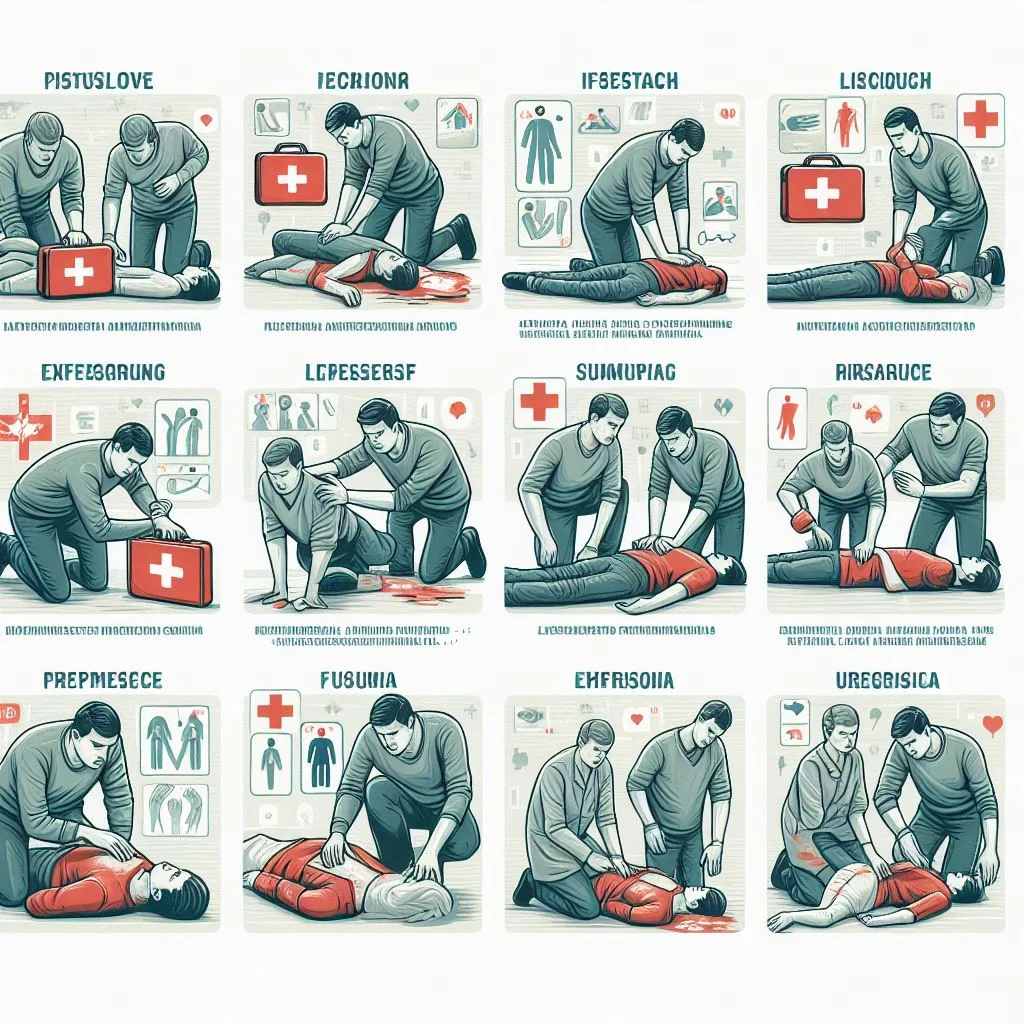
When a friend is injured, one of the most helpful things you can do is simply be present with them. Sit with them, listen to them, and let them know you care. Your presence and emotional support can make a big difference during their recovery.
Help Out With Tasks
Consider ways you can help out with daily tasks and chores while your friend is recovering. Offer to cook meals, walk their dog, drive them to appointments, pick up prescriptions, or assist with household tasks. Taking some practical burdens off their plate allows them to focus on healing.
Provide Entertainment and Distraction
Look for small ways to entertain your injured friend and provide positive distractions from pain or boredom during recovery. Bring by books, movies, or music they enjoy. Play games together or find uplifting shows to binge watch. Laughter and mental distraction can boost healing.
Coordinate Support From Others
Talk to other friends and family members about setting up a support schedule for your injured friend. Coordinate who can help with meals, rides, childcare, errands etc on certain days. Having reliable help lined up prevents them from over-exerting themselves.
Optimizing the Living Environment for Mobility
Recovery often involves navigating a home that was designed for full mobility, which can become a minefield of obstacles for someone on crutches or in a wheelchair. Before you assume they need help with chores, perform a safety audit. Move area rugs that pose a tripping hazard, clear pathways of electrical cords, and ensure that frequently used items—like the television remote, phone chargers, and medications—are relocated to waist-height surfaces. If they are using a walker, consider rearranging furniture to create wider “lanes” through the living room and kitchen. You might also help by placing a grabber tool or a reacher device within their line of sight, as these small ergonomic adjustments drastically reduce the frustration of needing help for every dropped item.
Navigating the Complexity of Medical Advocacy
An injured friend is often overwhelmed by insurance paperwork, discharge instructions, and conflicting advice from different specialists. Offer to be their designated “scribe” during follow-up appointments. Bring a notebook and write down the physician’s instructions, dosage changes, or physical therapy milestones. Often, patients are in too much pain to retain technical details. If they are struggling with insurance denials or pharmacy errors, offer to sit on hold with them or draft emails to their provider. Being a calm, objective second set of ears during a consultation can be the difference between a successful recovery plan and a missed instruction that leads to a setback.
Managing the Psychological Toll of Identity Loss
When an active person is suddenly sidelined by injury, they often experience a profound sense of identity loss. They may feel like a burden or worry that their friends view them differently now that they cannot contribute in the same ways. Combat this by engaging them in “non-injured” conversation. Do not center every interaction around their pain levels or their progress in physical therapy. Ask for their advice on a project you are working on, discuss a recent book, or solicit their opinion on a local issue. By validating their intellectual contributions and personality—rather than just catering to their patient status—you help them maintain a sense of self-worth that is critical for long-term mental health.
Managing Tech and Digital Accessibility
In our modern era, an injury often leaves someone feeling digitally isolated if their device usage becomes physically uncomfortable. If they are in a cast or have limited range of motion, help them set up “hands-free” environments. Install voice-assistant devices like smart speakers to help them control lights, thermostats, or music without having to stand up. If they are struggling to keep up with work or personal emails, offer to set up voice-to-text software on their laptop or phone. Additionally, check their streaming subscriptions; if they are stuck in bed, they may run out of content. Offering your own log-in credentials or gifting a one-month trial to an ad-free service can provide a much-needed mental escape during those long, immobile afternoons.
The Fine Art of the “Low-Stakes” Check-In
Frequent, high-pressure inquiries like “How are you feeling today?” can actually become exhausting for an injured person, as they feel compelled to provide a detailed, upbeat, or accurate report every time. Change your communication strategy to “low-stakes” check-ins. Send a text that says, “No need to reply, just thinking of you,” or “I found this funny meme and thought of you.” This removes the obligation for them to perform or manage your emotions. If you are dropping off supplies, send a message saying, “I’m leaving the groceries on the porch, no need to come to the door.” This level of consideration respects their need for privacy and their limited physical energy, reinforcing that your support is unconditional and requires nothing in return.
Addressing the Post-Recovery Transition
The period immediately following the removal of a cast or the end of physical therapy is often overlooked, yet it is a time of high anxiety. Your friend might be afraid of re-injury or struggling to regain their pre-injury confidence. Be the person who helps them “re-enter” the world slowly. Offer to accompany them on their first walk around the block or their first trip to a busy grocery store. Having a supportive companion during these “firsts” provides a safety net that encourages them to push their boundaries safely. Recognize that their recovery isn’t finished the moment the doctor clears them; the psychological habit of being “the patient” can linger, and your steady encouragement is vital during this final phase of rehabilitation.
FAQHow long should you stay when visiting an injured friend?
When visiting an injured friend, gauge their energy level and stay only as long as seems helpful, typically 1 hour or less. Short frequent visits prevent over-taxing them.
What are good entertainment gifts for an injured friend?
Great entertainment gifts for an injured friend include cozy blankets, positive books or magazines, uplifting movies, adult coloring books and pens, portable games, gift cards for streaming services, headphones, and photo albums.
What food is most helpful to bring an injured friend?
Helpful foods to bring an injured friend while recovering include soups, stews, casseroles, and other freezer-friendly meals they can easily reheat. Bring nutrient dense whole food meals that support healing.
How can you coordinate childcare help for an injured friend?
To coordinate childcare help, make a shared online calendar for friends and family to sign up to help with transportation, supervising activities and meals, or having the kids over for sleepovers. Making it a shared process prevents caretaker fatigue.
When should you suggest professional support for an injured friend?
If your injured friend seems withdrawn, hopeless, angry, or grieving for longer than 2 weeks, gently suggest speaking to a counselor or joining a support group. Additional emotional support during recovery can be very healing.
Related posts:
 ACL Injury Surgery: What You Need to Know
 Dangers of Over-Stretching
 Savannah Guthrie’s Olympic Tennis Workout
 The Mental Health Continuum Model Explained
 Signs of High Emotional Intelligence in Friends
 NYC’s Healthiest Meal Delivery Services That Actually Taste Amazing
 Recovery Month Gathering 2023
 Setting Healthy Friend Boundaries