Reducing sodium intake while keeping food flavorful is a common goal for anyone looking to improve heart health, lower blood pressure, or simply feel better overall. While salt adds a distinct taste, there are many ways to achieve depth and enjoyment without relying on excess sodium.
Key takeaways
- Rinse canned beans and vegetables under cold water to remove up to 40% of surface sodium before cooking.
- Use herbs, spices, and acids like lemon juice or vinegar to brighten flavors and replace the need for salt.
- Incorporate umami-rich ingredients like mushrooms, nutritional yeast, or roasted garlic to add savory depth to low-sodium dishes.
- Read nutrition labels and choose products with less than 5% Daily Value of sodium to avoid hidden salt traps.
- Roast vegetables and proteins to create natural sweetness and umami through caramelization, reducing the requirement for added seasoning.
Understanding Sodium and Its Hidden Sources
Sodium is an essential mineral that helps regulate fluid balance and nerve function. However, most people consume far more than the recommended 2,300 milligrams per day, often without realizing it. Much of this sodium hides in processed and packaged foods, restaurant meals, and even seemingly healthy items like breads, sauces, and condiments. By learning to read nutrition labels and recognizing common culprits, you can start making smarter choices that support your health goals.
Typical hidden sources include canned soups, frozen dinners, cured meats, cheese, pickles, and certain snack foods such as chips and pretzels. Even products marketed as “low-fat” or “diet” may compensate for flavor loss with added sodium. A quick scan of ingredient lists will reveal whether a product uses salt, soy sauce, MSG, or other sodium-rich additives. Awareness is the first step toward reducing intake without sacrificing taste.
The Impact of High Sodium on Health
Excessive sodium consumption is linked to hypertension, heart disease, stroke, and kidney problems. Even small reductions in daily sodium can lead to measurable drops in blood pressure, especially for people already on the verge of hypertension. Over time, cutting back can lessen the strain on your cardiovascular system, improve fluid balance, and reduce the risk of chronic conditions.
Research shows that adults who lower their sodium intake by just 1,000 milligrams per day can experience a modest but meaningful decline in blood pressure. This benefit is most pronounced when the reduction comes from processed foods rather than from adding less salt at home. By focusing on flavor enhancement and smarter food choices, you protect your heart while still enjoying delicious meals.
Strategies for Flavor Enhancement Without Salt
When you remove salt, you must replace its role as a flavor amplifier. Herbs, spices, acids, umami-rich ingredients, and aromatic elements can each bring complexity to a dish. For example, a sprinkle of fresh rosemary or smoked paprika can mimic the depth that salt provides, while a splash of lemon juice brightens flavors and reduces the need for additional seasoning.
Consider building a pantry of flavor basics: dried oregano, thyme, bay leaves, garlic powder, onion powder, and chili flakes. Combining several of these can create layered taste profiles that keep meals exciting. Fresh herbs like basil, cilantro, and parsley add bright, herbaceous notes that work especially well in salads, soups, and stir‑fries.
Acid is another powerful tool. Vinegar, citrus juice, and even tomato paste can cut through richness and enhance perception of saltiness. Umami boosters such as mushrooms, soy sauce, miso, nutritional yeast, or a dash of Worcestershire sauce add savory depth without raising sodium levels. Finally, aromatic ingredients like fresh ginger, garlic, shallots, or roasted peppers contribute warmth and complexity that make dishes feel satisfying.
Practical Cooking Techniques to Cut Sodium
Simple kitchen habits can dramatically lower sodium without sacrificing taste. Start by rinsing canned beans, vegetables, and tuna under cold water for a few seconds; this can remove up to 40% of surface salt. When using canned soup or broth, choose low‑sodium versions or dilute regular broth with extra water and add fresh herbs for flavor.
Gradually reducing salt in recipes helps your palate adjust over time. If a recipe calls for a teaspoon of salt, try using three‑quarters of a teaspoon and add extra herbs or a squeeze of lemon. Cooking with fresh ingredients—like starting meals with a homemade stock made from scratch—gives you full control over sodium content while building deep flavor.
Another effective method is to roast vegetables or proteins. The caramelization process creates natural sweetness and umami, reducing the need for salt. For example, roasted garlic and carrots become incredibly flavorful, allowing you to skip the salt shaker altogether.
Dining Out and Processed Foods: Navigating the Sodium Trap
Even when you cook at home, most sodium comes from prepared and processed foods. When dining out, request dishes to be prepared without added salt and ask for sauces on the side. Many restaurants are willing to modify orders, especially if you explain health reasons.
Reading nutrition labels is essential. Look at the % Daily Value for sodium; anything under 5% is considered low, while over 20% is high. Pay attention to serving sizes, as a single dish may contain multiple servings. Choose fresh or frozen vegetables over canned, and opt for grilled, baked, or steamed proteins instead of fried options that often come with salty coatings.
Be cautious of “heart‑healthy” or “low‑fat” claims, as manufacturers may add sodium to improve taste. Compare products and select those with the lowest sodium content while ensuring they meet your flavor expectations. When possible, skip the pre‑made meals and prepare your own leftovers to bring to work or school.
Meal Planning and Grocery Shopping for Low‑Sodium Living
A well‑planned grocery list can make low‑sodium cooking effortless. Focus on whole foods: fresh produce, lean proteins, whole grains, nuts, and seeds. These items naturally contain little sodium and provide a solid foundation for flavorful meals.
When you do buy packaged items, prioritize those labeled “no salt added” or “unsalted.” For example, choose unsalted nuts, low‑sodium broth, and plain rice or pasta. Keep a few pantry staples on hand—low‑sodium soy sauce, herbs, spices, dried mushrooms, and tomato paste—to quickly boost flavor without extra salt.
Meal planning also involves thinking about seasonings. Create a simple spice rub using olive oil, minced garlic, dried oregano, and a pinch of chili flakes for proteins. For grain bowls, combine quinoa or brown rice with roasted vegetables, a drizzle of olive oil, lemon juice, and a handful of fresh herbs. These combinations deliver robust flavor while keeping sodium low.
Hidden Sodium Traps and How to Avoid Them
Bread and baked goods are often surprising sources of sodium. A single slice of commercial white bread can contain up to 200 milligrams. Opt for whole‑grain, low‑sodium breads or make your own using minimal salt and added herbs.
Condiments such as ketchup, mustard, and soy sauce pack a lot of sodium per serving. Use them sparingly and look for reduced‑sodium versions. Fresh lemon juice or lime zest can replace the salty kick of soy sauce in many Asian dishes.
Snacks like pretzels, crackers, and certain chips are essentially salt dispensers. Choose air‑popped popcorn, raw vegetables with hummus, or unsalted nuts for crunchy satisfaction. Even popcorn can be flavored with nutritional yeast, garlic powder, or smoked paprika for a savory twist.
Sustainable Low‑Sodium Habits and Long‑Term Success
Changing your relationship with salt is a gradual process. Set realistic goals, such as reducing the salt shaker’s use by half each week, and track your progress using a simple food diary or a mobile app. Seeing the cumulative effect can motivate you to stay on track.
Involve family members or roommates in the transition. Share recipes, experiment together, and celebrate successful low‑sodium meals. When everyone understands the health benefits, the whole household can support the shift.
Remember that occasional dining out or enjoying a processed snack is okay. The key is balance—most of the time, choose low‑sodium options, and allow treats without guilt. Over time, your palate will adapt, and you’ll find that foods with less salt can still be incredibly satisfying.
Building Global Flavor Profiles with Low‑Sodium Spice Blends
Creating your own spice mixes lets you control sodium while tapping into the taste traditions of world cuisines. Start by toasting whole spices such as cumin seeds, coriander seeds, fennel seeds, or cardamom pods in a dry skillet over medium heat until fragrant, then grind them fresh. This step releases essential oils that deliver depth without any added salt. Store the blends in airtight glass jars away from light and heat; label each jar with the date of preparation because potency fades after three to four months.
For an all‑purpose savory blend combine smoked paprika, garlic powder, onion powder, dried oregano, freshly ground black pepper, a pinch of cayenne, and dried lemon zest. Use one teaspoon of this mix per pound of protein or per two cups of chopped vegetables before roasting, sautéing, or simmering. The smoked paprika supplies a subtle wood‑note that mimics the mouthfeel of salt, while lemon zest adds brightness that tricks the palate into perceiving more seasoning.
Regional profiles offer ready‑made inspiration. A North African‑inspired blend mixes ground cumin, coriander, cinnamon, turmeric, and a touch of ground ginger; it works wonders in lentil stews or on roasted sweet potatoes. A Caribbean jerk blend features allspice, thyme, cinnamon, nutmeg, and scotch bonnet powder (use sparingly for heat). An Indian‑style garam masala can be built from toasted cardamom, cloves, cinnamon, cumin, and coriander; finish dishes with a sprinkle just before serving to preserve volatile aromatics. A Middle Eastern za’atar mix combines dried thyme, sumac, toasted sesame seeds, and a tiny amount of dried orange peel; sprinkle over labneh, flatbreads, or roasted cauliflower for a tangy‑herby lift.
When adapting a recipe that calls for salt, replace it measure‑for‑measure with your chosen blend, then taste and adjust. Because the blends contain no sodium, you may need to increase the quantity slightly—start with 1.25 times the original salt amount and add more in small increments. Keep a small notebook of the blends you create, noting the dish, the amount used, and any tweaks; this log becomes a personal flavor library that speeds up future meal planning.
Mastering Umami Without the Salt: Fermented and Savory Boosters
Umami, the savory fifth taste, can be amplified through ingredients that deliver glutamate and nucleotides while keeping sodium low. Tomato paste is a concentrated source; sauté it in olive oil for a minute until it darkens slightly before adding liquids. This process, called blooming, deepens its flavor and reduces the raw acidity. For a richer base, combine equal parts tomato paste and roasted red pepper puree, then thin with low‑sodium vegetable stock.
Dried mushrooms such as shiitake, porcini, or morel pack a powerful umami punch. Rinse them quickly to remove any debris, then soak in hot water for 20 minutes. Reserve the soaking liquid (after straining through a coffee filter to remove grit) as a stock substitute; chop the rehydrated caps and stems and add them to soups, sauces, or grain bowls. The liquid itself carries a deep, earthy notes that can replace a portion of salt in a recipe.
Seaweed offers another mineral‑rich umami source. A strip of kombu added to simmering water creates a delicate dashi that enhances miso soup, noodle broths, or poached fish without noticeable sodium. Remove the kombu before boiling to avoid excessive iodine release. Nori sheets, toasted and crumbled, work well as a topping for rice bowls or salads, providing a briny hint.
Fermented soy products vary widely in sodium. Look for low‑sodium miso (often labeled “reduced‑sodium” or “light”) and use it at the end of cooking to preserve its probiotic benefits; a teaspoon per cup of soup is usually enough. Tempeh, naturally low in sodium, can be marinated in a mixture of rice vinegar, garlic, ginger, and a touch of maple syrup before pan‑frying; the fermentation adds complexity that reduces the need for salt.
Nutritional yeast supplies a cheesy, nutty note with virtually no sodium. Sprinkle it over popcorn, roasted vegetables, or pasta dishes; it also adds B‑vitamins. For a quick umami boost in sauces, whisk together a tablespoon of nutritional yeast, a teaspoon of Dijon mustard (check label for low‑sodium), a splash of apple cider vinegar, and a pinch of smoked paprika.
When using any of these boosters, taste frequently. Umami ingredients can be potent; a little goes a long way. If a dish still feels flat after adding umami, consider a bright acid such as lime juice or rice vinegar to lift the flavors, or a touch of sweetness like a drizzle of agave or a pinch of coconut sugar to round the profile.
Smart Ingredient Swaps for Baked Goods and Breakfast
Baked goods often rely on salt for texture and flavor regulation, but many alternatives can achieve similar results while keeping sodium low. Begin by selecting a sodium‑free baking powder; many brands offer formulations that use monocalcium phosphate and sodium bicarbonate without added sodium salts. If unavailable, make your own by mixing two parts cream of tartar with one part baking soda and one part cornstarch.
For moisture and tenderness, replace some of the fat with unsweetened applesauce, mashed banana, or pureed pumpkin. These fruit‑based substitutes add natural sweetness and help retain a soft crumb. In muffins or quick breads, try substituting half the butter or oil with Greek yogurt; the acidity tenderizes gluten and contributes a subtle tang that reduces the perception of missing salt.
Spice blends can replace the flavor lift normally provided by salt. A teaspoon of cinnamon combined with a quarter teaspoon of nutmeg works well in banana bread or oatmeal cookies. For savory scones, mix dried herbs such as rosemary, thyme, and chives with a pinch of garlic powder and cracked black pepper; the herbaceous notes provide a satisfying bite without sodium.
When making pancakes or waffles, use oat flour or buckwheat flour as a base, then add a mashed ripe banana or a quarter cup of unsweetened applesauce to the batter. The natural sugars caramelize during cooking, giving a golden color and a mild sweetness that makes the absence of salt barely noticeable. Top with fresh berries and a drizzle of pure maple syrup instead of butter and syrup mixes that often contain hidden sodium.
For granola, toast rolled oats with a mixture of unsalted nuts, seeds, coconut flakes, and a warm spice blend of cinnamon, cardamom, and a pinch of ground ginger. Bind with a small amount of melted coconut oil and a tablespoon of maple syrup; bake low and slow, stirring occasionally, until golden. The result is a crunchy, flavorful snack that satisfies cravings without the need for salted nuts or pretzels.
Edge cases arise with yeast‑raised breads. Salt strengthens gluten and controls fermentation speed. When reducing or omitting salt, monitor dough rise closely; it may ferment faster, leading to over‑proofing. Counteract this by slightly lowering the proofing temperature or reducing the yeast quantity by 10‑15 %. Adding a tablespoon of vital wheat gluten per cup of flour can help maintain structure. Finally, always taste the baked product before serving; if it feels flat, a sprinkle of flaky sea salt (used sparingly) or a dash of smoked paprika can provide the missing dimension without substantially raising sodium.
Techniques for Extracting Maximum Flavor from Vegetables and Legumes
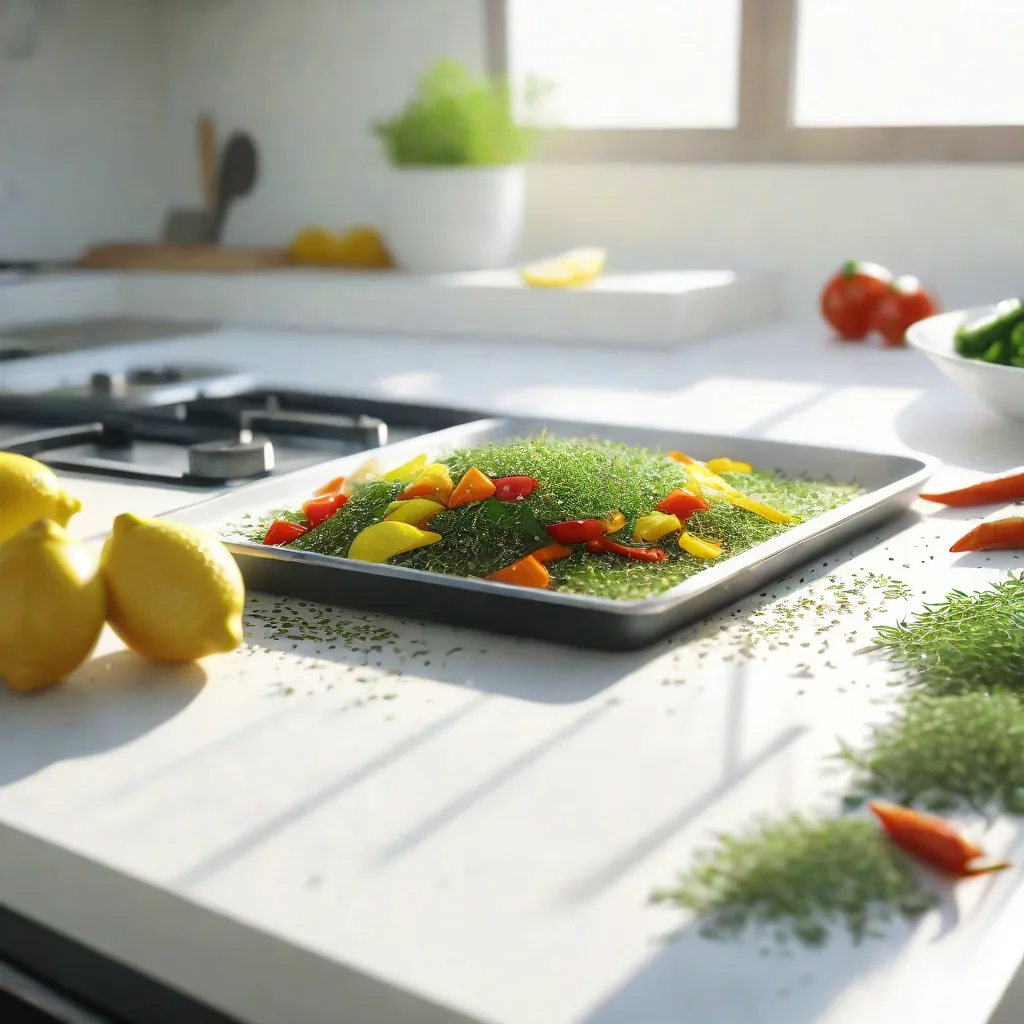
Vegetables and legumes possess intrinsic sugars and amino acids that develop into deep flavors when treated with the right heat and moisture balance. Dry‑heat methods such as roasting, grilling, or broiling encourage caramelization and Maillard reactions, producing sweet, nutty, and savory notes. Cut vegetables into uniform pieces to ensure even cooking; toss them with a thin layer of high‑smoke‑point oil (like avocado or grapeseod) and your chosen spice blend before spreading in a single layer on a pre‑heated baking sheet. Roast at 425 °F (220 °C) for 20‑35 minutes, turning halfway through, until edges are crisp and centers are tender.
For legumes, start with a quick rinse, then soak dried beans for at least six hours or use the quick‑soak method (boil for two minutes, then let sit covered for one hour). Drain and rinse again before cooking. Cook beans in fresh water with a strip of kombu or a few dried mushrooms; these additions infuse the cooking liquid with umami while keeping sodium low. Simmer gently; a slow cooker set on low for six to eight hours yields creamy beans without the need for added salt.
Sautéing aromatics first builds a flavor foundation. Heat a teaspoon of oil, add minced garlic, shallots, or ginger, and cook until fragrant—about 30 seconds—before introducing the main vegetables. This step ensures that the volatile compounds disperse throughout the dish. Finish sautéed vegetables with a splash of acid (lemon juice, rice vinegar, or sherry vinegar) and a handful of fresh herbs just before serving; the acid brightens the dish and the herbs add a final layer of complexity.
Blanching and shocking green vegetables such as broccoli, snap peas, or asparagus preserves color and crispness while setting the stage for flavor absorption. Boil salt‑free water, immerse the vegetables for two to three minutes, then transfer immediately to an ice bath. After draining, toss the blanched veg with a vinaigrette made from olive oil, crushed garlic, Dijon mustard (low‑sodium), and a touch of honey; the coating clings better to the slightly moist surface.
Pressure cooking accelerates flavor infusion for tougher legumes and root vegetables. Add aromatics, a bay leaf, and a few peppercorns to the pot before sealing; the high pressure forces liquids into the food, extracting taste in a fraction of the usual time. After cooking, release pressure naturally for ten minutes, then quick‑release any remaining steam. The resulting broth can be reserved as a base for soups or sauces.
When working with starchy vegetables like potatoes or sweet potatoes, consider a two‑step method: first par‑boil until just tender, then finish under the broiler or on a hot grill. This approach yields a creamy interior with a caramelized, slightly crisp exterior that delivers satisfaction without salt.
Edge cases include the risk of burning spices when roasting at high temperatures; add delicate herbs or ground spices only in the last five minutes of cooking. Also, avoid overcrowding the pan, which creates steam and inhibits browning. If cooking at high altitude, increase roasting time by five to ten minutes and consider a slightly higher oven temperature to compensate for lower atmospheric pressure.
Navigating Ethnic Cuisines While Keeping Sodium in Check
Many traditional dishes rely on sauces, pastes, or condiments that are high in sodium, but authentic flavors can be recreated with mindful substitutions. Begin by mastering the core aromatics of each cuisine—garlic, ginger, scallions, lemongrass, chilies, and fresh herbs—then build the dish around them.
In Mexican cooking, replace canned beans with low‑sodium or no‑salt‑added varieties, rinsing them thoroughly before use. Create fresh salsa by combining diced tomatoes, onion, cilantro, lime juice, and minced jalapeño; let it sit for ten minutes to allow the flavors to meld. For a smoky depth, use chipotle peppers in adobo sauce, but rinse the peppers under cold water to remove excess adobo, then mince finely. Season meats with a rub of ground cumin, dried oregano, smoked paprika, garlic powder, and a pinch of cocoa powder; the cocoa adds earthiness that mimics the richness of salted marinades.
Thai dishes often depend on fish sauce and soy sauce. Opt for low‑sodium soy sauce or tamari, and use it sparingly—no more than half a teaspoon per serving. Boost the umami profile with a paste made from rehydrated dried shrimp (rinse well) or a teaspoon of mushroom soy sauce. Fresh herbs such as Thai basil, mint, and cilantro, along with lime zest and kaffir lime leaves, provide aromatic brightness that reduces the perceived need for salt. A quick dipping sauce can be made from rice vinegar, a touch of palm sugar, minced chilies, and crushed peanuts.
Indian cuisine leans heavily on tempered spices (tadka) and yogurt. Heat ghee or oil, add mustard seeds, cumin seeds, chopped ginger, garlic, and a pinch of asafoetida (hing); this tempering releases flavors that form the backbone of dals and curries. Use fresh tomatoes, tomato puree, or tamarind paste for tanginess instead of relying on salty condiments. Finish dishes with a swirl of plain, low‑fat yogurt or a dollop of raita made with cucumber, mint, and a dash of roasted cumin powder.
Japanese cooking benefits from dashi made with kombu and a small amount of bonito flakes; both ingredients are naturally low in sodium. Use this broth as the base for miso soup, adding miso paste only at the end of cooking and limiting to half a teaspoon per cup. For sushi rolls, season the rice with a mixture of rice vinegar, a tiny amount of sugar, and a pinch of salt (optional); the vinegar’s acidity provides a pleasant tang that makes the rice feel seasoned. Sprinkle finished rolls with toasted sesame seeds and a light dusting of shichimi togarashi for heat without added salt.
Middle Eastern mezze thrives on herbs, lemon, and tahini. Prepare hummus using cooked chickpeas, tahini, lemon juice, garlic, and a pinch of ground cumin; check the tahini label for sodium content, as some brands add salt. For falafel, blend soaked chickpeas with parsley, cilantro, garlic, cumin, coriander, and a pinch of baking soda; fry or bake until golden. Serve with a side of pickled turnips made with vinegar, water, and a touch of beet juice for color—avoid store‑bought pickles that often contain high sodium.
When dining out, request sauces on the side and ask that the kitchen prepare your dish without added salt. Many chefs are willing to accommodate, especially if you explain the health reason. Be aware of hidden sodium in items like teriyaki glaze, hoisin sauce, or curry pastes; request low‑sodium versions or bring your own small container of a homemade alternative.
Edge cases include the variability of spice blends across regions; a store‑bought curry powder may contain added salt or MSG. Whenever possible, buy whole spices and toast‑grind them yourself. Also, be cautious with fermented pastes like doenjang or miso; their sodium levels differ widely, so taste before adding more.
Creating Satisfying Low‑Snack Options That Curb Cravings
Snacking is often where sodium sneaks in unnoticed, but thoughtful choices can keep cravings satisfied while supporting health goals. Start with whole‑food bases that are naturally low in sodium, then layer flavor using spices, herbs, acids, and healthy fats.
Roasted chickpeas make a crunchy, protein‑rich snack. Rinse and dry a can of no‑salt‑added chickpeas, toss with olive oil, smoked paprika, ground cumin, garlic powder, and a pinch of cayenne. Spread on a baking sheet and roast at 400 °F (200 °C) for 30‑35 minutes, shaking the pan every ten minutes, until golden and crisp. For a sweet twist, toss warm chickpeas with cinnamon, a drizzle of maple syrup, and a pinch of sea salt (optional) before cooling.
Kale chips deliver a satisfying bite with minimal effort. Remove the stems, tear the leaves into bite‑size pieces, and massage with a teaspoon of olive oil and a sprinkle of nutritional yeast. Add garlic powder and a touch of onion powder if desired. Bake at 300 °F (150 °C) for 10‑15 minutes, watching closely to prevent burning; the chips should be crisp but not browned.
Air‑popped popcorn is a blank canvas. After popping, drizzle with melted coconut oil or a light spray of olive oil, then season with a blend of dried herbs (such as rosemary and thyme), nutritional yeast, and a pinch of smoked paprika. For a sweet‑salty profile, toss with a tiny amount of melted dark chocolate and a sprinkle of cinnamon.
Vegetable sticks paired with homemade dips keep sodium low while delivering crunch and creaminess. Cut carrots, celery, bell peppers, and cucumber into uniform sticks. Prepare a dip by blending Greek yogurt (plain, low‑sodium), fresh dill, lemon zest, minced garlic, and a pinch of black pepper. Alternatively, mash avocado with lime juice, cilantro, and a touch of cumin for a guacamole‑style spread.
Trail mix can be both nutritious and low‑sodium when you control the ingredients. Combine unsalted almonds, walnuts, pumpkin seeds, and unsweetened dried cranberries or goji berries. Add a few dark chocolate chips (70 % cacao or higher) for a hint of indulgence. Portion into small containers to avoid overeating.
Cheese crisps offer a savory alternative to crackers. Grate a low‑sodium hard cheese such as Parmesan or aged cheddar, place small mounds on a parchment‑lined baking sheet, and bake at 375 °F (190 °C) for five to seven minutes until melted and golden. Let cool; the result is a crisp, flavorful snack that satisfies the urge for something salty without adding much sodium.
Edge cases include portion density: nuts and seeds are calorie‑dense, so measure servings (about one‑quarter cup) to keep energy intake in check. Dried fruits often contain added sugar and sometimes a coating of salt; choose unsulfured, unsweetened varieties or dry your own fruit in a dehydrator or low oven. When using store‑bought hummus, inspect the label; many brands add salt for preservation, so making it at home guarantees control.
Adapting Cooking Methods for Special Health Considerations
Individual health conditions influence how sodium reduction should be approached, and tailoring techniques ensures both safety and enjoyment. For those with hypertension or heart failure, the goal is to stay under 1,500 mg of sodium per day. Begin by weighing and recording every ingredient that contains sodium, including condiments, canned goods, and even medications (effervescent tablets, antacids, and some laxatives can contribute hundreds of milligrams). Use a digital kitchen scale and a reliable nutrition database to log totals; many free apps allow barcode scanning and custom recipe entry.
Frequently Asked Questions
Q: Can I still cook my favorite recipes without using any salt at all?
A: While eliminating salt completely can be challenging, you can dramatically reduce it by using herbs, spices, acids, and umami ingredients. Gradually decreasing salt while enhancing other flavors often leads to a successful transition.
Q: Are low‑sodium broths as flavorful as regular ones?
A: Low‑sodium broths may taste milder, but you can boost flavor by adding fresh herbs, aromatic vegetables, a splash of soy sauce, or a pinch of MSG if desired. The result is a dish with less sodium but full taste.
Q: How can I tell if a packaged food is truly low in sodium?
A: Check the Nutrition Facts label for the % Daily Value of sodium. Aim for products with 5% or less per serving, and compare similar items to choose the lowest sodium option.
Q: Does reducing sodium affect the taste of baked goods?
A: Salt contributes to texture and flavor in baking, but you can replace some of it with extra butter, milk, or a touch of sugar. Adding spices like cinnamon or nutmeg can also enhance taste.
Q: Is it safe to use salt substitutes like potassium chloride?
A: Salt substitutes can be helpful for some individuals, but they may not be suitable for people with kidney disease or those on certain medications. Always consult a healthcare professional before making changes to your sodium sources.