Understanding and managing your nervous system is essential for maintaining overall health and wellbeing. In this comprehensive guide, we’ll explore various techniques and practices that can help you regulate your nervous system, ensuring a balanced approach to your mental and physical health.
Understanding Your Nervous System
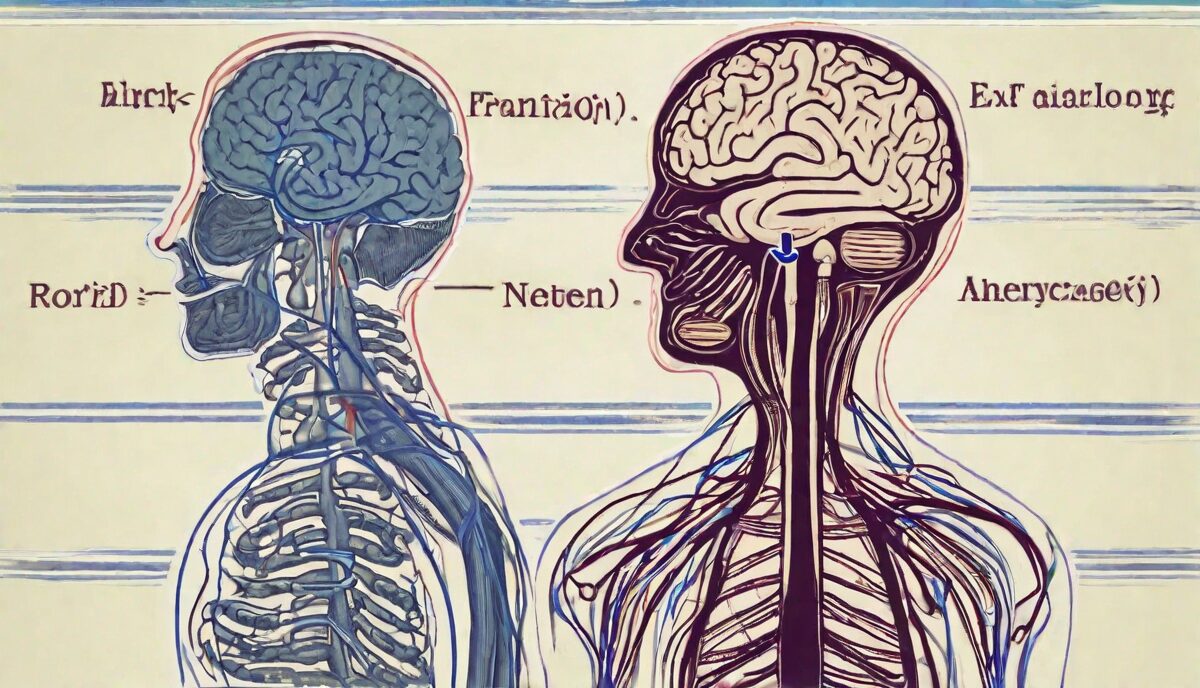
The nervous system is a complex network that regulates bodily functions and responses to external stimuli. It’s comprised of the central nervous system (CNS) and the peripheral nervous system (PNS). Proper function of your nervous system is critical for your everyday life, affecting everything from your heartbeat to your ability to respond to stress.
Techniques to Calm the Nervous System
There are several effective techniques you can employ to calm your nervous system:
- Deep Breathing: Deep and slow breathing can trigger the body’s relaxation response, reducing stress and anxiety.
- Meditation: Regular meditation practice has been shown to reduce the body’s stress response over time.
- Physical Exercise: Engaging in regular exercise can improve your body’s ability to handle stress and has been linked to better nervous system regulation.
Nutrition and the Nervous System
What you eat can significantly impact your nervous system. Incorporating a diet rich in omega-3 fatty acids, antioxidants, and B vitamins can support nervous system health.
Understanding Stress and Its Impact
Stress is a natural response to challenges and threats, but chronic stress can lead to dysregulation of the nervous system. Learning to recognize the signs of stress and taking steps to manage it is crucial for maintaining balance.
Professional Support for Nervous System Health
If self-help techniques are not sufficient, seeking professional support from a healthcare provider or therapist can be beneficial. They can offer personalized strategies and treatments to help regulate your nervous system.
The Polyvagal Perspective: Navigating States of Arousal
To deepen your regulation practice, it is vital to understand the Polyvagal Theory, which categorizes your nervous system into three distinct states: the ventral vagal (safe and social), the sympathetic (fight or flight), and the dorsal vagal (freeze or shutdown). Regulation is not about staying in a state of constant calm, but rather increasing your “window of tolerance”—the zone where you can handle life’s stressors without shifting into extreme reactivity or withdrawal.
When you find yourself in a sympathetic state, your heart rate increases and your focus narrows. To shift back, you need “down-regulators” like cold water immersion on the face (triggering the mammalian dive reflex) or physiological sighs (two inhales followed by a long exhale). Conversely, if you are in a dorsal state—feeling numb, lethargic, or disconnected—you need “up-regulators” such as rhythmic movement, vigorous shaking, or listening to high-frequency music to signal safety to your brain and bring you back into engagement.
Sensory Integration and Somatic Anchoring
Your nervous system constantly scans the environment for sensory input to determine if you are safe. You can hack this process through somatic anchoring. When you feel dysregulated, engage your senses to pull your focus away from internal rumination. Use the 5-4-3-2-1 technique: identify five things you can see, four you can touch, three you can hear, two you can smell, and one you can taste. This process forces the prefrontal cortex to take over from the amygdala, effectively grounding your nervous system in the present moment.
Another powerful tool is “weighted input.” Using a weighted blanket or holding a heavy object can provide proprioceptive feedback that soothes the nervous system. This pressure mimics the feeling of being held, which naturally lowers cortisol levels. For those who find traditional meditation difficult, focusing on the tactile texture of an object or the temperature of a stone in your hand can serve as a more accessible entry point into mindfulness.
The Role of Circadian Rhythm and Light Exposure
Your nervous system is fundamentally tethered to the rotation of the earth. Dysregulation often stems from a mismatch between your internal biological clock and your external environment. The most effective way to calibrate your nervous system is through morning sunlight exposure. Viewing natural light within 30 minutes of waking sets a timer for your cortisol pulse, which dictates your alertness during the day and your melatonin release at night.
Conversely, blue light exposure from screens after sunset can trick your brain into thinking it is still daytime, keeping your nervous system in a state of high alert when it should be transitioning into repair mode. Implementing a “digital sunset” where you dim lights and reduce blue light exposure two hours before bed can drastically improve your nervous system’s ability to enter deep, restorative sleep cycles, which is where the most significant neural repair occurs.
Vagus Nerve Stimulation Techniques
The vagus nerve is the primary conduit of your parasympathetic nervous system, responsible for the “rest and digest” response. You can manually stimulate this nerve to lower your heart rate and blood pressure through simple physical maneuvers. Humming, chanting, or singing are highly effective because the vibrations stimulate the vocal cords and the muscles in the back of the throat, which are closely linked to the vagus nerve.
Another technique is “oculovagal stimulation.” By keeping your head still and looking as far to the right as you can with your eyes only, you hold the gaze until you feel a physical release—such as a yawn, a sigh, or a swallow. These involuntary signals are indicators that your nervous system has shifted from a state of tension to a state of relaxation. Repeat this on the left side to balance the input across both hemispheres of the brain.
Boundary Setting as a Nervous System Strategy
Chronic dysregulation is often a byproduct of constant boundary violations. When you consistently say “yes” when you mean “no,” or when you expose yourself to high-conflict environments, your nervous system remains in a low-grade sympathetic state. Recognizing that your capacity to tolerate stress is finite is the first step toward better management.
Establishing healthy boundaries is not just a social skill; it is a physiological necessity. By limiting your exposure to “energy vampires” or high-stimulus digital environments, you reduce the overall “load” on your nervous system. Think of your nervous system as a battery: every decision, interaction, and sensory input consumes energy. By curating your environment to minimize unnecessary friction, you preserve your nervous system’s capacity to handle the inevitable stressors that you cannot control.
The Intersection of Movement and Neural Plasticity
While high-intensity exercise is beneficial for cardiovascular health, it can sometimes overtax a nervous system that is already chronically stressed. If you feel “wired and tired,” swap high-impact cardio for neuro-sensory movement. Practices like Qigong, Tai Chi, or slow, deliberate yoga emphasize the connection between breath and movement, which trains your brain to maintain a state of calm while the body is in motion.
These practices focus on midline crossing—moving your limbs across the center of your body—which encourages communication between the left and right hemispheres of the brain. This integration helps the nervous system process emotions more effectively. When you move with intention and slow, rhythmic control, you are effectively “re-wiring” your neural pathways to prioritize calm over chaos, creating a more resilient baseline for handling future stress.
Managing the “After-Shock” of Stress
A common mistake in nervous system regulation is trying to calm down *while* the stressor is still happening. Often, the most important work happens in the aftermath. When a stressful event concludes, your nervous system may stay in a heightened state of alertness (the “hangover” effect). You must actively signal to your body that the danger has passed.
FAQ About Nervous System Regulation
What are the signs of a dysregulated nervous system?
Common signs include chronic stress, anxiety, fatigue, sleep disturbances, and digestive issues.
Can diet really affect my nervous system?
Yes, certain nutrients play a vital role in the health of your nervous system and can impact its function.
How often should I practice relaxation techniques?
Regular practice is key, ideally daily or multiple times per week, to see significant benefits.
What type of exercise is best for nervous system health?
A combination of aerobic, strength, and flexibility exercises is ideal for overall nervous system regulation.
When should I seek professional help for nervous system issues?
If you’re experiencing severe or persistent symptoms, it’s important to consult a healthcare professional for guidance.
Related posts:
 How to Relieve Stress: 22 Quick Tips & Proven Stress Relief Techniques
 Affect Regulation: Strategies, Techniques & Worksheets
 Meet Your Second Brain: The Nervous System in Your Belly You Never Knew Existed
 Scientists Reveal How to Literally Rewire Your Brain for Happiness
 Just 10 Minutes of Weekly Exercise Boosts Happiness
 Black Healing: Breathwork for Black Women’s Wellness
 33 Self-Regulation Tools and Strategies
 5 Steps to Inner Calm