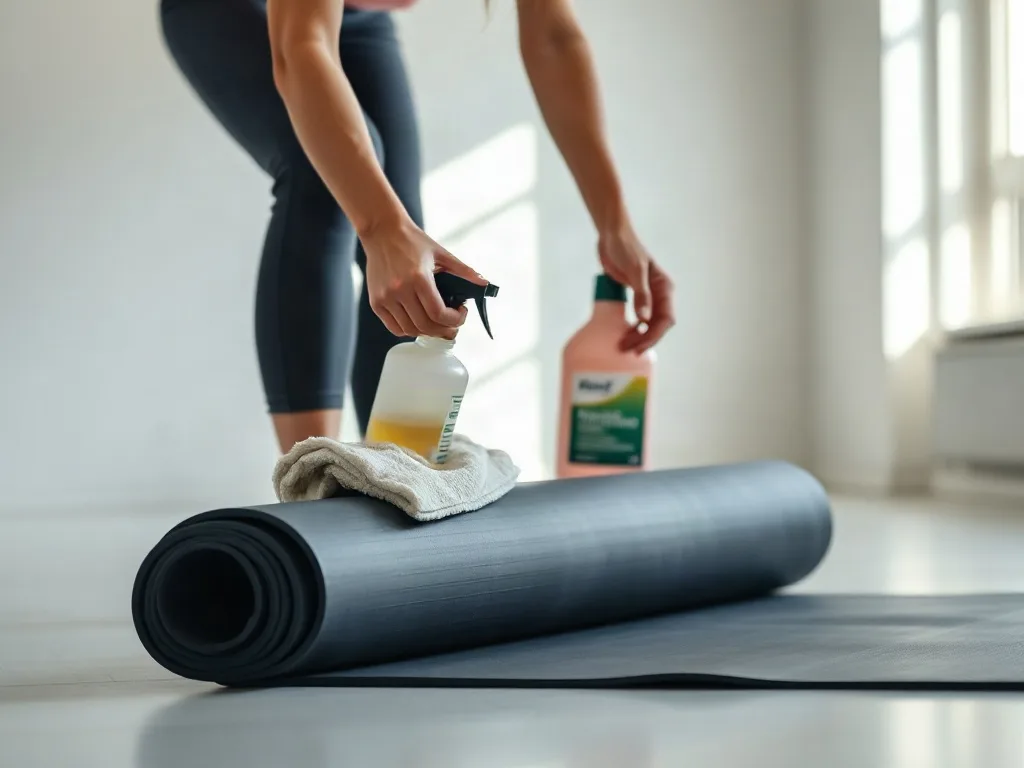
Keeping your yoga equipment clean is a small habit that protects your skin, prolongs the life of your gear, and supports a mindful practice. Sweat, dust, and environmental pollutants can accumulate on mats, props, and fabrics, creating slip hazards and unpleasant odors. This guide walks you through safe, effective cleaning methods for every common piece of yoga equipment, offering practical tips you can apply at home without harsh chemicals.
Key takeaways
- Use a mild soap and water solution for mats, wiping in circular motions and air-drying away from direct sunlight.
- Clean foam and cork props with diluted vinegar or soap, avoiding submersion to prevent water damage and mold.
- Hand-wash fabric accessories like straps and blankets in lukewarm water with gentle detergent, then lay flat to dry.
- Store equipment in breathable bags and avoid folding mats to prevent creases and material breakdown over time.
- Neutralize odors naturally using baking soda paste or a light mist of water mixed with white vinegar and essential oils.
Why Regular Cleaning Matters
Yoga is a close‑body practice, and the surfaces you touch daily can become breeding grounds for bacteria, mold, and fungi if left unchecked. While most modern yoga mats are antimicrobial, they are not immune to buildup. Regular cleaning helps you:
- Maintain grip and safety: Sweat and dust reduce traction, increasing the risk of slips.
- Protect skin health: Reducing bacterial load lowers the chance of irritation or breakouts, especially for sensitive skin.
- Extend product lifespan: Removing abrasive grit prevents premature wear on rubber, PVC, or natural fibers.
- Preserve a pleasant environment: A fresh‑smelling space encourages deeper focus and enjoyment.
Essential Cleaning Supplies
Before you start, gather a few gentle, readily available items. Using the right tools prevents damage to delicate surfaces while delivering a thorough clean.
- Mild liquid soap: A few drops of unscented dish soap or a gentle body wash works well.
- White vinegar: Natural deodorizer and mild disinfectant (use a 1:3 vinegar‑to‑water ratio).
- Baking soda: Effective for neutralising odors and lifting stains.
- Microfiber cloths or soft sponges: Non‑abrasive and lint‑free.
- Spray bottle: For mixing and applying solutions evenly.
- Large towel or drying rack: To air‑dry mats and props without direct sunlight.
All of these items are inexpensive, widely available, and safe for most yoga materials. If you prefer an eco‑friendly route, you can substitute commercial cleaners with a simple mix of water, vinegar, and a few drops of essential oil such as lavender or tea tree (both have mild antimicrobial properties).
Cleaning Your Yoga Mat Safely
Whether you own a PVC, TPE, natural rubber, or cork mat, the basic cleaning steps are similar. Follow these instructions to avoid weakening the material.
- Prepare the solution: Fill a spray bottle with warm water, add 2–3 drops of mild soap, and shake gently.
- Test a hidden spot: Spray a small area and wait 30 seconds. If the surface does not become sticky or discoloured, you’re safe to proceed.
- Apply the solution: Lightly mist the entire mat. Avoid soaking it; excess water can seep into the backing and cause delamination.
- Wipe down: Use a microfiber cloth to rub the surface in circular motions, paying extra attention to high‑friction zones (hands and feet).
- Rinse (optional): For mats that tolerate water, wipe with a cloth dampened with plain water to remove soap residue.
- Deodorise: Mix one part white vinegar with three parts water in a spray bottle. Lightly mist the mat, then wipe with a clean cloth.
- Dry: Roll the mat in a dry towel to absorb surface moisture, then unroll it on a flat surface away from direct sunlight. Allow 30–60 minutes to air‑dry completely before the next use.
For cork mats, replace the vinegar step with a gentle wipe using a damp cloth and a small amount of cork‑safe cleaner, as acidic solutions can erode the natural finish.
Maintaining Yoga Blocks, Wheels, and Props
Blocks (foam, cork, or wood) and wheels are often handled with the palms and can accumulate sweat and dust. Their cleaning method depends on material:
- Foam blocks: Wipe with a cloth dampened in a mild soap solution. Avoid submerging the block, as foam absorbs water and can become soggy.
- Cork blocks: Use a 1:4 water‑to‑vinegar solution, applied sparingly with a soft cloth. After wiping, immediately dry with a towel and let air‑dry.
- Wooden props: Lightly dust with a dry microfiber cloth. For deeper cleaning, use a wood‑safe cleaner (e.g., a few drops of olive oil mixed with water) and polish with a soft cloth.
- Yoga wheels: Most wheels are made from PVC or rubber. Follow the same mat‑cleaning steps, but be sure to clean the inner rim where hands rest.
After cleaning, store blocks and wheels upright or in a breathable bag to prevent moisture buildup.
Caring for Straps, Bolsters, and Blankets
Fabric‑based accessories require a gentler approach to avoid shrinking or weakening fibres.
- Spot‑test: Apply a small amount of diluted soap to an inconspicuous area and let it dry. If the colour or texture remains unchanged, continue.
- Hand‑wash: Fill a basin with lukewarm water, add a few drops of gentle detergent, and submerge the item. Gently agitate for 1–2 minutes.
- Rinse thoroughly: Drain the soapy water and refill with clean water. Repeat until no suds remain.
- Deodorise (optional):** Add ½ cup of baking soda to the final rinse for a fresh scent.
- Dry: Press out excess water with a clean towel, then lay flat on a drying rack away from direct heat. Fabric blankets and bolsters may need 2–4 hours to dry completely.
If a strap is made of cotton or nylon, you can also tumble‑dry on a low heat setting for 15 minutes, but always check the manufacturer’s label first.
Tackling Odor and Stubborn Stains
Persistent smells often stem from bacteria trapped in microscopic pores. Here are targeted solutions:
- Baking soda paste: Mix 3 parts baking soda with 1 part water to form a thick paste. Apply to stained areas, let sit for 15 minutes, then wipe clean.
- Hydrogen peroxide (3%): For white or light‑coloured mats, spray a light mist on the stain, wait 5 minutes, then rinse. Test first to ensure colourfastness.
- Essential oil spray: Combine 10 drops of tea tree oil with ½ cup water in a spray bottle. Lightly mist the entire mat after cleaning to add antimicrobial protection and a pleasant aroma.
- Sun‑drying: A brief exposure (15–20 minutes) to indirect sunlight can naturally reduce odor‑causing microbes, but avoid prolonged UV exposure which can degrade rubber.
Never use bleach or harsh chemicals on yoga equipment, as they can break down adhesives and cause skin irritation.
Storage and Maintenance Tips
Proper storage is the final line of defence against grime and wear.
- Roll, don’t fold: Folding creates creases that can weaken mat fibres over time.
- Use breathable bags: Cotton or canvas yoga bags allow air circulation, preventing mildew.
- Avoid extreme temperatures: Store equipment in a cool, dry place. Heat can melt PVC, while cold can make rubber brittle.
- Rotate usage: If you own multiple mats or props, rotate them weekly to give each item time to air out.
- Inspect regularly: Check for tears, delamination, or wear after each cleaning session. Replace items that show significant damage to maintain safety.
Eco‑Friendly Cleaning Alternatives
Many yogis prefer sustainable options that align with a mindful lifestyle. Below are a few planet‑friendly cleaners that work as well as commercial products.
- Castile soap solution: Dilute 1 tablespoon of liquid castile soap in 2 cups of warm water. This biodegradable soap cleans without synthetic surfactants.
- Lemon‑water spray: Mix the juice of one lemon with 2 cups of water. Lemon’s natural acidity helps cut grease and leaves a fresh scent.
- Reusable cleaning pads: Microfiber pads can be washed and reused, reducing waste compared to disposable wipes.
- DIY vinegar‑essential oil blend: Combine 1 part white vinegar, 3 parts water, and 5 drops of eucalyptus oil for a disinfecting spray that breaks down after use.
Remember to label any homemade solution and store it out of direct sunlight to preserve its effectiveness.
Travel‑Ready Cleaning: Keeping Your Gear Fresh on the Go
When you roll your mat into a suitcase or sling a set of blocks onto a backpack, you trade the luxury of a dedicated cleaning space for the constraints of limited water, time, and storage. A portable routine helps you avoid the dreaded “stale‑smell” that can develop after a weekend retreat or a day of outdoor practice.
- Pre‑practice wipe‑down: Keep a small, refillable spray bottle (30 ml) in your travel bag. Mix one part white vinegar with three parts filtered water and add a single drop of tea tree oil. Lightly mist the mat or props immediately after use, then pat dry with a microfiber travel towel. This quick acid‑base action neutralises sweat‑derived bacteria before they have a chance to colonise.
- Compact dry‑cleaning pads: Reusable, lint‑free pads infused with a mild citrus‑based cleanser are ideal for foam blocks and cork wheels. Rub the pad across the surface for 30 seconds; the pad absorbs moisture and leaves a faint citrus scent without adding any liquid that could warp the material.
- Rolling technique for moisture control: After a mist‑and‑dry session, roll the mat loosely with a dry towel inside the roll. The towel acts as a wicking layer, drawing residual dampness away from the mat core. Unroll and air‑dry for at least 10 minutes before packing.
- Emergency odor fix: Sprinkle a thin layer of baking soda over the mat while still rolled, seal the roll in a breathable cloth bag, and let sit for 20 minutes. The soda absorbs lingering odors. Shake out the powder before repacking.
Edge case: If you travel to a humid tropical destination, the ambient moisture can cause a mat to feel sticky even after a brief wipe. In such environments, add a few drops of isopropyl alcohol (70 %) to your vinegar spray—this speeds evaporation while maintaining a mild disinfecting effect. Test on a hidden spot first to ensure the alcohol does not discolor the surface.
Specialized Props: Care for Yoga Socks, Towels, and Eye Pillows
Beyond mats and blocks, many practitioners rely on soft accessories that come into direct contact with skin. These items often hide in the corners of a bag, where sweat and detergents can cause fibre breakdown if not treated correctly.
- Yoga socks: Most yoga socks are made of a blend of cotton, bamboo, or synthetic blends with silicone grips on the sole. Hand‑wash in lukewarm water with a few drops of gentle laundry soap. After rinsing, roll the socks inside a dry towel and press gently to remove excess water—avoid wringing, which can stretch the silicone pads. Lay flat on a rack away from direct heat; a 30‑minute air‑dry is sufficient.
- Yoga towels (micro‑fibre or cotton): These towels are designed to absorb sweat during hot‑yoga sessions. After each class, rinse in cool water to remove salt crystals, then soak for 5 minutes in a solution of 1 cup white vinegar and 4 cups water. This removes mineral buildup that can make the towel feel stiff. Machine‑wash on a gentle cycle (cold) if the label permits, and tumble‑dry on low heat or air‑dry to preserve micro‑fibre integrity.
- Eye pillows (lavender‑filled or rice‑filled): Remove the outer fabric cover and hand‑wash it in a basin with a mild detergent. For rice‑filled pillows, after washing the cover, place the pillow in a large zip‑lock bag, add a few fresh rice grains, seal, and tumble‑dry on low for 10 minutes. The fresh rice replaces any moisture that may have seeped into the original filling, keeping the pillow fluffy and free of mildew.
Edge case: Practitioners with sensitive skin may react to residual detergent on cotton yoga socks. In such cases, substitute the detergent with a hypoallergenic, fragrance‑free baby shampoo diluted 1:10 with water. Rinse thoroughly and dry as described above.
Deep‑Clean Techniques: UV Sanitizers, Steam, and Ultrasonic Solutions
For studios or home practitioners who want a level of sterility beyond what a vinegar‑soap rinse offers, technology‑based methods provide a chemical‑free alternative. Each technique targets microorganisms in a different way, allowing you to choose based on equipment material and available resources.
- UV‑C light boxes: Compact, countertop UV‑C chambers (wavelength 254 nm) can disinfect a rolled mat, a yoga wheel, or a set of blocks in 5‑10 minutes. Place the item inside the chamber, close the lid, and activate the timer. UV‑C breaks down DNA of bacteria and viruses without leaving residues. Avoid using UV‑C on cork or natural rubber for longer than the recommended time, as prolonged exposure can cause surface brittleness.
- Steam cleaning: A handheld steam wand (temperature 120‑130 °C) works well on PVC, TPE, and synthetic fabrics. Hold the wand a few centimetres away and sweep across the surface for 15‑20 seconds. The high‑temperature steam kills microbes and loosens grime, which you can then wipe away with a dry microfiber cloth. Do not steam‑clean foam blocks; the foam will absorb water and may develop mould.
- Ultrasonic cleaners: Small ultrasonic baths (frequency 40 kHz) are ideal for cleaning metal eye‑pillows, metal yoga straps, and small accessories like ankle weights. Fill the tank with warm water and a few drops of mild soap, submerge the items, and run the cycle for 3‑5 minutes. The cavitation bubbles agitate microscopic dirt from crevices without mechanical abrasion.
Example workflow for a busy studio: after each class, run a quick mist‑and‑wipe on all mats, then place them in a UV‑C box for a nightly 8‑minute cycle. Wheels and blocks receive a steam pass once per week, while metal straps are soaked in an ultrasonic bath bi‑weekly. This layered approach maximises hygiene while minimising chemical use.
Edge case: If a practitioner uses a mat with a printed graphic, UV‑C can cause fading over time. In that scenario, limit UV exposure to once a month and rely on the regular vinegar‑soap routine for daily cleaning.
Allergy‑Friendly and Sensitive‑Skin Strategies
Yoga practitioners with eczema, psoriasis, or seasonal allergies need extra care when selecting cleaning agents. Harsh surfactants, fragrance oils, and acidic solutions can exacerbate skin irritation or trigger respiratory symptoms.
- Fragrance‑free base: Replace scented essential oils with a plain distilled‑water spray. Add a pinch of colloidal silver (0.1 %) for its mild antimicrobial properties; it is colourless and does not leave residue.
- Hypoallergenic detergent: Use a detergent formulated for baby clothes—typically free of dyes, enzymes, and optical brighteners. Dilute to a 1:20 ratio for hand‑washing blankets and straps.
- Rinse‑only protocol: For highly reactive skin, skip the soap step entirely. After practice, mist the mat with filtered water, wipe with a clean microfiber cloth, and allow to air‑dry. The mechanical removal of sweat is often enough to prevent irritation for short‑term practitioners.
- Anti‑mite treatment: Sprinkle a thin layer of food‑grade diatomaceous earth on the mat surface after a dry wipe. Let sit for 10 minutes, then shake off. The fine silica particles disrupt the exoskeletons of dust mites without chemicals.
Example scenario: A yoga teacher with chronic eczema prefers a cotton‑blend mat. She follows a weekly routine of a mild castile‑soap spray, followed by a thorough rinse with filtered water, then a final wipe with a cloth soaked in a 1 % colloidal silver solution. She reports no flare‑ups after three months of consistent care.
Edge case: Practitioners with latex allergy must avoid any cleaning product containing natural rubber or latex gloves. Opt for nitrile gloves when handling wet equipment, and verify that wood‑based cleaners are truly latex‑free.
Studio‑Scale Maintenance: Managing Multiple Mats and Shared Props
In a commercial studio, the volume of equipment multiplies the cleaning challenge. A systematic approach ensures consistency, reduces cross‑contamination, and saves staff time.
- Color‑coded cleaning stations: Assign a distinct colour of microfiber cloth to each class type (e.g., blue for hot‑yoga, green for prenatal). This visual cue prevents accidental cross‑use of cloths that might carry residual oils from a sweaty session into a dry‑flow class.
- Rotating mat rack: Install a slatted rack that holds mats vertically with the top side facing outward. Rotate the rack weekly so each mat spends equal time exposed to air, reducing humidity buildup.
- Batch‑spray protocol: Fill a large, refillable sprayer with a 1:3 vinegar‑water solution. After each class, a staff member quickly mistes all mats on the rack, then wipes them with the colour‑coded cloths. The process takes less than two minutes per class.
- Prop‑specific cleaning carts: Use rolling carts equipped with separate compartments for blocks, wheels, straps, and blankets. Each compartment holds a small spray bottle of the appropriate cleaning solution (e.g., mild soap for foam blocks, vinegar for cork). Staff can pull the cart to the back room, perform a quick wipe, and return the props to the studio.
- Logbook integration: Place a waterproof logbook on the cleaning cart. After each cleaning pass, the staff member signs their initials and notes any damage observed (e.g., a cracked block). This creates an audit trail for equipment replacement budgeting.
Edge case: In studios that host outdoor yoga sessions, mats may be exposed to sand, pollen, and insects. After an outdoor class, perform a pre‑clean dry‑brush with a soft bristle brush to remove particulate matter before the wet mist step. This prevents grit from scratching the mat surface during the wet cleaning.
Eco‑Minimal‑Water Methods: Dry‑Cleaning and Water‑Saving Practices
Water scarcity and environmental consciousness drive many yogis to seek low‑water cleaning alternatives. The following methods achieve respectable hygiene while using little to no liquid.
- Micro‑fibre dry‑wipe with baking‑soda dusting: Lightly sprinkle a fine layer of baking soda across the mat surface, let sit for 5 minutes, then use a dry micro‑fibre cloth to sweep away the powder. The combination lifts sweat residues and neutralises odors without a single drop of water.
- Silicone‑based dry spray: Commercial silicone cleaners (e.g., “dry‑clean spray”) consist of a volatile silicone oil that spreads a thin lubricating film, captures dust, and evaporates quickly. Apply a light mist, wait 30 seconds, then buff with a dry cloth. The result is a non‑sticky, refreshed surface.
- Reusable cleaning cloths with static charge: Certain woven polyester blends develop a static charge when rubbed. Rubbing the cloth across a mat attracts fine particles, similar to a lint roller, and leaves the surface cleaner.
- Sun‑drying for microbial reduction: Place the mat on a clean, flat surface in indirect sunlight for 45 minutes. UV rays reduce bacterial load, while the warmth drives moisture out. Avoid direct midday sun on coloured mats to prevent fading.
Example for a home practitioner: After a sweaty session, the yogi sprays a light mist of silicone‑based dry spray, buffs with a microfiber cloth, then slides the mat onto a balcony for a short sun‑dry. The entire routine takes under ten minutes and uses no water.
Edge case: For cork mats, excessive silicone can leave a glossy film that interferes with natural grip. Limit silicone use to once a month and always follow with a quick wipe using a damp (not wet) cloth to remove excess residue.
Maintenance Log & Routine Planner: A Practical Toolkit
Consistent cleaning becomes second nature when you track it. Below is a printable‑friendly template that can be adapted for personal use or studio operations.
Date | Equipment | Cleaning Method | Duration | Observations | Initials
-----|-----------|----------------|----------|--------------|----------
2024‑11‑01 | Mat (PVC) | Vinegar‑soap mist + wipe | 8 min | No odor | J.D.
2024‑11‑01 | Foam Block | Dry‑wipe + baking‑soda | 3 min | Slight surface wear | A.L.
2024‑11‑02 | Yoga Wheel | UV‑C 8 min | 8 min | All clear | M.P.
Tips for effective use:
- Set a reminder: Use a phone calendar with a weekly repeat to prompt a deep‑clean day.
- Integrate with class schedule: Align cleaning slots with class turnover times to avoid downtime.
- Track wear patterns: Note recurring issues (e.g., a particular block cracking) to anticipate replacement needs before safety becomes a concern.
- Share the log: In a studio, keep the log on a magnetic board near the cleaning cart so all staff can update it in real time.
By documenting each cleaning event, you create a data‑driven maintenance culture that supports longevity, hygiene, and mindfulness—all essential ingredients for a sustainable yoga practice.
Frequently Asked Questions
1. How often should I clean my yoga mat?
A good rule of thumb is to wipe down the mat after every practice and give it a deeper clean (using the full soap‑vinegar routine) once a week if you practice daily. For occasional practitioners, a thorough clean every two weeks is sufficient.
2. Can I put my yoga mat in the washing machine?
Most mats, especially PVC and TPE, should not be machine‑washed because the agitation can damage the backing and cause the mat to lose its grip. Foam and cork mats are even more vulnerable. Hand‑washing is the safest method.
3. Is it safe to use essential oils on all yoga equipment?
Essential oils are generally safe on rubber, cork, and fabric when diluted properly. However, avoid applying undiluted oils directly to the surface, as they can cause discoloration or degrade some adhesives. Always perform a spot‑test first.
4. What should I do if my yoga strap becomes slippery after cleaning?
If a strap feels slick, rinse it with plain water to remove any soap residue, then allow it to air‑dry completely. For cotton straps, a brief tumble‑dry on low heat can restore texture. If the problem persists, consider applying a small amount of natural latex spray to improve grip.
5. How can I prevent mold on my yoga blanket?
Store blankets in a dry, well‑ventilated area and avoid folding them while damp. After each wash, ensure the blanket is fully dry before folding or placing it in a storage bag. Adding a few drops of tea tree oil to the final rinse can also inhibit fungal growth.
Related posts:
 Forget Bleach: This Kitchen Staple Cleans Everything
 White Sneaker Cleaning Hack
 Touchland Power Mist: Portable Sanitizing Solution
 The Salt Spray Secret to Perfect Beach Hair Every Time
 Keep Bugs Out of Your House Using This Kitchen Staple
 Mat Goals: The Cutest Yoga Mats That Will Make You Actually Want to Namaste
 3 yoga mats totally reimagined for the better
 DIY Natural Cleaning Products with Essential Oils