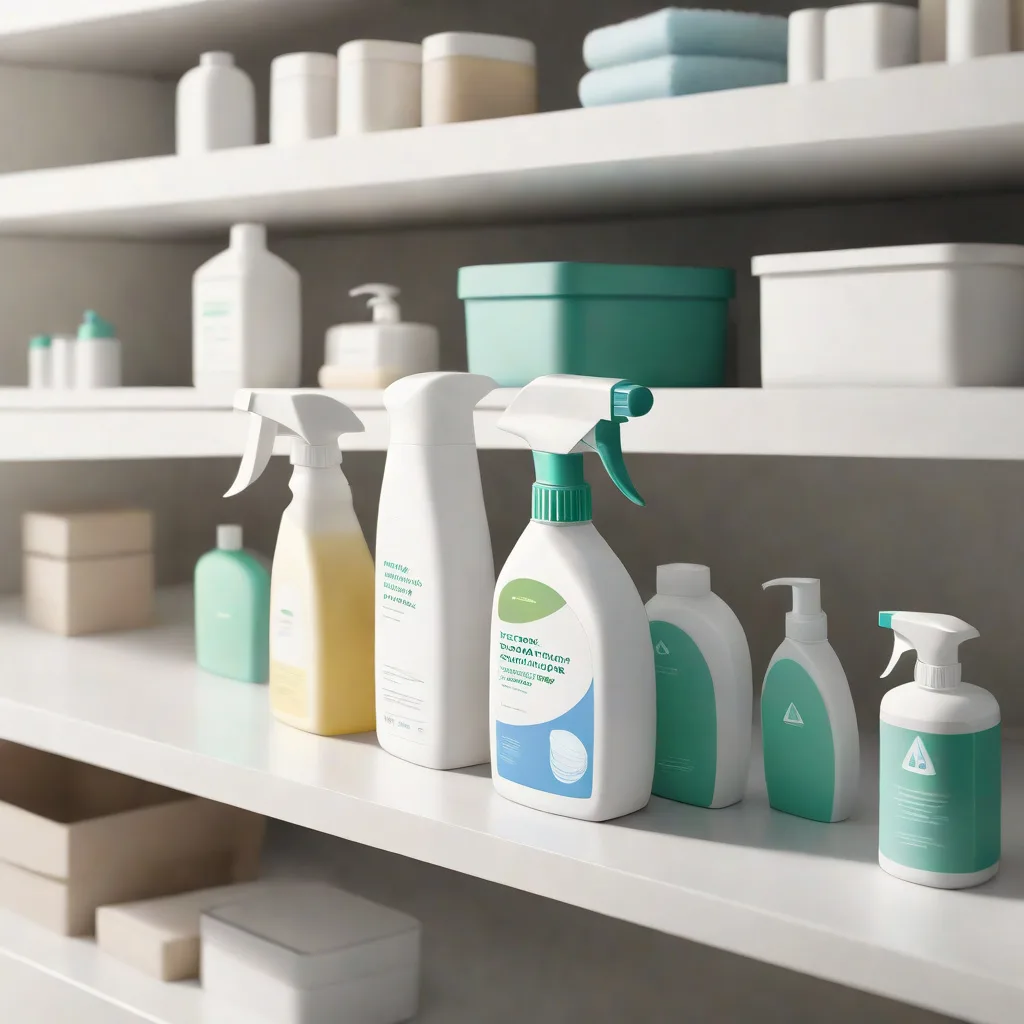
Keeping cleaning supplies organized and out of harm’s way is a cornerstone of a healthy home. Many people underestimate the danger that everyday products pose when they are tucked away in a cluttered cabinet or left on a low shelf. This guide walks you through the principles of safe storage, from assessing risk to building a system that protects children, pets, and the environment.
Understanding the Risks of Improper Storage
Household cleaners often contain corrosive acids, volatile solvents, or toxic surfactants. When these chemicals mix accidentally — for example, bleach meeting ammonia — they can release hazardous gases. Even a single bottle left uncapped can leak, creating a slip hazard and contaminating surfaces. Children are naturally curious; a colorful spray bottle can look like a toy. Pets may chew on containers, ingesting residue. Recognizing these scenarios helps you prioritize the most dangerous items first.
Start by reading every label. Look for signal words such as danger, warning, or caution, and note the hazard class: flammable, corrosive, toxic, or reactive. Keep a simple spreadsheet or notebook listing product name, hazard class, expiration date, and recommended storage temperature. This inventory becomes the backbone of your storage plan.
Choosing the Right Storage Location
Ideal storage spots are cool, dry, and well‑ventilated. A high shelf in a laundry room or a locked cabinet in the garage works well. Avoid areas near heat sources — water heaters, furnaces, or direct sunlight — because temperature spikes can degrade containers and increase vapor pressure. Basements can be damp, which encourages rust on metal caps and mold on cardboard packaging.
If you have limited space, consider a dedicated storage tote with a tight‑fitting lid. Choose a tote made of high‑density polyethylene (HDPE) because it resists most household chemicals. Label the tote clearly with a waterproof marker. Place the tote on a stable shelf, not on the floor where it could be kicked or flooded.
Organizing by Hazard Class
Group products by their primary hazard. Keep all flammable liquids — such as aerosol sprays, alcohol‑based cleaners, and certain degreasers — together, away from oxidizers like bleach or hydrogen peroxide. Corrosive acids (toilet bowl cleaners, drain openers) should sit on a separate shelf, preferably in a secondary containment tray that can catch leaks.
Use color‑coded bins or stickers: red for flammable, blue for corrosive, yellow for toxic, green for relatively low‑risk items like vinegar or baking soda. This visual system lets anyone in the household quickly identify the nature of a product without reading fine print.
Using Proper Containers and Labels
Never transfer a cleaner into an unlabeled bottle. The original packaging includes child‑resistant caps, hazard symbols, and first‑aid instructions. If a container is damaged, replace it with a compatible, chemically resistant bottle — HDPE for most liquids, glass for strong acids. Ensure the new cap seals tightly.
Attach a durable label that lists the product name, hazard class, date opened, and any special handling notes (e.g., do not mix with ammonia). Use a label maker or waterproof tape and a permanent marker. Update the label each time you refill or dilute a solution.
Temperature and Ventilation Considerations
Most household cleaners are stable between 10 °C and 30 °C (50 °F‑86 °F). Extreme cold can cause some solutions to separate; extreme heat can increase pressure and cause containers to burst. If you live in a region with harsh winters, avoid storing products in an unheated garage. In hot climates, a climate‑controlled pantry or interior closet is safer.
Ventilation reduces the buildup of fumes. A cabinet with a small vent or a shelf near an exhaust fan helps disperse vapors. Never store cleaners in an airtight container without a pressure‑relief feature. If you notice a strong odor when opening a cabinet, improve airflow immediately.
Child‑ and Pet‑Proofing Strategies
Install child‑proof locks on any cabinet that holds hazardous products. Magnetic locks are discreet and effective; they require a magnetic key that can be kept out of reach. For pet owners, ensure that low shelves are inaccessible — use baby gates or place the storage tote on a high shelf.
Consider a “clean‑only” zone: a single locked cabinet that contains all cleaning agents. Teach older children the meaning of the hazard symbols and why they must never open that cabinet. Keep a list of emergency numbers (poison control, local fire department) posted near the storage area.
Routine Maintenance and Inventory Checks
Schedule a quarterly audit. Verify that caps are tight, labels are legible, and no containers show signs of corrosion, swelling, or leakage. Dispose of any product past its expiration date or that has changed color, odor, or consistency. Rotate stock so older items are used first.
During the audit, update your inventory spreadsheet. Note any new purchases and remove discarded items. This habit prevents accidental duplication (buying a second bottle of the same cleaner) and keeps the storage area tidy.
Emergency Preparedness and Spill Response
Keep a spill kit nearby: absorbent pads, neutralizing agents (baking soda for acids, vinegar for bases), disposable gloves, and a sealed disposal bag. Post a simple step‑by‑step spill response sheet on the cabinet door: 1) evacuate the area, 2) ventilate, 3) don protective gear, 4) contain and absorb, 5) dispose according to local regulations.
If a chemical contacts skin or eyes, rinse with lukewarm water for at least 15 minutes and seek medical advice. Have the product label handy for the poison control center. Practice the procedure with household members so everyone reacts calmly.
Sustainable Disposal and Alternatives
When a product is empty or expired, do not pour it down the drain unless the label explicitly permits it. Many municipalities run household hazardous waste collection days. Check your local government website for drop‑off locations and accepted materials.
Consider replacing harsh chemicals with safer alternatives: distilled white vinegar for glass, baking soda for scrubbing, castile soap for general cleaning. These options reduce the number of hazardous containers you need to store and lower the overall risk profile of your home.
Advanced Compatibility Mapping and Segregation Strategies
Beyond the basic hazard‑class grouping, a detailed compatibility matrix prevents accidental reactions when containers are stored side by side. Create a spreadsheet that lists every product, its active ingredients, pH range, and known incompatibilities. For example, chlorine‑based bleach must never share a shelf with acidic toilet cleaners, ammonia‑based glass cleaners, or hydrogen peroxide solutions because the combination can generate chloramine gas or explosive oxygen release. Use the matrix to assign each product a segregation tier: tier one for mutually compatible items, tier two for items that require a physical barrier such as a secondary containment tray, and tier three for items that must be isolated in a separate cabinet or room. Implement the tier system with color‑coded shelf liners and labeled dividers so that any household member can see at a glance which products may coexist. Review the matrix quarterly and after any new purchase; a single new concentrate can shift the compatibility landscape for an entire shelf.
Edge cases arise with multi‑purpose cleaners that contain both surfactants and oxidizers. Treat these as tier‑three items until you verify the exact formulation on the safety data sheet. When in doubt, store the product in its own sealed container inside a ventilated lockable box. Document the reasoning in your inventory notes so future audits do not repeat the assessment.
Regulatory and Fire‑Code Considerations for Residential Storage
Local fire codes often limit the quantity of flammable liquids that may be kept in a dwelling unit. The National Fire Protection Association (NFPA) 30 standard, adopted by many municipalities, caps Class IA and IB liquids at 10 gallons per 100 square feet of floor area unless a certified flammable‑liquid storage cabinet is used. Check your city’s building department for the exact threshold and whether a permit is required for a dedicated cabinet. If you exceed the limit, consider a UL‑listed flammable‑storage cabinet with self‑closing doors, grounding straps, and vented bungs. Even when quantities are below the threshold, placing a metal cabinet on a non‑combustible surface adds a safety margin.
Environmental regulations also affect disposal. The Resource Conservation and Recovery Act (RCRA) classifies certain cleaners as hazardous waste when they exhibit ignitability, corrosivity, reactivity, or toxicity. Household quantities are usually exempt, but bulk purchases or commercial‑grade products can trigger reporting requirements. Keep a copy of the product’s safety data sheet (SDS) on file; the SDS section 14 (transport information) and section 15 (regulatory information) tell you whether the item is a DOT hazardous material and whether state‑specific rules apply. When you approach the storage limit, schedule a hazardous‑waste pickup rather than stockpiling.
Smart Inventory Management and Digital Tracking
A paper spreadsheet works, but a digital inventory app adds barcode scanning, expiration alerts, and cloud backup. Choose an app that lets you create custom fields for hazard class, storage tier, and location code (e.g., LR‑A‑03 for laundry room shelf A, bin 3). Scan the UPC or QR code on each bottle during the initial audit; the app can auto‑populate the product name and manufacturer. Set recurring reminders for quarterly audits, and enable push notifications when a product’s expiration date is within 30 days. Some platforms integrate with smart‑home hubs to trigger a warning light on the storage cabinet if a sensor detects a leak or temperature excursion.
For households with multiple caregivers, assign role‑based permissions: a primary manager can edit quantities and locations, while a secondary user can only view and mark items as used. Export the inventory as a CSV for insurance purposes or for a professional organizer who may assist with a remodel. Keep a printed master list in the cabinet as a fallback if power or internet fails.
Specialized Storage for Aerosols, Powders, and Concentrates
Aerosol cans pose a unique pressure hazard. Store them upright in a cool, dry area away from direct sunlight and heat sources; a temperature rise above 120 °F can cause the can to rupture. Use a dedicated metal rack with individual slots to prevent cans from rolling and denting. If you have more than a dozen cans, a ventilated flammable‑storage cabinet with a pressure‑relief vent is advisable. Never puncture or incinerate an empty aerosol; many municipalities accept them in hazardous‑waste collection.
Powdered cleaners such as oxygen bleach, borax, or enzymatic drain granules absorb moisture and can clump, reducing efficacy and creating dust explosion risk in confined spaces. Keep powders in airtight HDPE containers with desiccant packets. Label each container with the date opened and a “use‑by” date based on the manufacturer’s shelf‑life recommendation. Store the containers on a low shelf with a lip to contain any spill, and keep a small scoop dedicated to each product to avoid cross‑contamination.
Concentrated formulas (e.g., 30 % hydrogen peroxide, industrial‑strength degreasers) require secondary containment that can hold at least 110 % of the largest container’s volume. Use a polyethylene spill tray with a raised rim. When diluting, perform the operation in a well‑ventilated sink area, wearing goggles and nitrile gloves, and immediately return the concentrate to its sealed container. Record the dilution ratio and date on the working‑solution label.
Seasonal Rotation, Bulk Purchasing, and Space‑Saving Techniques
Many households buy larger quantities during sales, leading to temporary overstock. Implement a first‑in‑first‑out (FIFO) rotation by placing newer bottles behind older ones on each shelf. Use adjustable wire shelving to create a “back‑stock” zone that is still accessible but out of the daily workflow. For seasonal items such as outdoor grill cleaners or holiday‑specific stainless‑steel polish, store them in a labeled tote on a high shelf during the off‑season and bring them forward only when needed.
Space‑saving solutions include stackable modular bins with interlocking lids, magnetic strips for metal‑capped bottles, and tension rods inside cabinets to hang spray bottles by their triggers. When using tension rods, verify the rod’s load rating; a typical 1‑inch rod supports up to 15 pounds, enough for several standard spray bottles. For narrow pantry doors, install an over‑the‑door rack with clear pockets; this keeps frequently used items visible without consuming shelf depth.
Bulk purchasing of refill concentrates reduces packaging waste but demands a reliable dispensing system. Install a wall‑mounted pump dispenser calibrated to the concentrate’s recommended dilution ratio. Label the dispenser with the product name, hazard class, and dilution instructions. Periodically test the pump output with a graduated cylinder to ensure accuracy, especially after a refill.
Training Household Members and Integrating Emergency Response Plans
Effective storage is only as good as the people who use it. Conduct a brief annual “chemical safety walk‑through” with all residents, including older children and any live‑in caregivers. Walk the storage area, point out the color‑coded tiers, demonstrate how to read a GHS pictogram, and practice opening the child‑proof lock with the magnetic key. Provide each participant a one‑page cheat sheet that lists the most hazardous products, their specific first‑aid measures, and the poison‑control number.
Integrate the cleaning‑product emergency plan into the household’s broader emergency binder. Include a floor plan that marks the storage cabinet, the nearest exit, and the location of the spill kit. Assign roles: one person evacuates children and pets, another ventilates the area, a third dons gloves and applies the appropriate neutralizer. Run a tabletop drill twice a year; simulate a bleach‑ammonia mix scenario and a leaking aerosol can. Document the drill outcomes and adjust the plan if any step proves unclear.
Finally, keep a digital copy of the emergency plan on a shared cloud drive accessible from smartphones. In a real incident, a quick glance at the plan can reduce response time from minutes to seconds, limiting exposure and property damage.
Frequently Asked Questions
Can I store cleaning products in the refrigerator to keep them cool?
Refrigeration is not recommended for most cleaners. Temperature fluctuations and food proximity create cross‑contamination risks. A cool, dry pantry or cabinet is a better choice.
What should I do if a child ingests a cleaning product?
Call your local poison control center immediately. Do not induce vomiting unless directed by a professional. Have the product container ready to provide exact ingredient information.
Is it safe to keep different brands of the same type of cleaner together?
Yes, as long as they share the same hazard class and are compatible. However, avoid mixing products in a single container; keep each in its original packaging.
How often should I replace child‑proof locks?
Inspect locks during each quarterly audit. Replace any that show wear, fail to engage, or have been tampered with. Most magnetic locks last several years under normal use.
Are natural cleaners completely risk‑free?
Natural does not mean non‑hazardous. Concentrated essential oils, vinegar, and baking soda can irritate skin or eyes. Treat them with the same labeling and storage care as conventional products.
Related posts:
 DIY Natural Cleaning Products with Essential Oils
 Guide to Storing Pantry Staples Properly
 Pantry Organization with Alana Chernila
 The Gross Truth About How Often You Should Really Clean Your Fridge
 Nicole Cogan’s Refrigerator Look Book Tour
 Truth About Food Expiration Dates
 Sunscreen Storage Tips
 ClassPass Credit System Changes