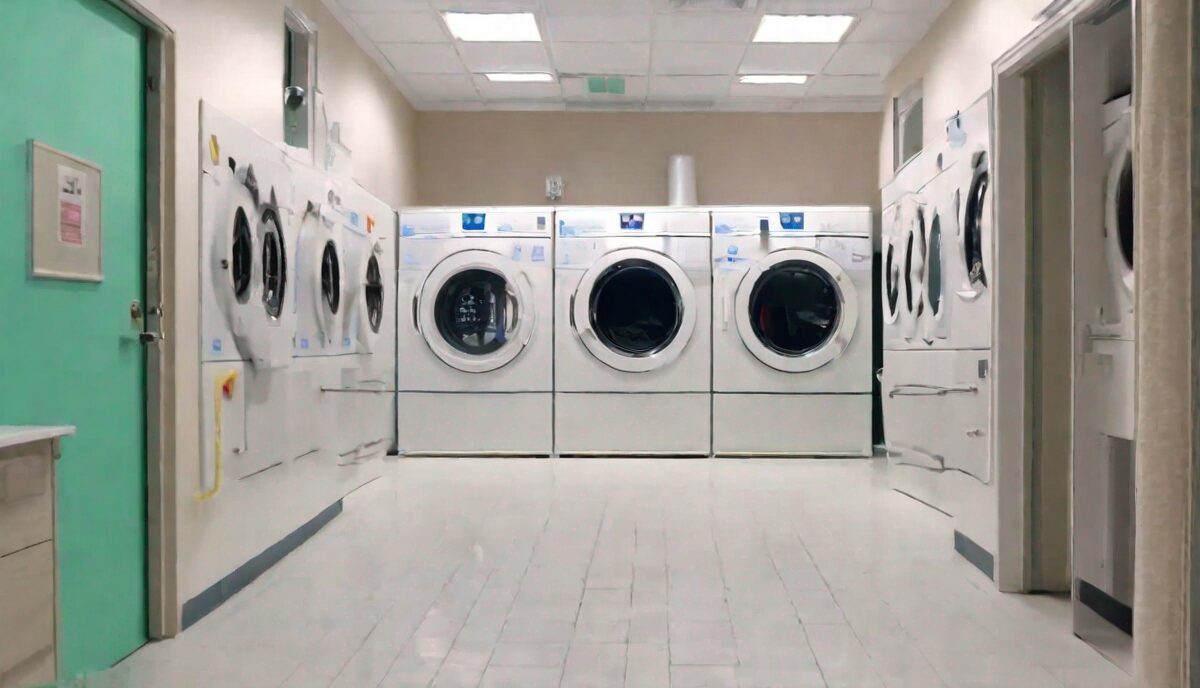
Setting up a hospital laundry room requires careful planning and consideration of both hygiene and efficiency. In this comprehensive guide, we’ll walk you through everything you need to know to create a functional and safe laundry environment in a healthcare setting. From selecting the right equipment to ensuring compliance with health regulations, we’ve got you covered.
Understanding the Basics of Hospital Laundry Room Setup
Before diving into the specifics, it’s essential to understand the unique needs of a hospital laundry room. These facilities are responsible for cleaning a wide range of linens, from bed sheets and towels to scrubs and lab coats. The laundry room must be able to handle high volumes of laundry while meeting stringent sanitation standards.
Selecting the Right Laundry Equipment
Choosing the correct equipment is critical for the smooth operation of your laundry room. Commercial-grade washers and dryers that can withstand constant use are a must. Additionally, you may need specialized equipment for ironing and folding linens to save time and labor.
Implementing Efficient Laundry Processes
To maximize efficiency, it’s vital to implement standardized processes for sorting, washing, drying, and folding laundry. This includes establishing clear guidelines for handling soiled linens to prevent cross-contamination and ensuring that clean linens are stored and transported in a way that maintains their cleanliness.
Ensuring Compliance with Health and Safety Standards
Hospital laundry rooms must adhere to strict health and safety regulations to protect patients, staff, and the community. This involves using detergents and disinfectants that are effective against pathogens commonly found in healthcare settings and maintaining rigorous cleaning schedules for the laundry equipment itself.
Maintaining a Hygienic Environment
Maintaining a hygienic environment in your laundry room is non-negotiable. This means implementing strict policies for personal protective equipment (PPE), designing the space to prevent the spread of contaminants, and training staff on the importance of hygiene and sanitation.
Optimizing Workflow Through Architectural Zoning
The physical layout of a hospital laundry facility is the primary defense against cross-contamination. Architects and facility managers must enforce a strict “one-way flow” design principle. This concept mandates that soiled linens enter through a designated dirty-side receiving area, pass through the washing and drying zones, and exit through a clean-side staging area that never intersects with the soiled intake. Implementing physical barriers, such as negative air pressure rooms for soiled sorting and positive air pressure rooms for clean folding, ensures that airborne pathogens cannot migrate from the dirty side to the clean side. Installing pass-through barrier washers—where the loading door is in the soiled room and the unloading door is in the clean room—is the gold standard for high-acuity facilities, as it physically separates the two operational environments entirely.
Strategic Chemical Management and Dosing Systems
Achieving medical-grade sanitization relies on the precise balance of water chemistry, temperature, and mechanical action. Manual detergent dosing is prone to human error and waste; therefore, automated chemical injection systems are essential for hospital-grade laundry. These systems should be calibrated to match the specific soil levels of different linen types—such as surgical drapes, isolation gowns, or general bedding. For instance, blood-borne pathogens require specific pH levels and chlorine-based or hydrogen peroxide-based bleaching cycles that must be maintained for a precise duration. Integrating a digital reporting system allows facility managers to log every wash cycle, providing an audit trail that proves compliance with healthcare-grade thermal disinfection standards, such as maintaining water temperatures of at least 160°F (71°C) for a minimum of 25 minutes.
Managing Specialized Textiles and Infection Control
Not all hospital linens are treated equally in the wash cycle. High-absorbency surgical textiles, microfiber mop heads used in operating rooms, and flame-retardant patient robes each require unique laundering protocols. For example, the use of fabric softeners can ruin the moisture-wicking properties of surgical scrubs, while improper drying temperatures can degrade the integrity of moisture-barrier fabrics in isolation gowns. Establishing a color-coded tagging system for different textile categories helps staff instantly identify which cycle parameters to select. Furthermore, textiles that have been exposed to hazardous substances, such as chemotherapy drugs or radioactive materials, must be sequestered in specific biohazard bags and processed through a dedicated cycle that includes high-frequency water changes and specialized neutralization chemicals to ensure the equipment remains safe for future non-hazardous loads.
Advanced Water and Energy Recovery Systems
Hospital laundry operations are notoriously resource-intensive. To offset these costs, modern facilities should integrate water reuse and heat recovery systems. Wastewater from the final rinse cycles—which is relatively clean—can be captured, filtered, and redirected to the initial pre-wash cycles for the next batch of linens. This can reduce total water consumption by up to 40 percent. Additionally, heat exchangers should be installed on dryer exhaust vents. These units capture the thermal energy typically lost to the atmosphere and use it to pre-heat the incoming cold water for the washers. By reducing the energy required to heat water from ground temperature to operating temperature, hospitals can significantly lower their carbon footprint while maintaining the rigorous throughput necessary for 24/7 patient care.
Ergonomics and Staff Safety in High-Volume Environments
The physical toll of laundry operations on staff—characterized by repetitive lifting, prolonged standing, and exposure to heavy-duty machinery—is a significant risk factor for workplace injury. Implementing ergonomic infrastructure is essential for long-term operational success. This includes the use of height-adjustable folding tables, vacuum-assisted sheet folders, and pneumatic cart tippers that eliminate the need for staff to manually pull heavy, wet linen from washers. Furthermore, laundry rooms should be equipped with non-slip, anti-fatigue flooring and industrial-grade ventilation systems that control humidity and temperature. High humidity not only promotes the growth of mold and bacteria but also contributes to staff fatigue. Proper HVAC design, featuring localized exhaust hoods over dryer and ironer stations, keeps the ambient environment comfortable, which directly correlates to fewer errors in the sorting and folding process.
Data-Driven Maintenance and Predictive Diagnostics
In a hospital environment, laundry downtime is not just an inconvenience; it is a critical failure that can halt surgical procedures and patient admissions. Moving from a reactive maintenance model to a predictive one is vital. Modern commercial laundry equipment often comes equipped with IoT sensors that monitor motor vibration, bearing temperature, and cycle completion times. By analyzing this data, maintenance teams can identify a failing part before a catastrophic breakdown occurs, allowing for repairs to be scheduled during off-peak hours. Establishing a digital maintenance dashboard that tracks the “mean time between failures” (MTBF) for specific machines helps administrators make data-backed decisions regarding equipment replacement cycles, ensuring that the facility is always running at peak performance without the risk of unexpected service interruptions.
Standardizing Linen Logistics and Inventory Control
The laundry room’s efficiency is ultimately tied to the hospital’s linen management system. Implementing a Radio Frequency Identification (RFID) tracking system for high-value textiles allows the laundry team to monitor the lifecycle of every item. RFID tags can track how many times a particular scrub suit or lab coat has been laundered, signaling when an item has reached the end of its functional life and needs replacement. This system prevents the over-stocking of linen closets and ensures that clean linens are distributed based on actual ward consumption rather than estimates. By integrating the laundry room with the hospital’s inventory management software, managers can ensure that the laundry cycle is perfectly synced with the needs of the nursing stations, effectively eliminating the common issue of “linen hoarding” and ensuring that critical items are always available where they are needed most.
FAQ Section
What are the key considerations when choosing hospital laundry equipment?
The key considerations include the equipment’s capacity, efficiency, durability, and ability to meet sanitation standards. It’s also important to consider the equipment’s energy and water consumption.
How can I ensure my hospital laundry room meets health regulations?
Stay informed about local and national health regulations, work with infection control specialists, and create a stringent cleaning and maintenance schedule for your laundry equipment and facilities.
What is the best way to train staff for hospital laundry procedures?
Develop comprehensive training programs that cover all aspects of laundry handling, including sorting soiled linens, proper use of detergents and disinfectants, PPE usage, and the importance of maintaining a clean environment.
How often should hospital laundry equipment be cleaned and serviced?
Laundry equipment should be cleaned daily, and a deep cleaning should be scheduled regularly. Servicing intervals should follow the manufacturer’s recommendations and take into account the equipment’s usage patterns.
Can sustainable practices be incorporated into hospital laundry operations?
Absolutely. Hospitals can invest in energy-efficient machines, implement water-saving techniques, and use eco-friendly detergents to minimize their environmental impact while still maintaining high hygiene standards.
Related posts:
 The Climate Crisis Is a Public Health Emergency
 One Woman’s Brave Choice to Give Birth at Home
 Laundry Symbol Translator: Decode Those Mysterious Care Labels Once and For All
 Bed Threads Review
 Birth Announcement Drama: Why Meghan Markle’s Hospital Choice Made Headlines
 A Guide to Clean Wine at Thrive Market
 Bed Bugs Are Attracted to Dirty Laundry
 All-Black Birth Team Experience