
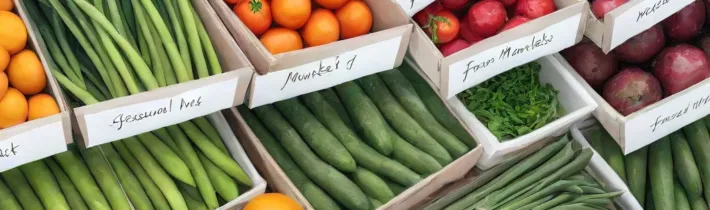
There is a distinct, visceral magic to a farmers market. It is the scent of damp earth on heirloom carrots, the vibrant, neon hue of snap peas in late spring, and the rhythmic hum of community conversation. For many, the transition from the sterile, fluorescent aisles of a supermarket to the open-air bustle of a local market feels like a homecoming. However, for the novice shopper, the experience can be overwhelming. The sheer variety of unfamiliar cultivars, the fluctuating prices, and the pressure of the “early bird” crowd can make the process feel more like a challenge than a luxury.
Becoming a “seasonal pro” isn’t about having a degree in agriculture; it is about developing a rhythm with the land and the people who tend it. It is the art of knowing exactly when the first peaches will hit the stalls and how to spot a perfectly ripe melon without bruising it. By shifting your perspective from a transactional mindset to a relational one, you unlock a world of flavor and nutrition that industrial supply chains simply cannot replicate. This guide provides a comprehensive roadmap to mastering the farmers market, ensuring every trip is sustainable, affordable, and delicious.
Understanding the Seasonal Calendar
The cornerstone of market mastery is the seasonal calendar. In a globalized food system, we have been conditioned to expect strawberries in December and asparagus in October. While convenient, this disconnect strips produce of its peak flavor and nutrient density. To shop like a pro, you must align your cravings with the local clock.
Spring: The Awakening. This is the season of greens and tender shoots. Look for ramps, asparagus, radishes, peas, and early spinach. These items are often fleeting; if you see them, buy them immediately, as their window of availability may only be a few weeks.
Summer: The Abundance. This is the peak of the market. Tomatoes, corn, peppers, zucchini, and stone fruits (peaches, plums, nectarines) dominate the stalls. The challenge here isn’t finding produce, but managing the sheer volume of it. This is the time to experiment with variety, trying different heirloom tomato shapes and colors.
Autumn: The Harvest. As the air cools, the market shifts toward grounding foods. Pumpkins, winter squash, apples, pears, and hearty brassicas like Brussels sprouts and cauliflower take center stage. This is the season for “storage crops”—foods designed to last through the winter.
Winter: The Dormancy. Depending on your climate, winter markets may be smaller or move indoors. Focus on root vegetables (carrots, parsnips, beets), kale, and preserved goods like jams, honey, and fermented vegetables. Understanding these cycles allows you to plan your meals around what is naturally thriving, which usually means the produce is cheaper and tastes better.
The Art of Timing: Early Birds vs. Late-Day Bargains
Timing your visit can drastically change your experience and your budget. There are two primary strategies, and the right one depends on your goals for that specific trip.
The Early Arrival (The “First-Hour” Strategy). If you are searching for high-demand, limited-quantity items—such as organic sourdough, specialty eggs, or the first batch of seasonal berries—you must arrive early. The most coveted products often sell out within the first two hours. Early shopping also allows you to have uninterrupted conversations with the farmers, who are often more refreshed and willing to share detailed tips on how to prepare a specific variety of squash or when the next crop will be ready.
The Late-Day Sweep (The “Bargain” Strategy). For those on a budget, the final hour of the market is a goldmine. Farmers generally do not want to pack up and transport perishable produce back to the farm. This is when you will find “end-of-day” discounts, bundled deals (e.g., three bags of greens for the price of one), or generous samples. While the selection is thinner, the savings are significant. This strategy is perfect for staples like carrots, potatoes, and onions, which don’t lose quality if they aren’t the very first ones picked from the bin.
Building Relationships with Your Growers
One of the most overlooked aspects of farmers market shopping is the social capital. Unlike a supermarket, where the product is separated from the producer by a dozen intermediaries, the market offers a direct line to the source. Building a rapport with your farmers transforms your shopping trip into an education.
Start by asking open-ended questions. Instead of asking “Is this organic?” (which can sometimes be a loaded question depending on the farmer’s certification status), try asking, “How do you manage pests in your garden?” or “What soil amendments do you use?” This opens a dialogue about their philosophy and methods.
Ask for culinary advice. Farmers know their produce better than anyone. If you’re staring at a bunch of kohlrabi and have no idea what to do with it, ask: “How do you prepare this at home?” You will often receive a tip that is far more practical and authentic than a recipe found online. Over time, as farmers recognize you, they may set aside a particular item they know you love or alert you when a rare variety is about to be harvested. This mutual respect creates a sustainable local food ecosystem.
Navigating the Market: A Practical Shopping List Strategy
Walking into a market without a plan can lead to “produce panic,” where you buy five different types of kale but forget the onions you actually need. However, a rigid grocery list defeats the purpose of the market’s spontaneity. The pro approach is the “Core + Wildcard” method.
The Core List: Identify 3-5 staple items you need for the week (e.g., eggs, milk, greens, onions). These are your non-negotiables. Write them down so you don’t wander aimlessly.
The Wildcard Space: Leave room in your budget and your bag for the unexpected. This is where you buy the purple carrots because they look stunning, or the artisan goat cheese you’ve never tried. The wildcard allows you to embrace the seasonality and discover new flavors without overspending.
Shopping Flow: To keep your produce fresh, shop in a specific order. Start with non-perishables (honey, dried beans, bread), then move to hardy vegetables (squash, root veg), and finish with delicate items (berries, leafy greens, soft cheeses). This prevents your fragile spinach from being crushed under a heavy pumpkin.
Assessing Quality and Freshness Like a Pro
While market produce is generally fresher than store-bought, not every item is perfect. Learning the tactile and visual cues of quality will ensure you get the best value.
Leafy Greens: Look for “turgidity”—the crispness of the leaf. If the greens are wilting or look “slimy” at the stems, they’ve been out of the cold too long. Gently squeeze a bunch of kale or spinach; it should snap back quickly.
Root Vegetables: Carrots and parsnips should be firm and heavy for their size. Avoid those with deep cracks or soft spots. For potatoes, ensure the skin is tight and there are no green tinges, which can indicate exposure to too much light and the presence of solanine.
Stone Fruits and Berries: For peaches and plums, smell the stem end; a fragrant fruit is a ripe fruit. Give it a very gentle squeeze; it should have a slight give but not feel mushy. For berries, never buy a container where the bottom berries are stained red or leaking juice, as this indicates bruising and imminent mold.
Corn: Peel back the husk slightly. The kernels should be plump and milky. If the silks are brown and dry, the corn is likely past its prime.
Sustainable Shopping Habits
Shopping at a farmers market is an inherently sustainable choice, but you can further reduce your footprint with a few simple habits. The goal is to move toward a zero-waste experience.
The Bag System: Bring a variety of bags. A large sturdy tote for heavy items, and several smaller mesh or cloth bags for individual produce. This eliminates the need for the small plastic bags often provided at stalls. If you buy bulk grains or honey, bring your own glass jars.
Mindful Consumption: It is easy to get carried away by the beauty of the market and buy more than you can eat. This leads to food waste, which negates the environmental benefit of shopping locally. Practice “conscious buying”: ask yourself if you have a specific plan for the item before putting it in your bag.
Supporting Biodiversity: Look for farmers who grow “heirloom” or “open-pollinated” varieties. These are often less visually perfect than commercial hybrids but are crucial for maintaining genetic diversity in our food supply. By purchasing a knobby, multi-colored tomato, you are financially supporting the preservation of rare seeds.
Mastering the “Ugly” Produce
One of the biggest secrets of the pro shopper is the love of “seconds.” Seconds are produce that is perfectly edible and nutritious but fails the aesthetic standards of commercial retail. This might be a crooked carrot, a scarred apple, or a tomato with a strange bump.
Farmers often sell seconds at a significant discount. These items are ideal for processes where the visual appearance doesn’t matter. A scarred apple is perfect for applesauce; a misshapen carrot is ideal for a mirepoix or a soup; a bruised tomato is the best candidate for a slow-roasted sauce.
Embracing ugly produce is a compassionate act toward the farmer, who can then monetize a crop that would otherwise be discarded, and an act of environmental stewardship. It challenges the artificial standard of “perfection” imposed by industrial agriculture and celebrates the natural irregularity of growth.
From Market to Table: Preservation and Storage
The journey doesn’t end when you leave the market. Because market produce is often picked within 24-48 hours of sale and lacks the preservatives of industrial food, proper storage is essential to maximize its lifespan.
The Cold Chain: If you have a long drive home or the market is in high heat, bring an insulated cooler bag with a few ice packs. This is especially critical for leafy greens, berries, and dairy, which can degrade quickly in the sun.
Immediate Processing: When you get home, don’t just throw everything in the crisper drawer. Process your haul. Wash and dry your greens thoroughly (using a salad spinner) before storing them in a container with a paper towel to absorb excess moisture. Blanch and freeze vegetables like peas or beans if you bought in bulk.
Preservation Techniques: Use the abundance of the season to prepare for the lean months. Quick-pickling is an easy way to preserve radishes or red onions using just vinegar, salt, and sugar. Freezing is perfect for berries and corn. Fermenting (like making your own sauerkraut) is a great way to use up a surplus of cabbage while adding probiotic benefits to your diet.
Budgeting for the Market
A common misconception is that farmers markets are only for the wealthy. While some artisan products carry a premium, shopping locally can be very cost-effective if you use the right strategies.
Compare Value, Not Just Price: A supermarket tomato may be cheaper per pound, but it often lacks flavor and nutrients because it was bred for transport, not taste. When you buy market-fresh, you often find you need less of the product to achieve the same culinary satisfaction.
Buy in Bulk for Preservation: Many farmers offer “case prices” or discounts for buying larger quantities (e.g., a half-bushel of apples). If you have the space and the will to preserve, buying in bulk and freezing or canning is significantly cheaper than buying small amounts weekly.
Focus on Staples: Use the market for the items that benefit most from freshness—produce and dairy. Continue to buy non-perishable pantry staples (like flour or salt) from wherever is cheapest. This balanced approach allows you to invest your food budget where it makes the most impact on your health and taste buds.
Beyond the Produce Bin: Navigating Artisanal Goods and Proteins
While the vibrant colors of the vegetable stalls often steal the spotlight, a truly professional market experience involves mastering the “value-added” and protein sections. These artisanal goods are where the market’s soul often resides, offering products that are crafted with a level of care impossible to find in a factory setting. However, navigating these stalls requires a different set of criteria than picking a bunch of kale.
The Protein Pivot: Meats and Eggs. When shopping for pasture-raised meats, look beyond the label. Ask the farmer about the animals’ diet and living conditions. For beef, inquire if it is “grass-finished” or merely “grass-fed,” as the latter may still be finished on grain for a few months before slaughter. For pork, ask about foraging habits. When it comes to eggs, the color of the yolk is a primary indicator of the hen’s diet; a deep, vibrant orange usually signals a bird that has spent significant time foraging for insects and greens, resulting in a richer flavor and higher omega-3 content. An edge case to consider is the “farm-gate” egg—eggs sold without commercial packaging. Always inspect the shells for hairline cracks, as these can compromise the shelf life of the egg.
The Dairy and Cheese Deep-Dive. Local cheese is often a reflection of the local terroir. Ask the cheesemaker about the milk source—is it from their own herd or a neighbor’s? For soft cheeses like chèvre or brie, look for a clean, white rind without any “off-smelling” ammonia scents. For hard cheeses, ask about the aging process. A pro tip is to request a taste of a “wheel in transition”—a cheese that is moving from a young to a mature stage—to understand how the flavor profile evolves. Be mindful of raw milk products; while they offer a more complex flavor and probiotic benefits, they require stricter temperature control during transport.
Artisanal Pantry Staples. Honey, jams, and sourdough are the cornerstones of the artisanal section. When buying honey, look for “raw” and “unfiltered” labels, which preserve the pollen and enzymes. If the honey has crystallized (turned solid and grainy), do not assume it has gone bad; this is a natural process and a sign of purity. For sourdough, press the loaf gently; it should have a distinct “spring” and a thick, caramelized crust. Avoid loaves that feel overly dense or heavy for their size, as this can indicate under-proofing. When selecting jams, look for a high fruit-to-sugar ratio; the jam should look like crushed fruit rather than a translucent gel.
The Pro’s Toolkit: Essential Gear for the Serious Market-Goer
To transition from a casual visitor to a market pro, you need more than just a shopping list; you need a dedicated toolkit. The environmental conditions of an open-air market—shifting temperatures, heavy loads, and the need for quick transactions—demand a strategic approach to gear.
The Thermal Strategy. As mentioned in basic storage, the “cold chain” is vital, but a pro takes it further. Invest in high-grade insulated bags with removable gel packs. Separate your proteins from your produce; placing raw chicken or fish in the same bag as your peaches is a food safety risk. Use a dedicated “protein pouch”—a smaller, heavily insulated bag that can be nested inside a larger tote. This ensures that temperature-sensitive items remain at a safe 40°F (4°C) or below, even during a leisurely stroll through the remaining stalls.
The Organization System. To avoid the “bottom-of-the-bag crush,” use a tiered carrying system. A collapsible wagon is the gold standard for those buying in bulk or shopping for a family. It allows you to organize your haul as you go: heavy root vegetables and melons at the bottom, mid-weight items like jars of honey in the center, and delicate greens and berries perched on top. If a wagon is too cumbersome, use a set of nesting canvas bags. Assign each bag a category (e.g., “Heavy/Hardy,” “Delicate/Cold,” “Pantry/Dry”) to streamline the unloading process at home.
The Transactional Kit. While digital payments are increasing, the fastest way to navigate a crowded market is cash. A pro uses a small coin purse or a divided wallet to separate small bills (ones and fives) from larger denominations. This prevents the awkward fumbling at the register when a line is forming behind you. Additionally, keep a small notebook or a digital note on your phone to track “vendor logs.” Note which farmer grew the best cherry tomatoes in June or which baker’s rye bread was the most flavorful. This transforms your shopping into a curated data set, allowing you to return to the best sources year after year.
Decoding the Micro-Season: Tracking the Subtle Shifts in Flavor
The seasonal calendar provides the broad strokes, but the true pro understands “micro-seasons.” These are the fleeting windows—sometimes lasting only ten to fourteen days—where a specific crop hits its absolute zenith of flavor and nutrition. Understanding these shifts allows you to buy produce at its most potent.
The Shoulder Seasons. The transitions between seasons, known as shoulder seasons, are often the most exciting. In early spring, there is a brief window for “first-greens”—the tender, slightly bitter shoots that emerge before the heat of summer. These are chemically different from the robust greens of late spring. Similarly, in late autumn, there is a window where some root vegetables, like carrots and parsnips, undergo a process called “frost-sweetening.” When the temperature drops, the plant converts its starches into sugars to act as a natural antifreeze, making the vegetables significantly sweeter than those harvested in August.
The Peak-Within-the-Peak. Even within a peak season, there are variations. Take the tomato: early summer tomatoes are often smaller and more acidic, perfect for fresh salads. Mid-summer brings the heavy, juicy slicers. Late summer, however, is the era of the “concentrated” tomato—fruits that have ripened fully on the vine in the intense heat, offering a deeper, more savory umami flavor ideal for sauces. A pro shopper asks the farmer: “Is this the first flush or the second flush?” This tells you whether the produce is tender and mild or robust and intense.
Foraging-Style Finds. Some of the most coveted market items are those that mimic wild foraging. Ramps, fiddlehead ferns, and morels appear in a blink. These items are often the first to sell out because their micro-season is so narrow. To secure these, not only must you arrive early, but you should also engage with your farmers in the weeks prior. Asking, “Are the ramps starting to push through?” signals to the farmer that you are a serious enthusiast, and they may be more inclined to let you know exactly when the first batch will arrive.
Culinary Strategy: Transforming a Diverse Haul into a Weekly Menu
The greatest challenge of the farmers market is the “abundance paradox”: you return home with a stunning variety of ingredients but no clear plan for how to use them together. The pro approach is to move away from rigid recipes and toward a Modular Meal Framework.
The Modular Framework. Instead of planning a “Tuesday Night Stir-fry,” plan a “Seasonal Grain Bowl.” The framework is: Base (Grain/Green) + Protein + Seasonal Vegetable + Acid/Crunch. This allows you to plug in whatever you bought. If you found purple carrots and snap peas, they go in the vegetable slot. If you found a great local goat cheese, it becomes the protein or the topping. This modularity prevents food waste because the meal adapts to the ingredients, rather than the ingredients being forced into a recipe they don’t fit.
The “Prep-First” Protocol. To prevent the “market-to-trash” pipeline, implement a prep-first protocol the moment you walk through the door. Instead of putting everything in the fridge, spend 30 minutes processing. Wash and chop your hardy vegetables (carrots, celery, onions) and store them in clear containers. Roast a large tray of whatever seasonal vegetables you bought in bulk (e.g., Brussels sprouts and butternut squash) and keep them in the fridge as a “ready-to-eat” side. This removes the friction of cooking and ensures that the produce is eaten while it is still at peak quality.
Managing the “Wildcard” Ingredients. When you buy a wildcard item—like kohlrabi or sunchokes—don’t let it intimidate you. Use the “Three-Way Rule”: prepare a portion of the vegetable in three different ways to discover its best use. For kohlrabi, try a slice raw (like an apple), a slice sautéed in butter, and a slice roasted. This educational approach turns your kitchen into a laboratory and expands your culinary repertoire, ensuring that you’ll be more confident in buying that same “strange” vegetable next year.
The Ethics and Economics of the “Fair Price”
One of the most frequent hurdles for new shoppers is the “price shock”—seeing a bunch of organic carrots cost twice as much as the supermarket equivalent. To shop like a pro, you must shift your understanding of value from “lowest cost” to “true cost.”
Understanding True Cost Accounting. Supermarket produce is artificially cheap because the costs are externalized. The price doesn’t include the environmental degradation of monocropping, the carbon footprint of shipping produce across oceans, or the low wages of migrant laborers. When you pay a premium at a farmers market, you are paying for True Cost: soil regeneration, fair wages for the grower, and the preservation of local biodiversity. A pro views the extra two dollars as an investment in their local food security and the health of their regional ecosystem.
The Logic of Volume. While individual items may seem expensive, the pro looks for “bulk value.” Many farmers offer discounts for “seconds” or larger quantities (e.g., a flat of berries instead of a pint). By buying in bulk and using the preservation techniques mentioned previously, you can actually lower your per-unit cost. Furthermore, the superior nutrient density of market-fresh produce often means you feel satiated with smaller portions, reducing the total volume of food you need to purchase over time.
The Relationship Economy. In a supermarket, the transaction is anonymous. At a market, it is relational. This means that “fair price” can be a conversation. If you are a regular customer who supports a farmer through the lean months of winter, you may find that they are more flexible with pricing during the peak of summer, or they may toss in a “bonus” bunch of herbs. This is not about haggling—which can be offensive to some growers—but about the mutual support of a local economy. Supporting a farmer when their crop is struggling is just as important as buying their best produce during a bumper harvest.
Navigating Alternative Local Models: CSAs, Co-ops, and Farm Stands
The farmers market is the most visible part of the local food movement, but the pro shopper knows it is only one piece of the puzzle. To truly master seasonal eating, you should integrate other direct-to-consumer models into your routine.
The CSA (Community Supported Agriculture) Model. A CSA is essentially a subscription to a farm. You pay a lump sum at the beginning of the season and receive a weekly box of whatever is currently being harvested. The pro uses a CSA as their “Core List” and the farmers market as their “Wildcard Space.” The CSA ensures you have a steady supply of staples and pushes you to cook with vegetables you might otherwise ignore, while the market allows you to fill in the gaps with specific cravings or luxury items.
The Food Co-op Experience. Co-ops are member-owned stores that prioritize local sourcing. They are ideal for the “in-between” days when the market isn’t running. A pro uses the co-op to find local producers who might be too small to have their own market stall but are large enough to sell wholesale to a co-op. This is often where you’ll find the most consistent access to local grains, oils, and fermented products.
The Farm Stand and Honor System. For those with a vehicle, visiting a farm stand—a small kiosk located directly on the farm—is the ultimate pro move. The produce is often picked hours (or even minutes) before you buy it, and the prices are frequently lower because the farmer has no market fees or transport costs. Some stands operate on an “honor system,” where you leave cash in a box. Navigating these requires a level of trust and community respect; always double-check your math and leave a generous tip if the weather has been particularly harsh on the crops, acknowledging the farmer’s hard work in real-time.
Frequently Asked Questions
Q: Is “locally grown” the same as “organic”?
A: Not necessarily. While many small-scale farmers use organic practices because they cannot afford the expensive official certification process, “local” simply refers to the distance the food traveled. Always ask the farmer specifically about their use of synthetic pesticides or fertilizers if organic standards are important to you.
Q: What should I do if I buy a vegetable I’ve never seen before?
A: First, ask the farmer for a suggestion. If you’re already home, look up the vegetable’s flavor profile (e.g., “bitter,” “sweet,” “earthy”). A great general rule for unknown vegetables is to roast them with olive oil, salt, and pepper at 400°F (200°C). Roasting caramelizes the natural sugars and makes almost any vegetable palatable.
Q: Do farmers markets accept credit cards or EBT/SNAP?
A: This varies by vendor. While more farmers are adopting square readers and digital payments, many still prefer cash. It is always wise to carry a small amount of cash for smaller vendors. Many markets also participate in “Double Up Food Bucks,” which allows SNAP recipients to get double the value when spending on fresh produce.
Q: How do I know if a farmers market is actually “local”?
A: Look for the market’s rules. A true farmers market requires vendors to grow the produce themselves. Be wary of markets that allow “resellers”—people who buy produce from wholesale warehouses and sell it at the market. You can usually tell by asking the vendor, “Where is your farm located?” A real grower will be happy to tell you exactly where their fields are.
Q: What is the best way to store berries so they don’t mold immediately?
A: Avoid washing berries until right before you eat them. Moisture is the enemy of the berry. Store them in a single layer in a breathable container. For a pro tip, give them a quick rinse in a mixture of one part white vinegar and three parts water, then dry them completely before refrigerating; this kills mold spores and extends their life by several days.
Related posts:
 Essential Healthy Grocery List
 The Green Goddess Guide to Buying Leafy Perfection
 Vegetable-Rich Dinner Ideas
 Pegan Diet Explained: The Paleo-Vegan Hybrid Taking Over
 The 2018 Dirty Dozen List That Will Change How You Shop for Produce
 Farm to Face: Why Eating Seasonally is the Ultimate Beauty Hack
 How India’s farmers—and global climate change—could alter geopolitics
 The Game-Changing 50 Percent Rule That Makes Eating Vegetables Effortless