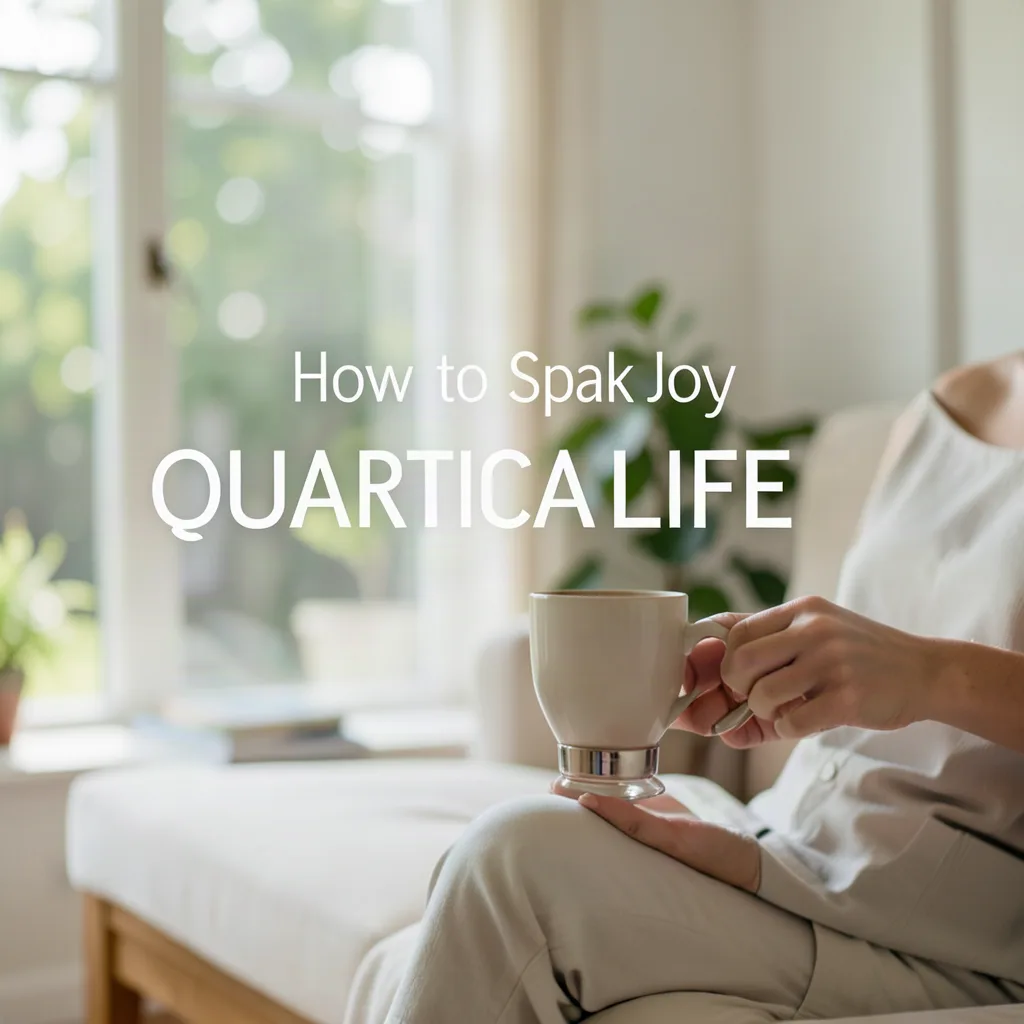
Quarantine can feel like a long pause, but it also offers a rare chance to redesign everyday moments around what truly lifts your spirit. By treating each day as a series of small experiments, you can discover habits that spark joy without needing grand gestures or expensive tools.
The following guide breaks the process into eight practical themes. Each theme includes concrete actions you can try today, plus tips for turning a single experiment into a lasting routine.
Create a Daily Rhythm That Feels Good
Start by mapping the natural energy peaks and valleys you notice throughout the day. Write a simple timeline on paper or a notes app, marking when you feel alert, sluggish, or restless. Use that map to anchor two non‑negotiable anchors: a morning ritual that signals the start of purposeful time, and an evening wind‑down that tells your brain it is safe to relax. A morning ritual might be a five‑minute stretch, a cup of tea while watching sunrise, or writing three intentions for the day. An evening wind‑down could be dimming lights, listening to a favorite podcast, or journaling one highlight. Consistency turns these anchors into cues that your nervous system learns to trust, reducing the background anxiety that often accompanies uncertain schedules.
Experiment with the length of each anchor. If five minutes feels too short, extend to ten; if it feels like a chore, shrink it to two. The goal is a rhythm that feels supportive, not restrictive. Track how you feel after a week and adjust accordingly.
Consider using a habit‑tracker app or a paper checklist to mark each completed anchor. Visual progress reinforces the new rhythm and makes it easier to spot patterns that need tweaking.
Curate a Joyful Physical Space
Your surroundings shape mood more than most people realize. Choose one corner of your home to become a joy zone. Remove clutter that does not serve a purpose or bring a smile. Add a single sensory element: a scented candle, a soft blanket, a small plant, or a piece of art that reminds you of a happy memory. Keep the zone dedicated to activities that nourish you—reading, sketching, meditating, or simply breathing.
Rotate the sensory element weekly to keep the space fresh. A new scent or a different plant can revive curiosity. If space is limited, a portable tray with your chosen items can travel from kitchen table to balcony, preserving the ritual wherever you sit.
Adjust lighting to match the activity: warm dim light for relaxation, brighter cool light for focused reading. A simple desk lamp with a dimmer switch can transform the atmosphere instantly.
Nurture Connection Through Intentional Communication
Physical distance does not have to mean emotional distance. Schedule a weekly video call with a friend or family member where the only agenda is sharing something that made you smile recently. Prepare a quick story or a photo beforehand so the conversation starts on a positive note. Use voice messages for spontaneous check‑ins; hearing a familiar voice can be more comforting than text.
Set boundaries around group chats that drain energy. Mute notifications for non‑essential threads and allocate a specific time to catch up. This protects mental bandwidth for the connections that truly matter.
Try a virtual game night or a shared cooking session where each participant prepares the same recipe in their own kitchen. The shared experience creates laughter and a sense of togetherness.
Move Your Body in Ways That Delight
Exercise often feels like a chore when framed as a must‑do. Reframe movement as play. Try a dance break to a favorite song, a short yoga flow guided by a free video, or a walk where you deliberately notice colors, sounds, and smells. The key is choosing an activity that makes you want to repeat it, not one you endure.
Create a micro‑movement menu: list five activities that take under ten minutes each. When a slump hits, pick one at random. Over time, the menu expands as you discover new enjoyable moves.
Add a gentle stretch routine before bed to release tension accumulated during the day. Even two minutes of neck rolls and shoulder shrugs can improve sleep quality.
Feed Your Senses With Simple Pleasures
Joy often lives in the small sensory details we overlook. Brew a cup of coffee using a method you enjoy—French press, pour‑over, or cold brew—and savor the aroma before the first sip. Light a candle with a scent that evokes a pleasant memory. Play a playlist curated for a specific mood: calm, energized, nostalgic. Even a few minutes of focused sensory attention can reset a racing mind.
Keep a sensory journal. Note the scent, sound, taste, texture, and visual that gave you a lift each day. Reviewing the journal weekly reveals patterns and reminds you of accessible joy sources.
Incorporate a tactile object such as a smooth stone or a piece of fabric you love. Holding it during a brief pause grounds you in the present moment.
Practice Micro‑Gratitude Rituals
Gratitude does not require a lengthy journal entry. Pair a daily habit—brushing teeth, waiting for water to boil, opening a laptop—with a silent acknowledgment of one thing that went well. This micro‑ritual wires the brain to scan for positives without adding time pressure.
At the end of each week, write three specific moments that sparked joy. Specificity deepens the emotional imprint more than generic statements like I am grateful for health.
Start a gratitude jar: write each moment on a slip of paper and drop it in. On tough days, pull a few slips to remind yourself of the good that exists.
Learn Something New Just for Fun
Curiosity is a natural antidote to monotony. Choose a skill unrelated to work or obligations: origami, basic coding, a new language phrase, or a cooking technique. Set a low‑stakes goal—complete one tutorial, fold five cranes, learn ten words. Celebrate the effort, not mastery.
Share progress with a friend or on a private social media account. Teaching someone else, even briefly, reinforces learning and adds a social layer of enjoyment.
Join an online community focused on the same hobby. Weekly challenges or prompts keep momentum alive and provide fresh inspiration.
Give Back in Small, Meaningful Ways
Acts of kindness generate a reciprocal boost in well‑being. Write a handwritten note to a neighbor, donate a few cans to a local food bank, or offer a virtual skill‑share session for a community group. The scale does not matter; the intention does.
Schedule a monthly micro‑volunteer slot on your calendar. Treat it like any other appointment. Over time, these contributions stitch a sense of purpose into the fabric of quarantine life.
Reflect after each act of giving: note how you felt before, during, and after. This awareness deepens the habit and highlights the personal reward of generosity.
Design a Personal Joy Map: Visualizing Sources of Delight
Begin by drawing a simple map on paper or a digital canvas that places every activity, object, or memory that has lifted your mood in the past month. Use colored circles for sensory pleasures, squares for social moments, and triangles for creative bursts. The visual layout turns abstract feelings into a tangible landscape you can study.
Next, label each node with a one‑word tag such as aroma, laughter, movement, or learning. This tagging makes it easy to spot clusters; you may discover that most joy points sit around the kitchen or the balcony, revealing where to concentrate future experiments.
Add a frequency bar beside each node to show how often you engage with that source. A tall bar signals a reliable well‑spring, while a short bar flags an under‑used resource that could be revived with a tiny schedule tweak.
Review the map each Sunday and move one low‑frequency node into a higher‑frequency slot by planning a concrete micro‑action for the coming week. For example, if sketching appears only once, schedule a ten‑minute doodle session after breakfast.
Edge case: limited wall space or no printer. Keep the map in a notes app with emoji icons; the same clustering logic works on a phone screen and stays portable.
Transition: once the map reveals your personal joy geography, the next step is to protect the mental bandwidth that lets you visit those places without digital noise.
Use the map as a decision filter when new invitations arrive; if an event does not connect to any existing node, ask whether it could become a new node worth cultivating.
Invite a trusted friend to co‑create a shared joy map; overlapping nodes become natural collaboration points such as a virtual cooking night or a joint language challenge.
Iterate the visual style each month—switch from circles to hexagons, add texture overlays—to keep the exercise fresh and to signal to your brain that the practice is evolving, not static.
When motivation dips, glance at the map and pick the node with the brightest color; the visual cue often reignites curiosity faster than a written list.
Cultivate Digital Boundaries for Mental Clarity
Start with a quick audit: open your phone’s screen‑time report and note the three apps that consume the most minutes each day. Write those names on a sticky note and place it where you charge the device; the visual reminder creates a pause before automatic scrolling.
Define a “focus window” of ninety minutes in the morning and another in the afternoon during which only work‑related or learning apps are allowed. Use the built‑in focus mode or a third‑party blocker to silence notifications from social platforms, news feeds, and messaging groups.
Create a “joy window” of thirty minutes in the early evening reserved exclusively for activities that appear on your joy map—listening to a favorite playlist, browsing a curated photo album, or reading a short story. Treat this window as non‑negotiable as a meeting.
Set a hard stop for all screens at least forty‑five minutes before bedtime. Replace the glow with a low‑light lamp, a paper journal, or a brief stretching routine; the physiological shift supports melatonin production and improves sleep quality.
Edge case: a job that requires on‑call availability. Negotiate a clear escalation protocol with your manager so that only true emergencies break the focus window; all other messages can wait until the next scheduled check‑in.
Transition: with digital clutter trimmed, you gain mental space to invite natural elements that further calm the nervous system.
Activate grayscale mode on your phone after the focus window ends; the loss of color reduces the dopamine pull of bright icons and makes the device feel utilitarian rather than entertaining.
Apply app‑level timers for the top three time‑sinks; when the limit is reached, the app locks until the next day, forcing a conscious decision to continue or switch tasks.
If you share a living space, draft a simple household charter that outlines quiet hours, shared device‑free zones, and a mutual signal—like a colored door hanger—that indicates “do not disturb.”
Schedule a monthly digital‑boundary review: compare current screen‑time data with the previous month, celebrate reductions, and adjust windows to match evolving work rhythms.
Bring Nature Inside: Biophilic Practices for Small Spaces
Select two low‑maintenance plants that thrive in indirect light—snake plant and pothos are forgiving and improve air quality. Place them on a shelf where you can see their leaves while working; the subtle motion of foliage in a breeze provides a living focal point.
If floor space is scarce, mount a vertical garden using a pocket planter or a repurposed shoe organizer. Fill each pocket with succulents or herbs; the vertical arrangement adds visual depth without consuming square footage.
Introduce a small tabletop water feature such as a ceramic fountain or a bowl with floating candles and pebbles. The gentle sound of trickling water masks background noise and triggers a relaxation response documented in environmental psychology studies.
Maximize natural light by keeping window sills clear of clutter and using sheer curtains that diffuse harsh rays. Position a mirror opposite the window to bounce daylight deeper into the room, effectively expanding the perceived outdoor connection.
Edge case: a basement apartment with no windows. Simulate daylight with a full‑spectrum LED panel set on a timer that mimics sunrise and sunset; pair it with a nature soundscape for a convincing biophilic illusion.
Transition: once the environment feels alive, everyday chores can become gateways to presence rather than drudgery.
Rotate plant positions each season; moving a pothos to a brighter spot in winter and a cooler corner in summer keeps the greenery healthy and gives you a reason to interact with the space regularly.
Add a scent layer by placing a few drops of pine or eucalyptus essential oil on a cotton ball tucked near the plants; the aroma reinforces the forest feeling without overwhelming the room.
Turn watering into a mindful ritual: set a timer for five minutes, feel the soil, observe the water absorption, and breathe slowly. This micro‑pause anchors you in the present and nurtures the plants simultaneously.
If children share the space, assign each a “plant buddy” role; they learn responsibility while you gain an extra pair of eyes for early pest detection.
Document the growth with a weekly photo series; the visual timeline becomes a quiet record of resilience that mirrors your own adaptation during quarantine.
Transform Routine Chores into Mindful Micro‑Rituals
Pick a daily chore you usually rush—washing dishes, folding laundry, or wiping counters—and allocate an extra two minutes to notice the sensory details: the temperature of water, the texture of fabric, the scent of detergent.
Anchor the activity with a breath cue: inhale as you pick up an item, exhale as you place it down. This simple rhythm turns a repetitive motion into a moving meditation that calms the amygdala.
Create a “chore playlist” of instrumental tracks that last exactly the length of the task. When the music ends, you know the chore is complete, eliminating the urge to check the clock.
Use a tactile anchor such as a smooth stone kept in a pocket; each time you reach for it during the chore, you reinforce a habit loop that links the mundane to a moment of grounded awareness.
Edge case: a household with multiple people sharing chores. Agree on a rotating “mindful minute” where the person on duty announces the start, and everyone else pauses conversation for that brief window.
Transition: these micro‑rituals build a reservoir of calm that can be drawn upon when uncertainty spikes.
Extend the practice to cooking: while chopping vegetables, notice the color contrast, the sound of the knife, and the aroma released. Treat each slice as a note in a culinary symphony.
When tidying a desk, handle each object once—decide keep, discard, or relocate—then place it deliberately. The one‑touch rule prevents decision fatigue and creates a sense of order.
Apply the same lens to digital housekeeping: set a timer for ten minutes, delete unused files, unsubscribe from irrelevant newsletters, and notice the mental lightness that follows each click.
After each mindful chore, jot a single sentence in a pocket notebook describing the sensation that stood out. Over weeks, the entries form a texture map of everyday life.
If time pressure threatens the ritual, shrink the mindful window to thirty seconds; even a brief pause can interrupt autopilot and reset attention.
Build a Resilience Toolkit for Uncertain Days
Assemble a physical or digital kit containing five evidence‑based tools: a guided breathing audio (four‑seven‑eight pattern), a set of grounding cards (five senses prompts), a one‑page cognitive reframing worksheet, a list of personal strengths, and a short gratitude prompt.
Store the kit in a dedicated pouch on your desk or a folder on your phone labeled “Resilience.” The visual cue reduces the friction of reaching for help when anxiety rises.
Practice each tool during a calm moment so the steps become automatic. For the breathing audio, follow the guide twice a day for a week; for the grounding cards, pull one card each morning and name the sensory detail you notice.
When a stressful trigger appears—news alert, work deadline, family tension—pause, retrieve the kit, and run through the sequence: breathe, ground, reframe, recall strength, note gratitude. The ordered flow prevents rumination loops.
Edge case: a panic attack where fine motor skills falter. Keep a pre‑recorded voice memo on your phone that walks you through the breathing pattern hands‑free; press play and let the audio guide you.
Transition: a ready‑to‑use toolkit turns abstract resilience into a concrete habit you can trust.
Customize the reframing worksheet with personal language; replace generic prompts like “What is the worst case?” with “What would I advise a friend in this exact situation?” to leverage self‑compassion.
Share the kit concept with a close friend and exchange one tool each month; the exchange introduces fresh perspectives and deepens accountability.
Schedule a quarterly audit: rate each tool’s effectiveness on a scale of one to ten, retire the lowest scorer, and prototype a replacement—perhaps a brief movement burst or a scent inhalation.
Integrate the toolkit into your evening wind‑down by completing the gratitude prompt before sleep; the positive closure improves next‑day outlook.
During major life transitions—job change, relocation, health scare—expand the kit temporarily with a crisis‑specific card that outlines immediate safety steps and contact numbers.
Create a Quarantine Legacy Project: Documenting Growth
Choose a medium that feels natural—photo journal, short video diary, private blog, or a handwritten scrapbook. The medium should require minimal setup so the barrier to entry stays low.
Define a simple prompt for each entry: “One thing I learned today,” “A moment that surprised me,” or “A habit I want to keep.” Rotate prompts weekly to avoid repetition and to capture diverse facets of experience.
Set a recurring calendar reminder for a ten‑minute capture session every other day. Consistency beats length; a brief note taken regularly builds a richer narrative than a sporadic long entry.
Include sensory artifacts: a pressed leaf from a walk, a ticket stub from a virtual concert, a screenshot of a meaningful chat. Tangible pieces anchor memory more vividly than text alone.
Edge case: privacy concerns in a shared device. Encrypt the digital folder with a password or keep the physical scrapbook in a locked drawer; the project remains personal while still accessible to you.
Transition: the legacy project becomes a mirror that reflects progress and a compass for future intentions.
At the end of each month, spend fifteen minutes flipping through the entries; highlight patterns such as recurring joys, emerging skills, or persistent challenges.
Extract three insights from the monthly review and translate them into concrete goals for the next period—perhaps a new cooking technique, a deeper meditation practice, or a community outreach idea.
If you feel comfortable, share a curated excerpt with a trusted circle; the act of witnessing your own growth can inspire others and reinforce your narrative.
Celebrate milestones—thirtieth entry, fiftieth photo, hundredth day—by creating a small ritual: a favorite tea, a short dance, or a handwritten note to yourself acknowledging perseverance.
When quarantine eases, the legacy project serves as a personal archive that informs post‑quarantine choices, reminding you which micro‑rituals deserve a permanent place in daily life.
Frequently Asked Questions
How long does it take to notice a shift in mood?
Most people report a subtle lift within a week of consistent micro‑rituals, though deeper changes may need a month of practice.
What if I feel too exhausted to start any new habit?
Begin with a single two‑minute anchor, such as a deep breath while waiting for coffee. Momentum builds from the smallest step.
Can these ideas work in a shared living space with limited privacy?
Yes. Choose portable rituals—headphones for a guided meditation, a folded blanket for a personal corner—and communicate boundaries with housemates.
Do I need special equipment for the movement suggestions?
No. Bodyweight moves, a sturdy chair, or a cleared floor space are sufficient for all suggested activities.
How do I keep motivation when the novelty fades?
Rotate one element each week—a new scent, a different playlist, a fresh learning topic. Variety sustains curiosity without overwhelming effort.