
Maintaining physical activity while working a traditional desk job is one of the most significant challenges of modern professional life. With the rise of sedentary roles, many of us spend upwards of eight hours a day in a seated position, which can lead to stiffness, reduced circulation, and long-term musculoskeletal strain. Staying active during office hours is not just about avoiding discomfort; it is about sustaining your energy levels, enhancing cognitive function, and supporting your long-term health.
Key takeaways
- Use the Pomodoro technique to schedule five-minute movement breaks every 25 minutes of focused work.
- Incorporate discreet isometric exercises like desk presses or seated planks to activate muscles without leaving your chair.
- Improve circulation and encourage natural movement by keeping a small water glass at your desk.
- Perform simple stretches, such as seated spinal twists and neck releases, to relieve tension and counteract poor posture.
The Science of Movement and Cognitive Performance
The human body is designed for motion. When we remain sedentary for extended periods, our metabolic rate drops, and our muscles become inactive, particularly the large muscle groups in the legs and glutes. Research indicates that frequent movement breaks can improve blood flow to the brain, which enhances focus, creativity, and problem-solving abilities. By integrating small bursts of activity, you are not just caring for your physical health; you are optimizing your brain for the tasks at hand. Movement acts as a natural reset button for the nervous system, helping to mitigate the effects of stress and mental fatigue that often accumulate by mid-afternoon.
Optimizing Your Desk Setup for Active Working
Your workspace environment dictates your movement habits more than you might think. Start by evaluating your ergonomics. If you have the flexibility, a standing desk or a sit-stand converter is an excellent investment. However, standing for eight hours is just as problematic as sitting. The goal is to alternate between positions. If you are using a standard desk, ensure your chair height allows your feet to rest flat on the floor and your knees to be at a 90-degree angle. Consider placing your monitor at eye level to prevent neck strain, which often encourages a forward-leaning posture that limits your range of motion.
The Power of Micro-Breaks and Pomodoro Techniques
Structured intervals are the most effective way to ensure activity throughout the day. The Pomodoro Technique, which involves working for 25 minutes followed by a five-minute break, is a perfect framework for movement. During those five minutes, do not simply shift from your computer screen to your smartphone. Instead, stand up, stretch your hip flexors, roll your shoulders, or take a brisk lap around your office or home. These micro-breaks prevent the onset of “tech neck” and lower back pain by interrupting prolonged static tension. Even if you are in a meeting, try to stand or pace if the environment permits.
Desk-Friendly Stretches to Relieve Tension
You can perform several effective stretches without leaving your chair. First, the seated spinal twist: sit tall, place your right hand on the back of your chair, and gently twist your torso to the right, holding for 15 seconds before switching sides. This relieves tension in the thoracic spine. Second, the neck release: slowly drop your ear toward your shoulder, feeling a gentle stretch in the trapezius. Third, the seated hamstring stretch: extend one leg forward with the heel on the ground and gently hinge at the hips. These small movements improve circulation and reduce the “locked-up” feeling that comes from sitting for too long.
Integrating “Movement Snacks” Into Your Routine
A “movement snack” is a short, intense period of physical activity that you can perform in professional attire. This might include doing a set of ten bodyweight squats while waiting for the coffee machine, performing calf raises while on a conference call, or taking the stairs instead of the elevator. These snacks add up throughout the day, contributing to your overall daily energy expenditure and cardiovascular health. The key is to make these actions habitual. Attach them to existing cues, such as “every time I send an email, I will stand up and stretch my arms above my head.”
Staying Hydrated and Its Role in Activity
Hydration is a stealthy way to force movement into your day. By keeping a smaller water glass at your desk rather than a massive jug, you are physically required to get up and walk to the kitchen or water cooler more frequently. This serves a dual purpose: it keeps you hydrated, which is essential for cognitive performance, and it ensures that you are regularly breaking up your sedentary time. Walking to the water cooler also provides a mental break, allowing you to step away from the glare of your monitor and reset your eyes.
Communicating Your Needs in a Professional Setting
If you work in a traditional office, you might feel self-conscious about stretching or standing. It is helpful to normalize these habits by being transparent. Most managers and colleagues appreciate the need for ergonomics. You can explain that taking short movement breaks helps you maintain high productivity and focus throughout the day. If you have a private office or a quiet corner, utilize it for a quick walk or standing meeting. If you are in an open-plan office, focus on subtle movements like calf raises or desk-based stretches that do not disrupt others.
Mindful Transitions and Post-Work Recovery
The transition from office hours to personal time is a critical period for activity. Instead of immediately collapsing onto the couch when you finish your workday, use that time to signal a shift in your physical state. A short walk outside, even just around the block, can help clear the mental clutter of the workday and reset your posture. If you have a commute, consider walking part of the way or parking a bit further from the entrance. These small, intentional acts of movement help your body recover from the static posture of the day and prepare you for the evening ahead.
Leveraging Isometric Training for Discreet Muscle Activation
While dynamic movement is ideal, there are scenarios where leaving your desk or performing large, visible motions is not feasible. Isometric exercises—contractions where the muscle length does not change—are the perfect solution. You can engage deep stabilizing muscles without moving a limb. For instance, try ‘desk presses’: place your palms under your desk and push upward while keeping your elbows tucked. This activates your pectorals and triceps. To target your core, sit upright with a neutral spine and draw your navel toward your spine, holding for 30 seconds. This ‘seated plank’ strengthens the transverse abdominis, which acts as a natural corset for your lumbar spine. By incorporating these subtle, invisible efforts into long conference calls, you maintain muscular tone and blood flow without drawing attention to your physical routine.
The Impact of Ocular Fatigue on Physical Posture
Physical stagnation is often compounded by visual strain. When we stare at screens, we tend to lean our necks forward to compensate for eye fatigue, a phenomenon known as ‘screen squint.’ This forward-head posture shifts your center of gravity, placing immense strain on the upper traps and cervical spine. To combat this, implement the 20-20-20 rule: every 20 minutes, look at something 20 feet away for 20 seconds. Beyond eye health, this visual reset encourages you to lift your chin and reset your shoulders. By consciously shifting your gaze, you break the ‘fixed-point’ habit that keeps your entire body locked in a rigid, hunched position. Integrating ocular movement into your physical break routine ensures that your body follows your eyes out of a sedentary state.
Optimizing Footwear for Office-Bound Activity
Your choice of footwear is a silent partner in your daily activity levels. Rigid, flat, or excessively cushioned shoes can limit the natural articulation of the foot, which is the foundation of your posture. If your office dress code permits, consider shoes with a wider toe box or those that allow for better arch support and flexibility. If you must wear formal shoes, keep a pair of ‘movement-ready’ sneakers under your desk. Switching into these for your lunch break or for a quick walk to the printer allows your feet to move through their full range of motion. Tight, inflexible shoes often lead to a ‘shuffling’ gait and reduced desire to walk; by prioritizing footwear that facilitates natural movement, you remove a significant psychological and physical barrier to getting up and moving.
Utilizing Vertical Space for Dynamic Meetings
Transforming the way you conduct business meetings is one of the most effective strategies for long-term activity. If you are in a leadership role or have the autonomy to dictate meeting formats, move the conversation to a ‘walking meeting’ or a ‘standing huddle.’ Walking side-by-side with a colleague is scientifically proven to stimulate creative thinking and reduce the social friction that can occur during face-to-face desk meetings. If you must remain in a conference room, designate it as a ‘standing-optional’ zone. When you eliminate the requirement to remain seated, you empower others to join you in standing. This communal approach to movement creates a culture of wellness that makes individual activity feel not just accepted, but encouraged.
Mastering the ‘Transition Buffer’ for Metabolic Health
The time immediately following an intense project or a back-to-back sequence of virtual meetings is a high-risk zone for sedentary behavior. Many professionals fall into the trap of ‘digital exhaustion,’ where they remain glued to their chairs even after the task is complete. Create a ‘transition buffer’ by scheduling a mandatory five-minute buffer between tasks. Use this time exclusively for non-digital movement. This might be a quick circuit of the office floor, a set of wall push-ups, or simply standing at a window and reaching for the ceiling. These buffers act as a metabolic reset, ensuring that the cortisol spikes associated with high-stress tasks are metabolized through movement rather than being stored as physical tension.
Strategic Breathing to Enhance Postural Stability
Deep, diaphragmatic breathing is an often-overlooked tool for staying active at a desk. When we are stressed or hyper-focused, we tend to shallow-breathe into the chest, which keeps the body in a state of ‘fight or flight’ and encourages a hunched, collapsed posture. Practicing belly breathing while sitting forces the diaphragm to move, which gently massages the internal organs and requires the abdominal muscles to stabilize the torso. By taking three to five deep, intentional breaths every hour, you can reset your nervous system and physically expand your rib cage, counteracting the tendency to ‘cave in’ toward the keyboard. This simple practice serves as a reminder to check your posture and realign your spine, effectively turning a respiratory exercise into a postural intervention.
Frequently Asked Questions
Q: How often should I stand up from my desk to avoid health issues? A: Aim to stand up or change your position at least once every 30 to 45 minutes. Prolonged sitting for more than an hour without a break is generally where the negative impact on blood flow and metabolism begins to increase significantly. Q: Can desk exercises really count as a workout? A: While desk exercises are unlikely to replace a vigorous cardiovascular workout or strength training session, they are highly effective for improving mobility, reducing pain, and keeping your metabolic rate from plummeting. They are best viewed as a supplement to, not a replacement for, dedicated exercise. Q: What if I have limited space in my office? A: You do not need a gym to stay active. Isometric exercises, such as squeezing your glutes while seated, calf raises while standing at your desk, or shoulder rolls, require almost zero space. Prioritize movements that open up the chest and hips, as these areas become the tightest during desk work. Q: Is it unprofessional to stretch during meetings? A: It depends on the meeting culture, but standing up or stretching during a video call or a long in-person meeting is increasingly accepted. If you feel uncomfortable, try to position yourself where you can stand or stretch discreetly, or simply mention that you are trying to stay active for your health—most people will be supportive or indifferent. Q: How can I remember to move when I am busy? A: Use technology to your advantage. Set a recurring alarm on your phone, use an app that prompts you to stand, or use the Pomodoro technique with a timer on your screen. Attaching movement to existing habits, like standing up every time you finish a task, is the most sustainable way to build the habit.
Related posts:
 Sitting Too Much Might Lead to Memory Loss
 Is Eating While Standing Bad?
 How to Improve Posture While Working From Home
 Simple Stretches to Relieve Back Pain
 Simple Home Office Swaps for Better Health and Productivity
 Creative Home Office Desk Ideas
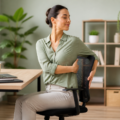 Desk Yoga for Back Pain Relief
 Why Sitting All Day at Work Is Slowly Killing Your Health