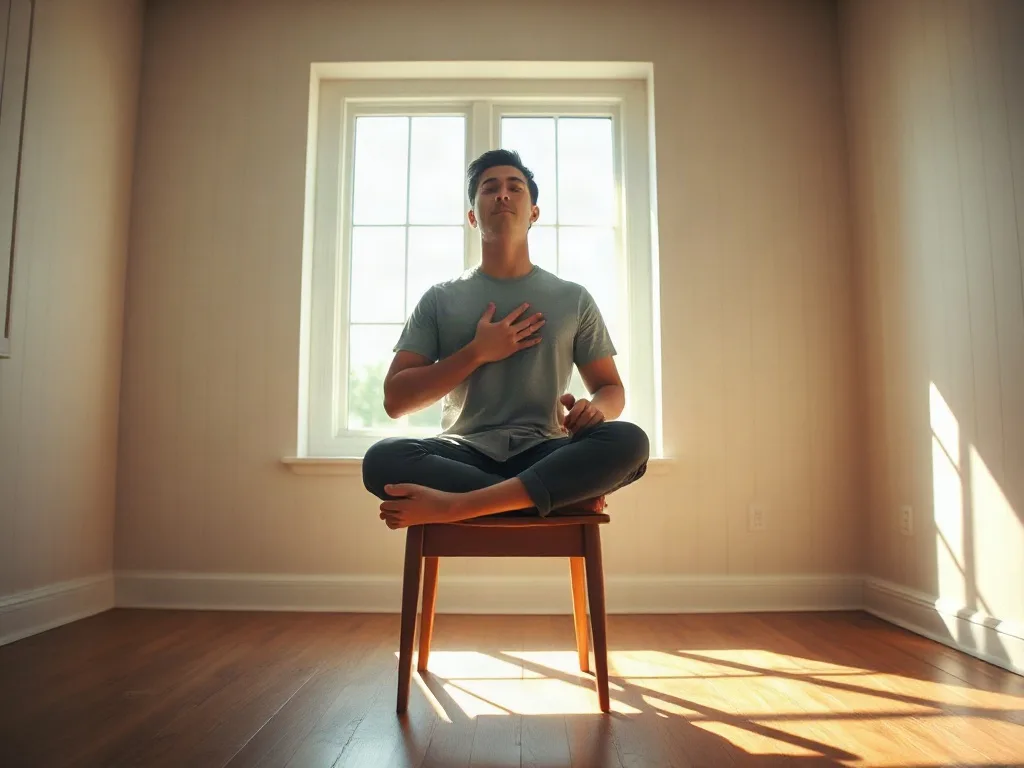
Your heart begins to race, a cold sweat breaks out on your skin, and a wave of dizziness washes over you. Your thoughts are suddenly a frantic, overwhelming scramble. You feel a primal sense of doom, as if something terrible is about to happen, yet there is no immediate threat in sight. This is the terrifying onset of a panic attack. If you’ve experienced this, you know how it can feel like you’re losing control. But what if you could learn to recognize the early signs and intervene before the wave fully crashes? Learning how to stop a panic attack before it takes over is not about fighting the experience, but about understanding it and using practical, evidence-based tools to ground yourself and reduce its intensity.
Key takeaways
- Use the 5-4-3-2-1 technique to redirect attention from internal fear to external sensory details in your environment.
- Practice the physiological sigh by taking two quick inhales followed by one long exhale to lower heart rate rapidly.
- Label catastrophic thoughts as stories rather than facts to create mental distance and reduce the intensity of fear.
- Assemble a panic first aid kit with calming scents, textured objects, and written factual reminders for immediate use.
- Apply cold water to your face or neck to trigger the mammalian dive reflex and slow your heart rate.
Panic attacks are intense episodes of sudden, overwhelming fear or discomfort that peak within minutes. They are a common symptom of panic disorder but can also occur in other anxiety disorders or even in people without a diagnosed condition during periods of extreme stress. The physical symptoms—racing heart, shortness of breath, chest pain, trembling—are so intense they are often mistaken for a heart attack. The key to stopping a panic attack lies in disrupting the cycle of fear. The initial physical sensations trigger fearful thoughts (“I’m having a heart attack,” “I’m going to faint”), which in turn amplify the physical symptoms, creating a feedback loop that spirals out of control. By intervening early with grounding techniques and cognitive shifts, you can slow this cycle and regain a sense of stability.
Recognizing the Early Warning Signs
The most powerful tool you have is early detection. A panic attack rarely comes out of complete nowhere; there are usually subtle physical and mental precursors in the minutes before it peaks. Learning your personal warning signs is the first critical step. Common early signs include a sudden increase in heart rate or palpitations, a feeling of tightness in your chest or throat, lightheadedness, nausea, a rush of heat or chills, and a sense of unreality or detachment from your surroundings (derealization or depersonalization). Mentally, you might notice your thoughts starting to speed up, becoming more catastrophic, or jumping to worst-case scenarios. You might feel a sudden, inexplicable urge to escape your current situation.
Start keeping a simple log. After an episode, or even after a moment of heightened anxiety, jot down what you felt in your body and mind just before things escalated. Over time, you’ll identify your unique pattern. For one person, it might start with a flutter in the chest. For another, it’s a sudden knot in the stomach. This awareness creates a crucial window of opportunity. Instead of being blindsided, you can recognize, “Oh, this is my early signal. Now I can use my skills.” This shift from victim to observer is profoundly empowering and is the foundation for all subsequent techniques.
Grounding Yourself in the Present Moment
When panic begins, your nervous system is sounding a false alarm, preparing you for a threat that isn’t there. Your mind gets pulled into the future (“What if I pass out?”) or gets stuck on internal sensations. Grounding techniques are designed to forcibly redirect your attention to the safe, neutral reality of the present moment, using your five senses. This interrupts the fear cycle by engaging the logical part of your brain and calming the amygdala, the brain’s fear center.
The 5-4-3-2-1 technique is one of the most effective and widely recommended grounding tools. The moment you notice early signs, pause and consciously identify:
- 5 things you can see around you. Name them silently or aloud. “I see the blue pen on my desk, the green plant in the corner, the wooden picture frame, the pattern on the carpet, the light switch on the wall.”
- 4 things you can feel. Focus on tactile sensations. “I feel the cool fabric of my shirt, the smooth surface of this table, the pressure of my feet on the floor, the air on my skin.”
- 3 things you can hear. Listen for ambient sounds. “I hear the hum of the computer, distant traffic, my own breathing.”
- 2 things you can smell. If you can’t immediately smell anything, notice the scent of the air or your own clothes. “I smell the faint scent of laundry detergent on my sleeve and the clean air.”
- 1 thing you can taste. Notice the taste in your mouth or take a sip of water. “I taste the mint from my toothpaste.”
This exercise requires focused attention, pulling your mind away from catastrophic thoughts and into sensory detail. It tells your nervous system, “Look, we are here, in this room, and it is safe.” Practice it daily during calm moments so it becomes an automatic response when you need it most.
Regulating Your Breath to Calm Your Body
Shortness of breath and hyperventilation are hallmarks of panic. When you hyperventilate, you exhale too much carbon dioxide, which leads to dizziness, tingling, and a feeling of air hunger that fuels more panic. Consciously slowing and deepening your breath is a direct way to counteract this. However, being told to “just breathe” during panic can feel impossible. The key is to use a structured technique that gives your mind a specific task.
Diaphragmatic Breathing (Belly Breathing): Place one hand on your chest and the other on your belly. Inhale slowly through your nose for a count of 4, feeling your belly rise (your chest hand should stay relatively still). This engages the diaphragm. Pause for a second. Then exhale slowly through pursed lips for a count of 6, feeling your belly fall. The longer exhale activates the parasympathetic nervous system, which is responsible for rest and digestion. Repeat this cycle for 2-3 minutes.
The Physiological Sigh: This is a powerful, fast-acting breath pattern that research shows can rapidly reduce physiological arousal. Take a normal inhale through your nose, then immediately take a second, shorter “top-up” inhale to fully fill your lungs. Then exhale slowly and completely through your mouth with a long, sighing breath. Do this 2-3 times in a row. It’s remarkably effective at resetting your respiratory state and calming your heart rate.
Remember, the goal is not to achieve perfect breath control, but to shift from short, ragged chest breaths to slower, deeper belly breaths. Even a slight improvement can break the feedback loop between breathlessness and fear.
Using Cognitive Strategies to Challenge Catastrophic Thoughts
Panic attacks are fueled by catastrophic misinterpretations of bodily sensations. A racing heart becomes “I’m having a heart attack.” Dizziness becomes “I’m about to faint and embarrass myself.” Lightheadedness becomes “I’m losing my mind.” Cognitive strategies help you catch these thoughts, question their validity, and replace them with more balanced, factual statements.
First, label the thought. When you notice a catastrophic thought, mentally say, “Ah, that’s the ‘heart attack story’ my panic is telling me.” Or, “That’s the ‘I’m going to lose control’ thought.” This creates distance between you and the thought.
Next, ask for evidence. “What is the actual evidence that I am having a heart attack? Have I been diagnosed with a heart condition? Did these exact same sensations happen last time, and I was okay?” The evidence is usually weak.
Then, offer a factual, alternative explanation. “This is a panic attack. These are normal symptoms of a fight-or-flight response that is misfiring. My heart is racing because adrenaline is being released, not because it’s failing. This feeling is intensely uncomfortable, but it is not dangerous. It will pass, as it always has before.”
You can write down a “panic card” with these factual statements and keep it in your wallet or on your phone. Reading it during an episode can be a powerful anchor to reality when your own thoughts feel untrustworthy.
Engaging Your Body with Purposeful Movement
When panic strikes, energy courses through your body—energy meant for fighting or fleeing. Sitting completely still can make this energy feel trapped and more intense. Gentle, purposeful movement can help discharge this nervous energy and provide a grounding focal point.
If possible, stand up and slowly pace around the room, feeling the soles of your feet connect with the floor with each step. Do some very gentle shoulder rolls or neck stretches, focusing on the physical sensation of the movement. Press your palms together firmly in front of your chest and hold for 10 seconds, noticing the muscle engagement. Splash cold water on your face or hold a cold pack to the back of your neck; the sudden temperature change can trigger the mammalian dive reflex, which slows heart rate.
The movement should be slow, controlled, and mindful—not frantic exercise. The goal is to give your body something to “do” with the adrenaline, while keeping your mind connected to the physical sensations of the movement itself.
Creating a Personalized “Panic First Aid Kit”
Preparation is everything. Assemble a small kit, physical or digital, containing tools you know work for you. This ensures you don’t have to think or search when anxiety is high. Your kit could include:
- A note card with your factual “panic statements” and reminders of the 5-4-3-2-1 steps.
- A small vial of a calming essential oil like lavender (smell is powerfully linked to memory and emotion).
- A textured object like a worry stone or piece of velcro to touch for tactile grounding.
- A link to a short, guided meditation or breathing exercise on your phone.
- A sour candy or strong mint. The intense taste can serve as a powerful sensory interruption.
- A photo that brings you a sense of peace or a happy memory.
Simply knowing your kit is there can provide a sense of security. Review and update it regularly.
Building Long-Term Resilience Through Lifestyle
While acute techniques are for the moment, reducing the frequency and intensity of panic attacks in the long run requires building a resilient nervous system. This means adopting daily habits that lower your overall baseline of anxiety and stress.
Prioritize Consistent Sleep: Sleep deprivation is a major trigger for anxiety and panic. Aim for 7-9 hours of quality sleep per night. Establish a calming bedtime routine.
Regular Moderate Exercise: Activities like walking, yoga, or swimming help regulate stress hormones, burn off excess adrenaline, and improve your body’s ability to handle physiological arousal.
Mindfulness and Meditation: A daily practice of even 5-10 minutes of mindfulness meditation trains your brain to observe thoughts and sensations without reacting to them. This is the meta-skill that makes all the in-the-moment techniques easier.
Reduce Stimulants: Caffeine, nicotine, and other stimulants can mimic and trigger anxiety symptoms. Consider cutting back or eliminating them.
Nourish Your Body: Avoid skipping meals, as low blood sugar can feel similar to anxiety. Eat balanced meals to keep your energy stable.
Knowing When to Seek Professional Support
Self-help strategies are powerful, but they have limits. If panic attacks are frequent, severely impacting your quality of life, or causing you to avoid places or situations for fear of an attack (agoraphobia), it is time to seek professional help. This is a sign of strength, not weakness.
Cognitive Behavioral Therapy (CBT) is considered the gold-standard psychological treatment for panic disorder. A therapist can help you systematically identify triggers, challenge distorted thoughts, and even engage in controlled exposure to feared bodily sensations (interoceptive exposure) to reduce your fear of them. In some cases, a doctor may discuss short-term or long-term medication options, such as SSRIs, which can help reduce the overall tendency to panic.
Reaching out to a therapist or doctor is a proactive step toward taking back control. You deserve support in building a life not dictated by fear.
Frequently Asked Questions (FAQ)
Q: What’s the difference between a panic attack and an anxiety attack?
A: The terms are often used interchangeably, but clinically, a “panic attack” has a specific definition: a sudden, intense surge of fear or discomfort that peaks within minutes and involves at least four of a list of 13 symptoms (e.g., heart palpitations, sweating, trembling, shortness of breath, fear of losing control). “Anxiety attack” is not a formal clinical term but generally refers to a more gradual build-up of worry and tension, often in response to a perceived stressor. Panic attacks are more acute and intense.
Q: Can you actually die from a panic attack?
A: While a panic attack feels terrifying and the symptoms can mimic life-threatening conditions like a heart attack, a panic attack itself cannot kill you. It is an extreme activation of your body’s natural survival system, not a disease process. The feeling that you are dying is a core symptom of the attack, not a reflection of reality. However, if you are ever unsure about new or severe chest pain, it is always wise to seek medical attention to rule out other causes.
Q: How long do panic attacks usually last?
A: Most panic attacks peak within 5 to 10 minutes and begin to subside within 20 to 30 minutes. The body cannot sustain that extreme level of physiological arousal for much longer. However, the after-effects, like fatigue, shaky nerves, and worry about another attack, can linger for hours or even the rest of the day.
Q: Is it better to try to stop a panic attack or just let it happen?
A: This is a nuanced but important question. The goal is not to suppress or fight the sensations, as resistance often increases fear and tension. Instead, the strategies outlined here are about “leaning into” the experience differently: observing it without judgment, grounding yourself in the present, and riding the wave with tools that make it less overwhelming. It’s about changing your relationship to the attack from one of terror to one of mindful management, which ultimately reduces its power.
Q: Can children have panic attacks?
A: Yes, children and adolescents can experience panic attacks. They may not have the language to describe what’s happening and might express it as a stomachache, headache, or simply “feeling scared.” The techniques for managing them are similar—grounding, breathing, and reassurance—but must be adapted to be age-appropriate. If you suspect your child is having panic attacks, consulting with a pediatrician or child therapist is crucial for proper support and guidance.
Learning how to stop a panic attack before it takes over is a journey of self-compassion and skill-building. It involves moving from a place of fear and helplessness to one of understanding and agency. By recognizing your early signs, practicing grounding and breathing techniques, challenging catastrophic thoughts, and building a resilient lifestyle, you can reclaim a sense of safety within your own body. Remember, every time you use one of these tools, you are teaching your nervous system a new, calmer way to respond. The goal is not to never feel anxiety again, but to trust in your ability to navigate it when it arises.
Related posts:
 Jittery and Anxious: The Hidden Connection Between Your Coffee Cup and Panic
 Panic Attack Symptoms, Causes, and Treatment Options
 Panic Attack Helper: How to Support Someone in Crisis
 The Benefits of Grounding: Connecting with the Earth
 Love’s Anxiety Trap: When Your Relationship Becomes Your Biggest Trigger
 PHA Bodyweight Workout: Efficient Fitness Anywhere, Anytime
 What Is Grounding and Why Everyone’s Talking About It
 Treating Panic Attacks & Panic Disorder Effectively