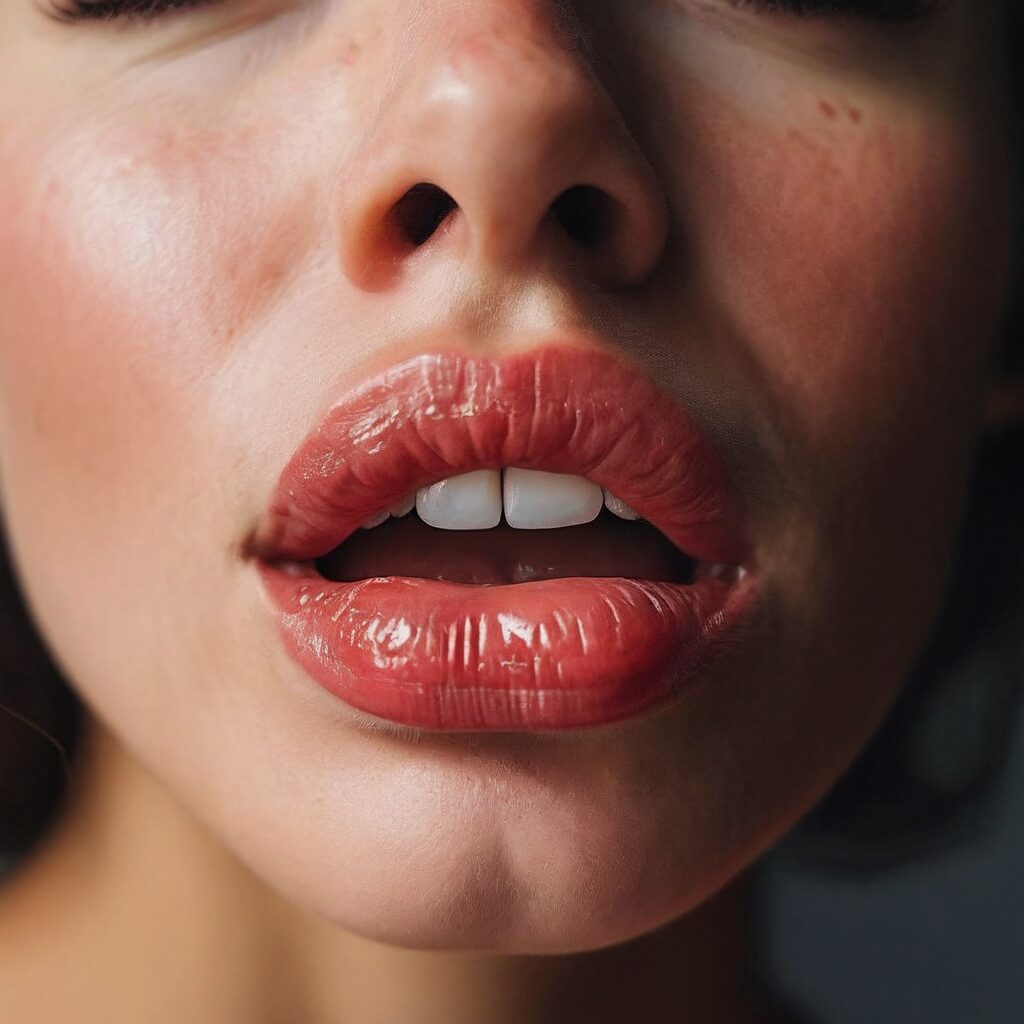
Chapped lips are a common issue, especially during the colder months. They can be uncomfortable, unsightly, and even painful. Fortunately, there are several effective ways to treat and prevent chapped lips. In this article, we’ll explore the best methods to keep your lips smooth and healthy.
Understanding the Causes of Chapped Lips
Before diving into treatments, it’s essential to understand what causes chapped lips. Common causes include:
- Weather: Cold, windy, and dry weather can strip moisture from your lips.
- Dehydration: Not drinking enough water can lead to dry lips.
- Licking your lips: Saliva evaporates quickly, leaving lips drier than before.
- Allergic reactions: Some lip products can cause irritation and dryness.
- Nutrient deficiencies: Lack of essential vitamins and minerals can contribute to chapped lips.
Effective Treatments for Chapped Lips
Here are some effective treatments to help heal and prevent chapped lips:
1. Hydrate
Drink plenty of water throughout the day to keep your body and lips hydrated. Aim for at least eight glasses of water daily.
2. Use Lip Balm
Apply a moisturizing lip balm regularly. Look for balms that contain natural ingredients like beeswax, shea butter, and coconut oil. Avoid balms with fragrances and flavors that can cause irritation.
3. Exfoliate
Gently exfoliate your lips once a week to remove dead skin cells. You can use a homemade scrub made from sugar and honey or a soft toothbrush.
4. Protect Your Lips
When going outside, especially in cold or windy weather, apply a lip balm with SPF to protect your lips from the elements.
5. Avoid Licking Your Lips
As tempting as it might be, avoid licking your lips. Instead, apply a lip balm whenever your lips feel dry.
6. Use a Humidifier
Using a humidifier at home can add moisture to the air, which helps prevent your lips from drying out.
Natural Remedies for Chapped Lips
If you prefer natural remedies, consider these options:
- Coconut Oil: Apply a small amount of coconut oil to your lips several times a day.
- Honey: Honey has natural healing properties. Apply a thin layer to your lips and leave it on for 15-20 minutes before rinsing off.
- Aloe Vera: Aloe vera gel can soothe and heal chapped lips. Apply a small amount to your lips as needed.
When to See a Doctor
If your chapped lips persist despite trying these remedies, it might be time to see a doctor. Persistent chapped lips can sometimes indicate an underlying health issue, such as an infection or a more serious condition.
Decoding Ingredient Labels: What to Avoid
Many commercial lip products contain ingredients that feel soothing initially but actually exacerbate dryness over time. To truly heal chapped lips, you must become a label detective. Avoid products containing menthol, camphor, or phenol; while these provide a cooling “tingle” sensation, they are known irritants that dry out the delicate skin of the lips. Similarly, steer clear of salicylic acid, which is often found in medicated balms intended for acne but can be far too harsh for the thin, non-keratinized skin of your lips. Fragrances and artificial dyes are common culprits for contact cheilitis, a form of allergic reaction that causes redness, scaling, and inflammation. Opt for “hypoallergenic” or “fragrance-free” labeled products to ensure your treatment isn’t doing more harm than good.
The Role of Occlusives vs. Humectants
Understanding the chemistry of lip care is crucial for long-term recovery. Think of your lip care routine in two parts: humectants and occlusives. Humectants, such as hyaluronic acid or glycerin, draw water into the skin. If you apply a humectant in an extremely dry environment without sealing it in, it can actually pull moisture *out* of your lips. This is where occlusives come in. Ingredients like petrolatum, lanolin, and beeswax form a physical barrier that prevents transepidermal water loss. For the best results, apply a water-based hydrating serum or a light layer of water to your lips first, then immediately seal it with a heavy-duty occlusive ointment. This “sandwich” method locks in hydration rather than just coating the surface.
Lifestyle Factors: The Hidden Culprits
Sometimes chapped lips are a symptom of environmental or behavioral triggers you might not associate with skincare. For instance, mouth breathing—often caused by nasal congestion, snoring, or sleep apnea—exposes the lips to a constant stream of dry, moving air throughout the night, leading to significant morning dryness. If you wake up with cracked lips, consider using a saline nasal spray before bed or placing a humidifier directly next to your bedside. Additionally, check your toothpaste. Certain whitening toothpastes contain sodium lauryl sulfate (SLS), a foaming agent that is a frequent cause of perioral dermatitis and lip irritation. Switching to an SLS-free toothpaste is an easy, often overlooked adjustment that can clear up chronic lip issues in a matter of weeks.
Internal Nutrition and Vitamin Status
While topical treatments are important, chronic chapping is often a reflection of internal health. A deficiency in B vitamins—specifically B2 (riboflavin), B3 (niacin), B6 (pyridoxine), and B12—is clinically linked to angular cheilitis, where the corners of the mouth become cracked and painful. Furthermore, low iron levels (anemia) and zinc deficiencies can compromise the skin’s ability to repair itself. Instead of relying solely on supplements, prioritize a “lip-healthy” diet rich in leafy greens, lean meats, legumes, and nuts. If you suspect a nutritional gap, consult with a healthcare professional for blood work before starting a high-dose supplement regimen, as excessive intake of certain fat-soluble vitamins can also lead to skin issues.
Managing Lip Picking and Compulsive Habits
For many, chapped lips become a cycle of physical irritation and psychological habit. When a flake of skin appears, the urge to pull or bite it off is overwhelming, but this removes the protective layer of skin before it has healed, leading to bleeding and deeper fissures. To break the cycle, keep your hands busy with a fidget toy or apply a thick, “sticky” balm that makes the skin feel less accessible to your teeth. If you find yourself picking at your lips during periods of stress or deep focus, apply a nighttime overnight lip mask. These are typically thicker and more “tacky” than standard balms, acting as a physical deterrent that reminds you to stop touching your lips while providing intense overnight repair.
Advanced Barrier Repair for Cracked Corners
When chapped lips progress to “angular cheilitis”—the painful, persistent cracking at the corners of the mouth—standard lip balm is rarely enough. This condition often involves an overgrowth of yeast or bacteria in the moist, warm folds of the mouth. In these cases, you need a barrier cream that is slightly more robust than a standard balm. Look for products containing zinc oxide, which is mildly antifungal and antibacterial while also being highly protective. Apply a thin layer to the corners of the mouth at night. If the cracks do not show signs of improvement within 48 hours, it is vital to see a doctor; they may prescribe a topical antifungal or antibiotic ointment to address the underlying microbial imbalance that a standard cosmetic balm cannot touch.
FAQ
1. Can chapped lips be a sign of a more serious condition?
Yes, persistent chapped lips can sometimes indicate underlying health issues such as infections, allergies, or nutritional deficiencies.
2. How often should I apply lip balm?
Apply lip balm as often as needed, especially when your lips feel dry or before going outside in harsh weather conditions.
3. Are there any foods that can help prevent chapped lips?
Foods rich in vitamins A, C, and E, such as fruits and vegetables, can help maintain healthy lips. Staying hydrated by drinking water is also essential.
4. Can I use Vaseline on my chapped lips?
Yes, Vaseline can help lock in moisture and protect your lips from drying out. Apply a thin layer as needed.
5. Is it safe to exfoliate my lips?
Yes, gentle exfoliation can help remove dead skin cells. However, be careful not to over-exfoliate, as this can cause further irritation.
Related posts:
 Top Lip Balms with SPF Protection
 How to Make Lip Stains Work Under Masks
 The Tinted Lip Balm Trend Taking Over Beauty
 10 Cheap Natural Lip Balms That Work Just As Well As High End Ones
 Buxom Power-Full Plump Lip Balm
 How to Exfoliate Chapped Lips
 Professional Tricks to Make Your Lipstick Last All Day
 How to Make Your Lips Look Naturally Fuller