Transitioning to a zero‑waste lifestyle can feel overwhelming at first, but breaking the process into clear, manageable steps turns it into a series of achievable habits rather than a daunting overhaul. This guide walks you through the mental shift, practical adjustments, and community resources you need to reduce the trash you generate while still enjoying a comfortable, modern life. By the end, you’ll have a concrete roadmap that fits your budget, schedule, and personal values.
Key takeaways
- Track your household waste for one week to identify high-impact areas like packaging, food, and personal care items.
- Prioritize low-cost, manageable goals using the SMART framework to build consistency without feeling overwhelmed.
- Replace single-use kitchen items with reusables like glass jars, beeswax wraps, and canvas shopping bags.
- Reduce food waste through meal planning, batch cooking, and starting a small-scale composting system.
- Switch to refillable personal care products, such as shampoo bars and safety razors, to eliminate plastic bottles.
Assess Your Current Consumption
Before you can change, you need a realistic snapshot of where most of your waste originates. Spend one week tracking every item you throw away, from coffee cup lids to food scraps. Use a simple spreadsheet or a note‑taking app with columns for item, material, quantity, and origin (home, work, on‑the‑go). At the end of the week, tally the totals and look for patterns:
- Packaging: single‑use plastics, cardboard boxes, and styrofoam are common culprits.
- Food waste: leftovers, bruised produce, and expired pantry items.
- Personal care: disposable wipes, travel‑size toiletries, and plastic toothbrushes.
- Household items: cleaning sprays in non‑refillable bottles, paper towels, and disposable gloves.
Quantifying each category gives you a baseline and highlights the areas where a small change can yield a big reduction.
Set Realistic Goals and Prioritize
Armed with data, choose three to five focus areas for your first month. Setting specific, measurable goals—such as “reduce kitchen plastic waste by 50 % in 30 days” or “eliminate disposable coffee cups”—keeps you accountable. Write these goals on a visible place like the fridge or a digital task board. Prioritization matters: start with changes that require low upfront cost and minimal habit disruption, then move to more ambitious swaps.
Consider the SMART framework (Specific, Measurable, Achievable, Relevant, Time‑bound) to refine each objective. For example, instead of a vague “use less plastic,” aim for “buy groceries using reusable produce bags for every trip to the store for the next four weeks.”
Redesign Your Kitchen for Zero Waste
The kitchen is typically the biggest source of waste, but it also offers the most opportunities for improvement. Begin by swapping disposable items for reusable alternatives:
- Storage: replace single‑use zip‑top bags with silicone bags, glass jars, or stainless‑steel containers.
- Wraps: use beeswax cloths or reusable silicone lids instead of cling film.
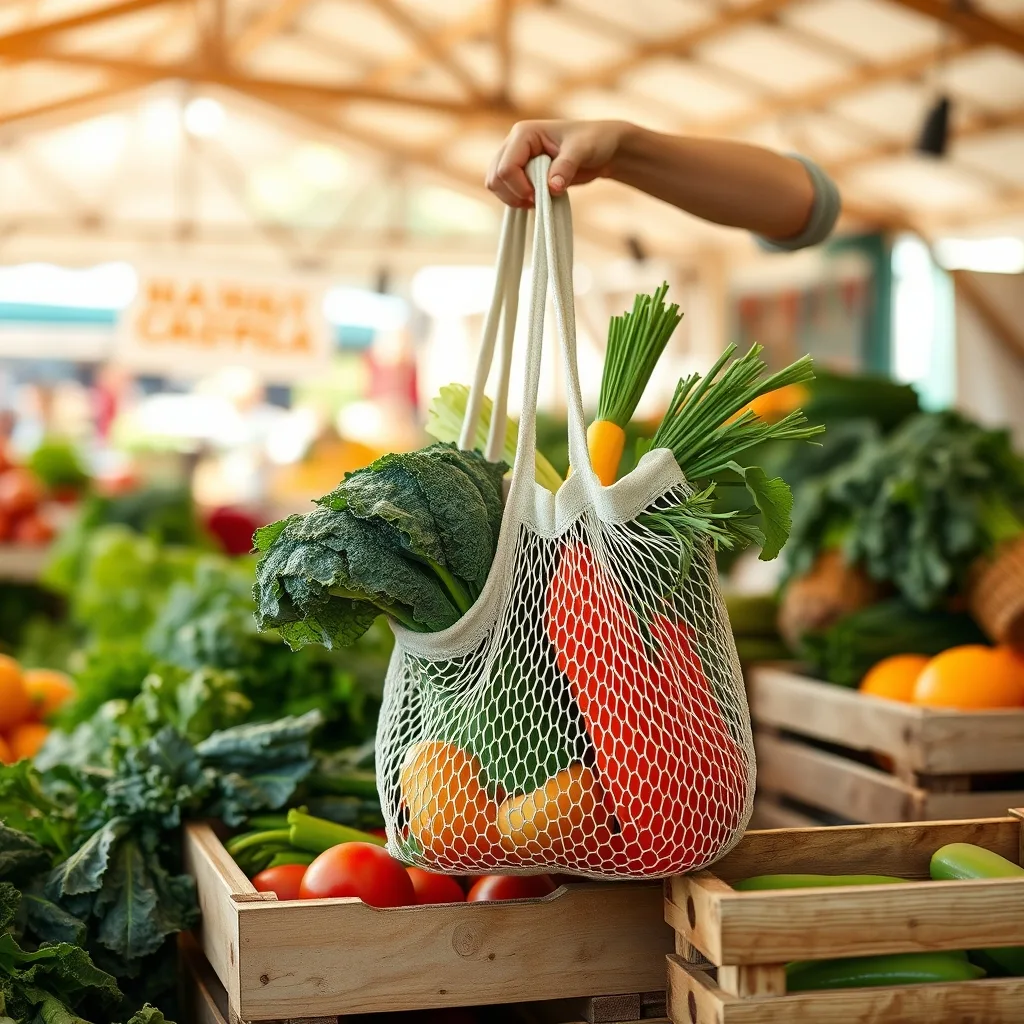
- Shopping bags: keep a set of sturdy cotton or canvas bags near the door to remember them.
- Utensils: keep a travel‑size set of metal cutlery, a bamboo straw, and a reusable coffee cup in your bag.
Next, audit your pantry. Bulk‑buy staples like grains, beans, and nuts in refillable containers. Many grocery stores now offer a “zero‑waste aisle” where you can fill your own jars. If bulk options aren’t available, bring your own containers to the bulk section; many retailers allow this with a small fee.
Finally, set up a composting system. Even a small countertop compost bin with a charcoal filter can capture fruit peels and coffee grounds. If you have a garden, connect the bin to a backyard compost tumbler; otherwise, research local municipal compost pickup programs.
Rethink Shopping Habits
Every purchase is a chance to either add waste or prevent it. Adopt a “pause before you buy” mindset: ask yourself whether the item is truly needed, if it can be borrowed, or if a refillable version exists. Here are actionable steps for common shopping scenarios:
- Grocery stores: Walk the aisles with a list that specifies “no plastic packaging.” Choose produce that isn’t pre‑packaged, and ask the staff for a paper bag if you forget your own.
- Online orders: Consolidate shipments to reduce packaging, and select retailers that use recyclable or biodegradable mailers. Some platforms let you opt out of promotional inserts.
- Clothing and accessories: Favor second‑hand shops, clothing swaps, or brands that use recycled fabrics and minimal packaging.
- Household goods: Look for refill stations for detergents, soaps, and shampoos. Many stores now offer bulk dispensers that accept your own containers.
Keep a “zero‑waste toolbox” in your car or bag: a reusable shopping bag, a set of silicone snack bags, a stainless‑steel water bottle, and a compact cutlery set. Having these tools on hand eliminates the need for impulse purchases of disposable items.
Master DIY and Upcycling Projects
When you can’t find a waste‑free product, creating your own is often the most sustainable solution. Simple DIY projects also make the transition more enjoyable and personal.
- Cleaning supplies: Mix equal parts white vinegar and water in a spray bottle for an all‑purpose cleaner. Add a few drops of essential oil for scent. Store the mixture in a reused glass spray bottle.
- Personal care: Make a sugar scrub by combining sugar, coconut oil, and a few drops of lemon essential oil. Transfer it to a recycled glass jar for a bathroom staple.
- Food storage: Turn old mason jars into pantry organizers, or repurpose glass milk bottles as reusable water containers.
- Furniture: Upcycle wooden pallets into a compost bin or a small garden planter. There are many free online tutorials that guide you through safe sanding and sealing.
Document your projects with photos and share them on social media or community boards. Not only does this inspire others, but it also reinforces your commitment.
Manage Food Waste Effectively
Food waste accounts for a large share of household trash and contributes significantly to greenhouse‑gas emissions. Reducing it involves smarter planning, preservation, and reuse.
- Meal planning: Draft a weekly menu and a precise shopping list. Stick to the list to avoid impulse buys that often become forgotten leftovers.
- Proper storage: Store herbs in a glass of water with a loose plastic bag over the top, or freeze them in ice‑cube trays with olive oil. Keep leafy greens in a breathable produce bag to extend freshness.
- Batch cooking: Cook larger portions and freeze individual servings. Label each container with the date to prevent “mystery meals.”
- Creative leftovers: Transform stale bread into croutons, wilted vegetables into soups, and fruit skins into homemade broth.
- Composting: If a full compost system isn’t feasible, collect food scraps in a sealed container and add them to a municipal compost bin or a community garden drop‑off point.
Tracking food waste for a month—using the same spreadsheet method from the assessment phase—helps you see progress and refine your strategies.
Navigate Personal Care and Household Products
Many everyday items are packaged in single‑use plastics that can be replaced with refillable or solid alternatives. Below are practical swaps that require little research:
- Shampoo and conditioner: Choose bar versions made from natural oils and butters. They last longer and eliminate plastic bottles.
- Deodorant: Opt for a refillable stick or a crystal deodorant that can be recharged with a simple rinse.
- Toothpaste: Use a toothpaste tablet or a glass jar of powder toothpaste, applying it with a reusable silicone brush.
- Cleaning wipes: Replace disposable wipes with a washable microfiber cloth that can be dampened with your homemade cleaning solution.
- Disposable razors: Switch to a safety razor with replaceable steel blades, which reduces plastic waste dramatically.
When buying new products, prioritize those with minimal packaging, recyclable materials, or bulk refill options. Many zero‑waste shops also offer a “bring‑your‑own‑container” policy for items like toothpaste, lotion, and laundry detergent.
Build Community Support and Stay Motivated
Going zero waste alone can be isolating, but community resources make the journey sustainable. Join local groups, online forums, or social media pages dedicated to waste reduction. Attend swap meets, bulk‑store tours, or composting workshops to learn new techniques and discover supportive peers.
Consider starting a “zero‑waste challenge” with friends or coworkers. Set a collective goal—such as a month without single‑use plastics—and share weekly updates. Friendly competition and public accountability often accelerate habit formation.
Finally, celebrate milestones. When you reach a target (e.g., “first month without plastic bags”), treat yourself with a low‑impact reward like a plant for your balcony or a day trip to a nearby nature reserve. Positive reinforcement keeps the momentum going.
Frequently Asked Questions
1. How long does it typically take to see a noticeable reduction in trash output?
Most people notice a drop of 30‑50 % in the amount of waste they produce within the first 4‑6 weeks, especially after implementing kitchen and shopping swaps. The exact timeline varies based on household size and baseline habits.
2. Is it realistic to go completely zero waste, or should I aim for a “zero‑waste‑ish” approach?
Achieving absolute zero waste is extremely challenging due to factors like infrastructure and occasional medical supplies. Most experts recommend aiming for a significant reduction—often called “zero‑waste‑ish”—which still delivers major environmental benefits without undue stress.
3. What are the best ways to handle packaging that can’t be avoided, such as online deliveries?
When unavoidable packaging arrives, reuse it for storage, crafts, or as protective material for future shipments. If the material is recyclable, clean it thoroughly before placing it in the appropriate recycling bin. Some courier services also offer “green packaging” options for an extra fee.
4. Can I transition to zero waste on a tight budget?
Yes. Many zero‑waste swaps—like using reusable bags, glass jars, or homemade cleaning solutions—cost little or nothing. Bulk buying reduces unit costs, and upcycling saves money on new items. Start with low‑cost changes and gradually invest in higher‑quality reusable goods as savings accumulate.
5. How do I involve my family, especially children, in the zero‑waste transition?
Make the process a family project. Assign age‑appropriate chores like sorting recyclables, washing reusable containers, or helping with compost. Turn shopping trips into a game: who can find the most package‑free items? Celebrate successes together, and explain the environmental impact in simple, relatable terms.
Related posts:
 New York’s Plastic Bag Ban Is Finally Here and It’s Going to Change Everything
 Practical Tips for Sustainable and Eco Friendly Pet Care
 Beginner’s Guide to Composting
 PHA Bodyweight Workout: Efficient Fitness Anywhere, Anytime
 Practical Methods for Reducing Household Waste
 Simple Ways to Reduce Waste Production in Your Daily Life
 Common Composting Mistakes and How to Avoid Them
 Creating a Plastic-Free Home