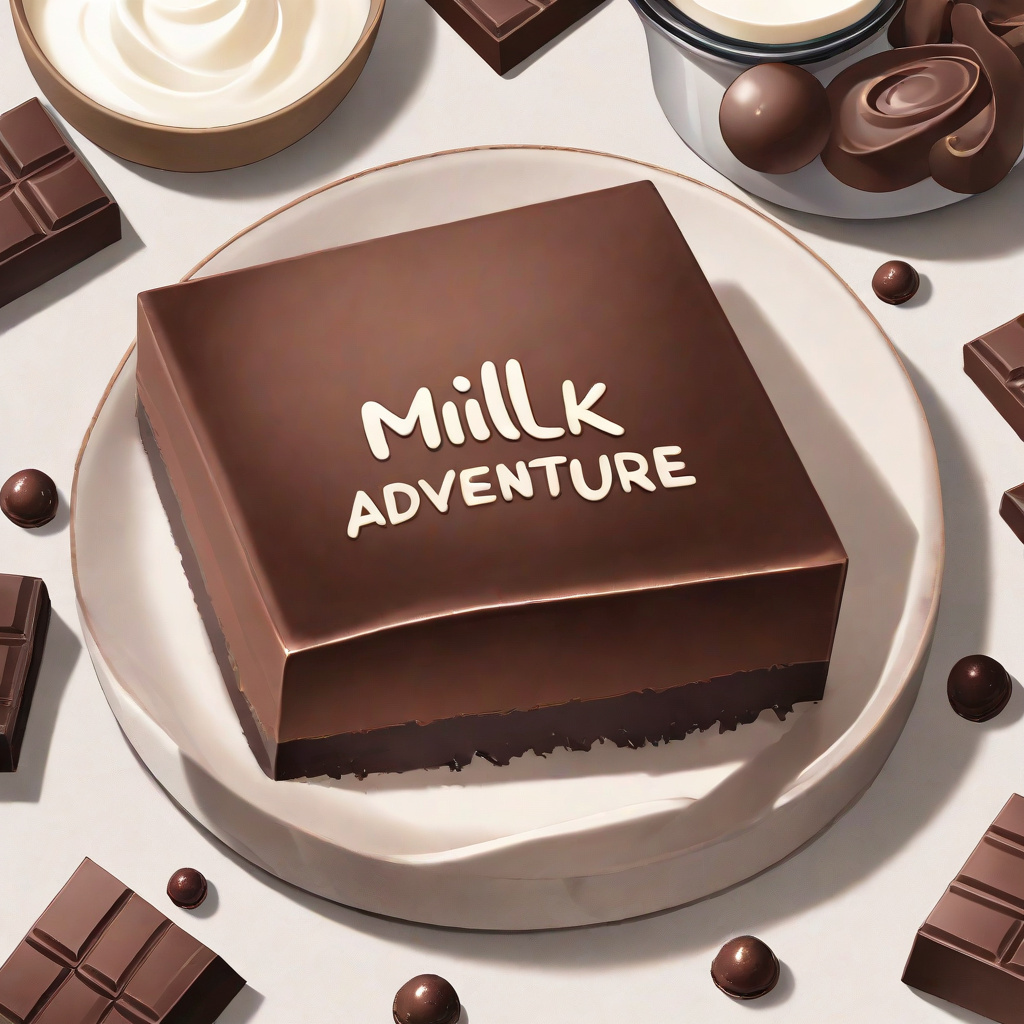
For years, the name Hu Kitchen has been synonymous with the dark chocolate revolution. Their mission to “Get Back to Human” resonated with a generation of health-conscious consumers who were tired of reading labels filled with soy lecithin, cane sugar, and industrial emulsifiers. However, for those who grew up on the creamy, nostalgic sweetness of milk chocolate, the transition to 70% dark was often a compromise of the palate for the sake of the body. That changed when Hu Kitchen embarked on their latest venture: the Milk Chocolate Adventure. By applying their rigorous ingredient standards to the world of dairy-based chocolate, they have created a product that bridges the gap between clean eating and pure, unadulterated comfort.
The Hu Kitchen Philosophy: Reimagining a Classic
The story of Hu Kitchen began in a single restaurant in New York City, founded on the principle that food should be simple, unprocessed, and transparent. When they moved into the retail chocolate space, they prioritized paleo-friendly, vegan dark chocolate. But the founders realized that milk chocolate remains the most popular confectionery category globally. The challenge was to create a milk chocolate that didn’t rely on the shortcuts of the modern food industry.
Traditional milk chocolate is often more sugar and milk powder than actual cacao. It frequently contains PGPR (polyglycerol polyricinoleate) to reduce costs and soy lecithin to create an artificial smoothness. Hu Kitchen’s adventure into milk chocolate was predicated on the idea that you could achieve that same velvety texture and sweet profile using only grass-fed dairy and unrefined organic coconut sugar. This philosophy isn’t just about what they leave out; it’s about the quality of what they put in. By focusing on the “Human” element, they ensure that the farmers, the animals, and the consumers are all part of a sustainable, healthy ecosystem.
Decoding the Ingredients: What Sets This Chocolate Apart?
When you pick up a bar of Hu Milk Chocolate, the ingredient list is refreshingly short. The primary differentiator is the use of grass-fed milk. Unlike conventional dairy, which often comes from cows raised on grain-heavy diets in confined spaces, grass-fed dairy comes from cows that graze on open pastures. This results in a milk profile that is naturally higher in Omega-3 fatty acids and Conjugated Linoleic Acid (CLA), providing a richness that grain-fed milk simply cannot match.
The sweetener is another critical component. Hu eschews refined white sugar and high-fructose corn syrup in favor of organic coconut sugar. Coconut sugar is derived from the sap of the coconut palm and has a lower glycemic index than table sugar. It also brings a subtle, caramel-like depth to the chocolate, which complements the dairy beautifully. Furthermore, Hu avoids the use of “natural flavors,” which can often be a catch-all term for laboratory-derived additives. Instead, they rely on real vanilla bean and high-quality cacao butter to provide the aromatic and textural notes that define premium chocolate.
Exploring the Flavor Profiles: The Milk Chocolate Collection
Hu Kitchen didn’t just release one milk chocolate bar; they launched a curated collection designed to satisfy various cravings. The “Simple Milk” bar is the purest expression of their new formula. It is creamy, balanced, and lacks the cloying sweetness often found in checkout-aisle candy bars. It tastes like real food, with the earthy notes of the cacao still present beneath the dairy.
For those who enjoy texture and complexity, the “Cashew Butter + Vanilla Bean” milk chocolate bar is a standout. It utilizes the natural fats of cashews to enhance the creaminess, creating a melt-in-your-mouth experience that feels incredibly indulgent. Other variations in the line, such as the “Salted” milk chocolate, use hand-harvested sea salt to cut through the richness, highlighting the floral notes of the cacao. Each bar in the adventure is designed to be an experience, encouraging the consumer to slow down and appreciate the nuances of the ingredients rather than mindlessly snacking.
Sourcing Matters: The Ethics of Grass-Fed Dairy
The “Adventure” in Hu’s new line also refers to the journey of their ingredients. Sourcing grass-fed dairy is a more complex and expensive process than sourcing conventional milk. It requires partnerships with farms that prioritize animal welfare and regenerative agriculture practices. Grass-fed cows contribute to healthier soil through natural grazing patterns, which can help sequester carbon and promote biodiversity.
From a nutritional standpoint, the choice of grass-fed dairy aligns with Hu’s commitment to wellness. Research suggests that milk from grass-fed cows has a more favorable fatty acid profile and higher levels of certain vitamins, such as Vitamin E and Beta-carotene. By choosing these bars, consumers are supporting a food system that values quality over quantity. This ethical approach to sourcing is a cornerstone of the Hu brand, ensuring that their expansion into dairy doesn’t compromise their original mission of transparency and health.
How to Savor Hu Milk Chocolate: A Mindful Tasting Guide
To truly appreciate the effort Hu Kitchen has put into these bars, one should approach them with mindfulness. Unlike mass-produced chocolate designed for rapid consumption, craft milk chocolate has layers of flavor that reveal themselves over time. Start by looking at the bar; it should have a matte-to-glossy finish and a clean “snap” when broken, indicating proper tempering.
Place a small piece on your tongue and let it melt slowly. Do not chew immediately. As the chocolate warms to your body temperature, the coconut sugar will release its toasted caramel notes, followed by the creaminess of the grass-fed milk. Finally, the cacao’s base notes—which might range from nutty to fruity depending on the origin—will emerge. This practice of mindful tasting not only enhances the sensory experience but also helps with portion control, as you become more satisfied with smaller, high-quality amounts of chocolate.
The Rheology of Pure Chocolate: Achieving Texture Without Emulsifiers
To understand why Hu Kitchen’s milk chocolate is a technical marvel, one must first understand the role of emulsifiers in the global chocolate industry. Most commercial milk chocolates rely heavily on soy lecithin or PGPR (Polyglycerol polyricinoleate). These additives act as lubricants, reducing the friction between the solid particles—cocoa solids, sugar, and milk powder—and the liquid fats. Without them, chocolate can become thick, viscous, and difficult to process, often requiring excessive amounts of expensive cocoa butter to achieve a flowable consistency. Hu Kitchen’s decision to omit these stabilizers means they must rely on precision grinding and a higher ratio of natural cocoa butter to ensure the chocolate doesn’t feel “gritty” or “heavy” on the tongue.
This lack of emulsifiers creates a unique rheological profile. When you hold a piece of Hu Milk Chocolate, you may notice it feels slightly different than a standard bar; it has a higher thermal sensitivity. Because there are no chemical surfactants to hold the structure together under stress, the chocolate responds more honestly to the temperature of your hands. In the mouth, this translates to a “cleaner” melt. Emulsifiers can sometimes leave a waxy film on the palate that lingers long after the chocolate is gone. Hu’s formula, by contrast, dissolves completely, allowing the grass-fed dairy fats to coat the taste buds evenly before washing away cleanly. This is particularly noticeable in the “Simple Milk” variety, where the absence of additives allows the subtle, floral notes of the Peruvian cacao to shine through the dairy without interference.
For the home cook, this chemical purity presents both an opportunity and a challenge. When melting Hu chocolate for a fondue or a drizzle, it is vital to use a gentle, indirect heat source like a bain-marie. Because there are no industrial stabilizers to buffer the proteins in the milk powder, overheating the chocolate can lead to “seizing” more quickly than with conventional brands. However, the reward for this careful handling is a flavor profile that is remarkably vibrant. The fats in the grass-fed milk and the cocoa butter carry the aromatic compounds of the vanilla bean more effectively when they aren’t bound by synthetic emulsifiers, leading to a more intense sensory experience.
A Deep Dive into Grass-Fed Lipid Profiles and Flavor Consistency
The move to grass-fed dairy isn’t just an ethical choice; it is a fundamental shift in the lipid chemistry of the chocolate. Conventional milk often comes from cows fed a diet of corn and soy, which produces milk fat high in Omega-6 fatty acids. Grass-fed milk, however, contains a significantly higher concentration of Omega-3 fatty acids and Conjugated Linoleic Acid (CLA). These specific fats have lower melting points than the saturated fats found in grain-fed dairy. This is why Hu Milk Chocolate feels “softer” and creamier at room temperature. The fat composition actually changes the physical structure of the chocolate bar, making it more pliable and less brittle than a dark chocolate bar of the same cacao percentage.
Furthermore, the diet of the cow introduces “terroir” into the dairy. Just as the soil and climate affect the flavor of the cacao beans, the pasture affects the flavor of the milk. In the spring, when pastures are lush and fast-growing, the milk can take on a slightly sweet, grassy note. In the autumn, as the forage changes, the milk may become richer and more concentrated. Hu Kitchen manages these natural fluctuations by carefully selecting dairy partners who maintain consistent regenerative grazing practices. This ensures that while there may be subtle, seasonal nuances in the bar, the core creaminess remains a constant. This level of detail is rarely found in mass-produced milk chocolate, where milk is treated as a standardized commodity rather than a seasonal ingredient.
From a nutritional perspective, these lipids also play a role in how our bodies process the sugar in the chocolate. The presence of high-quality, complex fats from grass-fed dairy can help slow the absorption of the coconut sugar, preventing the sharp insulin spikes often associated with eating candy. This makes the Hu Milk Chocolate Adventure not just a treat for the taste buds, but a more balanced option for those monitoring their metabolic health. When you consume these bars, you are ingesting a complex matrix of fat-soluble vitamins (A, D, and K2) that are naturally occurring in grass-fed milk, adding a layer of functional nutrition to the indulgence.
The Art of the Temper: Professional Techniques for Hu’s Unique Formula
Tempering is the process of heating and cooling chocolate to align the cocoa butter crystals into a stable form (specifically Form V), which gives the chocolate its snap and shine. For most home bakers, tempering is a daunting task, and it becomes even more nuanced with a product like Hu Milk Chocolate. Because Hu uses coconut sugar instead of cane sugar, the moisture content and crystal structure are different. Coconut sugar is more hygroscopic, meaning it attracts moisture from the air more readily than refined white sugar. This can affect the “snap” of the bar if it is not handled correctly in the kitchen.
To temper Hu Milk Chocolate at home, the “seeding” method is most effective. Start by gently melting two-thirds of your chocolate in a double boiler until it reaches approximately 105°F (40°C). It is crucial not to exceed 110°F, as the milk proteins in grass-fed dairy are delicate and can begin to take on a cooked, slightly scorched flavor. Once melted, remove from heat and stir in the remaining one-third of finely chopped chocolate. This “seed” chocolate introduces stable crystals to the mixture. Continue stirring until the temperature drops to 82°F (28°C), then briefly return it to the heat to bring it back up to a working temperature of 86-88°F (30-31°C).
If you achieve a perfect temper, you’ll notice that Hu chocolate has a beautiful, deep mahogany sheen and a clean break. This is particularly satisfying when making homemade truffles or dipped fruits. An edge case to watch out for is humidity; if you are working in a kitchen with more than 50% humidity, the coconut sugar in the Hu bar may absorb ambient moisture during the tempering process, resulting in a slightly softer finish. To counteract this, professional pastry chefs often use a dehumidifier or work in a cool, climate-controlled environment to ensure the chocolate sets with the professional finish that Hu’s rigorous standards deserve.
Curating a Charcuterie Board: Hu Milk Chocolate as a Savory Companion
While milk chocolate is traditionally viewed as a dessert item, the complex flavor profile of the Hu Milk Chocolate collection makes it an extraordinary candidate for savory pairings. The “Salted” milk chocolate bar, in particular, acts as a bridge between the worlds of sweet and savory. When building a charcuterie board, consider replacing traditional honey or dried figs with thin shards of Hu Milk Chocolate. The caramel notes of the coconut sugar pair exquisitely with aged cheeses like a 24-month Manchego or a crystalline Gruyère. The salt in the chocolate draws out the nuttiness of the cheese, while the grass-fed dairy mirrors the creamy texture of the milk solids.
For a more adventurous pairing, try the “Cashew Butter + Vanilla Bean” bar alongside salty, cured meats like Prosciutto di Parma or Bresaola. The richness of the cashew butter provides a fatty counterpoint to the saltiness of the meat, creating a “sweet and salty” harmony that is deeply satisfying. This works because Hu chocolate lacks the cloying, artificial sweetness of standard milk chocolate; its sweetness is grounded and earthy, allowing it to sit comfortably next to savory ingredients without overwhelming them. You can also add toasted Marcona almonds or walnuts to the board to echo the nutty undertones found in the Peruvian cacao Hu sources.
Beverage pairings also shift when dealing with such high-quality milk chocolate. While dark chocolate often requires heavy, tannic red wines, Hu Milk Chocolate thrives alongside lighter, more nuanced drinks. A slightly chilled Tawny Port or a creamy Stout beer can complement the grass-fed dairy perfectly. For non-alcoholic options, a light-roast Ethiopian coffee with citrusy notes provides a brilliant acidity that cuts through the richness of the milk chocolate, highlighting the vanilla bean and coconut sugar. By treating Hu chocolate as a component of a larger flavor landscape, you elevate it from a simple snack to a gourmet ingredient.
Environmental and Regenerative Impact: The Lifecycle of a Hu Bar
The “Adventure” in Hu’s milk chocolate line extends deep into the soil. By sourcing grass-fed dairy, Hu Kitchen is participating in a movement toward regenerative agriculture, which seeks to repair the damage done by industrial farming. Conventional dairy farming is often a carbon-intensive process that depletes soil health. In contrast, well-managed grazing systems—where cows are rotated through pastures—can actually sequester carbon in the ground. The cows’ hooves disturb the soil just enough to encourage seed germination, and their natural waste provides organic fertilizer, fostering a diverse ecosystem of grasses and microbes.
This commitment to the environment is a logical extension of Hu’s “Get Back to Human” mantra. A healthy human requires a healthy planet. When consumers choose Hu Milk Chocolate over a brand that uses conventional dairy, they are indirectly supporting farmers who are stewards of the land. This lifecycle approach also impacts the cacao sourcing. Hu works with smallholder farmers in regions like Peru, ensuring that the cacao is grown in agroforestry systems rather than monoculture plantations. These systems preserve the rainforest canopy, providing a habitat for local wildlife and ensuring the long-term viability of the cacao trees.
There is also the matter of waste reduction. Hu Kitchen’s packaging has evolved to reflect their environmental values, moving toward materials that are more easily recyclable or compostable. This holistic view of the product—from the soil that grows the grass for the cows to the wrapper that protects the bar—demonstrates that luxury and ethics are not mutually exclusive. For the conscious consumer, the enjoyment of the chocolate is magnified by the knowledge that its production contributed to a net positive for the environment, rather than a net negative.
Culinary Precision: Using Hu in High-Fat Pastry Applications
When using Hu Milk Chocolate in professional-grade pastry, one must account for its unique fat-to-sugar ratio. Traditional recipes for chocolate mousse or ganache are often calibrated for chocolate containing 30-40% cane sugar and significant amounts of soy lecithin. Because Hu uses coconut sugar and a higher percentage of cacao and milk solids, it behaves differently when emulsified with liquids. For a perfect Hu Milk Chocolate ganache, use a 1:1 ratio of chocolate to grass-fed heavy cream. Heat the cream until just before it boils, pour it over the finely chopped chocolate, and let it sit for three minutes before whisking from the center outward.
The result is a ganache that is significantly more stable and “fudgy” than one made with standard milk chocolate. This makes it an ideal filling for macarons or a base for a decadent chocolate tart. If you are looking to create a lighter texture, such as a mousse, you can take advantage of the natural fats in the “Cashew Butter + Vanilla Bean” bar. By folding whipped egg whites or coconut cream into a melted cashew-milk chocolate base, you create a dessert that is naturally thick and aerated without the need for gelatin or other thickeners. The cashew butter acts as a natural stabilizer, providing a silky mouthfeel that holds up well even after several hours in the refrigerator.
Another edge case for the home baker is the use of Hu chocolate in cookies. Because the chocolate lacks stabilizers, it will melt at a lower temperature in the oven. If you want distinct “pools” of chocolate, use large, irregular chunks. If you prefer the chocolate to be more integrated into the dough, chop it into a fine rubble. The coconut sugar in the chocolate will also caramelize slightly during the baking process, adding a “toffee” note to your cookies that you simply cannot get with standard semi-sweet chips. This interaction between the chocolate’s coconut sugar and the dough’s fats creates a complex, multi-layered flavor profile that elevates a simple chocolate chip cookie into a gourmet experience.
Preservation and Bloom: The Science of Keeping Clean Chocolate Fresh
Because Hu Milk Chocolate is a “clean” product without preservatives or chemical stabilizers, its shelf life and storage requirements are stricter than those of industrial chocolate. The most common issue with high-quality chocolate is “bloom.” There are two types: fat bloom and sugar bloom. Fat bloom occurs when the chocolate is exposed to temperature fluctuations, causing the cocoa butter to melt and then recrystallize on the surface as a white, powdery film. While this doesn’t make the chocolate unsafe to eat, it does alter the texture, making it feel slightly crumbly rather than smooth.
To prevent fat bloom in Hu Milk Chocolate, it should be stored at a constant temperature between 60°F and 68°F (15-20°C). Avoid storing it in the refrigerator if possible, as the transition from the cold fridge to a warm room can cause condensation to form on the surface of the bar. This leads to the second type of bloom: sugar bloom. Because coconut sugar is hygroscopic, it will quickly absorb that condensation, dissolving the sugar crystals. When the water evaporates, the sugar recrystallizes into large, gritty grains on the surface. To maintain the velvety texture of the grass-fed dairy and finely ground cacao, a cool, dry pantry is the ideal environment.
If you do find yourself with a bar that has bloomed, do not throw it away! The chocolate is still perfectly good for baking. Since the process of melting and re-tempering (or incorporating it into a batter) redistributes the fats and sugars, the textural issues caused by the bloom will disappear. In fact, many professional bakers prefer using slightly older, bloomed chocolate for melting because the flavor remains fully intact. For those who want to savor the bar as-is, keeping it in its original foil and an airtight container will protect the delicate vanilla and dairy aromas from being contaminated by other strong-smelling foods in your kitchen, ensuring that every bite of your Milk Chocolate Adventure is as fresh as the day it was tempered.
Baking and Cooking with Hu Milk Chocolate
While these bars are excellent for eating straight out of the wrapper, they also offer incredible versatility in the kitchen. Because Hu Milk Chocolate lacks stabilizers and emulsifiers, it melts beautifully. You can use it to create a sophisticated ganache by simmering a bit of grass-fed heavy cream (or coconut cream) and pouring it over chopped Hu chocolate. The result is a glossy, rich topping for cakes or a dip for fresh berries.
For baking, try chopping the bars into irregular chunks for cookies. Unlike standard chocolate chips, which are designed to hold their shape through high heat, Hu chocolate chunks will pool slightly, creating pockets of melted chocolate throughout your baked goods. Because
Related posts:
 Cacao’s Hidden Powers
 The Coconut Pudding That Tastes Like Dessert But Isn’t
 Hu Kitchen Dark Chocolate Review
 Cacao Fruit: The Superfood You’ve Never Heard Of
 The World’s First Avocado Chocolate Bar is Finally Here
 Cacao Skincare Benefits
 Pegan Diet Explained: The Paleo-Vegan Hybrid Taking Over
 Cacao Morning Magic: The Breakfast Recipe That Beats Coffee