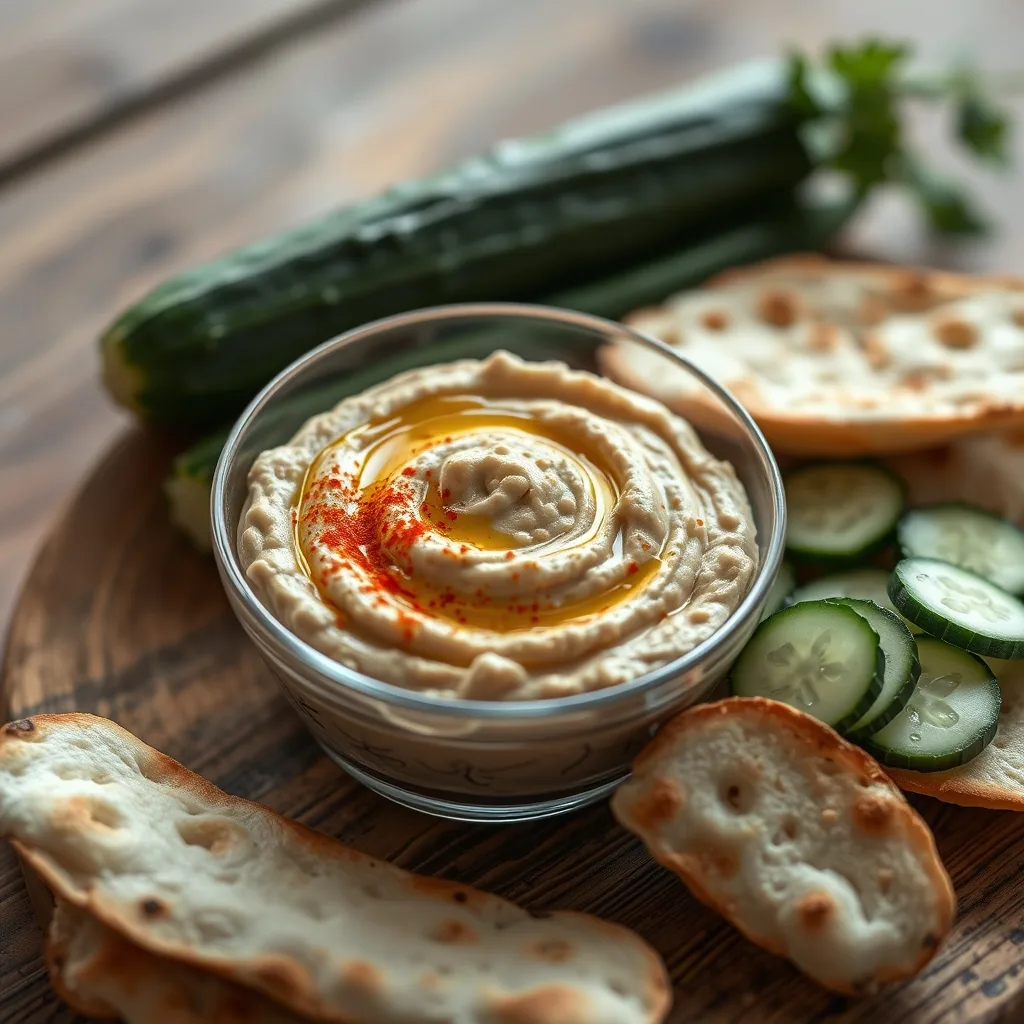
Hummus has moved from a Middle Eastern staple to a global pantry favorite, but many people still wonder what exactly they are scooping onto their crackers. This guide breaks down the macro‑ and micronutrient profile of classic chickpea hummus, explores how ingredient tweaks shift the nutrition numbers, and offers practical tips for fitting the dip into a balanced eating pattern.
Key takeaways
- Pair hummus with whole grains or seeds to create a complete amino-acid profile for better protein quality.
- Rinse canned chickpeas thoroughly to help reduce potential bloating caused by naturally occurring oligosaccharides.
- Control fat and sodium intake by choosing homemade versions over store-bought options that often contain additives.
- Boost nutrient intake by adding ingredients like roasted red peppers, spinach, or avocado to your base recipe.
What Is Hummus Made Of
At its core hummus blends cooked chickpeas, tahini (sesame seed paste), lemon juice, garlic, olive oil, and salt. Each component contributes a distinct set of nutrients. Chickpeas supply complex carbohydrates, plant protein, and dietary fiber. Tahini adds healthy fats, calcium, and iron. Lemon juice provides vitamin C, which enhances iron absorption from the legumes. Garlic contributes sulfur compounds with potential antioxidant activity. Olive oil rounds out the fat profile with monounsaturated fatty acids. Understanding this base recipe makes it easier to evaluate store‑bought versions that may include additives, preservatives, or extra oil.
Macronutrient Snapshot Per 100 Grams
A typical 100‑gram serving of homemade hummus delivers roughly 166 calories, 8 grams of protein, 9 grams of fat, and 14 grams of carbohydrate, of which about 6 grams are fiber. The fat fraction is dominated by monounsaturated and polyunsaturated fats from tahini and olive oil, while saturated fat remains low at under 1.5 grams. Protein quality is moderate; chickpeas lack methionine but pairing hummus with whole‑grain pita or a sprinkle of seeds creates a more complete amino‑acid profile. Carbohydrates are largely slow‑digesting starch and fiber, giving a modest glycemic impact.
Micronutrient Highlights
Hummus is a notable source of several vitamins and minerals. One serving provides about 15 % of the daily value for folate, 10 % for iron, 8 % for magnesium, and 6 % for vitamin B6. The tahini contribution lifts calcium to roughly 5 % of the daily value, while the lemon juice adds a modest vitamin C boost. These micronutrients support energy metabolism, red‑blood‑cell formation, and bone health. Because the dip is plant‑based, it contains no cholesterol and very little sodium unless salt is added heavily.
How Add‑Ins Change The Nutrition
Popular variations such as roasted red pepper, beet, avocado, or spinach hummus shift the nutrient balance. Adding roasted red pepper raises vitamin A and vitamin C without many extra calories. Beet hummus contributes betalains, pigments with antioxidant research interest, and a slight increase in natural sugars. Avocado blends raise total fat, especially monounsaturated fat, and add potassium. Spinach versions increase vitamin K, folate, and lutein. When buying flavored hummus, check the label for added sugars, excess oil, or sodium that can offset the benefits of the vegetable add‑ins.
Store‑Bought Versus Homemade
Commercial hummus often contains more oil and salt to improve shelf life and texture. A typical 2‑tablespoon (30 g) portion of a leading brand can have 70 calories, 5 g fat, 120 mg sodium, and 2 g protein. Homemade versions let you control oil quantity, use low‑sodium tahini, and adjust lemon and garlic to taste. A quick homemade batch: blend one can (drained) chickpeas, two tablespoons tahini, juice of one lemon, one garlic clove, two tablespoons water, one tablespoon olive oil, and a pinch of salt. This yields about 150 calories per 100 g with roughly half the sodium of many store options.
Portion Guidance For Different Goals
For weight‑maintenance snacks, a 30‑gram serving (about two tablespoons) paired with raw vegetables supplies ~50 calories, 2 g protein, and 3 g fiber, keeping satiety high. Athletes seeking extra carbohydrate can double the portion and add whole‑grain pita, reaching ~100 calories and 4 g protein. People monitoring sodium should limit added salt and choose low‑sodium tahini, aiming for under 150 mg per serving. Those on a low‑FODMAP diet may tolerate small amounts (up to ¼ cup) of well‑rinsed canned chickpeas, but larger portions can trigger symptoms.
Creative Ways To Use Hummus Beyond Dip
Spread hummus on sandwich bread instead of mayo for a protein‑rich, lower‑saturated‑fat alternative. Swirl a spoonful into soups or stews for creaminess without dairy. Use it as a base for salad dressing by thinning with lemon juice and water. Top baked sweet potatoes with a dollop and a sprinkle of za’atar. Mix into cooked quinoa or couscous for a quick Mediterranean grain bowl. These applications increase vegetable intake and add plant protein to meals that might otherwise be carb‑heavy.
Storage And Food Safety Tips
Keep hummus refrigerated in an airtight container; it stays fresh for up to five days. A thin layer of olive oil on the surface reduces oxidation. For longer storage, freeze in portion‑size containers for up to three months; thaw in the fridge and stir before serving. Discard any hummus that develops off‑odors, mold, or a watery separation that does not recombine after stirring. Always use clean utensils to avoid cross‑contamination, especially when serving at gatherings.
Glycemic Response and Blood‑Sugar Management with Hummus
Hummus delivers a modest glycemic load because the carbohydrate fraction is dominated by slowly digested starch and a high fiber content. In practice a 30‑gram serving (about two tablespoons) provides roughly 4 g of available carbohydrate and 2 g of fiber, resulting in a glycemic index estimate in the low‑30s. For people tracking post‑prandial glucose, pairing hummus with non‑starchy vegetables such as cucumber, bell pepper strips, or cherry tomatoes adds volume without appreciable carbohydrate. When a larger portion is needed — for example a 100‑gram bowl used as a main‑dish topping — the glycemic load rises to about 12, still well below that of a comparable serving of white pita or crackers. Edge cases appear when commercial brands add sugar or maltodextrin; a quick label scan for “added sugars” keeps the glycemic impact predictable. A practical tip: blend a teaspoon of apple cider vinegar into the dip; the acetic acid has been shown in small studies to blunt the glucose excursion by 15‑20 % when consumed with a carbohydrate‑containing meal.
Anti‑Nutrients in Chickpeas and Tahini: Phytates, Lectins, and Practical Mitigation
Chickpeas and sesame seeds contain phytate, a compound that can bind iron, zinc, and calcium, reducing their bioavailability. Traditional preparation — soaking dried chickpeas for 12‑24 hours, discarding the soak water, and cooking until very soft — cuts phytate by 40‑60 %. Adding a pinch of baking soda to the cooking water further accelerates breakdown. For canned chickpeas, thorough rinsing under running water for at least 30 seconds removes a significant portion of surface phytates and the oligosaccharides that cause gas. Lectins, another class of anti‑nutrients, are largely inactivated by the same heat treatment; however, under‑cooked or sprouted chickpeas retain residual activity and may irritate sensitive guts. Tahini, made from roasted sesame, already has low lectin levels, but raw sesame paste can be higher. If you prefer raw tahini for its enzyme profile, a brief 5‑minute toast in a dry skillet reduces lectins without sacrificing flavor. An edge case: individuals on a strict low‑phytate diet (e.g., certain mineral‑deficiency protocols) may benefit from fermenting hummus with a starter culture for 24 hours; the microbial phytase activity can lower phytate an additional 30 % while adding a pleasant tang.
Hummus in Specialized Dietary Protocols: Mediterranean, Low‑FODMAP, Renal, and Pregnancy Nutrition
The Mediterranean diet emphasizes legumes, olive oil, and nuts — all core hummus ingredients — making the dip a natural fit. For a low‑FODMAP approach, the Monash University app lists canned chickpeas as moderate in galacto‑oligosaccharides at ¼ cup (about 45 g). Rinsing and limiting the portion to 30 g keeps most IBS sufferers symptom‑free. In renal nutrition, potassium and phosphorus are concerns; a 100‑gram serving supplies roughly 250 mg potassium and 120 mg phosphorus. Patients on a potassium‑restricted plan can dilute hummus with extra lemon juice and water, or swap a portion of chickpeas for low‑potassium white beans, reducing the load by about 30 %. During pregnancy, the folate (≈70 µg per 100 g) and iron (≈2 mg) support neural‑tube development and expanded blood volume, while the healthy fats aid fetal brain growth. A practical prenatal snack: spread 30 g hummus on whole‑grain toast, top with sliced avocado and a sprinkle of hemp seeds for added omega‑3s. Edge case: women with gestational diabetes should monitor total carbohydrate; a 30‑g portion contributes only 4 g net carbs, fitting comfortably within most meal plans.
Scaling and Troubleshooting Hummus for Food‑Service and Meal‑Prep Operations
When moving from a home blender to a commercial food‑processor, the chickpea‑to‑liquid ratio becomes critical. A reliable baseline for a 10‑kg batch is 5 kg cooked chickpeas (drained weight), 1 kg tahini, 500 ml lemon juice, 250 ml water, 200 ml extra‑virgin olive oil, and 30 g salt. Blend in two stages: first chickpeas with tahini and lemon until smooth, then drizzle oil while the motor runs to emulsify. Common texture failures include graininess (insufficient blending time or under‑cooked chickpeas) and separation (oil added too quickly). If graininess persists, pass the mixture through a fine sieve or a high‑shear colloid mill. For meal‑prep kits, portion hummus into 100‑g cups, flash‑freeze on a tray, then vacuum‑seal; this preserves texture for up to 12 weeks. An edge case: high‑altitude kitchens may need a touch more water because lower boiling points produce slightly drier chickpeas. Adding 1‑2 % aquafaba (the chickpea cooking liquid) can restore creaminess without extra oil. Always label with production date, allergen statement (sesame), and a “best‑by” of 5 days refrigerated or 3 months frozen.
Environmental and Economic Footprint of Chickpea‑Based Dips Compared to Alternatives
Life‑cycle analyses show that chickpeas emit roughly 0.5 kg CO₂e per kilogram of harvested seed, far lower than dairy‑based dips such as sour‑cream (≈3 kg CO₂e/kg) or cheese spreads (≈5 kg CO₂e/kg). Water use for chickpeas averages 4,000 L/kg, whereas almond‑based spreads can exceed 10,000 L/kg. Tahini adds a modest footprint; sesame cultivation requires about 2,500 L/kg and 1.2 kg CO₂e/kg. When sourced from regenerative farms that rotate chickpeas with cereals, nitrogen fixation reduces synthetic fertilizer demand, cutting the carbon intensity further. Economically, a 1‑kg batch of homemade hummus costs roughly $2.50 in bulk ingredients (dry chickpeas, sesame paste, lemon, oil) versus $6‑$8 for an equivalent weight of premium store‑bought hummus. For food‑service operators, the cost per 30‑g serving drops to $0.08 homemade versus $0.20‑$0.30 purchased. Edge case: supply‑chain disruptions that spike sesame prices can be mitigated by substituting 20 % of tahini with sunflower‑seed butter, which has a comparable fatty‑acid profile and a lower market price.
Fortification Strategies: Adding Vitamin D, B12, and Omega‑3s to Homemade Hummus
Plant‑based eaters often lack vitamin D, B12, and long‑chain omega‑3 fatty acids. Hummus provides a neutral matrix for fortification because its flavor masks mild off‑notes. For vitamin D3, a micro‑encapsulated cholecalciferol powder (400 IU per gram) can be blended at 0.5 g per kilogram of dip, delivering 200 IU per 100‑g serving — roughly 25 % of the adult RDI. Vitamin B12 (cyanocobalamin) is stable in the acidic environment created by lemon juice; adding 0.1 mg per kilogram yields 2.5 µg per 100 g, covering the daily requirement. Omega‑3 enrichment is achieved by stirring in 5 g of high‑DHA algal oil per kilogram; the oil emulsifies with the existing tahini and olive oil, contributing 250 mg DHA per 100 g. Practical tip: pre‑mix the fortificants with a small portion of tahini before incorporating into the full batch to avoid clumping. Edge case: excessive heat during blending (>45 °C) can degrade vitamin D; keep the processor on low speed and pause every 30 seconds. Label the fortified product clearly, noting the added nutrients and the source (e.g., “vitamin D3 from lichen, B12 from fermentation, DHA from algae”).
Sensory Science and Flavor‑Pairing Principles for Next‑Level Hummus Variations
Understanding the five basic taste modalities — salty, sour, bitter, sweet, umami — lets you design hummus that balances rather than overwhelms. The inherent umami from chickpeas and tahini pairs well with a touch of miso paste (1 % by weight) for depth without adding sodium. A splash of pomegranate molasses introduces sweet‑sour complexity and a vivid color contrast. For heat, fermented chili paste (gochujang) contributes both capsaicin and a subtle fermented note; 5 g per kilogram yields a gentle warmth. Texture modifiers: a tablespoon of toasted pine nuts per 500 g adds crunch and a buttery mouthfeel, while a drizzle of herb‑infused oil (basil, mint, or dill) supplies aromatic volatiles that lift the dip’s perception of freshness. Pairing experiments: serve beet‑hummus with goat‑cheese crumble and walnut praline for a sweet‑earthy‑nutty triad; serve classic hummus with roasted cauliflower florets and a sprinkle of sumac for a bright, tangy finish. Edge case: when scaling a flavored batch, volatile herbs lose potency; add fresh herbs at the very end of blending and taste‑adjust after a 10‑minute rest. Document each formulation with a sensory scorecard (appearance, aroma, flavor, texture, aftertaste) to replicate successful batches consistently.
Frequently Asked Questions
Is hummus a good source of complete protein
Hummus provides plant protein but is low in methionine. Pairing it with whole grains, nuts, or seeds creates a complete amino‑acid profile.
Can hummus fit into a low‑carb diet
Traditional hummus contains about 14 g carbohydrate per 100 g, with 6 g fiber. Small portions (15‑20 g) can fit into moderate low‑carb plans, but large servings may exceed daily limits.
Does hummus cause bloating
Chickpeas contain oligosaccharides that some people ferment in the gut, leading to gas. Rinsing canned chickpeas thoroughly and starting with small portions can reduce discomfort.
How does the fat in hummus affect heart health
The predominant fats are monounsaturated and polyunsaturated from tahini and olive oil, which are associated with favorable lipid profiles when they replace saturated fat.
What should I look for on a hummus label
Check for total fat, sodium, added sugars, and the ingredient list. Choose products with chickpeas, tahini, lemon juice, garlic, and minimal oil or preservatives.
Related posts:
 The One-Ingredient Swap That Makes Any Salad Dressing Healthier
 Chloë Grace Moretz’s Olive Oil Cleansing Method
 How to Reduce Sodium Intake Without Losing Flavor
 Is Starbucks Almond Milk Healthy?
 High-Protein Foods That Pack a Serious Nutritional Punch
 Liquid Gold: The Surprising Health Benefits of Drinking Aloe Vera Juice
 Portion vs Serving Size Guide
 Healthy High Protein Snacks for Busy Afternoons