Staying properly hydrated is essential for energy, skin health, digestion, and overall well‑being, yet many people genuinely dislike the taste or routine of drinking plain water. The good news is that you don’t have to force yourself to gulp down a glass of bland liquid every hour. By applying a few science‑backed tricks and creative habits, you can meet your hydration needs while enjoying flavors, textures, and routines that feel natural. Below are practical, evidence‑based hydration hacks for anyone who prefers to avoid plain water.
Key takeaways
- Add low-calorie flavor to water using citrus slices, fresh herbs like mint, or spices such as ginger and cinnamon.
- Incorporate water-rich foods like celery, oranges, and soups, which can provide up to 30% of daily fluid intake.
- Use behavioral cues by linking hydration to existing habits, such as drinking a glass after brushing your teeth.
- Experiment with different temperatures and textures, including herbal teas, carbonated water, or DIY frozen fruit popsicles.
- For workouts over 60 minutes, create a custom electrolyte mix using citrus, fruit juice, and a pinch of salt.
Understand Why Water Feels Boring
Before you start adding flavors or gadgets, it helps to recognize the psychological and physiological reasons water can seem unappealing. Many people associate water with a “cleaning” function rather than a pleasurable experience, which can create a mental block. Additionally, the body’s thirst signals are often muted, especially in environments with high humidity or after consuming salty foods. Recognizing these cues allows you to design intentional habits rather than relying on spontaneous thirst.
- Thirst perception lag: It can take up to 30 minutes for the brain to register dehydration, so waiting for thirst often means you’re already behind.
- Flavor fatigue: Repeatedly drinking the same bland liquid can reduce motivation.
- Temperature expectations: Warm water can feel less refreshing than cold, influencing preference.
By addressing these underlying factors, the hacks that follow become more effective.
Flavor Boosters That Keep You Hydrated
Adding a hint of flavor is one of the simplest ways to make water more appealing without adding significant calories or sugars. Here are three low‑effort options:
- Citrus splash: Squeeze a wedge of lemon, lime, or orange into a glass. The acidity awakens taste buds and provides a modest dose of vitamin C.
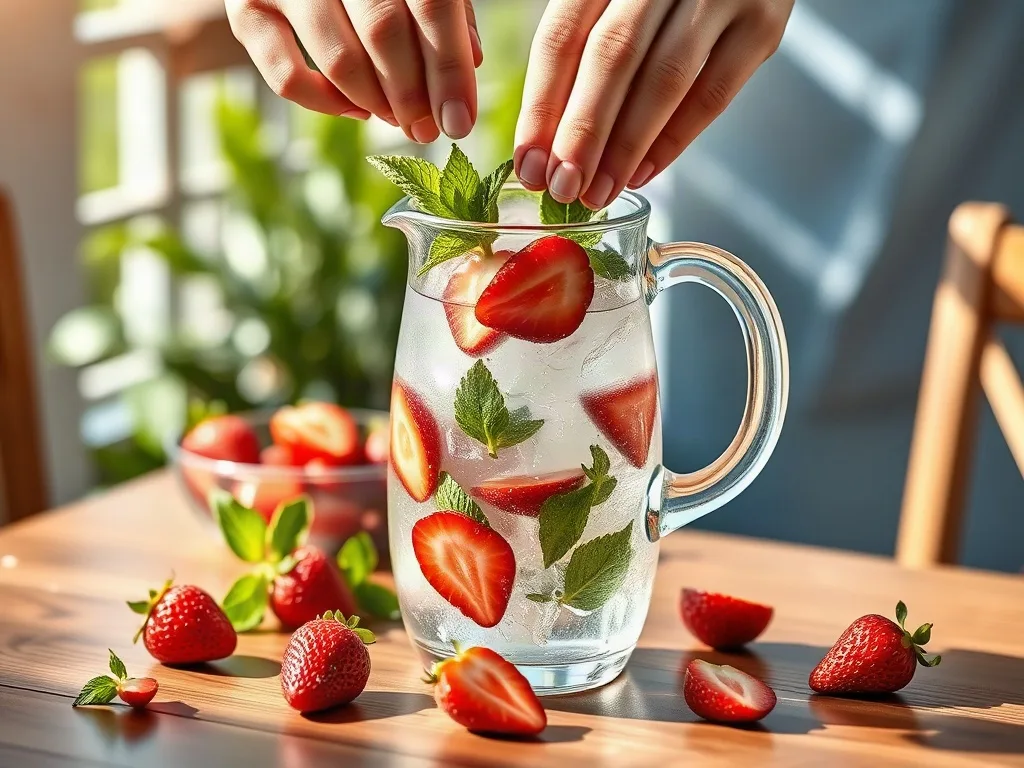
- Herb infusion: Add fresh mint, basil, or rosemary. A few leaves give a refreshing aroma that can trick the brain into perceiving a sweeter taste.
- Spice twist: A pinch of cinnamon or ginger powder adds warmth and complexity, especially in colder months.
These additions contain less than 5 calories per serving and can be prepared in bulk. Simply fill a pitcher, let it steep for 10‑15 minutes, and keep it refrigerated for easy access.
Smart Use of Fruit and Veggie Infusions
For those who enjoy a more substantial flavor, fruit‑and‑vegetable infusions provide both taste and extra nutrients. The key is to choose ingredients with high water content and complementary flavors.
- Cucumber‑mint: Slice half a cucumber and add a handful of mint leaves. This combo is especially cooling for summer workouts.
- Berry‑lime: A handful of fresh or frozen berries with a squeeze of lime creates a lightly sweet-tart drink that also supplies antioxidants.
- Watermelon‑basil: Cube watermelon and toss in a few torn basil leaves for a summery sip that feels like a dessert.
Place the ingredients in a large glass jar, fill with cold water, and let sit for at least 30 minutes. Re‑use the same infusion up to 24 hours; the flavor will mellow but remain pleasant.
Hydrating Foods You Can Eat Anytime
Did you know that roughly 20‑30 % of daily fluid intake can come from food? Incorporating water‑rich foods into meals and snacks reduces the need for constant sipping.
- Fruits: Oranges, grapes, strawberries, and cantaloupe are over 80 % water.
- Vegetables: Celery, lettuce, zucchini, and bell peppers provide crisp hydration.
- Soups & broths: A warm cup of vegetable broth counts toward fluid goals while delivering electrolytes.
Aim for at least two servings of these foods per day. A simple snack—such as a bowl of mixed berries or a celery‑and‑hummus plate—adds 150‑250 ml of fluid without any effort.
Temperature Tricks: Hot, Cold, and Everything In‑Between
Temperature influences how quickly you drink and how satisfying the experience feels. Experiment with the following:
- Cold water for exercise: Ice‑cold water can be more refreshing after a workout, encouraging you to drink more.
- Room‑temperature for digestion: Lukewarm water is gentler on the stomach and may be easier to consume throughout the day.
- Warm herbal teas: A cup of rooibos or chamomile adds fluid while also offering calming aromatics.
Switching temperatures based on activity and time of day keeps the habit interesting and aligns with physiological needs.
Tech Tools and Reminders for Consistent Intake
Modern smartphones and wearables can act as personal hydration coaches. Here are three reliable options:
- Hydration apps: Apps like “WaterMinder” or “Hydro Coach” let you set personalized goals, log intake, and receive push notifications.
- Smart bottles: Brands such as HidrateSpark illuminate when you need a sip and sync data to your phone.
- Watch reminders: Many smartwatches have built‑in “stand‑up” or “drink” alerts that can be customized.
Set realistic reminders (e.g., every 90 minutes) rather than overly frequent alerts, which can become annoying and be ignored.
Routine Integration: Making Hydration Habitual
Habits stick when they’re tied to existing routines. Pair drinking with activities you already do:
- Morning: Fill a 16‑oz glass as soon as you brush your teeth.
- Work breaks: Keep a bottle on your desk and take a sip each time you return from a meeting.
- Meal times: Have a glass of infused water before each main course.
- Evening wind‑down: Sip a warm herbal tea 30 minutes before bed.
Linking hydration to cues you already recognize reduces the mental effort required to remember to drink.
Alternative Hydration Sources (Herbal Teas, Broths, and More)
Plain water isn’t the only way to meet fluid needs. Choose low‑caffeine, low‑sugar alternatives that still count toward daily intake.
- Herbal teas: Peppermint, hibiscus, and ginger teas provide flavor and mild antioxidants.
- Electrolyte‑light drinks: Diluted coconut water (half water, half coconut water) supplies potassium without excess sugar.
- Milk or plant‑based milks: A cup of low‑fat milk or fortified almond milk adds calcium and vitamin D while hydrating.
Remember to track these beverages in your total fluid count, especially if you’re monitoring sodium or sugar intake for health reasons.
Tracking Progress and Adjusting Goals
Finally, evaluate whether your new habits are meeting your needs. Use a simple weekly log:
- Record total ounces consumed each day (including foods).
- Note any symptoms of low hydration (dry mouth, mild headache, reduced urine output).
- Adjust the goal up or down by 5‑10 % based on activity level, climate, and personal comfort.
Most adults thrive on 2.7 L (women) to 3.7 L (men) of total water per day, but individual needs vary. The key is consistency, not perfection.
Hydration for Specific Life Stages and Health Conditions
Not all bodies process fluid the same way. Age, hormonal changes, activity level, and medical conditions each create a unique hydration profile. Understanding those nuances lets you fine‑tune intake without relying on a one‑size‑fits‑all rule.
Older adults (65+) often experience a blunted thirst response and reduced kidney concentrating ability. A practical approach is to schedule “sip windows” – short, timed periods (e.g., 2 minutes every hour) where a glass of water is placed within arm’s reach. Pair these windows with routine tasks such as checking the mail or taking medication, turning a neutral cue into a hydration cue.
Pregnant and lactating individuals have an elevated plasma volume and increased sweat loss. In addition to the standard 2.7–3.7 L range, aim for an extra 300–500 ml per day. A simple trick is to keep a 250 ml bottle in the refrigerator and refill it after each nursing session; the cooling effect also helps soothe breast engorgement.
Endurance athletes lose not only water but also sodium, potassium, magnesium, and calcium through sweat. For sessions longer than 60 minutes, incorporate a “custom electrolyte mix” made from a pinch of sea salt, a squeeze of citrus, and a splash of 100 % fruit juice. This adds roughly 200 mg of sodium per 500 ml, matching average sweat losses without the sugary overload of commercial sports drinks.
People with chronic kidney disease (CKD) often need to limit fluid to avoid edema, yet they also require careful electrolyte balance. Working with a renal dietitian, track both volume and potassium‑rich foods. For instance, swapping a high‑potassium banana for a low‑potassium apple can shave off 150 ml of fluid while keeping overall hydration stable.
Individuals on diuretics or with heart failure must monitor fluid closely to prevent overload. In these cases, using a “fluid‑budget” chart that logs every ounce—including soups, teas, and gelatin desserts—helps keep intake within prescribed limits while still meeting daily needs.
By mapping these life‑stage or condition‑specific variables onto a simple spreadsheet or notebook, you create a living hydration plan that evolves with your health.
Behavioral Design Techniques to Make Drinking Feel Automatic
Human habits are governed by cue‑routine‑reward loops. When you deliberately engineer each component for water intake, the behavior becomes almost reflexive.
Cue engineering: Place visual triggers in high‑traffic zones. A brightly coloured coaster on your desk, a sticky‑note on the bathroom mirror, or a magnet on the fridge can serve as a reminder. The cue should be unmistakable and linked to an existing habit, such as “after I turn on the computer, I grab the bottle.”
Routine simplification: Reduce friction by keeping the drinking vessel ready. A 500 ml insulated bottle that stays on your work‑from‑home chair eliminates the need to search for a cup. For office environments, a small pitcher of chilled infused water on the shared table invites spontaneous sips.
Reward amplification: Pair each sip with a micro‑reward. This could be a 5‑second stretch, a mental affirmation (“I’m caring for my body”), or a quick glance at a progress bar in a hydration app. Over time, the brain begins to associate drinking with a positive feedback loop.
Gamification and social accountability: Join a “hydration challenge” with coworkers or friends. Use a shared spreadsheet or a group chat where each member logs daily ounces. Celebrate milestones (e.g., a week of meeting 90 % of the goal) with non‑food rewards like a short walk or a favorite playlist.
Implementation intentions: Write down a concrete plan in the format “If ___, then I will ___.” For example, “If I finish a meeting, then I will take three quick gulps from my bottle.” Research shows that specifying the trigger and action dramatically improves adherence.
These design principles work best when combined. Start with a single cue, observe the resulting routine, then layer in rewards and social elements to reinforce the habit.
Beyond Plain Water: Carbonation, Ice, and DIY Hydration Snacks
When the palate craves texture as much as flavor, think beyond a still glass. Carbonated beverages, frozen treats, and gel‑based drinks can deliver the same hydration benefits while satisfying a desire for mouthfeel.
Carbonated water variations: Plain sparkling water can feel more exciting than still water because the bubbles stimulate mechanoreceptors on the tongue. To keep it low‑calorie, add a splash of 100 % fruit juice (about 15 ml) or a few drops of natural flavor extracts (vanilla, lavender). The carbonation also slows gastric emptying slightly, which can help you feel fuller longer—a bonus for those watching appetite.
Ice‑cube hacks: Freeze herbs, citrus zest, or edible flowers in ice‑cube trays. Drop a cube into a glass of water for an instant burst of aroma and a visually appealing swirl. For a sweet twist, use frozen berries or grapes; they melt slowly, releasing natural sugars and antioxidants without a sudden spike.
DIY hydration pops: Blend cucumber, watermelon, and a pinch of sea salt, then pour into silicone molds and freeze. These “hydration pops” supply electrolytes, are portable, and double as a snack during hot outdoor activities. Adjust the salt level based on sweat rate—generally ¼ tsp of sea salt per litre of mixture works for moderate exercise.
Gel‑based drinks: For ultra‑active scenarios (marathons, long hikes), consider a homemade gel made from chia seeds, water, and a dash of honey. After soaking for 10 minutes, the seeds form a gelatinous matrix that releases water gradually as you chew, mimicking the sustained release of commercial energy gels but with far fewer additives.
Carbonated fruit‑infused slushies: Blend frozen fruit (e.g., mango, pineapple) with a splash of carbonated water and a squeeze of lime. The carbonation keeps the texture light, while the fruit provides vitamins and a pleasant sweetness. Serve in a tall glass to encourage slower sipping, extending hydration time.
These alternatives can be rotated throughout the week to prevent flavor fatigue and keep the act of drinking engaging.
Water Quality, Mineral Content, and Safe Sourcing
Even the most elaborate flavor tricks won’t help if the base water is unpalatable or unsafe. Understanding the chemistry of your tap, bottled, or filtered water lets you tailor taste and mineral intake.
Filtration options: Activated‑carbon pitchers remove chlorine and organic odors, improving taste without stripping beneficial minerals. For hard water (high calcium/magnesium), a reverse‑osmosis (RO) system can reduce scale buildup but also removes trace minerals; consider adding a mineral re‑infusion cartridge (often containing calcium, magnesium, and potassium) downstream of the RO membrane.
Mineral balancing: Some people thrive on slightly alkaline water (pH 7.5–8.0) because it feels smoother on the throat. Adding a pinch of baking soda (≈ 1 g per 4 L) raises pH modestly, but be mindful of sodium intake if you’re on a low‑sodium diet. Alternatively, a few drops of liquid calcium‑magnesium supplement can enhance taste and provide a small nutritional boost.
Testing for contaminants: If you rely on well water or live in an area with known lead pipes, use a home test kit for lead, nitrates, and bacteria. Results guide whether you need a whole‑house filter, a point‑of‑use UV purifier, or simple boiling before consumption.
Choosing bottled water responsibly: When tap water is unsuitable, opt for BPA‑free reusable bottles filled at certified refill stations. Look for certifications such as NSF/ANSI 61 for safety. If you must purchase bottled water, select brands that disclose source and mineral composition; this information helps you avoid excessive sodium or fluoride.
Temperature and mineral perception: Cold water can mask mineral taste, while room‑temperature water reveals it. If you notice a metallic aftertaste, try chilling the water or adding a thin slice of cucumber to neutralize the perception.
By regularly assessing water quality and adjusting mineral content, you create a base that enhances all subsequent flavor‑addition strategies.
Portable Hydration Strategies for Travel, Workouts, and Busy Days
When you’re constantly on the move, convenience becomes the deciding factor for whether you drink enough. The goal is to make the next sip as effortless as the next email.
Insulated, leak‑proof bottles: A 750 ml stainless‑steel bottle with a vacuum seal keeps water cold for up to 24 hours, reducing the temptation to seek sugary alternatives. Look for models with a wide mouth for easy cleaning and the ability to add ice cubes or fruit slices.
Hydration packs for outdoor activities: A lightweight, 1‑liter hydration bladder with a bite valve allows hands‑free sipping while hiking, cycling, or running. Some packs include a small pocket for electrolyte tablets, enabling on‑the‑go customization.
Pre‑measured powder packets: Keep single‑serve sachets of natural electrolyte powder (e.g., sea salt, magnesium citrate, a dash of citrus powder) in a zip‑top bag. Toss a packet into a bottle of water during a break; the mixture dissolves in seconds, offering a flavor boost without added sugars.
Travel‑friendly infusion bottles: Compact, double‑wall bottles with a built‑in infuser compartment let you add fresh herbs or fruit on the fly. Fill the infuser with a handful of mint leaves, a slice of ginger, and a few berries, then add water. The design prevents fruit pieces from clogging the mouthpiece.
Airport and train station hacks: Many modern terminals feature “water refill stations” that dispense filtered water at a push of a button. Carry a collapsible silicone bottle that folds flat when empty, fitting easily into a backpack or purse. If a refill station isn’t available, request a cup of water from the café and pour it into your bottle—most staff are happy to accommodate.
Workout‑specific timing: Before a gym session, drink 200 ml of lukewarm water 15 minutes prior to reduce perceived exertion. During the workout, sip 100 ml every 15 minutes; post‑exercise, consume a 250‑ml recovery drink containing a 3:1 ratio of water to carbohydrate (e.g., a banana‑based smoothie) to replenish glycogen and fluids simultaneously.
By matching the container and timing to the activity, you eliminate decision fatigue and keep hydration on autopilot.
Cooking and Meal Prep as Hidden Hydration Boosters
Food is often an overlooked source of fluid, yet strategic cooking can turn everyday meals into hydration powerhouses without altering taste dramatically.
Broth‑based bases: Replace a portion of oil or cream in soups, stews, and sauces with low‑sodium vegetable or bone broth. Not only does this increase water content, but the added amino acids and minerals support recovery after exercise.
Water‑rich grains: Cook quinoa, barley, or farro in a 2:1 water‑to‑grain ratio, then let the grains sit covered for 10 minutes after cooking. The grains absorb water, and the residual moisture can be poured into a serving bowl, effectively turning the dish into a hydrated side.
Steamed vegetable medleys: Lightly steaming vegetables like broccoli, carrots, and snap peas retains up to 90 % of their natural water. Serve them with a drizzle of citrus‑herb vinaigrette; the added liquid contributes to total fluid intake while enhancing flavor.
Hydrating sauces and dressings: Whisk together Greek yogurt, cucumber puree, dill, and a splash of lemon juice to create a tzatziki sauce that is 80 % water. Use it as a dip for raw veggies or a topping for grilled chicken, delivering hydration with protein.
Freezer‑to‑table smoothies: Prepare a batch of frozen fruit cubes (e.g., mango, pineapple, berries) mixed with a cup of coconut water and a handful of spinach. Store in freezer bags; each morning, blend a portion with a splash of almond milk for a nutrient‑dense, hydrating breakfast.
Leftover‑water repurposing: After boiling pasta or blanching vegetables, reserve the cooking water (often called “pasta water”). It contains starches and electrolytes; use it as a base for soups or to thin sauces, thereby reclaiming fluid that would otherwise be discarded.
Integrating these cooking tricks into weekly meal planning can add 300–500 ml of fluid per day without any extra sipping effort.
FAQ
1. How much water should I aim for each day?
The Institute of Medicine suggests about 2.7 L (91 oz) for women and 3.7 L (125 oz) for men, including water from foods and other drinks. Adjust upward if you exercise heavily, live in a hot climate, or are pregnant.
2. Can I replace water with other drinks?
Yes, as long as the alternatives are low in added sugars and caffeine. Herbal teas, diluted fruit juices, and water‑rich foods all count toward your total intake.
3. Is it okay to drink too much water?
Excessive intake can lead to hyponatremia, a condition where blood sodium becomes dangerously low. This is rare for most people but can occur if you force large volumes in a short period. Aim for steady consumption throughout the day.
4. What are signs of dehydration?
Common indicators include dark‑yellow urine, dry mouth, occasional dizziness, reduced sweating, and feeling unusually thirsty. If you notice these, increase fluid intake gradually.
5. How can I stay hydrated while traveling?
Carry a reusable bottle, ask for water with every meal, and seek out hydration‑rich snacks like fruit slices or veggie sticks. In airports, refill stations are increasingly common; use them to keep your bottle full without buying sugary drinks.