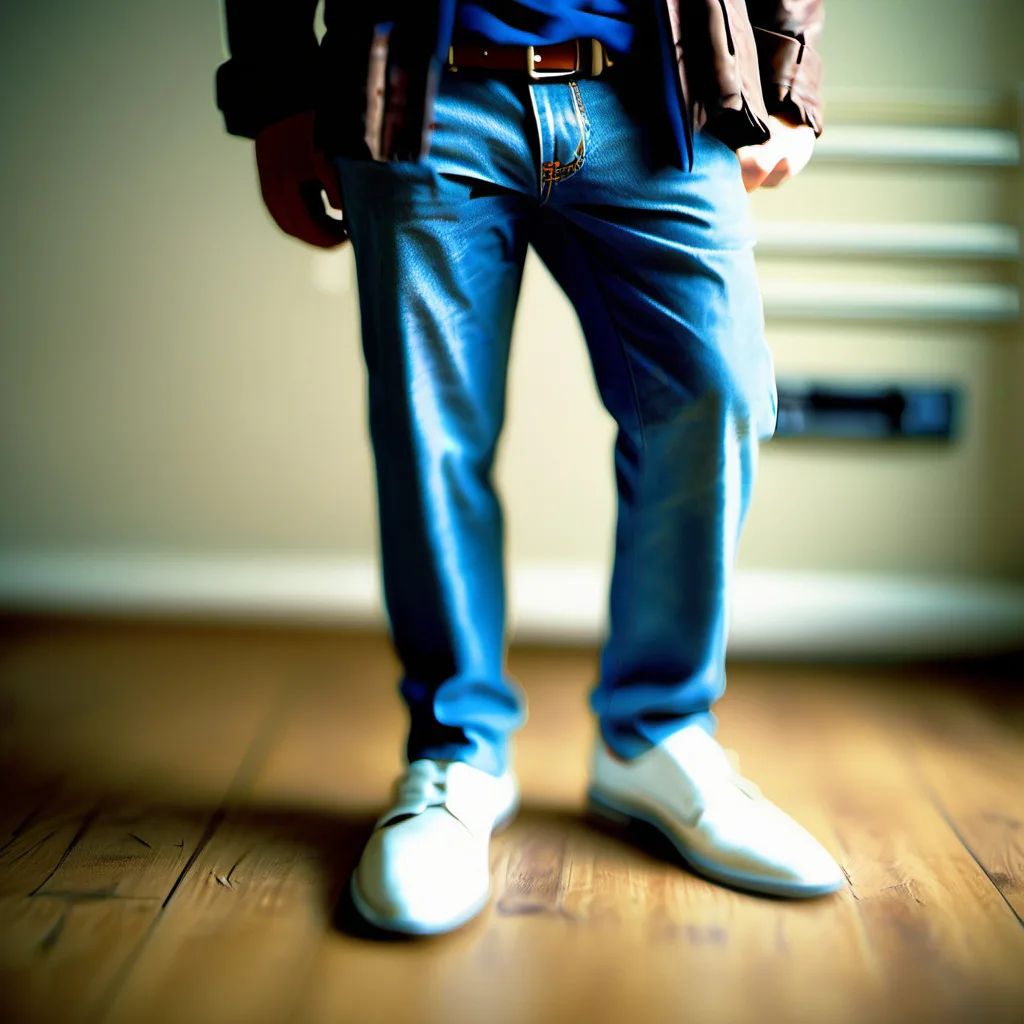
When I first told friends I was going to stop wearing pants altogether, the reactions ranged from amused curiosity to outright disbelief. The idea felt radical, yet it also seemed like a natural extension of the minimalist wardrobe experiments I had been running for years. This article chronicles the six‑month journey of living without traditional trousers, the practical adjustments I made, and the unexpected mental shifts that followed. My goal is not to persuade everyone to abandon pants, but to share a transparent, experience‑based perspective that might help anyone questioning clothing norms.
Why I Considered Going Pantless
The decision did not happen overnight. It started with a simple frustration: the constant tug of waistbands, the need to coordinate colors, and the feeling that pants were a default rather than a choice. I began researching historical and cultural contexts where lower‑body garments were optional or absent. From ancient Greek athletes to certain Indigenous communities, the precedent existed. I also examined modern movements like “no‑pants subway rides” and the rise of gender‑neutral fashion. The more I read, the more I realized that my attachment to pants was largely habitual, not functional. I set a personal rule: if I could go a full day without feeling physically uncomfortable or socially awkward, I would extend the experiment. That first day became the catalyst for a longer trial.
The First Week: Adjusting to Freedom
The initial seven days were a mix of liberation and logistical puzzles. Mornings felt faster because I eliminated the step of pulling on jeans or chinos. I replaced them with a rotation of long‑line tunics, oversized shirts, and lightweight wraps that covered the hips and thighs. The biggest surprise was how quickly my skin adapted to the airflow; the usual chafing from denim seams vanished. However, I quickly learned that not all fabrics breathe equally. Synthetic blends trapped heat, while linen and cotton blends kept me comfortable even in warm afternoons. I also discovered the importance of a secure waistband alternative — elasticated skirts, high‑waisted shorts, or a well‑fitted belt‑looped sarong — to keep everything in place during movement.
Navigating Social Norms and Work Environments
Social acceptance proved to be the most variable factor. In casual settings — coffee shops, parks, creative coworking spaces — people barely noticed. In more formal meetings, I opted for a tailored long coat paired with a structured tunic that mimicked the silhouette of a suit. My employer’s dress code was “business casual,” which gave me room to interpret. I communicated proactively with my manager, explaining the experiment as a personal wellness project. The response was supportive, and the team quickly normalized the look. For client‑facing days, I kept a spare pair of tailored trousers in my bag as a safety net, but I rarely needed them. The key takeaway: clear communication and a polished upper‑body presentation can bridge the gap between personal expression and professional expectations.
Weather, Temperature, and Practical Layering
Living in a four‑season climate forced me to develop a layering system that replaced the thermal insulation of pants. In autumn, I layered a merino wool base layer under a flowing midi dress, adding a knit cardigan for extra warmth. Winter required heavier fabrics: a quilted wrap skirt over thermal leggings, topped with a long wool coat. I found that the absence of a tight waistband actually improved circulation in cold weather, reducing the numbness I used to feel in my legs. Summer was the easiest — light linen wraps, breathable cotton tunics, and a wide‑brim hat kept me cool. The experiment taught me that temperature regulation is more about fabric choice and layering strategy than the presence of a specific garment.
Health Considerations: Skin, Circulation, and Hygiene
One of the most common questions I receive is whether going pantless affects skin health or circulation. In my experience, the removal of restrictive waistbands eliminated the pressure points that often cause indentations and reduced blood flow. I noticed fewer instances of “pins and needles” after sitting for long periods. Hygiene required a slight routine shift: I wash the lower‑body garments more frequently because they sit directly against the skin, but the overall laundry load stayed comparable because I own fewer items. I also pay closer attention to UV exposure on the thighs and calves, applying broad‑spectrum sunscreen when outdoors for extended periods. No medical issues arose, but anyone with specific dermatological conditions should consult a healthcare professional before making a similar change.
Wardrobe Redesign: Building a Pantless Capsule
Transitioning to a pantless wardrobe meant rethinking the capsule concept. I started with a color palette of neutrals — charcoal, olive, sand, and navy — to maximize mix‑and‑match potential. Core pieces include: three long‑line tunics (one silk, two cotton), two wrap skirts (mid‑length and maxi), one structured coat, two lightweight cardigans, and a set of high‑waisted shorts for active days. Accessories became the primary way to vary looks: belts, scarves, statement jewelry, and footwear ranging from loafers to ankle boots. The capsule now occupies half the closet space it once did, and decision fatigue in the morning has dropped dramatically. The financial upside is real — fewer purchases, higher‑quality fabrics, and longer garment lifespans.
Psychological Shifts: Confidence, Body Image, and Routine
Beyond the physical adjustments, the experiment reshaped my self‑perception. Without the daily ritual of pulling on pants, I became more aware of how clothing influences mood. On days I chose a flowing tunic, I felt expansive and creative; on days I wore a structured wrap, I felt focused and authoritative. The freedom to select coverage based on how I wanted to feel — rather than what society dictated — boosted confidence. I also noticed a reduction in body‑checking behaviors; the absence of a waistband meant I no longer subconsciously measured my midsection throughout the day. The routine became a mindful practice: each morning I ask, “What does my body need today?” and dress accordingly. This intentionality spilled over into other habits, like meal planning and movement breaks.
Lessons Learned and Tips for Anyone Curious
If you are considering a similar experiment, start small. Try a single pantless day on a weekend, using garments you already own. Observe comfort, temperature, and any social feedback. Invest in a few high‑quality, versatile pieces rather than a full overhaul. Communicate with people whose opinions matter — partners, supervisors, close friends — to set expectations. Keep a simple journal noting physical sensations, mood, and practical hiccups; patterns will emerge quickly. Remember that the goal is personal insight, not a permanent decree. You can always reintegrate pants for specific occasions. The most valuable outcome for me was the realization that clothing rules are often self‑imposed, and questioning them can open space for greater authenticity.
Travel, Transit, and Packing Light Without Pants
Navigating airports, train stations, and long-haul flights without traditional trousers requires a rethink of both security screening and in-transit comfort. Metal detectors and body scanners are calibrated for typical clothing layers; a flowing wrap skirt or long tunic rarely triggers additional pat-downs, but bulky layered wraps can raise flags. I keep a compact, foldable structured jacket in my carry-on to drape over my shoulders during screening — it reads as outerwear and speeds the process. For seating comfort on planes, I opt for a high-waisted, wide-leg culotte made from merino blend; it provides coverage without a restrictive waistband and compresses into a packing cube the size of a paperback. When riding overnight trains in Europe, I layer a silk base layer beneath a wool wrap skirt, adding a cashmere blanket that doubles as a pillow. The absence of belt loops means no digging into hips while slumped in a seat for eight hours. Edge case: some budget airlines enforce a strict “trousers or skirt” policy for crew; a tailored midi skirt with a hidden elastic panel satisfies the rule while preserving the pantless ethos. Packing list for a two-week trip: three interchangeable tunics, two wrap skirts (one midi, one maxi), one pair of high-waisted shorts, one lightweight cardigan, one packable down vest, and a scarf that converts to a head covering for religious sites. Total volume fits in a 30-liter backpack, leaving room for a laptop and toiletries.
Movement, Exercise, and Active Lifestyle Adaptations
Running, yoga, cycling, and weightlifting each demand different coverage and friction management. For early morning runs, I wear a pair of 5-inch inseam lined running shorts under a loose, moisture-wicking tunic that hits mid-thigh; the tunic prevents thigh chafing while the shorts provide liner support. In the gym, a high-waisted compression legging beneath a draped wrap skirt allows full squat depth without fabric bunching at the waist. Cycling to work in a city with bike lanes presented a unique challenge: chain grease and saddle friction. I solved it with a dedicated cycling wrap — a water-resistant, knee-length skirt with a hidden snap closure at the inner thigh that prevents flaring. For hot yoga, a lightweight linen sarong tied at the hip stays secure through inversions better than any elastic waistband I’ve tried. Edge case: rock climbing requires harness compatibility; I use a pair of stretch-woven culottes with a gusseted crotch and no side seams, which sit smoothly under a harness waist belt. Recovery days call for a floor-length cotton wrap that opens fully for foam rolling, eliminating the struggle of peeling off tight leggings. The key principle: match the garment’s structure to the movement’s range, not to a preset category like “pants” or “shorts.”
Intimate Moments, Dating, and Relationship Dynamics
Shifting to a pantless wardrobe reshapes physical intimacy in subtle but noticeable ways. Without the ritual of unbuttoning, unzipping, or shimmying off denim, transitions from dressed to undressed become fluid — a wrap skirt releases with a single tug, a tunic lifts overhead. This can reduce the performative friction that sometimes stalls spontaneity. On first dates, I’ve found that a structured midi wrap paired with a tailored blazer reads as polished and intentional, signaling confidence rather than eccentricity. Partners who initially expressed skepticism often adapt quickly; one noted that the absence of a waistband made cuddling on the couch more comfortable because there was no hard seam pressing into their side. Edge case: formal evening events with a dress code (black tie, cocktail) require a gown or tuxedo alternative. I commissioned a floor-length silk wrap dress with an internal corset boning that mimics a tuxedo’s structure while remaining pantless; it passes venue scrutiny and allows easy restroom access. For cohabiting partners, laundry logistics shift — fewer bulky items mean more washer space, but the increased frequency of washing skin-contact layers (tunics, wraps) can double the delicates load. A mesh laundry bag for silks and a dedicated wool cycle for merino keep the system manageable. Communication remains essential: a quick “I’m wearing a wrap today, just so you know” prevents surprise and reinforces mutual respect for bodily autonomy.
Accessibility, Disability, and Adaptive Clothing Solutions
For individuals with limited mobility, sensory processing differences, or medical devices, eliminating pants can be a functional upgrade rather than a style choice. A wheelchair user I interviewed replaced jeans with a custom-made wrap skirt featuring magnetic side closures; she can adjust coverage while seated without standing or twisting. The magnetic snaps align automatically, reducing fine-motor demand. For someone with an ostomy bag, a high-waisted wrap tunic with a discreet interior pocket positions the bag away from the waistband pressure point, eliminating leaks caused by tight elastic. People with sensory sensitivities often struggle with tags, seams, and restrictive bands; a seamless bamboo-viscose wrap dress with flat-lock stitching provides full lower-body coverage without any tactile triggers. Edge case: prosthetic leg users need garments that accommodate socket bulk and allow quick access for adjustments. A wrap skirt with a side Velcro panel that opens from hem to hip enables socket checks without full undressing. In clinical settings, hospital gowns are notoriously drafty; bringing a personal wrap robe made from antimicrobial fabric preserves dignity during extended stays. Caregivers report faster dressing times — averaging three minutes versus seven for traditional pants — which reduces morning stress for both parties. When sourcing adaptive pieces, look for brands that offer customizable closure placement, adjustable length hems, and fabric swatches for sensory testing before purchase.
Seasonal Transitions: The Shoulder-Season Strategy
Spring and autumn present the widest temperature swings — 12°C mornings, 22°C afternoons, sudden rain — making a static wardrobe inadequate. My shoulder-season system revolves around three modular layers: a merino tank base, a mid-weight wrap (wool crepe or cotton twill), and a water-resistant shell cape. The tank stays on all day; the wrap adds or sheds in seconds via a single hidden snap; the cape packs into its own pocket when the sun breaks through. Footwear anchors the look: waterproof ankle boots with a low heel transition from wet pavement to heated office without a shoe change. For unexpected cold snaps, I carry a packable down skirt — essentially a quilted wrap with a drawstring hem — that weighs 180 grams and adds 5°C of perceived warmth. Edge case: a day that starts with frost, moves to humid heat, then ends in a thunderstorm. The solution: base tank, linen wrap for breathability, cape for rain, and the down skirt stashed in a tote. When the storm passes, the cape folds into the tote, the down skirt compresses, and the linen wrap remains. This modularity eliminates the “carry a coat all day” burden. Fabric selection is critical: avoid polyester blends that trap sweat during warm spikes; favor temperature-regulating blends like merino-Tencel or hemp-cotton. A single well-chosen mid-layer can replace three separate garments, reducing decision fatigue and closet volume.
Long-Term Sustainability: Fabric Care, Repair, and Circular Wardrobe Practices
Extending the life of a pantless capsule demands different care routines than a denim-heavy wardrobe. Silk tunics and wool wraps require hand-washing or a dedicated wool cycle at 20°C with a pH-neutral detergent; I use a no-rinse wool wash that saves water and prevents felting. Linen wraps improve with each wash — they soften and develop a patina — so I machine-wash them on a gentle cycle and line-dry flat to avoid creasing. Stains on light-colored wraps are inevitable; a paste of baking soda and hydrogen peroxide applied for ten minutes before washing lifts most organic marks without bleach. For repairs, I keep a visible mending kit: sashiko thread, darning needles, and iron-on patches in matching neutrals. A torn hem on a wrap skirt becomes a design feature with contrasting stitching; a snag on a tunic sleeve gets a decorative embroidered motif. Edge case: a moth hole in a merino wrap. I freeze the garment for 72 hours to kill larvae, then darn with a matching yarn using a Swiss darning technique that replicates the knit structure. When a piece reaches true end-of-life, I upcycle: silk tunics become pocket squares or scarf linings; wool wraps become draft stoppers or pet beds. Cotton wraps shred into cleaning rags. Nothing enters landfill. Tracking cost-per-wear via a simple spreadsheet reveals that a $180 merino wrap worn 120 times costs $1.50 per wear — far less than a $60 pair of jeans worn 30 times. This data-driven approach reinforces the financial and ecological case for fewer, better garments.
Frequently Asked Questions
Is it socially acceptable to go without pants in a professional setting?
Acceptability depends on workplace culture and how you present the alternative. A polished upper‑body look, clear communication with management, and a fallback option (like a tailored pair of trousers in your bag) make the transition smoother. Many creative and tech environments are already flexible, while more traditional fields may require a gradual approach.
How do you handle cold weather without pants?
Layering is key. Thermal base layers, insulated wrap skirts, long coats, and wool accessories replace the insulation pants provide. Because there is no tight waistband, circulation often improves, which can actually keep you warmer.
Does going pantless cause skin irritation or hygiene issues?
In my experience, removing restrictive waistbands reduced chafing and pressure marks. Hygiene is maintained by washing the garments that contact skin more frequently. Applying sunscreen on exposed legs prevents UV damage. Consult a dermatologist if you have specific skin conditions.
What are the cost implications of a pantless wardrobe?
Initially you may invest in a few quality pieces, but the overall number of items drops. Fewer purchases, longer garment life, and reduced laundry loads can lower long‑term clothing expenses.
Can anyone try this, or is it only for certain body types?
The experiment is adaptable to any body type. The focus is on finding silhouettes and fabrics that make you feel comfortable and confident. Tailoring, adjustable wraps, and inclusive sizing brands make it accessible for a wide range of shapes.
Related posts:
 Wedgie-Free Sports Underwear
 The Return of ’90s Tearaway Pants: Why This Trend is Back
 Lunya Chunky Wool Review
 Allbirds’ Wool Loungers are the Comfiest Shoes You’ll Ever Own
 Irritation-Free Sweaters for Sensitive Skin
 Katie Holmes’ Winter Style
 PHA Bodyweight Workout: Efficient Fitness Anywhere, Anytime
 The Ultimate Capsule Wardrobe: 55 Essential Pieces for Every Woman