
The concept of Shinrin-yoku, or forest bathing, originated in Japan during the 1980s as a physiological and psychological response to the rapid urbanization of the era. It is not an exercise in the traditional sense; there is no hiking, no jogging, and no specific fitness goal. Instead, it is the simple, intentional practice of immersing oneself in a forest environment, engaging the senses to reconnect with the natural world. After spending a month integrating this practice into my weekly routine, I discovered that the forest acts as a quiet, biological reset button for a modern mind constantly tethered to screens and deadlines.
Key takeaways
- Leave your phone behind to disconnect from digital distractions and fully engage your senses in the natural environment.
- Focus on panoramic vision and listening to forest sounds to shift your brain from analytical stress to effortless, restorative calm.
- Choose a consistent sit spot to observe seasonal changes, which fosters a deeper connection to the local ecosystem and its rhythms.
- Aim for 30 to 60 minutes of slow, mindful movement, prioritizing sensory observation over distance or fitness goals.
The Science of Phytoncides and Stress Reduction
At the heart of forest bathing is the interaction between human biology and the chemical compounds released by trees. Trees and plants emit volatile organic compounds known as phytoncides—essential oils that serve as a defense mechanism against insects and rot. When we inhale these compounds in a forest setting, our bodies respond in measurable ways. Research suggests that exposure to these phytoncides can lower cortisol levels, reduce blood pressure, and enhance the activity of natural killer (NK) cells, which play a vital role in our immune system. Unlike a park or a manicured garden, a forest provides a complex, diverse ecosystem that appears to be uniquely effective in shifting the human nervous system from the sympathetic (fight-or-flight) state to the parasympathetic (rest-and-digest) state.
Setting Intentions Before Entering the Woods
Transitioning from a chaotic daily schedule to a forest environment requires a mental shift. Before I began my sessions, I found it necessary to leave my phone in the car or turn it off completely. The purpose of forest bathing is to move away from the expectation of productivity. I started setting a simple intention: to notice three specific sounds, three textures, and three distinct smells during my hour-long walk. By establishing these sensory anchors, I prevented my mind from wandering back to my email inbox or the logistics of the coming week. This intentionality is what separates a casual walk in the woods from the therapeutic practice of Shinrin-yoku.
The Art of Sensory Immersion
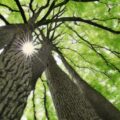
The core of the practice lies in the sensory experience. When you enter the forest, try to engage your senses one by one. Start with sight: look at the way light filters through the canopy, creating a phenomenon known as “komorebi,” or sunlight leaking through trees. Move to your sense of touch: feel the rough bark of a pine tree, the cool moisture of a mossy rock, or the crunch of dried leaves under your boots. Listen for the subtle layers of sound, from the wind rustling through the high branches to the distant chirping of birds. By grounding yourself in these immediate sensations, you draw your focus away from internal rumination and toward the present moment.
Navigating the Challenges of Stillness
The most difficult aspect of my first few sessions was the discomfort of stillness. Modern life conditions us to constantly seek stimulation; sitting on a log for twenty minutes without a book or a podcast felt incredibly unnatural. In the beginning, I felt restless and bored. However, I learned that this boredom is often a precursor to deeper mindfulness. Once the initial urge to “do something” faded, I began to notice the minute details of the forest—the movement of an ant, the changing patterns of shadows, the scent of damp earth. Embracing this silence is a skill that requires patience, but it is essential for the restorative benefits of the practice.
Forest Bathing in Different Seasons
One of the beauties of forest bathing is that it is a year-round practice. Each season offers a different sensory landscape. In the spring, the forest feels vibrant and awakening, filled with the scent of budding leaves and damp soil. Summer offers the dense, cooling shade of a full canopy. Autumn provides a visual explosion of color and the grounding scent of decay and transition, while winter reveals the architecture of the trees and a profound, quiet stillness. Learning to appreciate the forest in all its phases helped me develop a deeper sense of cyclical living, reminding me that change is a natural and necessary part of existence.
Practical Tips for Your First Session
If you are planning your first forest bathing excursion, start small. You do not need an ancient, deep forest to begin; a local woodland or a quiet, tree-dense park will suffice. Aim for 30 to 60 minutes. Wear comfortable clothing that allows you to sit on the ground or lean against trees without worry. Bring a light layer, as temperatures in the forest are often cooler than in open areas. Most importantly, abandon the idea of a destination. Do not worry about how far you have walked or how much ground you have covered. Walk slowly, stop often, and allow your curiosity to guide your path.
Integrating Nature into Urban Environments
If you live in a city, you might feel that forest bathing is inaccessible. While deep woods are ideal, you can approximate the experience by finding “pockets of nature.” Seek out botanical gardens, arboretums, or city parks that have mature tree populations. Even spending time beneath a large, established tree in your neighborhood can provide a sense of connection. The key is to find a place where the noise of traffic and human activity is minimized. Focus on the trees, observe the interplay of light and shadow, and practice the same deliberate breathing and sensory engagement you would use in a remote forest.
Long-term Benefits and Mental Clarity
After a month of consistent practice, the benefits became clear. I found that my ability to concentrate during work hours improved, and my baseline stress levels felt more manageable. The practice served as a form of meditation that required no specific training—only a willingness to be present. Forest bathing does not solve the problems of daily life, but it provides the mental space and clarity to face those problems with a more balanced perspective. It is a reminder that we are biological beings who thrive in nature, and that returning to these environments is not a luxury, but a fundamental need for our long-term health.
The Anatomy of a “Sit Spot”: Creating a Dedicated Sanctuary
While wandering is a primary component of forest bathing, establishing a “sit spot” can significantly deepen your relationship with a specific patch of wilderness. A sit spot is a designated location you return to repeatedly, allowing you to witness the micro-changes in that exact square meter of earth. To choose one, look for a place that offers a sense of safety—perhaps the base of a large oak or a sheltered hollow away from high-traffic trails. By returning to the same tree, rock, or clearing, you move from being a visitor to becoming a participant in that local ecosystem. You will begin to notice the specific schedule of the local wildlife: the squirrel that passes by at 9:00 AM, the hawk that circles the canopy at midday, and the shifting patterns of moss growth. This repetitive engagement trains the brain to recognize patterns and rhythms that are usually invisible to the casual observer, fostering a profound sense of place-attachment that acts as a powerful antidote to modern transience.
Understanding the Microbiome and Soil-Health Connection
Beyond phytoncides, there is an emerging body of research surrounding the “Old Friends” hypothesis, which suggests that our immune systems evolved in constant contact with the diverse microbes found in soil. Modern, sanitized indoor environments have drastically reduced our exposure to these beneficial bacteria, which are essential for regulating our immune responses. When you engage in forest bathing—especially if you sit directly on the forest floor or touch the damp earth—you are re-establishing contact with these ancestral microbial landscapes. This biological “re-wilding” is not about getting dirty for the sake of it, but about allowing your system to interact with a complex, healthy biome. Studies indicate that simple skin contact with soil-based organisms can influence serotonin production, potentially improving mood and resilience. When choosing your forest bathing spot, look for areas with rich, dark soil or healthy leaf litter, as these are the most biologically active zones.
The Role of Circadian Alignment and Light Exposure
Forest bathing serves as a powerful tool for correcting circadian rhythm disruptions caused by artificial blue light exposure. When you spend time under a forest canopy, you are bathed in “filtered” light. The spectrum of light that reaches the forest floor is softer and more balanced than the harsh, concentrated light of office LEDs or smartphone screens. This natural light exposure, particularly in the early morning or late afternoon, signals the pineal gland to regulate melatonin production effectively. By integrating forest bathing into your morning routine, you essentially “set” your internal clock, which can lead to improved sleep quality at night. To maximize this, try to visit your forest site during the “golden hours” of dawn or dusk. The low angle of the sun through the trees provides a visual experience that is inherently calming, signaling to your nervous system that the day is transitioning, which encourages a natural winding-down of the sympathetic nervous system.
Developing “Soft Fascination” Through Visual Scanning
Psychologists distinguish between “directed attention,” which is the effortful focus we use for work and problem-solving, and “soft fascination,” a state where our attention is held by nature without effort. Forest bathing is the ultimate practice of soft fascination. To cultivate this, practice a technique called “panoramic vision.” Instead of focusing your gaze on a single point, soften your eyes to take in the entire periphery of your view. Allow your gaze to drift over the textures of tree bark, the sway of leaves, and the depth of the forest floor without locking onto any one detail. This type of visual processing is fundamentally different from the narrow, high-intensity focus required by digital screens. By engaging in panoramic scanning, you allow your brain to enter a state of effortless alert, which has been shown to reduce cognitive fatigue and restore the capacity for deep, analytical thought when you return to your professional tasks.
The Impact of Acoustic Ecology on Neural Restoration
The sounds of a forest—often referred to as “biophony”—are not merely background noise; they are complex acoustic environments that have been linked to reduced physiological stress. Unlike the constant, low-frequency hum of traffic or the unpredictable, sharp noises of an urban environment, forest sounds like rustling leaves, wind, and birdsong are fractal in nature. Fractal patterns, which repeat at different scales, are inherently pleasing to the human brain and require less processing power to interpret. To tap into this, try a “sound walk” during your session. Close your eyes and attempt to categorize the sounds you hear by distance: the immediate sound of your own breath, the medium-range sound of a rustling branch, and the distant, layered sounds of the wider landscape. This exercise forces the brain to shift from analytical, verbal processing to spatial, auditory processing, effectively quieting the “inner critic” and the narrative-driven anxieties that typically dominate our thoughts.
Overcoming Seasonal Affective Challenges and Cold-Weather Hesitation
Many practitioners abandon forest bathing when the weather turns cold, viewing it as a fair-weather activity. However, winter forest bathing offers unique benefits that summer cannot provide. The lack of foliage in winter increases the amount of available light, and the cold air acts as a natural stimulant, increasing alertness and metabolic activity. The key to successful cold-weather sessions is preparation: invest in high-quality wool base layers and insulated, waterproof seating pads so that you can remain stationary without losing body heat. When you sit in the cold, your body must work to maintain homeostasis, which can actually strengthen your resilience to stressors. Furthermore, the silence of a winter forest is deeper and more profound than in any other season, offering a level of sensory deprivation that can lead to deeper states of meditative introspection. Treat the cold as a component of the experience rather than an obstacle to be avoided.
Frequently Asked Questions
Is forest bathing the same as hiking? No. Hiking is a form of exercise focused on movement, distance, and cardiovascular health. Forest bathing is a meditative practice focused on stillness, sensory perception, and psychological restoration. You are encouraged to walk as little as possible to maintain a state of observation.
How long should a forest bathing session last? While there is no strict rule, research suggests that 30 to 60 minutes is sufficient to experience the stress-reducing benefits of phytoncides. Many people find that they need at least 20 minutes just to settle into the environment before they begin to feel the deeper effects.
Do I need to be in a deep, remote wilderness to benefit? Not necessarily. While a deep forest offers more biodiversity and fewer human-made noises, you can practice in any area with a significant number of trees. The quality of your engagement—your ability to focus on the sensory input—is more important than the location.
What should I do if I feel bored or restless? It is perfectly normal to feel restless at first. Acknowledge the feeling without judgment and try to return your attention to a sensory detail, such as the smell of the air or the texture of a leaf. The restlessness is often just your brain adjusting to the lack of constant digital stimulation.
Can I practice forest bathing with others? While the practice is traditionally solitary to minimize distractions, it can be done with others if you agree to remain silent and move at a slow, meditative pace. Sharing the experience in silence can be a powerful way to bond with a partner or friend without the need for conversation.
Related posts:
 Mini Indoor Trees for Your Home
 The Australian Cult Classic That’s About to Replace Your Entire Medicine Cabinet
 Minimalist Christmas Tree
 Caring for Trees: Nurturing Nature’s Gentle Giants
 How Forest Bathing Can Improve Your Mental Health
 The Science Behind Tree Hugging
 Forest-Inspired Skincare That Connects You to Nature
 The Best Cold Brew Coffee Makers for a Refreshing Drink