I Tried Yoga for Heartbreak and Here’s What Happened
The world went monochrome the day my heart broke. It wasn’t just a metaphor; colors genuinely seemed to dull, music lost its melody, and the vibrant hum of life faded into a muffled drone. Heartbreak, I discovered, isn’t just an emotional wound; it’s a full-body assault. It manifests as a physical ache in your chest, a constant knot in your stomach, sleepless nights, and days spent in a fog of grief and confusion. I was adrift, untethered, and desperately searching for an anchor.
In the depths of my despair, a well-meaning friend suggested, “You should try yoga. It really helps with stress.” I scoffed. Yoga? Me? The person who couldn’t touch her toes, whose mind raced a thousand miles an hour, and who currently felt like a crumpled heap of human emotion? The idea seemed ludicrous, almost offensive in its simplicity. How could stretching and breathing possibly mend a shattered soul? Yet, with nothing left to lose and a desperate yearning for any semblance of peace, I reluctantly signed up for an introductory class. What followed was a journey I never anticipated, a profound healing that went far beyond the physical, transforming my heartbreak into a pathway for self-discovery and profound resilience.
The Crushing Weight of Heartbreak: My Starting Point
Before yoga, my existence was defined by the gaping void left by my broken relationship. Every morning felt like waking up to a fresh wound. My appetite vanished, my energy plummeted, and my once-vibrant social life dwindled to endless hours spent replaying conversations, dissecting memories, and questioning everything. My body, too, was a casualty. My shoulders were permanently hunched, my jaw clenched, and a persistent tension headache was my unwelcome companion. It felt as though my entire being was bracing for impact, perpetually on guard against another wave of pain.
I tried everything to escape the torment: endless Netflix binges, excessive comfort food, isolating myself from friends who meant well but couldn’t truly understand the depth of my agony. Each attempt was a temporary reprieve, followed by an even deeper plunge into despair. I was desperate for a solution, a magic pill to make the pain disappear. Yoga, at first, felt like a joke. A flimsy, New Agey suggestion for a wound that felt ancient and irreparable. But the alternative was to continue drowning, and something deep inside, a tiny spark of self-preservation, urged me to try something, anything, different.
From Skepticism to Sun Salutations: My First Forays into Yoga
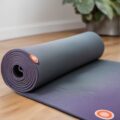
My first yoga class was a comedy of errors. I arrived late, fumbling with my mat, and feeling utterly out of place among the serene, flexible individuals who seemed to effortlessly glide into poses. I struggled with even the most basic movements, my limbs protesting, my balance non-existent. My mind, a chaotic symphony of regrets and anxieties, refused to quiet down. “Warrior Two? More like Worrier Two!” I thought sarcastically, as I wobbled precariously.
The instructor’s calm voice, guiding us to “release what no longer serves you,” felt almost mocking. How could I release a pain that had become my identity? Yet, something shifted during Savasana, the final resting pose. Lying there, eyes closed, the instructor’s gentle words about acceptance and compassion began to seep into the cracks of my hardened heart. A tear escaped, then another, until I was silently weeping on my mat. It wasn’t a cry of despair, but one of release. It was the first time in weeks I had allowed myself to truly feel, without judgment or the need to intellectualize the pain away. It was messy, uncomfortable, and profoundly real.
Unlocking the Body’s Grief: How Poses Released More Than Tension
I kept going back. Each class was a struggle, but also a revelation. I started noticing how much tension I held in my body. My hips, often tight and resistant, felt like repositories of unexpressed sadness. My shoulders, perpetually hunched, carried the weight of my emotional burdens. The physical act of stretching, twisting, and holding poses began to feel less like exercise and more like an excavation. As I deepened into a forward fold, I often felt a pang of sadness, followed by a surprising sense of relief.
Yoga taught me that grief isn’t just in the mind; it’s stored in the body, a silent language of distress. Poses like Pigeon Pose, known for opening the hips, often brought forth a wave of emotion. It was as if my body was finally given permission to cry the tears my mind had been suppressing. The mat became a safe space for this physical and emotional release. There was no judgment, only acceptance. I learned to listen to my body, to honor its signals, and to allow the physical practice to unlock the emotional blockages that had kept me stuck.
The Breath as an Anchor: Navigating Emotional Storms with Mindfulness
Perhaps the most transformative aspect of yoga for my heartbreak was the focus on breath, or pranayama. In the throes of emotional agony, my breath was shallow and erratic, mirroring my agitated state. Yoga taught me to consciously slow down, to inhale deeply, filling my lungs, and to exhale completely, releasing tension. The breath became my anchor in the storm of my emotions.
When my mind would inevitably wander back to painful memories, the instructor’s gentle reminder to “return to your breath” became a lifeline. It wasn’t about suppressing the thoughts or feelings, but about observing them without judgment, acknowledging their presence, and then gently guiding my awareness back to the steady rhythm of my inhale and exhale. This practice of mindfulness, cultivated on the mat, slowly began to extend into my daily life. I started to notice when I was spiraling, and instead of being consumed by it, I could consciously take a few deep breaths, creating a small space between myself and the overwhelming emotion. This space, however small, was where healing truly began.
Rebuilding from Within: Cultivating Self-Compassion and Inner Strength
As weeks turned into months, the yoga mat became less a place of struggle and more a sanctuary. I wasn’t just doing poses; I was building a relationship with myself. The self-criticism that had plagued me began to soften. I started to appreciate my body not for its perfection, but for its strength, its resilience, and its ability to carry me through such profound pain. The concept of self-compassion, often spoken in class, started to resonate deeply. I learned to treat myself with the same kindness and understanding I would offer a dear friend going through a difficult time.
Yoga taught me that healing isn’t about forgetting or moving on quickly; it’s about integrating the experience, finding strength in vulnerability, and rediscovering your own inherent worth. It taught me patience, not just with my body’s limitations, but with the slow, non-linear process of emotional recovery. I began to feel a quiet confidence growing within me, a sense of inner strength that wasn’t dependent on external validation or another person’s love. I was finding my own center, my own equilibrium, even amidst the lingering echoes of sorrow.
Beyond the Mat: A Healed Heart and a Brighter Future
The impact of yoga extended far beyond the studio walls. My sleep improved dramatically, replacing restless nights with deep, restorative rest. The constant knot in my stomach began to unravel. I felt more present in conversations, more engaged with the world around me. My relationships with friends and family deepened as I learned to communicate my needs and boundaries more effectively.
Most importantly, yoga helped me redefine my relationship with my heartbreak. It wasn’t a scar to be hidden, but a testament to my capacity for love and my incredible resilience. The pain hadn’t vanished entirely, but its sharp edges had softened, transforming into a gentle reminder of growth. I learned to sit with uncomfortable emotions, to acknowledge them without letting them consume me. I found a profound sense of peace not in the absence of pain, but in my ability to navigate it with grace and self-awareness.
My journey with yoga for heartbreak was not a quick fix, but a profound process of self-discovery and holistic healing. It taught me that sometimes, the most challenging moments in life can lead us to the most unexpected and beautiful transformations. If you’re navigating the desolate landscape of heartbreak, I wholeheartedly encourage you to step onto the mat. You might just find, as I did, that within the quiet stillness of your breath and the mindful movement of your body, lies the incredible power to heal, rebuild, and rediscover the vibrant, whole person you were always meant to be.
FAQ: Yoga for Heartbreak
- Q: How soon after a breakup can I start yoga for heartbreak?
- A: There’s no fixed timeline. Listen to your body and mind. If you feel drawn to it, even in your deepest grief, start with gentle, restorative classes. The key is to approach it with self-compassion, not as another task to conquer.
- Q: What type of yoga is best for emotional healing?
- A: Hatha, Restorative, Yin, and Vinyasa Flow are often recommended. Restorative and Yin focus on deep relaxation and holding poses longer, which can be great for releasing stored tension and emotions. Vinyasa can be helpful for moving stagnant energy. Ultimately, find a style and instructor that makes you feel safe and supported.
- Q: Will yoga make me cry more?
- A: It’s possible, and often a healthy part of the process. Yoga can create a safe space for emotional release. Tears are a natural way for the body to process grief and stress. Embrace these moments as opportunities for healing, not setbacks.
- Q: Do I need to be flexible or experienced to start?
- A: Absolutely not! Yoga is for every body and every level of experience. Focus on beginner classes, communicate any physical limitations to your instructor, and remember that yoga is a practice, not a performance. The most important thing is showing up and being present.
- Q: How often should I practice yoga for heartbreak to see results?
- A: Consistency is more important than intensity. Even 1-2 classes a week, combined with a few minutes of mindful breathing or gentle stretching at home, can make a significant difference. Listen to your body and adjust your practice as needed. The journey is personal and unique.