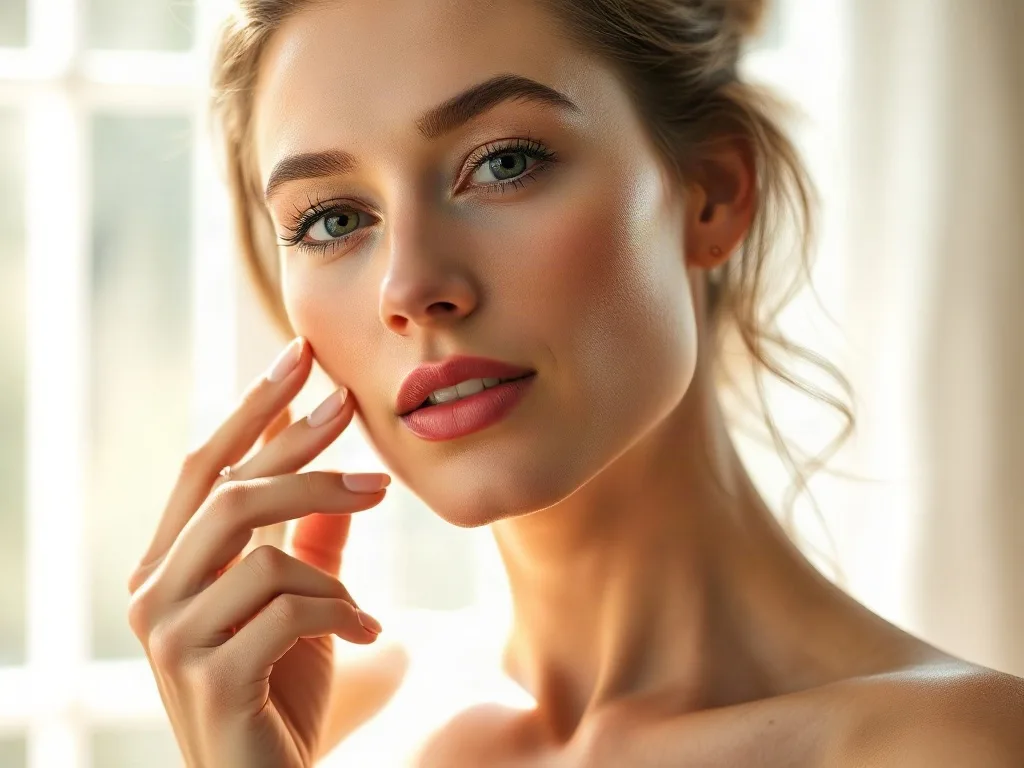
In the ever-evolving world of clean beauty, finding a foundation that delivers on both performance and principle can feel like a quest for the holy grail. It needs to offer buildable, skin-like coverage, last throughout the day, and do so with a formula you can feel good about. ILIA, a brand that has built its reputation at this exact intersection, recently introduced its latest offering: the True Skin Serum Foundation. Promising a “second-skin” finish with the nourishing benefits of a serum, it aims to redefine what a clean foundation can be. Having put it through its paces across various skin types and daily scenarios, this review delves deep into its application, wear, shade range, and whether it truly lives up to the serum foundation hype.
Key takeaways
- Pair with water-based or silicone-free primers and sunscreens to prevent the foundation from pilling or separating.
- Apply with fingers for a sheer finish or a dense synthetic brush for higher, buildable medium coverage.
- Select a shade carefully, as the formula typically oxidizes and settles about half a shade deeper after application.
- Use a pressing and patting motion rather than rubbing to ensure pigments melt into the skin properly.
- Prep skin with a light moisturizer first to prevent the formula from clinging to dry or flaky patches.
First Impressions and Packaging
ILIA’s packaging consistently reflects its minimalist, aesthetic ethos, and the True Skin Serum Foundation is no exception. Housed in a sturdy, frosted glass bottle with a sleek black pump, it feels substantial and travel-friendly. The pump dispenses a precise amount of product, minimizing waste—a small but appreciated detail. The foundation itself has a distinctive, herbal-earthy scent, courtesy of its natural ingredients like rosemary leaf and eucalyptus. It’s noticeable upon application but dissipates within seconds. For those sensitive to fragrance, even from natural sources, this is worth noting, though it’s far from the perfumed aroma of conventional foundations.
Formula Breakdown: What Makes It a “Serum” Foundation?
The “serum” moniker isn’t just marketing. ILIA has built this formula around a base of skincare actives designed to treat while you wear. Key ingredients include:
- Niacinamide: A superstar for regulating oil, minimizing pores, and improving skin barrier function.
- Allantoin: Soothes and calms irritation, making it suitable for reactive skin.
- Plant-Based Squalane: Provides lightweight hydration without greasiness.
- Jojoba Esters: Help create a smooth, blendable texture that doesn’t cling to dry patches.
The formula is free from silicones, which is a significant departure from many serum-style foundations that rely on dimethicone for that slippery slip. Instead, ILIA uses a blend of oils and esters. This results in a consistency that’s fluid and runny—truly serum-like—but not oily. It’s vegan, cruelty-free, and contains over 90% natural origin ingredients. The lack of silicones means it behaves differently on the skin and with other products, which we’ll explore in application.
Shade Range and Finding Your Match
ILIA offers the True Skin Serum Foundation in 30 shades, a commendable range for a clean beauty brand. The shades are divided into three undertone categories: Cool (C), Neutral (N), and Warm (W). The numbering system is relatively intuitive, with lower numbers being lighter. Our testing found the online swatches on ILIA’s website to be fairly accurate, but as with any foundation, there’s a learning curve.
Pro Tip: If you’re between shades, ILIA suggests mixing them, and the fluid formula makes this easy. For example, if you have a neutral-leaning cool undertone, mixing a C and an N shade can create a perfect custom match. The foundation does oxidize slightly as it dries down, settling about half a shade deeper than when first applied. It’s advisable to test a shade for 10-15 minutes before finalizing your match.
Application Methods: Brush, Sponge, or Fingers?
The silicone-free formula requires a slight adjustment in application technique. Here’s how it performed with different tools:
- Fingers: Warming the foundation between your fingers works beautifully. It sheers out effortlessly and melts into the skin, giving the most natural, “no-makeup” finish. This method maximizes the serum-like feel.
- Damp Beauty Sponge: A slightly damp sponge (like the Beautyblender) provides light to medium coverage with a dewy, hydrated finish. It’s excellent for avoiding over-application and seamlessly blending edges.
- Foundation Brush: Use a synthetic, dense flat-top or buffing brush. Stippling or buffing motions work better than dragging, as the formula can soak into brush bristles quickly. This method offers the highest coverage.
A universal recommendation: apply to well-moisturized skin. Because it lacks silicones, it doesn’t “glide” over dry or flaky areas. It performs best on skin that’s been prepped with a light moisturizer or hydrating serum.
Coverage, Finish, and Wear Time
This is where the True Skin Serum Foundation truly shines. It offers buildable light-to-medium coverage. One layer evens out redness and minor discoloration for a truly your-skin-but-better look. A second layer can be added to cover more pronounced spots or hyperpigmentation without caking.
The finish is a natural, healthy satin with a subtle luminosity. It’s not matte, nor is it overly dewy. It mimics the look of hydrated, healthy skin. On combination skin, it leaves the T-zone with a natural glow without turning greasy, while keeping drier cheeks looking plump.
Wear Time: Over an 8-10 hour day, the foundation wears exceptionally well. It doesn’t break up or settle heavily into fine lines. On oilier skin types, you will see some shine in the T-zone around the 5-6 hour mark, but it’s a manageable, natural-looking shine rather than a meltdown. A quick blot or a dusting of powder easily restores the finish. It fades gracefully, becoming even more skin-like as the day goes on.
How It Plays With Other Products
Primer and skincare compatibility is crucial. Given its water-based and silicone-free nature, it’s best paired with similar primers. Water-based or gel primers (like ILIA’s own Priming Serum or the Milk Makeup Hydro Grip) work in harmony. Heavy, silicone-based primers can cause the foundation to pill or separate. The same rule applies to sunscreen. A light, fluid sunscreen (mineral or chemical) absorbs well underneath. A thick, greasy sunscreen can disrupt the foundation’s adherence.
For setting, a light dusting of silica-based translucent powder locks it in without dulling the finish. Cream blushes and bronzers blend beautifully over it, enhancing the skin-like effect.
Skin Type Suitability: Who Will Love It Most?
Dry to Normal Skin: This foundation is a dream. The hydrating ingredients and satin finish prevent any cakiness or emphasis on dry patches, providing all-day comfort.
Combination Skin: An excellent match. The niacinamide helps control oil in the T-zone while the squalane hydrates drier areas. You get a balanced, unified finish.
Oily Skin: It can work with proper prep. Use a mattifying primer in the T-zone and plan for blotting or powdering midday. The finish will be more natural than matte.
Sensitive or Acne-Prone Skin: The non-comedogenic formula and soothing ingredients like allantoin make it a good candidate. However, always patch-test due to the essential oil-derived scent.
Comparison to Other ILIA Foundations
ILIA already has two hero foundations: the Super Serum Skin Tint (sheer, SPF 40) and the Limitless Foundation (fuller coverage, matte finish). Where does True Skin fit?
- Vs. Super Serum Skin Tint: True Skin offers more coverage and pigment. It’s for days when you want more evening out than a tint can provide, but not the full coverage of Limitless. It has no SPF.
- Vs. Limitless Foundation: True Skin is lighter in texture, more hydrating, and has a satin finish versus Limitless’s matte. It’s the middle ground—more coverage than Skin Tint, more skin-like than Limitless.
Think of it as your go-to for everyday, professional settings, or when you want your makeup to look and feel like skincare.
Final Verdict: Is It Worth the Investment?
The ILIA True Skin Serum Foundation succeeds in its mission to deliver a genuinely skin-improving, natural-looking base. Its strengths are its flexible, buildable coverage, elegant satin finish, and thoughtfully clean ingredient list. It feels weightless and comfortable, aligning perfectly with the modern desire for makeup that enhances rather than masks.
The considerations are its scent (for the sensitive), the need for silicone-free product pairing, and the slight oxidation. It’s also priced at a premium point, which is standard for the clean luxury category.
If your priority is a foundation that performs like high-end makeup while adhering to a strict clean beauty standard, this is a standout choice. It’s particularly transformative for those with dry to combination skin seeking hydration and a realistic finish. It’s less ideal for those who prefer a fully matte, full-coverage look or routinely use heavy silicone-based primers.
The Silicone-Free Reality: Reformulating Your Makeup Technique
Most modern foundations rely on silicones like dimethicone or cyclopentasiloxane for their slip—that effortless glide during application that fills pores and smooths texture. ILIA’s deliberate omission of these ingredients isn’t just a clean beauty checkbox; it fundamentally changes how the product interacts with your skin and tools. Without silicones to create a barrier, the foundation behaves more like a treatment serum, bonding directly with your skin’s surface and the products beneath it. This means application requires a mindset shift: think “pressing and patting” rather than “buffing and blending.” When you rub traditional foundations, the silicones help distribute pigment evenly. With True Skin, rubbing can disrupt the delicate emulsion, causing it to separate or “pill” as water-based and oil-based components split. The ideal technique involves dispensing a small amount (half a pump is often sufficient for full face coverage), warming it between your fingers to emulsify it further, then gently pressing and patting it onto the skin, working in sections. This method encourages the pigment to melt into the skin rather than sit on top, achieving that promised “second-skin” effect. It’s a more deliberate process, but one that yields a uniquely natural finish unattainable with silicone-heavy formulas.
Advanced Layering: Building Coverage Without the Cake
The term “buildable” gets thrown around frequently, but ILIA’s serum foundation demonstrates a masterclass in intelligent layering. Its fluid texture might suggest limitations, but strategic application allows you to navigate from a sheer veil to a solid medium coverage. The key is understanding its drying time and composition. Unlike fast-setting matte foundations, True Skin has a longer “open time” due to its serum base, giving you a window to work. For light coverage, apply one layer with a damp sponge, bouncing it evenly across the face. To build, wait 60-90 seconds for that layer to set—it won’t dry completely but will lose its wet shine. Then, using your finger or sponge, apply a second layer only where needed: over redness around the nose, under-eye darkness, or post-acne marks. Because the formula is so thin, this spot-layering avoids the heavy, mask-like feel. An advanced trick for covering persistent redness or hyperpigmentation: mix a tiny drop of the foundation with a pea-sized amount of your moisturizer on the back of your hand to create a pigmented corrector. Apply this hybrid product to discolored areas before your overall foundation layer. This color-corrects with hydration, allowing you to use less foundation overall and maintain a skin-like texture while neutralizing stronger tones.
Climate and Environment Performance: From Dry Winter to Humid Summer
How a foundation performs in controlled room conditions is one thing; how it survives real-world weather is another. True Skin Serum Foundation exhibits notable adaptability, though with specific considerations. In dry, cold climates (think winter indoor heating or desert air), its hydrating ingredients are a major asset. The plant-based squalane and jojoba esters act as humectants, helping skin retain moisture. Here, the foundation can actually improve in appearance throughout the day, settling into a more seamless, plump finish as it interacts with your skincare. However, in extremely dry conditions, ensure your moisturizer is rich and fully absorbed—a thin, gel-based moisturizer might not provide enough of a buffer, and the foundation could emphasize any micro-flakes. In hot, humid climates, the niacinamide content proves its worth by helping regulate sebum production. The foundation resists complete breakdown or sliding, instead transitioning to a more dewy, glazed finish. Sweat will cause it to thin gradually rather than streak dramatically. For extended wear in humidity, a light setting spray with film-forming polymers (like the Charlotte Tilbury Airbrush Flawless Setting Spray) can create a protective, breathable barrier without clogging pores. Interestingly, in polluted urban environments, the antioxidant-rich formula (thanks to rosemary and eucalyptus) may offer a minor protective benefit, though it’s no substitute for a dedicated antioxidant serum. The satin finish also tends to attract less airborne dust than a sticky, fully dewy finish might.
The Chemistry of Pairing: Skincare, Sunscreen, and Primer Compatibility
Navigating product layering with a silicone-free foundation requires understanding basic cosmetic chemistry. The golden rule is “like with like”: water-based products work best with other water-based products. But many modern skincare products are complex emulsions. To test compatibility, apply your morning skincare (serum, moisturizer, sunscreen) as usual. Wait the recommended time for absorption. Then, with a clean finger, gently rub a small area of your cheek in a circular motion for 5-10 seconds. If you see any rolling or pilling, your skincare layers haven’t fully integrated or contain incompatible ingredients (often heavy silicones or certain polymers). For True Skin, ideal skincare partners are lightweight, fast-absorbing formulas. Vitamin C serums? A water-based L-ascorbic acid formula is fine; an oily serum might cause separation. Hyaluronic acid? Perfect—it’s hydrophilic and plays well with the foundation’s water base. Regarding sunscreen, mineral options with a zinc oxide or titanium dioxide base are generally safe if they have a fluid, milky consistency. Thick, white cast-prone physical sunscreens can ball up. Chemical sunscreens are trickier; avoid those with high concentrations of avobenzone paired with octocrylene unless the formula is very elegant, as they can create a greasy film. The safest bet is to use a moisturizer with SPF or a dedicated sunscreen that dries down completely to a non-tacky finish. As for primer, you might not need one. The foundation’s serum base acts as its own gripping agent on well-prepped skin. If you desire extra longevity, a hydrating primer spray or a micro-thin layer of a gripping gel primer (applied sparingly and given a full minute to become tacky) will work without disrupting the formula.
Long-Term Wear Observations: Oxidation, Touch-Ups, and Fade Patterns
Beyond the 8-hour mark, True Skin reveals its true character. The slight oxidation noted upon initial application (a common trait with natural ingredient-based formulas as they interact with air and skin pH) stabilizes and does not progress further throughout the day. The foundation fades in a highly controlled, aesthetically pleasing manner. Instead of patchy disappearance, it undergoes a gradual thinning, becoming more translucent. This means that if you have applied it unevenly (heavier on blemishes, lighter elsewhere), that discrepancy becomes less noticeable over time, not more. For touch-ups, adding a fresh layer of foundation over itself after several hours can sometimes cause caking. A better method is to first blot away any excess oil with a blotting paper or tissue. Then, using a damp makeup sponge, gently press and roll over areas where coverage has faded—the moisture will reactivate the underlying product and blend it with a minuscule amount of pigment lifted from the sponge’s surface. For a true mid-day refresh, carrying a small sample vial of the foundation allows you to mix a drop with a drop of your facial mist or moisturizer on your hand, creating a custom tinted moisturizer to press over faded areas. This seamlessly melds with the existing base. An interesting observation: on mature skin with finer lines, the foundation tends to “settle” less than many traditional formulas because it lacks the heavy pigments and silicones that migrate into creases. Instead, it may form a very fine, almost imperceptible mesh on the skin’s surface that moves with expressions.
Economic and Practical Considerations: Cost-Per-Use and Shelf Life
At a premium price point, understanding the foundation’s efficiency is key. The fluid, runny texture means a little goes a surprisingly long way. A single full pump is often too much product for the entire face; most users find a half-pump sufficient. This extends the bottle’s life considerably. Under normal daily use (half-pump, five days a week), one bottle can last 5-6 months, bringing the cost-per-use into a more reasonable range. The packaging is also designed to minimize waste—the pump mechanism is effective at drawing nearly all product from the bottle. To get the last remnants, you can remove the pump mechanism (it screws off) and use a small silicone spatula to scoop out the remaining foundation, which can be decanted into a travel container. Regarding shelf life, the high percentage of natural origin ingredients and absence of strong synthetic preservatives means it’s best used within 12 months of opening. Store it in a cool, dry place away from direct sunlight to prevent the oils from turning rancid. Signs of expiration include a noticeable change in scent (becoming sharper or sour), a separation that doesn’t re-mix with vigorous shaking, or a change in texture becoming stringy or clumpy. Because it’s a serum hybrid, its active ingredients like niacinamide will also degrade over time, reducing the skincare benefits.
Creative Makeup Applications: Beyond the Traditional Base
True Skin’s unique formula opens doors for creative uses beyond an all-over foundation. Its serum-like consistency and skin-treatment ingredients make it a versatile multitasker. As a tinted primer: Mix one drop with your regular moisturizer for a sheer wash of color that unifies the complexion under a fuller-coverage foundation (from another brand) for special events. This adds a hydrating, skin-loving layer. For body makeup: Its natural finish and blendability make it excellent for covering bruises, scars, or redness on the décolletage, shoulders, or hands for photography or special occasions. It won’t transfer as heavily as thicker body foundations. As a cream contour or bronzer base: Purchase a shade 2-3 tones deeper than your skin tone. Mix a tiny amount with a drop of facial oil to create a sheer, blendable cream bronzer that melts into the skin without the grey undertones some contour products have. For men’s grooming: The natural, scent-free (after initial application) finish and skincare benefits make it an excellent option for men seeking subtle evening of skin tone without a “makeup” look. Applied sparingly with fingers, it reduces redness from shaving or rosacea invisibly. In professional makeup kits: Makeup artists appreciate it for “skin editing”—using different shades to subtly correct and shape the face without heavy layers. Its blendability between shades is exceptional, allowing for custom mixing to match any client’s neck and chest perfectly, avoiding the dreaded foundation line.
Frequently Asked Questions (FAQ)
1. Does the ILIA True Skin Serum Foundation contain SPF?
No, unlike ILIA’s Super Serum Skin Tint, this foundation does not contain SPF. You should always apply a separate broad-spectrum sunscreen as the final step of your skincare routine before foundation for adequate sun protection.
2. Is it suitable for very oily skin?
It can work with strategic application. Use a mattifying, water-based primer on oily zones, apply the foundation sparingly in those areas, and set with a translucent powder. Expect to blot for shine control midday. If you have extremely oily skin and prefer a completely matte, long-wearing finish, a dedicated matte foundation might be a better primary option.
3. How do I prevent it from pilling?
Pilling is often a sign of product incompatibility. Ensure your skincare (especially moisturizer and sunscreen) is fully absorbed before applying foundation. Avoid layering heavy, silicone-based products underneath. Apply using pressing or stippling motions rather than rubbing. Using your fingers or a damp sponge often minimizes pilling compared to some brushes.
4. Can it cover acne scars or rosacea?
It offers buildable medium coverage. It will significantly reduce the appearance of redness and lighter post-acne marks. For raised texture or very dark spots, you will likely need a dedicated concealer layered sparingly on top. Its strength is in overall evening and perfecting, not as a full camouflage.
5. How does the shade range hold up for very deep or very fair skin tones?
The 30-shade range does a good job of catering to both ends of the spectrum. For very fair skin (e.g., porcelain with cool or neutral undertones), shades like ST0 (C) or ST0.5 (N) are available. On the deep end, shades like SF9 (W) offer rich depth. However, as with any line, those with extremely unique undertones (like very olive fair skin or very cool deep skin) may need to mix shades to achieve a perfect match.
Related posts:
 The Key Differences Between Serums, Oils, Moisturizers, and Balms
 Natural Face Sunscreens Guide
 Proper Order of Skincare Application
 Foundation’s Impact on Skin
 Best Whipped Foundations
 Gemstones in Skincare
 Rael and Good Chemistry Advanced Antioxidant Serum Review
 Spring Awakening: The Hydrating Serums Your Winter Skin Is Craving