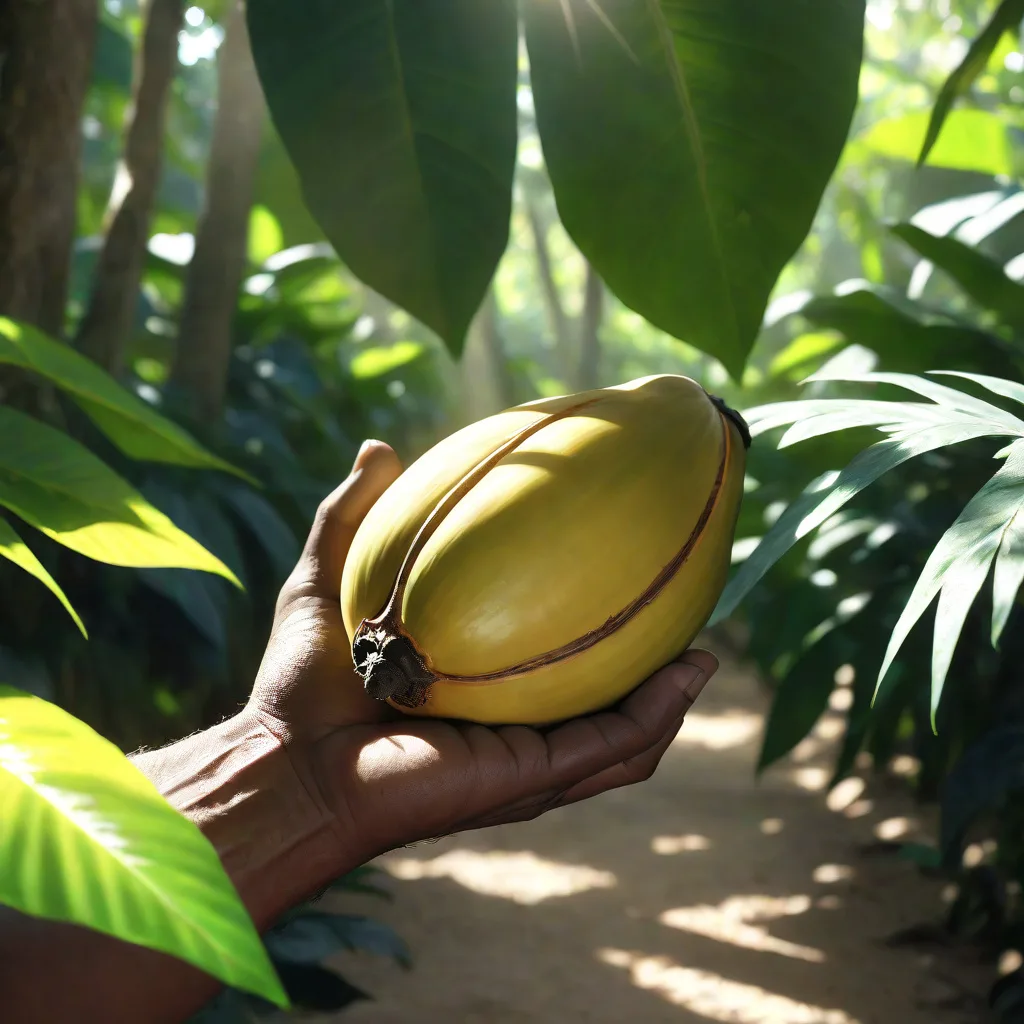
The global chocolate industry is a complex web of supply chains, economic pressures, and environmental challenges. At the heart of this industry lies the cacao bean, a small seed that holds the power to transform economies and devastate ecosystems. In the context of emerging sustainable models, the concept of “Inaru’s Cocoa Impact” represents a holistic approach to how we consume, produce, and value chocolate. It is not merely about the flavor profile of a bar, but about the ripple effect that a single purchase has on the soil, the farmer, and the future of our planet. Understanding this impact requires us to look beyond the shiny wrappers and dive into the ethics of regenerative agriculture and social equity.
Key takeaways
- Support direct trade models that bypass middlemen to ensure cacao farmers receive a living wage for their harvest.
- Choose shade-grown or bird-friendly cocoa to support agroforestry systems that protect soil health and increase carbon sequestration.
- Prioritize single-origin chocolate and transparent brands to ensure ethical sourcing and better quality beans from specific cooperatives.
- Look for brands using technology like blockchain to provide verifiable data on the bean's journey from farm to bar.
The Socio-Economic Ripple Effect in Cacao Farming
For decades, the cocoa industry has been plagued by systemic issues, including unfair pricing and child labor. When we discuss the impact of a specific model like Inaru’s, we are looking at how a shift in purchasing power can stabilize rural communities. In many cacao-growing regions, particularly in West Africa and parts of Latin America, farmers live on the edge of poverty due to volatile market prices set by large commodity exchanges.
A positive impact model focuses on “direct trade.” This means bypassing traditional middlemen to ensure a larger percentage of the final retail price goes directly into the hands of the growers. When farmers earn a living wage, they can invest in their own land, education for their children, and better housing. This creates a virtuous cycle: economic stability leads to community development, which in turn leads to more resilient farming practices. For example, a farmer who is not struggling for survival is more likely to invest in organic fertilizers or shade-grown techniques that protect the long-term health of their farm.
Regenerative Agriculture: Healing the Soil with Cocoa
Cocoa is a sensitive crop. It thrives in specific microclimates, often under the canopy of larger trees. However, the industrial push for high yields has historically led to monoculture farming—planting nothing but cacao trees in vast, sun-scorched fields. This practice strips the soil of nutrients, increases erosion, and destroys biodiversity.
The Inaru approach emphasizes regenerative agriculture. This involves moving away from chemical-heavy monocultures and toward agroforestry systems. In an agroforestry model, cacao trees are interplanted with fruit trees, nitrogen-fixing legumes, and native timber species. This mimicry of a natural forest provides several benefits:
- Nutrient Cycling: Falling leaves from diverse tree species create a natural mulch, returning organic matter to the soil.
- Pest Management: A biodiverse environment encourages natural predators of cacao pests, reducing the need for synthetic pesticides.
- Carbon Sequestration: Diverse forests are significantly more effective at pulling carbon dioxide from the atmosphere than single-crop fields.
By prioritizing these methods, the impact of cocoa production shifts from being a driver of deforestation to a tool for reforestation and climate mitigation.
The Biodiversity Connection: Cocoa as a Forest Guardian
One of the most significant environmental impacts of cocoa is its relationship with forest cover. Traditional intensive farming is a leading cause of tropical deforestation. When we choose cocoa that is certified under high-standard ecological frameworks, we are essentially voting for the preservation of tropical rainforests.
Agroforestry cocoa acts as a bridge between agricultural land and wild habitats. These “cocoa forests” provide corridors for birds, insects, and small mammals to move safely through the landscape. This connectivity is vital for maintaining genetic diversity in wild species. When a consumer chooses high-impact, sustainable cocoa, they are supporting a system where the farm functions as a sanctuary rather than a wasteland. Practical steps for consumers include looking for labels that specify “shade-grown” or “bird-friendly,” as these are strong indicators of a system that respects local biodiversity.
Ethical Consumption: The Power of the Conscious Consumer
It is easy to feel powerless in the face of global supply chain issues, but the individual consumer holds significant leverage. The “Inaru impact” is amplified every time a person chooses a brand that prioritizes transparency over low costs. Transparency means knowing not just the country of origin, but the specific cooperative or farm where the beans were harvested.
To practice conscious consumption, consider the following guidelines:
- Read the Labels: Look for certifications like Fairtrade, Rainforest Alliance, or direct-trade claims. While no label is perfect, they provide a baseline for ethical standards.
- Value Quality Over Quantity: Specialty chocolate, often made with higher cacao percentages and single-origin beans, tends to follow more ethical supply chains than mass-produced confectionery.
- Question the Price: If a chocolate bar is incredibly cheap, someone in the supply chain is likely paying the price. Ethical production has a real cost.
By shifting our demand toward high-integrity products, we signal to large corporations that the old, extractive models are no longer viable in a modern, conscious market.
Climate Change Resilience in Cacao Production
Climate change poses an existential threat to the cacao industry. Shifting rainfall patterns, increased temperatures, and new fungal diseases are making it harder to grow quality beans. A sustainable impact model must account for this volatility through climate-smart agriculture.
Resilience is built through diversity. Farmers who rely on a single variety of cacao are highly vulnerable to a single disease or a sudden heatwave. In contrast, those practicing regenerative methods utilize diverse genetic varieties of cacao and maintain a varied canopy. The shade provided by taller trees regulates the temperature of the forest floor, protecting the cacao plants from extreme heat. Furthermore, healthy, organic-rich soil holds moisture much more effectively than depleted, sandy soil, allowing crops to survive periods of drought. Investing in these methods is not just an environmental choice; it is an economic necessity for the survival of the industry itself.
The Role of Technology in Supply Chain Transparency
One of the greatest hurdles to ensuring a positive impact is the “black box” of global logistics. Once beans leave the farm, they are often mixed with beans from hundreds of other sources, making it nearly impossible to trace them back to a specific plot of land. This is where modern technology is making a massive difference.
Blockchain technology is increasingly being used to create immutable ledgers of a cacao bean’s journey. From the moment a bag of fermented beans is weighed at a cooperative, a digital fingerprint is created. This record follows the beans through the drying, shipping, and roasting processes. For the consumer, this could eventually mean scanning a QR code on a chocolate bar and seeing the exact farm, the date of harvest, and even the premium paid to that specific farmer. This level of radical transparency is the ultimate tool for accountability, ensuring that the claims of “ethical” and “sustainable” are backed by verifiable data.
Waste Reduction and the Circular Cocoa Economy
A truly impactful cocoa model looks at the entire plant, not just the bean. In many traditional setups, the cacao pod is discarded after the beans are extracted. This represents a massive loss of potential resources and creates organic waste that can contribute to methane emissions in landfills.
The concept of a circular cocoa economy involves finding uses for every part of the fruit. The white, mucilaginous pulp surrounding the beans is highly flavorful and can be processed into juices, syrups, or fermented into cacao vinegar. The outer husks can be used as organic compost or even processed into animal feed or bioenergy. By maximizing the utility of the entire cacao fruit, farmers can create additional revenue streams, reducing their reliance on bean prices alone and minimizing the environmental footprint of their operations.
Building a Future of Flavor and Fairness
The journey toward a sustainable cocoa industry is long and fraught with difficulty, but the blueprint for success exists. It requires a fundamental shift in how we define “value.” Value cannot be measured solely by the bottom line of a quarterly report; it must include the health of the soil, the stability of the community, and the preservation of the forest. The Inaru impact is a call to action for all stakeholders—farmers, corporations, and consumers—to work toward a system where the sweetness of chocolate is not overshadowed by the bitterness of exploitation.
As we move forward, the goal is to create a global food system that is restorative rather than extractive. Every choice we make at the grocery store is a vote for the kind of world we want to live in. By choosing chocolate that respects the earth and its people, we contribute to a legacy of sweetness that lasts for generations.
Frequently Asked Questions
1. What is the difference between Fairtrade and Direct Trade?
Fairtrade is a certification system that sets minimum price floors and social standards to protect farmers from market volatility. Direct Trade is a model where chocolate makers work directly with farmers, often paying significantly higher prices than Fairtrade minimums to ensure quality and build long-term relationships. While both aim to improve farmer livelihoods, Direct Trade often offers more transparency and higher premiums for premium-grade cacao.
2. How does shade-grown cocoa help the environment?
Shade-grown cocoa is grown under a canopy of diverse trees rather than in open, sun-exposed fields. This preserves existing forest structures, provides habitats for wildlife, prevents soil erosion, and helps regulate temperature and moisture. This method is a cornerstone of agroforestry and is much more effective at sequestering carbon than intensive monoculture farming.
3. Can eating chocolate actually help fight climate change?
While eating chocolate won’t directly pull CO2 from the air, choosing chocolate produced through regenerative agroforestry practices supports systems that sequester large amounts of carbon. By supporting farmers who plant trees and build healthy soil, your purchasing power helps maintain and expand the world’s carbon sinks, making the chocolate industry a part of the solution rather than a driver of deforestation.
4. Why is cacao so important to the economy of developing nations?
Cacao is a primary cash crop for millions of smallholder farmers in tropical regions. For many communities, it is the backbone of the local economy, providing the funds necessary for education, healthcare, and infrastructure. Because it is a high-value crop, improvements in cacao pricing and farming efficiency can have a massive, transformative effect on the poverty levels of entire regions.
5. What should I look for when buying ethical chocolate?
Look for transparency in the brand’s sourcing. Check for certifications like Fairtrade or Rainforest Alliance, but also look for brands that provide specific details about their farmers or cooperatives. Ideally, look for “single-origin” chocolate, which often indicates a more controlled and traceable supply chain. Finally, avoid products that do not disclose their sourcing practices or that are priced suspiciously low.
Related posts:
 Scientists Are Gene-Editing Cacao to Save Chocolate From Extinction
 Cacao Fruit: The Superfood You’ve Never Heard Of
 Cacao Morning Magic: The Breakfast Recipe That Beats Coffee
 Dark Chocolate Benefits for Memory
 Hu Kitchen’s New Milk Chocolate Adventure
 Essential Tips for Better Garden Health
 Healthy Homemade Peanut Butter Cup Recipe
 Cacao’s Hidden Powers