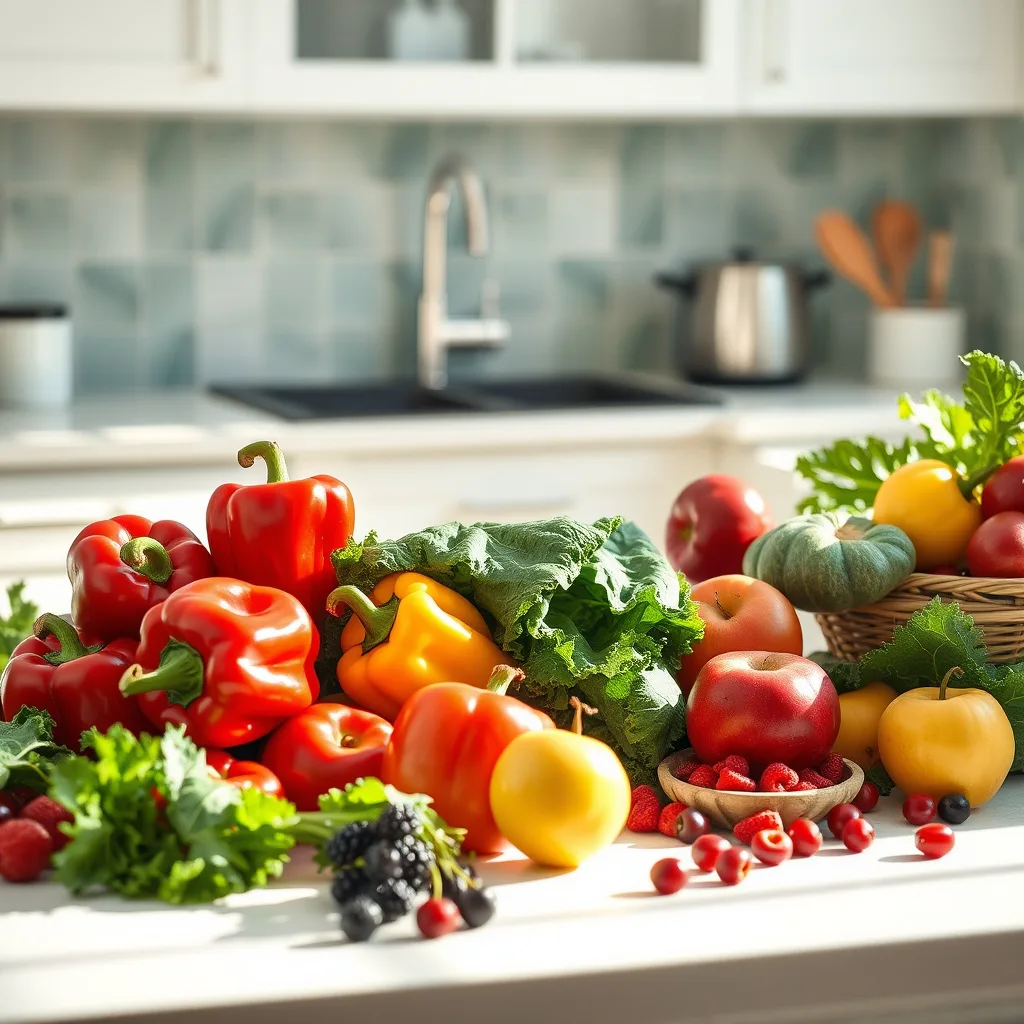
Fruits and vegetables are foundational pillars of a healthy lifestyle, yet many people struggle to meet even the basic recommendations for their daily intake. According to recent nutritional guidelines, adults should consume at least four servings of fruits and five servings of vegetables per day, but most fall far short of this target. This gap has significant implications for long-term health, including reduced risk of chronic diseases such as heart disease, diabetes, and certain cancers. The good news is that increasing your fruit and veggie consumption doesn’t require drastic lifestyle changes—it can be achieved through thoughtful, sustainable choices that fit seamlessly into busy schedules.
Key takeaways
- Aim for a daily baseline of four servings of fruit and five servings of vegetables to support long-term health.
- Incorporate produce into breakfast smoothies and lunch bowls to increase intake without requiring significant preparation time.
- Use batch cooking to roast or prepare vegetables in advance for quick assembly during busy work weeks.
- Prioritize variety by including at least three different colors of produce in every meal for diverse nutrient coverage.
- Choose frozen, canned, or dried options if fresh produce is unavailable, ensuring they have minimal added sugar or sodium.
Why Fruits and Vegetables Matter
Fruits and vegetables provide an unparalleled combination of essential vitamins, minerals, fiber, and bioactive compounds that support nearly every bodily function. These foods are rich in antioxidants that combat oxidative stress, phytonutrients that modulate inflammation, and water-soluble and fat-soluble vitamins crucial for immune function, energy production, and cellular repair. Beyond their nutrients, the act of eating a variety of colorful produce can also improve digestion, maintain healthy blood pressure levels, and support mental clarity.
The Recommended Daily Minimum
While individual needs vary based on age, activity level, and health status, public health organizations worldwide recommend a minimum baseline of four servings of fruits and five servings of vegetables each day. A serving of fruit typically includes one medium piece or half a cup of berries, while a vegetable serving may range from a small handful to two cups depending on portion size guidelines. Understanding these benchmarks helps set realistic goals rather than overwhelming targets that lead to frustration.
Practical Strategies to Increase Intake
One effective approach is to incorporate fruits and vegetables into meals throughout the day. Breakfast smoothies made with frozen berries, spinach, and banana offer a nutrient-dense start without requiring significant preparation time. Lunch bowls featuring roasted chickpeas, kale, bell peppers, and avocado create satisfying, visually appealing dishes that keep you full longer. By planning meals around these ingredients, you reduce decision fatigue and ensure consistent consumption across different times of day.
Smart Shopping Habits
Strategic grocery shopping can dramatically increase your daily intake. Planning your weekly menu before heading to the store allows you to buy quantities of produce that align with your plans. Buying pre-cut vegetables or washed greens saves time during busy mornings, though homemade prep often yields better flavor and freshness. Additionally, rotating your produce selection based on seasonal availability ensures affordability and maximum nutrient retention, as some nutrients degrade more quickly after harvest.
Meal Prep and Batch Cooking
Batch cooking is a powerful technique for maintaining high fruit and vegetable consumption. Dedicating a few hours on Sunday to roast a large tray of seasonal vegetables, grilling chunks of fruit, or preparing component-based salads enables quick assembly throughout the week. For example, roasted Brussels sprouts, sweet potato cubes, and mixed greens can be stored separately in airtight containers for up to four days, making healthy meal options readily available when hunger strikes.
Overcoming Common Barriers
Resistance to increased produce consumption often stems from familiarity with processed alternatives, limited storage space, or simply not seeing enough color in everyday meals. To address these hurdles, consider starting with small, manageable changes—such as adding a side salad to dinner or snacking on apple slices instead of chips—and gradually expanding your repertoire. Involving family members in cooking demonstrations can normalize new habits and foster shared responsibility for nutrition.
The Role of Variety and Color
No single food provides everything your body needs; therefore, diversity is key. The vibrant spectrum of fruits and vegetables—the deeper reds of beets and strawberries, the bright oranges of carrots and sweet potatoes, the emerald greens of broccoli and spinach—each signals unique clusters of nutrients. Aim to include at least three colors per meal throughout the week, creating a visually stimulating plate that also delivers broader nutritional coverage.
Making Changes Sustainable
Sustainability in dietary change means building habits that persist over months and years, not weeks. This requires patience, self-compassion, and flexibility. If a particular strategy proves difficult to maintain, adjust rather than abandon entirely. Perhaps slow-cooked vegetable soups become more appealing than raw salads, or frozen mixed vegetable blends offer convenience during hectic periods. The goal is gradual evolution, not perfection.
By integrating these strategies—mindful shopping, strategic meal planning, batch preparation, and embracing variety—you can meaningfully increase your fruit and vegetable intake while enjoying the cumulative benefits for your physical and emotional well-being. The journey toward healthier eating begins with small, intentional steps that compound into lasting change.
Frequently Asked Questions
How many servings of fruit and vegetables do I really need?
According to major health organizations, adults should consume at least four servings of fruits and five servings of vegetables daily. However, research suggests that higher intakes correlate with greater health benefits, so aiming for six or seven servings if possible is ideal for optimal results.
Can I replace processed snacks with more fruits and vegetables?
Absolutely. Swapping packaged cookies or chips for fresh berries, sliced apples, carrot sticks with hummus, or edamame offers significantly lower added sugars and calories while delivering superior nutritional value. The transition can be smooth when focusing on whole, minimally processed options.
What if I live in a location with limited access to fresh produce?
Even in areas with limited fresh produce, canned, frozen, or dried fruits and vegetables can serve as nutritious alternatives. Look for products with minimal added sugar or sodium, and prioritize organic when budget permits for maximizing pesticide avoidance. Many community gardens and farmers’ markets operate year-round, providing fresh options regardless of season.
Does cooking reduce the nutritional value of fruits and vegetables?
Minimal heat cooking preserves most vitamins, particularly those sensitive to oxidation. Steaming, microwaving, or briefly sautéing retain color and nutrients effectively. Avoid prolonged boiling, which can leach water-soluble vitamins into the cooking liquid. When in doubt, steam vegetables until tender-crisp for best results.
How do I make my children eat more fruits and vegetables?
Children respond well to involvement in food preparation. Let them wash, peel, or arrange their own colorful plates. Offer familiar dips alongside new produce to ease acceptance. Gradually introduce subtle flavors by mixing pureed fruits into sauces or desserts, and celebrate healthy choices with gentle praise to build positive associations.
This article was originally published as part of our health and wellness series and is updated regularly to reflect the latest nutritional science and practical advice.
Related posts:
 Vegetable-Rich Dinner Ideas
 The 2018 Dirty Dozen List That Will Change How You Shop for Produce
 Beginner-Friendly Fruits to Grow
 Portion vs Serving Size Guide
 The Game-Changing 50 Percent Rule That Makes Eating Vegetables Effortless
 15-Minute Dairy-Free Dinner Ideas
 Polyphenol Power: The Antioxidant-Rich Foods Your Body Is Craving
 Pegan Diet Explained: The Paleo-Vegan Hybrid Taking Over