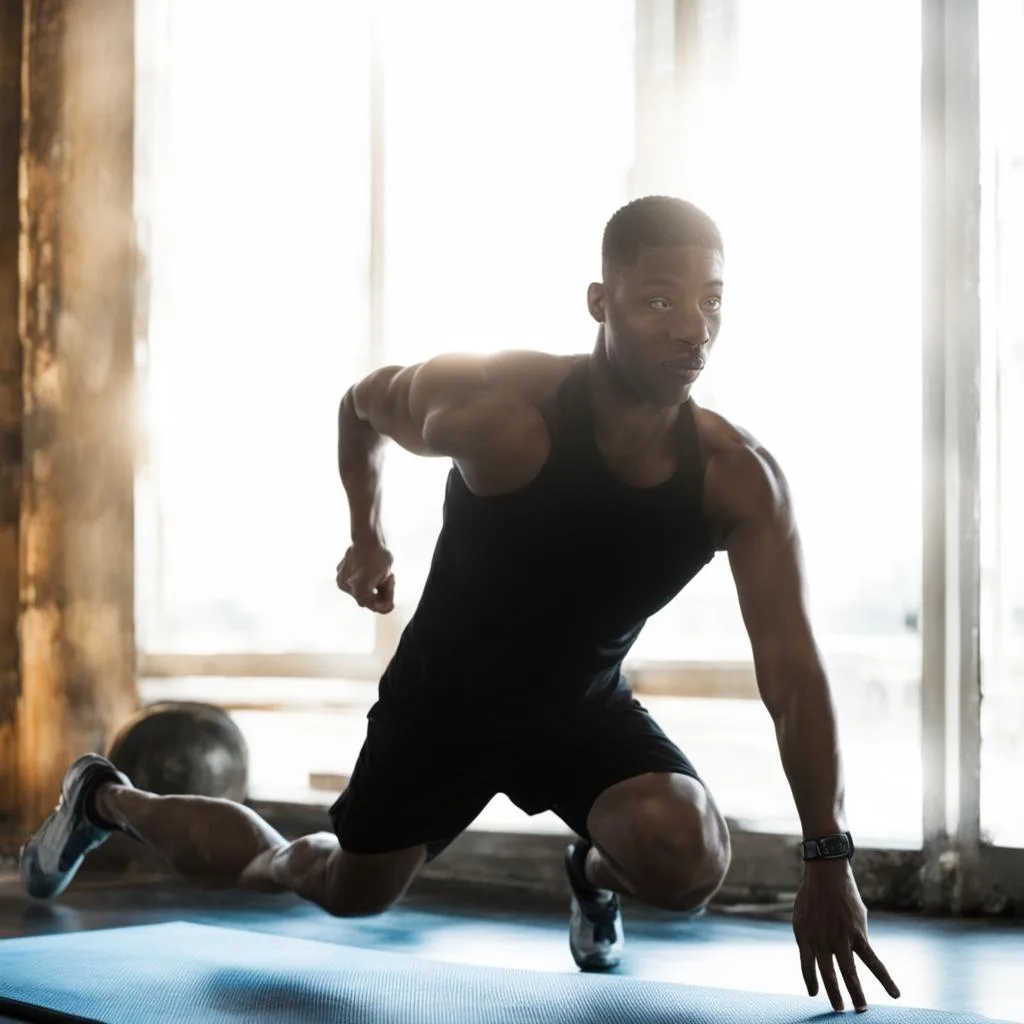
As the mercury rises and the thought of stepping outside to exercise becomes less appealing, staying active doesn’t have to take a backseat. Indoor workouts can be just as effective, and sometimes even more appealing, when the heat outside is unbearable. In this article, we’ll explore various indoor exercise options to keep you cool and fit all summer long.
Bodyweight Exercises
Bodyweight exercises are a fantastic way to build strength and endurance without the need for any equipment. Exercises like push-ups, squats, lunges, and planks can be done anywhere in your home. Create a circuit of these exercises to keep your heart rate up and your muscles engaged.
Yoga and Pilates
Yoga and Pilates are great for improving flexibility, balance, and core strength. They can also be incredibly relaxing and a great way to beat the stress of the heat. Consider following online classes or apps to guide you through various routines suitable for all levels.
High-Intensity Interval Training (HIIT)
HIIT workouts are perfect for a quick, intense workout that doesn’t require a lot of space or equipment. These involve short bursts of high-intensity exercise followed by rest or low-intensity activity. HIIT can help improve cardiovascular fitness and is effective for burning calories.
Indoor Cycling
If you have an exercise bike at home, indoor cycling can be a great way to get a cardio workout without the heat. There are many virtual classes available that can make your cycling session fun and challenging.
Dance Workouts
Turn up the music and get your groove on with a dance workout. There are plenty of online videos and classes that can guide you through different dance routines that are not only fun but also a good way to burn calories.
Optimizing Your Indoor Environment for Thermal Comfort
While moving your training indoors avoids direct solar radiation, a stuffy room can quickly become a heat trap. To maintain performance, you must manage your microclimate. Start by cross-ventilating your space; open windows on opposite sides of the house to create a draft before you even begin your warm-up. If you are training in a room without windows, use a high-velocity floor fan positioned at a 45-degree angle to your body, rather than blowing directly at your face, to facilitate evaporative cooling across your skin.
Consider the “thermal load” of your equipment and surface. If you are doing floor work, use a high-density, non-slip mat that doesn’t trap heat. If you use a yoga mat made of closed-cell rubber, wipe it down with a cool, damp cloth midway through your session. Furthermore, manage your humidity; high humidity prevents sweat from evaporating, which is the body’s primary cooling mechanism. If your indoor humidity exceeds 60%, a portable dehumidifier or a simple air conditioning unit set to a moderate 72 degrees Fahrenheit will allow you to push harder for longer without hitting a “heat wall.”
The Science of Indoor Mobility and Myofascial Release
When the heat limits your ability to perform high-intensity cardio, shift your focus to structural health. The sedentary nature of “waiting out” a heatwave often leads to postural stiffness. Use this time to perform deep tissue work using foam rollers, lacrosse balls, or massage sticks. Focus on the thoracic spine, hip flexors, and calves—areas that often tighten up when we avoid outdoor movement. Spend 20 minutes on a dedicated mobility flow, utilizing “passive stretching” techniques where you hold positions for two to three minutes to signal the nervous system to release deep-seated tension.
This is also an excellent time to incorporate “active recovery” movements like cat-cow stretches, bird-dogs, and thoracic rotations. By prioritizing tissue quality in a climate-controlled room, you are essentially “pre-hab-ing” your body, ensuring that when the temperatures eventually drop, you are primed for higher-impact activities rather than sidelined by preventable tightness or injury.
Building Strength with Minimalist Resistance Tools
If bodyweight movements have become too predictable, introduce variable resistance without the footprint of heavy gym equipment. Resistance bands (both loop and flat tube styles) are the ultimate heat-friendly training tool because they don’t require the explosive momentum that often elevates core body temperature too quickly. You can perform “time-under-tension” protocols by slowing down the eccentric (lowering) phase of a band-resisted squat or bicep curl to three or four seconds. This increases muscle fiber recruitment while keeping your heart rate in a manageable, aerobic zone.
For those looking to add load, consider “household implement training.” Using heavy water jugs or a sturdy backpack filled with books allows for progressive overload in movements like overhead presses or weighted lunges. Because these implements are cumbersome and lack the ergonomic grip of a barbell, they also force you to engage your stabilizing muscles, turning a simple strength move into a complex coordination challenge that keeps your mind engaged while your body stays cool.
The “Micro-Workout” Strategy for Stagnant Days
During extreme heat, the prospect of a 60-minute session can feel daunting. Instead, embrace the “exercise snacking” methodology. Break your daily fitness requirement into four 10-minute blocks scattered throughout the day. This prevents your core temperature from spiking to the point of exhaustion and allows you to utilize the coolest parts of the house at different times. For example, perform a quick 10-minute mobility routine in the morning, a 10-minute strength circuit before lunch, a 10-minute balance session in the afternoon, and a 10-minute flexibility flow before bed.
This approach is particularly effective during heatwaves because it minimizes the duration of physiological stress on your cardiovascular system. By keeping each session short, you avoid the heavy sweating and subsequent dehydration that often leads to “heat lethargy.” It also keeps your metabolism elevated in small, consistent increments rather than one singular, draining effort that might leave you feeling burnt out for the rest of the day.
Neuromuscular Coordination and Skill-Based Training
When high-intensity output is off the table, focus on the “brain-body connection.” Indoor environments are perfect for practicing complex motor skills that require focus rather than raw exertion. Try learning a new skill such as juggling, handstand progressions against a wall, or complex footwork patterns used in boxing or agility training. These movements require high levels of concentration, which shifts your focus away from the discomfort of the heat.
Practicing these skills for 15–20 minutes provides a significant cognitive workout while keeping physical exertion moderate. The beauty of skill-based training is that it doesn’t require a high heart rate to be effective; it requires precision. By the time you master a new movement pattern, you will have improved your proprioception and balance—attributes that translate directly to better performance in any outdoor sport once the weather cools down.
Hydration and Electrolyte Management Inside the Home
A common mistake during indoor summer workouts is the assumption that because you aren’t in direct sunlight, you don’t need to prioritize hydration. However, indoor air—especially if air-conditioned—is often extremely dry, leading to “insensible water loss” through respiration. You may be losing more fluid than you realize. To counteract this, implement a hydration strategy that includes electrolytes, not just plain water. Sodium, potassium, and magnesium are critical for muscle contraction and preventing cramps, especially if you are sweating significantly indoors.
Try the “pre-cool” technique: drink 8–10 ounces of ice-cold water or a chilled electrolyte solution 15 minutes before you begin your workout. This lowers your internal body temperature slightly, giving you a “thermal buffer” before you start moving. Keep your water bottle within reach at all times and aim to sip consistently rather than gulping large amounts during rest periods, which can cause stomach discomfort during movement.
Mindful Transitions and Cooling Down Protocols
The end of an indoor workout is just as important as the beginning, especially when managing heat. Do not finish your workout and immediately sit on a couch or lay on a bed; your body needs to dissipate the heat you have generated. Spend the final five minutes of your session performing very slow, rhythmic movements—like walking in place or gentle arm circles—while standing in front of a fan. This encourages blood flow to continue moving back toward the heart and helps your cooling system settle effectively.
FAQs
- Can indoor workouts be as effective as outdoor workouts?
Yes, indoor workouts can be just as effective as outdoor workouts. The key is to maintain the same level of intensity and duration as you would outdoors. - How can I stay motivated to work out indoors?
Staying motivated can be challenging, but setting goals, creating a schedule, and varying your workouts can help keep things interesting. Additionally, using online resources and workout apps can provide structure and community, even when exercising alone. - Do I need special equipment for indoor workouts?
No, many indoor workouts do not require any special equipment. Bodyweight exercises, yoga, and dance workouts can be done with just enough space to move around safely. - How can I ensure I’m getting a balanced workout routine indoors?
Incorporate a mix of cardiovascular exercises, strength training, and flexibility workouts to ensure a balanced routine. You can alternate between different types of workouts throughout the week to cover all aspects of fitness. - What if I don’t have much space at home for working out?
There are many workouts designed for small spaces. Look for low-impact, space-saving workouts online, and focus on exercises that require minimal movement but still provide a good workout.
Related posts:
 Kate Hudson’s Latest Obsession: The High-Energy Workout Called PloyoJam
 Blow Drying Hair Without Damage: Expert Tips
 How to Change Your Fitness Routine to Avoid Plateau
 PHA Bodyweight Workout: Efficient Fitness Anywhere, Anytime
 Understanding Gym Equipment
 Quick Cardio Fix: Tracy Anderson’s 7-Minute Heart-Pumping Workout Video
 15-Minute No-Equipment HIIT
 Get Stronger with Charlee Atkins