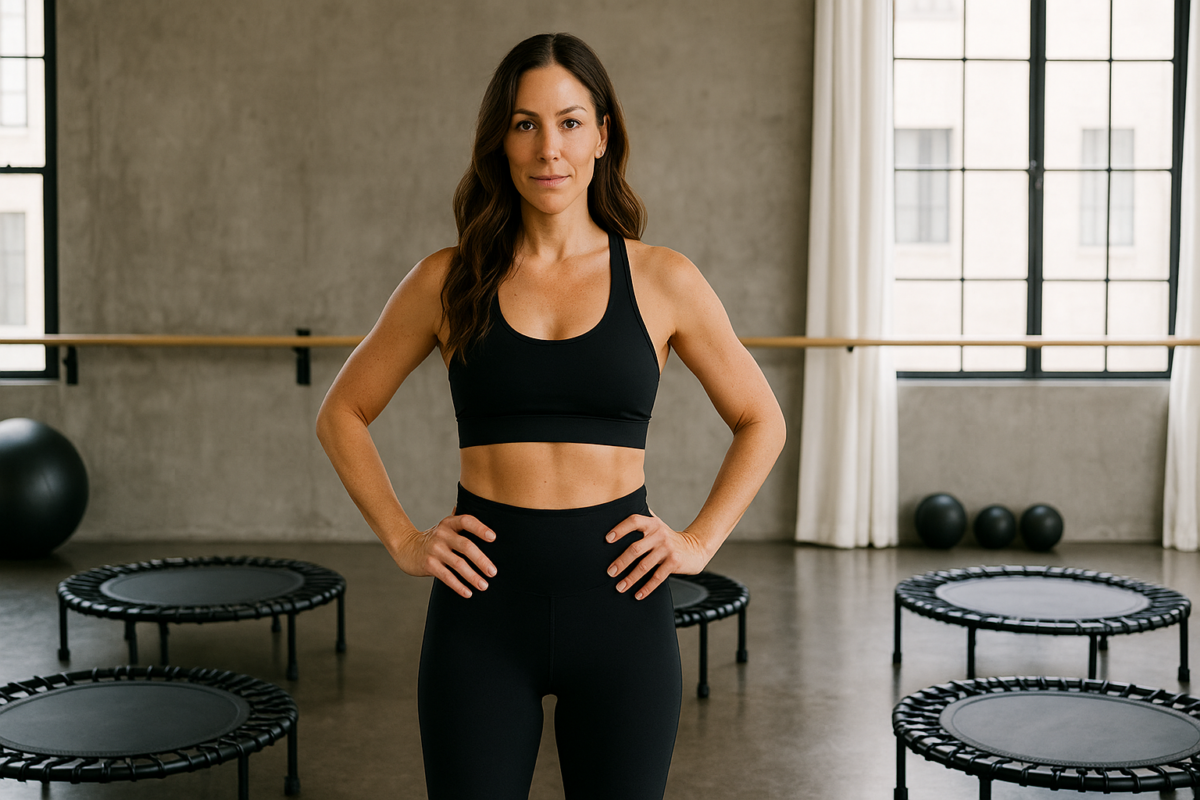
In the heart of Los Angeles, where fitness trends are born and refined, one studio has managed to transcend the fleeting nature of boutique workouts to become a cornerstone of the wellness community. LekFit, founded by Lauren Kleban, is more than just a place to sweat; it is a meticulously designed method that combines the joy of movement with the rigorous science of muscle conditioning. What started in a converted garage has evolved into a global phenomenon, yet the physical LA studio remains the heartbeat of the brand. For those seeking a workout that is as effective as it is aesthetically pleasing, LekFit offers a unique sanctuary where the rebounder takes center stage.
The Visionary Behind the Method: Lauren Kleban
To understand LekFit, one must first understand Lauren Kleban. A former professional dancer with a background in various movement disciplines, Kleban recognized a gap in the fitness market. She sought a workout that provided the high-intensity cardiovascular benefits of dance without the jarring impact on the joints that often leads to injury. Her journey began with a deep dive into the mechanics of the human body, specifically focusing on how to achieve a “dancer’s physique”—long, lean, and powerful—through sustainable, low-impact methods.
Kleban’s transition from dancer to fitness mogul was organic. She began training clients in her backyard studio, creating a word-of-mouth buzz that eventually attracted Hollywood’s elite and fitness enthusiasts alike. Her philosophy is rooted in the belief that exercise should be an empowering experience rather than a chore. This compassionate approach to fitness is evident in the way she structures her classes, ensuring that while the work is challenging, it remains accessible and focused on long-term health. Her personal involvement in the choreography and the selection of every track on the playlist ensures that the LekFit brand remains synonymous with her high standards and infectious energy.
The Rebounder Revolution: Why the Trampoline?
The centerpiece of the LekFit experience is the rebounder, a specialized mini-trampoline designed for high-performance fitness. While rebounding has existed for decades, Kleban reimagined its potential by integrating it with interval training and floor work. The primary appeal of the rebounder is its ability to provide a high-intensity cardiovascular workout while absorbing up to 80% of the impact. This makes it an ideal tool for individuals who want to protect their knees, hips, and ankles without sacrificing the calorie-burning benefits of a traditional HIIT session.
Beyond the skeletal benefits, rebounding is celebrated for its impact on the lymphatic system. Unlike the circulatory system, which has the heart to pump blood, the lymphatic system relies on body movement to circulate lymph fluid. The vertical motion of bouncing creates a gravitational pull that stimulates lymphatic drainage, helping the body to naturally detoxify and boost the immune system. At LekFit, this physiological benefit is coupled with muscle-sculpting movements that use light weights, resistance bands, and body weight to create a comprehensive full-body session. The result is a workout that leaves participants feeling energized rather than depleted.
A Tour of the LA Sanctuary: The Studio Aesthetic
Stepping into the LekFit studio in Los Angeles is an experience in itself. Located in a chic, minimalist space, the studio reflects Kleban’s eye for design and detail. The environment is intentionally curated to feel less like a clinical gym and more like a high-end wellness retreat. Soft lighting, clean lines, and a neutral color palette create a calming atmosphere that allows clients to focus entirely on their movement. The studio is equipped with top-tier rebounders, each spaced perfectly to allow for freedom of movement while maintaining a sense of community.
The attention to detail extends to the amenities. From the curated selection of wellness products available in the lobby to the meticulously maintained locker rooms, every aspect of the LA studio is designed to enhance the client’s journey. There is a sense of exclusivity that isn’t about being “cool,” but about being part of a dedicated community. The studio serves as a physical manifestation of the LekFit lifestyle—balanced, stylish, and effective. For many, the physical space is a sanctuary where they can escape the hustle of Los Angeles and reconnect with their bodies.
Decoding the LekFit Class Menu
LekFit offers several signature class formats, each designed to target different aspects of fitness while remaining true to the core method. Understanding these formats is key to getting the most out of the experience. The most famous of these is Bounce, a high-energy class that focuses on cardio intervals on the rebounder interspersed with full-body sculpting. This class is designed to elevate the heart rate quickly and keep it there, maximizing fat burn and cardiovascular endurance.
For those looking to focus more on muscle definition, the Boost class is the go-to option. While it still utilizes the rebounder for short bursts of cardio, the emphasis is shifted toward slower, more controlled movements that target specific muscle groups. Using props like ankle weights and resistance loops, Boost aims to fatigue the muscles to the point of change, creating that coveted lean muscle tone. There are also classes like Hype, which leans more into the dance-inspired roots of the method, and Jet Set, designed for those who are traveling or have limited space. Each class is choreographed to music that drives the movement, making the time fly by.
The Science of Low-Impact, High-Intensity Training
One of the reasons LekFit has maintained its popularity is the scientific foundation behind the movement. High-intensity interval training (HIIT) is well-known for its ability to improve metabolic rate and cardiovascular health, but it often comes with the risk of overuse injuries. By moving the majority of the high-intensity work to the rebounder, LekFit mitigates these risks. The surface of the rebounder acts as a shock absorber, which is particularly beneficial for women’s pelvic floor health and joint longevity.
Furthermore, the sculpting portions of the class utilize high-repetition, low-weight movements. This approach targets the smaller stabilizing muscles that are often overlooked in traditional weightlifting. By engaging these stabilizers, LekFit helps improve posture, balance, and core strength. The method also emphasizes the importance of the mind-body connection; clients are encouraged to focus on the specific muscle being worked, which has been shown to increase muscle fiber recruitment. This combination of cardiovascular efficiency and targeted toning makes LekFit a powerhouse for those looking for sustainable results.
The Celebrity Following and the LekFit Community
It is impossible to discuss LekFit without mentioning its devoted following. The studio gained significant notoriety when celebrities like Busy Philipps began sharing their LekFit journeys on social media. Philipps, known for her transparency about the hard work required to maintain her fitness, became an unofficial ambassador for the brand, showcasing the sweat-drenched reality of a LekFit session. However, the true strength of LekFit lies in its broader community. The studio attracts a diverse group of people, from busy professionals to stay-at-home parents, all united by a desire for an effective and enjoyable workout.
This sense of community is fostered through both the physical studio and the digital platform. Lauren Kleban and her team have cultivated an environment where everyone feels welcome, regardless of their fitness level. The “LekFit Fam” is a real entity, with members supporting each other through social media and in-person events. This supportive atmosphere is a key component of the brand’s success, as it transforms a simple workout into a lifestyle. When you join a class at the LA studio, you aren’t just a client; you are part of a movement that prioritizes health, happiness, and holistic well-being.
Practical Tips for Your First LekFit Session
For those planning their first visit to the LA studio or even starting at home, a little preparation goes a long way. First, footwear is a common question. While some prefer to go barefoot to improve foot and ankle strength, many choose to wear supportive cross-training sneakers. If you are new to rebounding, sneakers can provide extra stability as you find your balance. Wear moisture-wicking clothing that allows for a full range of motion, as you will definitely be sweating.
Hydration is another crucial factor. Because rebounding stimulates the lymphatic system and promotes detoxification, it is vital to drink plenty of water before, during, and after your session. Arrive at the studio at least ten minutes early to get acquainted with the rebounder and meet your instructor. Don’t be intimidated by the pace; the beauty of LekFit is that you can always modify the movements. If the bouncing feels like too much, you can keep your feet on the mat and focus on the arm and core movements until you feel more confident. Consistency is key, so give yourself grace as you learn the rhythm of the method.
Building the LekFit Aesthetic and Routine at Home
While the LA studio is the pinnacle of the experience, LekFit has made significant strides in making the method accessible to those outside of Southern California. The LekFit digital platform offers a library of hundreds of workouts that mirror the studio experience. To recreate the LekFit vibe at home, start with a high-quality rebounder. While any mini-trampoline will work, the brand recommends models with bungee cords rather than metal springs for a quieter, smoother bounce.
In addition to the rebounder, you’ll want a set of light hand weights (3-5 lbs), ankle weights, and a resistance loop. Creating a dedicated space for your workout can also help with motivation. Even if it’s just a corner of your living room, keeping your equipment organized and your space clean can mimic the minimalist aesthetic of the LA studio. The digital platform also includes “LekFit Life” content, which covers nutrition, wellness tips, and behind-the-scenes looks at the brand, helping home users feel connected to the LA community. By following the structured programs provided online, you can achieve the same results as those attending classes in person.
The Evolution of a Global Fitness Empire
LekFit’s journey from a backyard garage to a global brand is a testament to Lauren Kleban’s dedication and the effectiveness of her method. The brand has expanded beyond just classes to include a line of apparel, equipment, and even wellness supplements. Despite this growth, the core mission remains the same: to provide a workout that is sustainable, effective, and empowering. The LA studio continues to serve as the laboratory where new movements and concepts are tested before being shared with the world.
As the fitness industry continues to evolve, LekFit stays ahead of the curve by focusing on the holistic health of its members. The brand has embraced the shift toward digital fitness without losing the personal touch that made the physical studio so popular. Whether you are bouncing in the heart of Los Angeles or in your own home halfway across the world, the LekFit experience is designed to help you become the strongest, healthiest version of yourself. It is a celebration of what the body can do, wrapped in a chic, high-energy package that keeps people coming back for more.
The Rhythmic Architecture: Understanding the Stacking Method
While the visual of a LekFit class is one of fluid, effortless motion, the underlying structure is built on a rigorous choreographic principle known as “stacking.” Unlike traditional aerobics where movements might change abruptly, Lauren Kleban utilizes her dance background to create a cumulative learning experience. A typical sequence begins with a foundational footwork pattern on the rebounder—perhaps a simple wide bounce or a variation of a pony step. Once the rhythm is internalized by the class, a secondary layer is added, such as a specific arm movement or a change in directional orientation. This progressive layering continues until the participants are performing a complex, multi-planar sequence that challenges both the cardiovascular system and cognitive coordination.
This stacking method serves a dual purpose. From a physiological standpoint, it allows the heart rate to climb steadily rather than spiking and crashing, which is essential for maintaining the “fat-burning zone” throughout the session. From a psychological perspective, it induces a state of flow. By the time the final “stack” is reached, the movement has become intuitive, allowing the mind to quiet and the body to take over. For advanced practitioners, the challenge lies in the precision of these layers—ensuring that every arm extension is sharp and every core engagement is intentional, even as the tempo increases. This mental engagement is a key differentiator from standard treadmill or cycling workouts, where the mind often wanders; at LekFit, if you lose focus, you lose the rhythm.
Mastering the Mechanics: The “Down-Bounce” Technique
To the uninitiated, rebounding looks like jumping. However, the LekFit method is predicated on the “down-bounce,” a technical nuance that shifts the focus from vertical height to grounded resistance. Instead of pushing off the mat to catch air, the goal is to drive the heels down into the rebounder, using the core to pull the knees up toward the chest. This subtle shift in mechanics radically changes the muscle recruitment. By focusing on the downward phase of the bounce, you engage the deep stabilizers of the pelvic floor, the transverse abdominis, and the glutes far more effectively than a traditional jump.
Mastering the down-bounce is also the secret to the low-impact promise of the brand. When you jump “up,” you eventually have to come back down with the force of gravity, which can create a jarring sensation if not controlled. By staying “low” in the bounce—keeping the head at a relatively consistent level while the legs do the work beneath the torso—you harness the elasticity of the bungee cords to absorb energy. This technique is particularly beneficial for clients dealing with minor lower-back sensitivities or those who find traditional running too taxing on their spinal alignment. It requires a significant amount of eccentric muscle control, meaning the muscles are working even as they lengthen, leading to the long, lean muscle tone that has become the studio’s trademark.
Optimizing the Lymphatic Flush: Pre and Post-Session Protocols
Because the LekFit method is so deeply intertwined with lymphatic health, many dedicated clients follow a specific set of protocols to amplify the “detox” effects of the rebounding. The vertical acceleration and deceleration experienced on the rebounder act as a pump for the lymphatic system, but this process can be enhanced through external preparation. Many studio regulars incorporate dry brushing prior to their session. By brushing the skin in upward strokes toward the heart, they stimulate the superficial lymph nodes, “priming the pump” before the high-intensity movement begins.
Post-workout recovery is equally strategic. Given the amount of fluid shift that occurs during a 50-minute session, hydration is not just about water; it’s about electrolyte balance. The studio often emphasizes the inclusion of trace minerals and magnesium to prevent muscle cramping and support the nervous system after the high-energy output. Furthermore, because rebounding encourages the drainage of toxins, some practitioners find that a cool shower or a short session in an infrared sauna following a class helps to further soothe the inflammatory response and clear the metabolic waste released during the workout. This holistic approach ensures that the benefits of the class extend far beyond the time spent on the mat, impacting skin clarity, digestion, and overall energy levels.
Curating the Sonic Landscape: The Role of BPM and Energy Mapping
The music at LekFit is never background noise; it is the heartbeat of the workout. Lauren Kleban is known for her meticulous curation of playlists, which are designed using a technique called energy mapping. Each class follows a specific arc of Beats Per Minute (BPM) that mirrors the physiological demands of the session. The warm-up typically starts with mid-tempo tracks that allow for joint mobilization and breath awareness. As the class transitions into the “Bounce” phase, the BPM climbs, often hitting a peak during the high-intensity intervals where the music provides a rhythmic “anchor” for the feet.
The selection of music also plays a vital role in the emotional experience of the class. Kleban often mixes high-energy remixes with soulful, bass-heavy tracks that resonate in the chest, creating a visceral connection to the movement. This isn’t just about motivation; it’s about neurobiology. Moving in sync with a heavy beat has been shown to reduce the perception of effort, allowing clients to push through the “burn” of the sculpting sections without the mental fatigue that often accompanies high-repetition work. The transition from a high-BPM cardio peak to a slower, more melodic track for the final cool-down helps to trigger the parasympathetic nervous system, ensuring that clients leave the studio feeling grounded rather than over-stimulated.
Navigating Physical Limitations: Tailoring the Method for Longevity
While LekFit is celebrated for its intensity, it is also a highly adaptable method for those with specific physical considerations. For instance, individuals with hypermobility—a condition where joints have an unusually large range of motion—must approach the rebounder with a focus on stability rather than flexibility. In these cases, instructors emphasize “micro-bending” the knees and elbows to ensure the work remains in the muscle belly rather than the connective tissue. The rebounder actually provides a safer environment for hypermobile clients than a hard floor, as the unstable surface forces the smaller stabilizing muscles to fire constantly, protecting the joints.
For those navigating scoliosis or general postural imbalances, the LekFit method’s focus on unilateral movements (working one side of the body at a time) is invaluable. By performing sculpting sequences on one leg or using a single hand weight, clients can identify and correct muscle compensations. The use of the rebounder also provides biofeedback; if a client is leaning too far to one side, the mat will tilt, offering an immediate sensory cue to re-center the weight. This focus on alignment makes the workout a form of corrective exercise, helping to undo the damage of sedentary lifestyles or the repetitive strain of other sports.
The Instructor’s Perspective: Maintaining the Studio Standard
Behind the seamless experience of a LekFit class is a rigorous training program that every instructor must undergo. This “LekFit Academy” approach ensures that regardless of who is leading the class, the signature voice and technical standards of the brand are maintained. Instructors are trained not just in the choreography, but in the art of “active cueing.” This involves providing constant, precise instructions on form, breath, and intention, often timed to the rhythm of the music. It requires an incredible amount of multitasking—demonstrating high-impact moves while maintaining a steady speaking voice and scanning the room for form corrections.
The studio culture also places a high value on the personality and energy of the instructors. They are encouraged to be more than just fitness leaders; they are facilitators of a specific “vibe” that is both encouraging and uncompromising. This balance is difficult to strike; an instructor must know when to push a client to increase their resistance and when to offer a modification for safety. This high level of training is why the LA studio remains the gold standard for the brand. It is a place where the human element of fitness is prioritized, ensuring that every client feels seen and supported in their individual journey, even within a group setting.
Seasonal Resets and the “LekFit Life” Calendar
To keep the community engaged and the results consistent, the studio utilizes a seasonal approach to fitness. This often takes the form of “Resets”—structured 21 or 28-day programs that combine specific class rotations with nutritional guidance and mindfulness practices. These challenges are designed to break through plateaus by varying the stimulus on the body. For example, a Spring Reset might focus on increasing the frequency of “Boost” classes to build lean muscle mass, while a Winter Reset might emphasize the lymphatic drainage benefits of “Bounce” to support the immune system during cold season.
These challenges also foster a deep sense of accountability. Within the LA studio, progress boards or community check-ins create a shared goal, while the digital community follows along via the app. This seasonal rhythm prevents the workout from becoming stagnant and encourages a long-term relationship with the method. It shifts the perspective from a “quick fix” to a sustainable lifestyle. By integrating the workout into a broader calendar of wellness, LekFit ensures that its members aren’t just exercising; they are participating in a year-round cycle of self-care that evolves with their changing needs and the changing seasons.
Frequently Asked Questions
Is LekFit suitable for beginners who have never used a rebounder?
Absolutely. LekFit is designed to be inclusive of all fitness levels. For beginners, the most important thing is to focus on finding your balance and getting used to the sensation of the rebounder. Instructors provide modifications for every movement, allowing you to scale the intensity up or down. Many people find that their coordination and stamina improve significantly after just a few sessions. It is recommended to start with the shorter “Foundations” or “Jet Set” videos if you are working out at home, or to inform the instructor at the LA studio that it is your first time so they can offer extra guidance.
What makes the LekFit rebounder different from a regular trampoline?
While you can use a standard mini-trampoline, the rebounders used and recommended by LekFit typically feature bungee cord suspension rather than metal springs. Bungee cords provide a much deeper, smoother bounce that is significantly gentler on the joints. They are also much quieter, which is a major benefit for home users. The tension in a high-quality rebounder is calibrated to provide the right amount of resistance for the sculpting movements that are integral to the LekFit method, ensuring you get the most out of every bounce.
Can I do LekFit if I am pregnant or postpartum?
Many women continue their LekFit practice throughout pregnancy and return to it postpartum, but it is essential to consult with your healthcare provider first. Lauren Kleban herself has shared her journey of working out through pregnancy, and the method offers specific modifications for expecting mothers. Rebounding can be a great way to maintain cardiovascular health, but as the pregnancy progresses, the intensity and certain core movements will need to be adjusted. Postpartum, it is crucial to wait for medical clearance and to focus on rebuilding core and pelvic floor strength gradually.
How often should I do LekFit to see results?
For optimal results, most members aim for three to five sessions per week. Because the method is low-impact, it is possible to do it more frequently than high-impact workouts without overtraining. Consistency is the most important factor in seeing changes in muscle tone and cardiovascular endurance. Many people choose to mix the different class formats—for example, doing three “Bounce” classes and two “Boost” classes per week—to ensure a well-rounded routine that addresses both cardio and strength.
What equipment do I absolutely need to start?
To get the full LekFit experience, the essential pieces of equipment are a rebounder, a set of light hand weights (3 or 5 lbs), and a mat for floor work. As you progress, you may want to add ankle weights and resistance bands to increase the challenge. However, if you are just starting and don’t have a rebounder yet, many of the “Boost” and floor-based movements can be done on a mat alone. The digital platform even offers “Equipment Free” sections for those who are traveling or waiting for their gear to arrive.
Related posts:
 Benefits of Rebounding Exercise
 Top Boutique Fitness Studios of 2016
 Inside Busy Philipps’ Energizing Morning Routine and LekFit Obsession
 Bounce Back: Exclusive Trampoline Workout from Body by Simone
 Nina Dobrev Teams Up With Reebok for the Ultimate Les Mills Experience
 Studio Qila Workout Review
 Meditation Meets Manicures at Sundays NYC
 Colleen Saidman’s Tribeca Studio