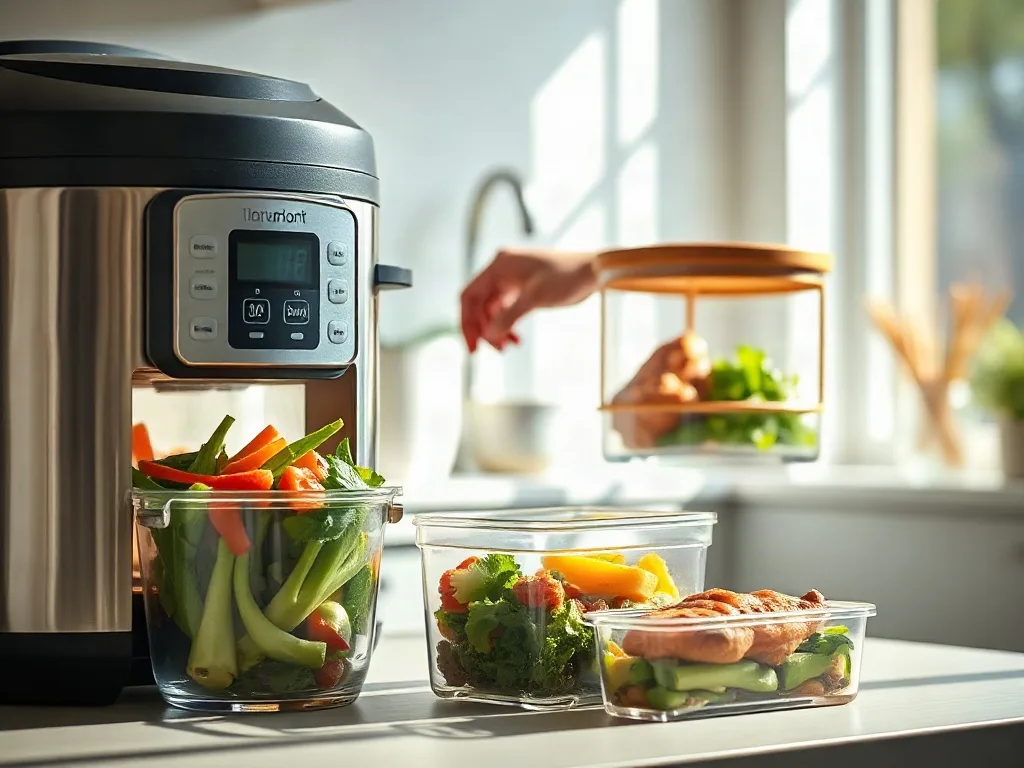
For many of us, the dream of a health-conscious lifestyle often clashes with the reality of a demanding schedule. We start the week with the best intentions—buying fresh produce and lean proteins—only to find ourselves ordering takeout by Wednesday because the effort of chopping, simmering, and cleaning feels insurmountable. This is where the Instant Pot transforms from a mere kitchen gadget into a fundamental tool for wellness. By combining a pressure cooker, slow cooker, and sauté pan into one vessel, it eliminates the friction of healthy eating.
Key takeaways
- Sauté aromatics first to build deep flavor without needing excessive fats or heavy, high-calorie ingredients.
- Master the modular approach by prepping versatile, neutral proteins and grains that can be repurposed into different meals.
- Use the natural pressure release for meats and grains to ensure textures remain tender and moist rather than tough.
- Prioritize glass storage containers and add a splash of liquid when reheating to maintain freshness and food quality.
Meal prepping is not about spending your entire Sunday in the kitchen; it is about strategic preparation that serves your future self. When you leverage the speed and efficiency of the Instant Pot, you can prepare nutrient-dense bases, tender proteins, and hearty soups in a fraction of the time it takes on a stovetop. The key to changing your meal prep game lies in creating “modular” components—ingredients that can be mixed and matched throughout the week to prevent palate fatigue while maintaining strict nutritional standards.
The Fundamentals of Healthy Instant Pot Cooking
Before diving into specific recipes, it is essential to understand how to optimize your Instant Pot for health. Traditional pressure cooking can sometimes lead to over-processed textures or the temptation to use excessive sodium-laden broths. To keep your meals truly healthy, start with the Sauté function. Sautéing your aromatics—onions, garlic, ginger, and carrots—before pressure cooking builds a deep layer of flavor without needing heavy creams or excessive butter.
One of the most critical steps in healthy IP cooking is deglazing. After sautéing, a small amount of food often sticks to the bottom. Adding a splash of water, apple cider vinegar, or low-sodium vegetable broth and scraping the bottom with a wooden spoon prevents the dreaded “Burn” notice and incorporates those caramelized nutrients back into your dish. Furthermore, be mindful of liquid ratios. Because the Instant Pot is a sealed system, very little steam escapes. This means you need significantly less water than you would for a stovetop pot, which prevents your healthy ingredients from becoming diluted or mushy.
To maximize nutrition, consider the timing of your ingredients. While root vegetables and meats thrive under pressure, delicate greens like spinach, kale, or fresh herbs should be stirred in after the pressure has been released. The residual heat will wilt the greens perfectly, preserving their vibrant color and heat-sensitive vitamins.
High-Protein Grains and Legumes for the Week
The foundation of any successful meal prep is a hearty, fiber-rich base. Grains and legumes are the unsung heroes of satiety, providing the steady energy needed to power through a workday. The Instant Pot is particularly revolutionary for legumes because it eliminates the need for overnight soaking.
Perfectly Fluffy Quinoa: Quinoa is a complete protein, making it ideal for those eating plant-based diets. Use a 1:1 ratio of rinsed quinoa to water or low-sodium broth. Pressure cook on high for 1 minute with a 10-minute natural release. This results in light, fluffy grains that stay fresh in the fridge for up to five days.
Quick-Prep Dried Chickpeas: Canned beans are convenient but often contain high levels of sodium and BPA liners. Dried chickpeas are a healthier, more cost-effective alternative. Place 1 cup of rinsed, unsoaked dried chickpeas with 3 cups of water and a pinch of salt in the pot. Pressure cook on high for 40-45 minutes with a natural release. Once cooled, these can be tossed into salads, roasted for a crunchy snack, or blended into a homemade hummus.
Red Lentils for Thickening: Red lentils break down quickly, making them an excellent natural thickener for soups and stews without the need for cornstarch or flour. They are packed with iron and folate. Adding a cup of red lentils to a vegetable stew not only boosts the protein content but creates a creamy, satisfying texture that keeps you full longer.
Nutrient-Dense One-Pot Meals
One-pot meals are the pinnacle of meal prep efficiency because they minimize cleanup and maximize flavor integration. The goal here is to balance macronutrients: a lean protein, a complex carbohydrate, and a generous portion of vegetables.
Turkey and Three-Bean Chili: Replace traditional ground beef with lean ground turkey or plant-based crumbles. Sauté the turkey with bell peppers and onions, then add diced tomatoes, kidney beans, black beans, and pinto beans. Season with cumin, smoked paprika, and chili powder. Pressure cook on high for 10 minutes. This meal is high in fiber and protein, and it actually tastes better on day three as the flavors meld together.
Golden Lentil and Spinach Soup: Combine yellow lentils, diced carrots, celery, turmeric, and ginger in the pot. The turmeric provides anti-inflammatory benefits, while the ginger aids digestion. After pressure cooking for 15 minutes, stir in three large handfuls of fresh baby spinach. The result is a warming, detoxifying soup that is easy to portion into glass containers for the week.
Vegetable Barley Stew: Barley is an ancient grain that is fantastic for heart health due to its high beta-glucan fiber content. Combine pearl barley with mushrooms, parsnips, and peas. Use a low-sodium vegetable stock and a splash of lemon juice at the end to brighten the earthy flavors. This stew is incredibly filling and provides a slow release of glucose, preventing the mid-afternoon energy crash.
Lean Proteins: Tender and Versatile
The challenge with lean proteins, like chicken breast or turkey, is that they often become dry when reheated. The Instant Pot solves this by locking in moisture. The strategy for meal prep is to cook “versatile proteins”—meat that isn’t tied to one specific flavor profile, allowing you to use it in different dishes throughout the week.
Slow-Cooked Salsa Chicken: This is a meal-prep staple. Place two pounds of chicken breasts in the pot and cover them with a jar of chunky, low-sugar salsa. Pressure cook on high for 10-12 minutes, then shred the meat with two forks. Because the chicken is cooked in the salsa, it remains moist during reheating. On Monday, use it for tacos; on Tuesday, place it over a quinoa bowl; on Wednesday, mix it into a healthy wrap with avocado.
Poached Salmon Fillets: Many people avoid the Instant Pot for fish, fearing it will overcook. However, using the trivet (the metal rack) allows you to steam salmon perfectly. Season fillets with lemon slices and dill, place them on the trivet above one cup of water, and pressure cook for only 2-3 minutes with a quick release. This preserves the omega-3 fatty acids and results in a tender texture that works beautifully in cold pasta salads or served warm with steamed asparagus.
Lean Beef Pot Roast with Root Vegetables: For those who enjoy red meat, a lean chuck roast or bottom round can be transformed into a healthy feast. Sauté the meat first to sear the outside, then add carrots, celery, and baby potatoes. Use a mixture of beef bone broth (for extra collagen and protein) and a tablespoon of tomato paste. Pressure cook for 60-80 minutes depending on the size of the roast. The result is a tender, nutrient-dense meal that provides essential B vitamins and zinc.
Plant-Based Power Bowls
Power bowls are the gold standard of modern meal prep because they allow for complete customization. The Instant Pot can prepare almost every component of a power bowl in a single session.
The Roasted Root Vegetable Base: While the Instant Pot isn’t an oven, you can achieve a similar effect by using the sauté function for a few minutes or by pressure cooking root vegetables (carrots, beets, sweet potatoes) for 3-5 minutes and then quickly searing them. These provide the complex carbohydrates and antioxidants necessary for sustained brain function.
Marinated Tofu and Tempeh: For plant-based protein, tofu can be pressure-cooked in a savory marinade of soy sauce, maple syrup, and garlic for 2 minutes. This forces the marinade into the center of the tofu, ensuring every bite is flavorful. Pair this with the previously mentioned quinoa and a side of steamed broccoli (steamed for 0 minutes on high pressure, then quick release) for a balanced, high-protein vegan bowl.
The “Green” Addition: To elevate your bowls, incorporate fermented elements like kimchi or sauerkraut, and healthy fats like sliced avocado or a drizzle of tahini. Since these cannot be pressure-cooked, they are added fresh to each bowl before eating, providing a contrast in temperature and texture while adding probiotics to your diet.
Smart Storage and Reheating Tips
The effort put into cooking is wasted if the food spoils or loses its appeal by Friday. Proper storage is a science that ensures your healthy meals remain appetizing.
The Cooling Process: Never put piping hot food directly into the refrigerator. This can raise the internal temperature of your fridge, potentially endangering other perishables. Allow your Instant Pot meals to cool to room temperature, but do not leave them out for more than two hours. A quick tip is to divide the food into smaller, shallow containers, which allows them to cool faster.
Glass Over Plastic: Invest in high-quality glass containers with airtight lids. Glass does not leach chemicals (like BPA) into your food when heated, and it doesn’t absorb odors or stains from tomato-based sauces. Additionally, glass is more sustainable and easier to clean.
Reheating for Texture: To avoid the “microwave rubber” effect, add a tablespoon of water or broth to your meal before reheating. This creates a small amount of steam that re-hydrates the proteins and grains. For proteins like salmon or chicken, reheat on medium power to prevent the fibers from tightening and becoming tough.
A Sample 5-Day Healthy Meal Prep Plan
To put these strategies into practice, here is a streamlined plan that utilizes the Instant Pot to cover your lunches and dinners for one work week.
Sunday Prep Session (Approx. 2 Hours):
- Pot 1: Cook a large batch of quinoa (1 minute high pressure). Store in a large glass container.
- Pot 2: Prepare the Salsa Chicken (12 minutes high pressure). Shred and store.
- Pot 3: Make a big batch of Turkey and Three-Bean Chili (10 minutes high pressure). Portion into 3 containers.
- Pot 4: Steam a mix of broccoli and carrots (0 minutes high pressure). Store.
The Weekly Menu:
- Monday: Lunch – Salsa Chicken over Quinoa with steamed broccoli. Dinner – Turkey and Three-Bean Chili.
- Tuesday: Lunch – Turkey and Three-Bean Chili. Dinner – Salsa Chicken Tacos with fresh cabbage slaw and avocado.
- Wednesday: Lunch – Salsa Chicken over Quinoa with fresh spinach and lemon vinaigrette. Dinner – Turkey and Three-Bean Chili.
- Thursday: Lunch – Quinoa bowl with remaining steamed vegetables, chickpeas, and tahini dressing. Dinner – Poached Salmon (cooked fresh in 3 mins) with leftover quinoa.
- Friday: Lunch – “Kitchen Sink” bowl using all remaining portions of chicken, quinoa, and vegetables. Dinner – Light soup or salad.
This plan minimizes the number of times you have to clean the inner pot while ensuring you have a variety of flavors and nutrients throughout the week.
Common Mistakes and How to Avoid Them
Even seasoned cooks encounter hurdles with the Instant Pot. Recognizing these common pitfalls can save you from wasted ingredients and frustration.
Overcooking Vegetables: The most common mistake is following stovetop timing. A carrot that takes 20 minutes to boil may only need 3 minutes in the Instant Pot. Always start with the lower end of the recommended time. If you are cooking a mix of vegetables, add the hard ones (carrots, potatoes) first and the softer ones (peas, zucchini) during the sauté phase at the end.
Ignoring the Natural Release: While “Quick Release” is tempting when you’re in a rush, it can be detrimental to certain foods. For meats and grains, a 10-minute Natural Pressure Release (NPR) allows the fibers to relax and the liquids to redistribute. Quick releasing a roast can cause the muscle fibers to seize, resulting in tough, dry meat.
Too Little Liquid: The Instant Pot requires a minimum amount of liquid to reach pressure (usually 1 cup for 6-quart models). If you are cooking something naturally moist, like frozen vegetables or juicy meats, you may still need to add a small amount of water to avoid the “Burn” warning. Always ensure there is a thin layer of liquid covering the bottom of the pot.
Maximizing Efficiency with Pot-in-Pot (PIP) Cooking
One of the most underutilized features of the Instant Pot is the “Pot-in-Pot” (PIP) method. While the existing strategies focus on sequential cooking, PIP allows you to prepare two different components of your meal prep simultaneously, provided they have similar cooking times. This is a game-changer for those who want a complete meal—such as a protein and a side—without running the machine twice.
To execute this, you will need a heat-safe stainless steel or tempered glass bowl that fits inside your inner pot. The setup begins by adding a cup of water to the bottom of the main pot and placing the trivet inside. You cook your primary, liquid-heavy component (like brown rice or a hearty stew) in the main pot, and place your secondary component (like steamed vegetables or a delicate protein) in the bowl resting on the trivet. For example, you can cook brown rice in the main pot (22 minutes) while simultaneously steaming a batch of cauliflower florets or salmon fillets in the upper bowl. Because the upper bowl is steamed rather than boiled, the vegetables retain more of their structural integrity and nutrient density.
An important edge case to consider is the difference in cooking times. If your main dish requires 30 minutes but your side only needs 5, you have two options: either choose a “lowest common denominator” vegetable that can withstand the longer cook time (like carrots or parsnips) or use the “delayed add” technique. This involves pressure cooking the main dish first, performing a quick release, and then adding the PIP bowl for a second, shorter cycle. This prevents the common mistake of turning your vegetables into mush while waiting for the grains to soften.
Nutrient-Dense Breakfast Prep for High-Energy Mornings
While dinner and lunch often dominate meal prep discussions, the Instant Pot is an exceptional tool for automating a healthy breakfast. Moving away from sugary cereals and processed pastries requires a strategy that mimics the convenience of “grab-and-go” options but maintains a high nutritional profile.
Steel-Cut Oats without the Stirring: Unlike rolled oats, steel-cut oats provide a lower glycemic index and a heartier texture, but they typically require constant monitoring on a stovetop. In the Instant Pot, use a 1:3 ratio of oats to water or unsweetened almond milk. Pressure cook on high for 4 minutes with a 10-minute natural release. To make this meal-prep friendly, portion the cooked oats into small jars and add a layer of frozen blueberries or chia seeds on top. When reheated in the morning, the frozen berries thaw into a natural syrup, adding antioxidants without refined sugars.
The Perfect Hard-Boiled Egg (5-5-5 Method): Eggs are a gold standard for portable protein. The “5-5-5 method”—5 minutes on high pressure, 5 minutes of natural release, and a 5-minute ice bath—ensures that the eggs are fully cooked but easy to peel, avoiding the unsightly green ring around the yolk. Prep a dozen eggs on Sunday, and you have an instant protein boost for your salads or a standalone snack to prevent mid-morning energy crashes.
Savory Egg Bites: For a low-carb alternative, create healthy egg bites using silicone molds. Whisk eggs with cottage cheese (for added protein and creaminess), diced spinach, and feta. Place the molds on the trivet over one cup of water and pressure cook for 8 minutes. These can be frozen and popped in the microwave for 45 seconds, providing a nutrient-dense, high-protein start to the day that rivals expensive coffee-shop versions.
Low-Carb and Keto-Friendly Adaptations
For those following low-carb or ketogenic diets, the traditional grain-based meal prep needs a strategic overhaul. The Instant Pot can still be used to create satisfying, voluminous meals that avoid blood sugar spikes by replacing heavy starches with vegetable-based alternatives.
Cauliflower Rice and “Zoodles”: While many people sauté cauliflower rice, pressure cooking it for 0 minutes on high pressure (followed by a quick release) allows you to steam large batches quickly without the need for excess oil. For zucchini noodles (zoodles), the timing is even more critical; 0 minutes is still the rule, but you must perform an immediate quick release to avoid the zucchini releasing too much water and becoming soggy. To prevent the “watery bowl” syndrome, always pat your low-carb vegetables dry with a paper towel before storing them in your glass containers.
Keto-Friendly Creamy Stews: The challenge with low-carb stews is achieving a thick consistency without using flour or cornstarch. Instead, utilize the sauté function to reduce a base of heavy cream or full-fat coconut milk after the pressure cooking cycle is complete. Another professional trick is to blend a small portion of the cooked cauliflower or celery from the stew and stir it back in. This creates a luxurious, creamy texture while keeping the carbohydrate count negligible.
Low-Carb Protein Braises: Use the Instant Pot to make tender cuts of meat that are naturally high in fat and flavor, such as pork shoulder or beef brisket. By braising these in a mixture of apple cider vinegar and herbs rather than a sugary BBQ sauce, you maintain a keto-compliant profile. These meats can be shredded and used as a base for lettuce wraps or served alongside the aforementioned cauliflower rice for a balanced, low-carb meal.
Mastering Homemade Bone Broths and Infusions
To truly elevate the nutritional value of your meal prep, move away from store-bought broths, which are often stripped of nutrients and loaded with sodium. The Instant Pot is the ideal vessel for extracting collagen, minerals, and amino acids from bones, creating a liquid gold base for all your soups and grains.
The Collagen-Rich Chicken Bone Broth: Place chicken carcasses, necks, and feet (the highest collagen sources) in the pot. Add a tablespoon of apple cider vinegar—this is a critical step, as the acidity helps break down the bone matrix to release minerals like calcium and magnesium. Add carrots, celery, and peppercorns, then cover with water. Pressure cook on high for 120 minutes. Once cooled, strain the liquid and skim the fat from the top. This broth can be frozen in ice cube trays, allowing you to add a “nutrient cube” to any sautéed dish or grain bowl throughout the week.
Beef Bone Broth for Gut Health: Using lean beef marrow bones, follow a similar process but increase the cooking time to 180 minutes. The resulting broth is rich in glycine, which supports gut lining repair and joint health. For a flavor boost, add a piece of kombu (dried seaweed) during the cooking process to introduce natural glutamates, giving the broth a deep, savory “umami” taste without adding salt.
Infused Healthy Liquids: Beyond broths, you can use the IP to create quick infusions for your meal prep. For instance, simmering ginger, turmeric, and lemon peel in water for 5 minutes on high pressure creates a potent anti-inflammatory tonic. This can be used as a base for poaching fish or as a refreshing drink to accompany your healthy meals.
Plant-Based Protein Diversification Beyond Tofu
While tofu and lentils are staples, relying on them exclusively can lead to palate fatigue. Expanding your plant-based protein repertoire ensures a wider spectrum of amino acids and keeps your meal prep exciting.
Homemade Seitan: Seitan, made from vital wheat gluten, is one of the most protein-dense plant-based options available. By mixing vital wheat gluten with nutritional yeast and a savory broth, you can create a dough that is pressure-cooked for 40-50 minutes. This process transforms the texture from spongy to meat-like, making it an excellent substitute for beef or chicken in stews. Because it is so dense, seitan holds up incredibly well during reheating, making it a superior choice for Friday’s lunch.
Diverse Legume Exploration: Move beyond chickpeas to black-eyed peas, adzuki beans, or fava beans. Each offers a different nutritional profile; for example, black-eyed peas are particularly high in antioxidants. Use the same “no-soak” method described in the fundamentals, but adjust the timing: adzuki beans typically require about 30 minutes on high pressure. These can be mashed into a healthy “bean dip” or used as a hearty addition to a Mediterranean-style power bowl.
Nut-Based Cream Alternatives: To replace dairy in your healthy recipes, create a cashew cream. While you don’t pressure cook the cream itself, you can use the IP to quickly soften raw cashews (steam for 0 minutes, quick release) before blending them with water, lemon juice, and a pinch of salt. This creates a thick, velvety sauce that is perfect for drizzling over roasted vegetables or stirring into a vegan pot roast.
Seasonal Strategy Shifts for Year-Round Prep
A healthy meal prep game must evolve with the seasons. The goals of a winter diet—warmth, satiety, and immune support—differ significantly from those of a summer diet, which prioritizes hydration, lightness, and freshness.
Winter: The Warming Phase: During colder months, focus on root vegetable mashes and slow-cooked stews. Use the Instant Pot to make a “root vegetable medley” of parsnips, turnips, and rutabaga. Pressure cook for 5 minutes, then mash them with a bit of the cooking liquid and a touch of olive oil. These provide the dense calories and vitamins needed to combat winter lethargy. Pair these with the lean beef pot roast mentioned previously for a comforting, nutrient-dense dinner.
Spring: The Detoxification Phase: As the weather warms, shift toward lighter, detoxifying meals. Use the IP to prepare batches of steamed asparagus and snap peas. Instead of heavy stews, focus on “chilled soups” like a pressure-cooked gazpacho base (cook the vegetables briefly to soften, then chill and blend). This maintains the nutrient density of the vegetables while providing a refreshing meal that doesn’t require reheating.
Summer: The Cold-Prep Phase: In the heat of summer, the last thing you want is a steaming pot in the kitchen. Use the IP to prepare “cold-start” components. For example, pressure cook soba noodles or whole-grain pasta, then immediately shock them in ice water. Toss these with a ginger-soy dressing, shredded carrots, and the poached salmon fillets. This allows you to leverage the speed of the IP while enjoying a meal that is served cold, keeping your kitchen cool and your energy levels high.
Autumn: The Harvest Transition: Autumn is the ideal time for squash-based prep. Use the IP to cook butternut or acorn squash (typically 8-10 minutes on high pressure). Once cooked, the squash can be blended into a creamy soup or cubed and tossed with the quinoa and chickpeas. This transition period is about incorporating seasonal antioxidants, like beta-carotene, to prepare the immune system for the coming winter.
Frequently Asked Questions
Q: Can I freeze Instant Pot meals for later use?
A: Yes, most Instant Pot meals, especially stews, chilis, and grains, freeze exceptionally well. To avoid freezer burn, use vacuum-seal bags or freezer-safe glass containers. When reheating, thaw the meal in the refrigerator overnight and then gently warm it on the stove or in the microwave. Note that some vegetables, like zucchini or spinach, may lose their texture after freezing.
Q: Is the Instant Pot actually healthier than traditional cooking?
A: In many ways, yes. Because it uses a sealed environment, it requires less added fat (like oil or butter) to prevent sticking. Additionally, the shorter cooking times for some vegetables can help preserve water-soluble vitamins that would otherwise leach out during long boiling processes. The primary health benefit, however, is the convenience, which makes it easier to choose home-cooked meals over processed alternatives.
Q: How do I thicken my healthy IP sauces without using flour or cornstarch?
A: There are several nutrient-dense ways to thicken sauces. You can blend a portion of the cooked vegetables (like carrots or cauliflower) and stir them back in. Alternatively, stirring in a tablespoon of ground flaxseed, chia seeds, or a dollop of Greek yogurt after the cooking cycle provides thickness and adds healthy fats or protein.
Q: Can I cook frozen meat and vegetables in the Instant Pot?
A: Yes, one of the best features of the Instant Pot is its ability to cook from frozen. Frozen chicken breasts or frozen vegetable mixes can be cooked directly. However, you will typically need to increase the cooking time by about 50% compared to fresh ingredients. Ensure you add a bit of extra liquid to account for the moisture released by the frozen food.
Q: How long can I safely store prepped meals in the fridge?
A: According to USDA guidelines, most cooked meals are safe to eat for 3 to 4 days when stored at 40°F (4°C) or below. For a 5-day work week, it is recommended to freeze the meals intended for Thursday and Friday and move them to the refrigerator on Tuesday evening to ensure maximum freshness and safety.
Related posts:
 Delicious Ground Chicken Recipes
 High-Fiber Instant Pot Recipes
 15-Minute Dairy-Free Dinner Ideas
 High-Protein Foods That Pack a Serious Nutritional Punch
 Instant Pot Aura Deal
 NYC’s Healthiest Meal Delivery Services That Actually Taste Amazing
 The Meal Prep Master Class That Will Save You Hundreds Every Month
 Quick Healthy Dinners for When You Have Zero Energy to Cook