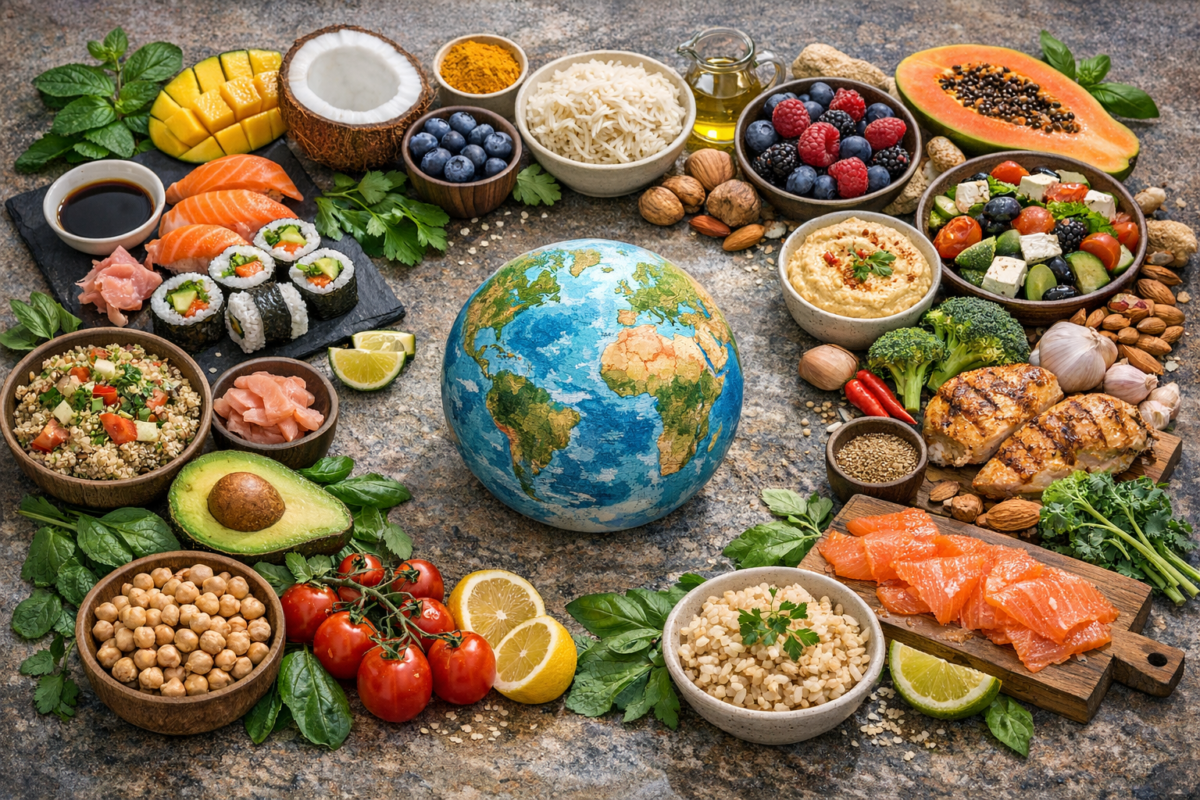
In an era of complex food labels and an overwhelming array of dietary trends, the concept of “clean eating” often feels like another rigid set of rules to follow. However, at its heart, clean eating is not a restrictive diet or a formula for perfection; it is a compassionate return to the basics of nourishment. It is the practice of choosing whole, minimally processed foods that are as close to their natural state as possible, regardless of where in the world you are located.
Whether you are navigating a bustling metropolitan market in Tokyo, a village square in Italy, or a supermarket in New York, the principles of clean eating remain universal. It is about shifting the focus from what to remove from your plate to what to add: more color, more nutrients, and more authenticity. By understanding the core tenets of whole-food nutrition, we can create a sustainable way of eating that honors both our bodies and the diverse culinary traditions of the globe.
Defining Clean Eating in a Global Context
Clean eating is often misunderstood as a luxury lifestyle reserved for those with access to expensive organic boutiques. In reality, clean eating is a philosophy of simplicity. It means prioritizing foods that are unrefined, unprocessed, and free from synthetic additives. When we look at this globally, we see that “clean eating” is actually how most of the world ate for millennia before the industrialization of food systems.
In many cultures, the “clean” way of eating is simply the traditional way. For example, the traditional diets of rural Southeast Asia or the Andean highlands are naturally “clean” because they rely on locally sourced grains, tubers, and fresh produce. When we adopt clean eating today, we are essentially attempting to strip away the layers of industrial processing—such as refined sugars, artificial preservatives, and hydrogenated oils—to rediscover the nutritional potency of real food.
It is important to approach this transition with compassion. Clean eating is not about achieving a 100% purity rate, which can lead to an unhealthy obsession with food (orthorexia). Instead, it is about the 80/20 rule: aiming for whole foods the majority of the time while allowing room for flexibility, cultural celebrations, and the joy of eating.
The Pillars of Whole Foods
To build a foundation for clean eating, one must understand the primary categories of whole foods. These are the building blocks of a nutrient-dense diet that provides the energy and micronutrients required for optimal function.
- Vegetables and Fruits: These should form the bulk of your intake. Focus on a variety of colors—deep greens, vibrant oranges, and rich purples—to ensure a broad spectrum of antioxidants and vitamins. Whether it is kale and spinach from the West or bok choy and gai lan from the East, the goal is high fiber and high micronutrient density.
- Whole Grains: Unlike refined grains, whole grains retain the bran and germ, which contain essential B vitamins and fiber. Examples include quinoa, brown rice, farro, oats, and buckwheat. These provide sustained energy and support digestive health.
- Legumes and Pulses: Lentils, chickpeas, black beans, and soy (in its least processed forms like edamame or tempeh) are powerhouse proteins and fibers. They are staples in clean eating worldwide due to their affordability and nutritional profile.
- Healthy Fats: Focus on fats that occur naturally in whole foods. This includes avocados, raw nuts, seeds (chia, flax, pumpkin), and cold-pressed oils like extra virgin olive oil. These are crucial for brain health and hormone production.
- Lean and Sustainable Proteins: This includes wild-caught fish, organic poultry, eggs, and plant-based proteins. The key is to choose sources that are raised or caught with minimal chemical intervention.
Identifying and Reducing Ultra-Processed Foods
The biggest challenge to clean eating is the ubiquity of ultra-processed foods (UPFs). These are formulations of food derived from substances extracted from foods, often containing additives like flavor enhancers, colors, and emulsifiers. To eat “clean,” one must become a detective in the grocery aisle.
The Ingredient List Rule: A simple guideline is to look at the ingredient list. If it contains items you wouldn’t find in a home kitchen—such as maltodextrin, high-fructose corn syrup, or polysorbate 80—it is likely ultra-processed. Generally, the shorter the list, the “cleaner” the food. If the first three ingredients include sugar or a refined oil, it is a sign to look for an alternative.
Hidden Sugars: Sugar hides under many names: dextrose, agave nectar, barley malt, and brown rice syrup. While natural sugars in fruit are packaged with fiber, added sugars in processed foods cause insulin spikes and inflammation. Reducing these is a cornerstone of clean eating.
Refined Oils: Many processed foods use seed oils (like soybean or corn oil) that are chemically extracted and refined. While not strictly forbidden, replacing these with stable, natural fats like olive oil or coconut oil reduces the intake of pro-inflammatory omega-6 fatty acids.
Global Inspirations for Clean Eating
We do not need to invent a new way of eating; we can simply look at the “Blue Zones”—regions of the world where people live the longest, healthiest lives. These cultures provide a blueprint for clean eating that is naturally integrated into their lifestyle.
The Mediterranean Approach: Centered around olive oil, legumes, unrefined grains, and a plethora of fresh vegetables. The emphasis here is on healthy fats and social connection during meals, which aids digestion and mental well-being.
The Okinawan Influence: From Japan, we learn the value of nutrient-dense tubers (like the purple sweet potato) and soy. Their approach emphasizes eating until 80% full (Hara Hachi Bu), combining clean ingredients with mindful consumption.
The Nordic Way: This focuses on root vegetables, berries, fatty fish (like salmon and mackerel), and rye. It highlights the importance of eating seasonally and utilizing the natural bounty of one’s immediate environment.
By blending these global perspectives, you can create a clean eating plan that isn’t boring or restrictive, but rather a celebration of diverse flavors and nutrients.
Practical Steps for Transitioning Your Pantry
Transitioning to clean eating doesn’t have to happen overnight. A gradual shift is more sustainable and less stressful. Start by auditing your pantry and making simple, high-impact swaps.
The Swap List:
- Instead of white bread $
ightarrow$ Try sourdough or 100% sprouted grain bread. - Instead of sugary breakfast cereals $
ightarrow$ Try steel-cut oats with fresh berries and seeds. - Instead of vegetable oil $
ightarrow$ Try extra virgin olive oil or avocado oil. - Instead of flavored yogurt $
ightarrow$ Try plain Greek or coconut yogurt with a drizzle of raw honey. - Instead of potato chips $
ightarrow$ Try air-popped popcorn or raw almonds.
The “One-Ingredient” Strategy: When shopping, try to fill 80% of your cart with foods that are “single-ingredient.” An apple is an apple; a bag of spinach is spinach; a bag of raw lentils is lentils. When the food is the ingredient itself, you eliminate the risk of hidden additives and preservatives.
Mindful Eating and Cultural Connection
Clean eating is as much about how we eat as it is about what we eat. Mindful eating involves being fully present during the act of nourishment, which allows the body to signal satiety and improves nutrient absorption.
Eating Seasonally: Nature provides the nutrients we need exactly when we need them. In winter, root vegetables and hearty squashes provide grounding energy; in summer, hydrating fruits and crisp greens refresh the body. Eating seasonally is not only cleaner (as produce is fresher and requires fewer preservatives for transport) but also more sustainable for the planet.
Honoring Tradition: Clean eating should never erase your cultural identity. If your heritage involves specific grains or preparation methods, find the “cleanest” version of those traditions. For example, if you love white rice, try switching to a sprouted brown rice or an heirloom variety. The goal is to honor your roots while optimizing your health.
Budget-Friendly Clean Eating Strategies
A common misconception is that clean eating is expensive. While some “superfoods” are marketed at a premium, the basics of clean eating—beans, grains, and seasonal vegetables—are often the cheapest items in the store.
Buy in Bulk: Grains like quinoa, brown rice, and legumes are significantly cheaper when bought in bulk. Store them in glass jars to keep them fresh and reduce plastic waste.
Embrace Frozen Produce: Frozen vegetables and fruits are often picked at peak ripeness and flash-frozen, preserving their nutrients. They are frequently more affordable than fresh “out-of-season” produce and prevent food waste.
Shop Local Markets: Farmers’ markets often provide better value for organic or naturally grown produce, especially toward the end of the market day when vendors may offer discounts to clear their stock.
Center Meals Around Plants: Meat is often the most expensive part of a meal. By making legumes or vegetables the star of the plate and using high-quality proteins as a garnish or side, you can eat clean while significantly lowering your grocery bill.
Meal Planning for a Sustainable Lifestyle
The secret to consistency in clean eating is preparation. Without a plan, it is easy to succumb to the convenience of processed foods during a busy workday.
The “Formula’ Approach: Instead of strict recipes, use a formula for your meals. For example: 1 handful of lean protein + 2 handfuls of colorful vegetables + 1 scoop of whole grain/starchy vegetable + a drizzle of healthy fat. This allows for endless variety while ensuring nutritional balance.
Batch Cooking: Spend a few hours on Sunday preparing “base” ingredients. Roast a large tray of mixed vegetables, cook a big pot of quinoa, and prepare a jar of lemon-tahini dressing. During the week, you can assemble these components into bowls, salads, or wraps in minutes.
Simplify Your Snacks: Keep a stash of clean snacks ready so you aren’t tempted by vending machines. Pre-cut carrots and celery with hummus, a handful of raw walnuts, or a piece of seasonal fruit are perfect options.
Navigating Social Situations and Travel
Maintaining a clean eating lifestyle while traveling or dining out requires a mix of strategy and flexibility. The goal is to make the best choice available without letting it cause anxiety.
Dining Out: When looking at a menu, look for keywords like “grilled,” “steamed,” “roasted,” or “poached.” Avoid “crispy,” “breaded,” or “creamy,” as these usually indicate refined oils and flours. Do not be afraid to ask for modifications, such as swapping fries for a side salad or asking for dressing on the side.
International Travel: Travel is a wonderful opportunity to experience clean eating in its purest form. Seek out local markets and “hole-in-the-wall” eateries where food is made from scratch. In many countries, the most traditional, local dishes are inherently clean because they rely on fresh, regional ingredients.
The Grace Period: Accept that you cannot control every ingredient when you are away from home. Focus on the overall pattern of your day. If you have a processed treat during a festival or a family gathering, simply return to whole foods at your next meal. This balanced mindset prevents the “all-or-nothing” cycle that often leads to diet failure.
Advanced Preparation Techniques for Nutrient Optimization
While choosing whole foods is the first step, the way we prepare these ingredients can significantly impact their digestibility and nutrient bioavailability. Many of the most nutrient-dense foods—grains, seeds, and legumes—contain naturally occurring “anti-nutrients” like phytic acid and lectins. These compounds are the plant’s defense mechanism, but in the human gut, they can bind to minerals like iron, zinc, and calcium, preventing their absorption.
The Art of Soaking and Sprouting: To unlock the full potential of legumes and grains, adopt the traditional practice of soaking. For dried beans and chickpeas, soaking them in filtered water for 8 to 24 hours (with a splash of apple cider vinegar or lemon juice) triggers a process that breaks down complex sugars and phytic acid. This not only makes them easier on the digestive system, reducing bloating, but also “awakens” the seed. Sprouting—allowing the soaked seed to begin germination—further increases the concentration of vitamins C and B and converts starches into simpler sugars, making the food even more “clean” in terms of biological accessibility.
Gentle Cooking Methods: The method of heat application also matters. High-heat frying or charring can create acrylamides and destroy heat-sensitive vitamins. To maintain the integrity of your clean ingredients, prioritize steaming, poaching, or slow-cooking. For those who prefer roasting, using a lower temperature for a longer period preserves more of the food’s natural enzymatic activity. An edge case to consider is the treatment of cruciferous vegetables like broccoli or kale; while raw is often praised, lightly steaming them can actually make certain antioxidants more accessible while reducing the goitrogenic compounds that may interfere with thyroid function in sensitive individuals.
Decoding Complex Additives and Modern Food Chemistry
The existing “ingredient list rule” is a great starting point, but as food science evolves, additives become more discreet. To truly eat clean, one must look beyond the obvious sugars and oils and understand the role of emulsifiers, thickeners, and the ambiguous term “natural flavors.”
The Emulsifier Trap: Emulsifiers are used to keep oil and water from separating, creating a smooth texture in everything from almond milk to salad dressings. Ingredients like carrageenan, polysorbate 80, and various gums (guar, xanthan, locust bean) are common. While often labeled as safe, emerging research suggests that some emulsifiers can disrupt the mucosal lining of the gut, potentially leading to systemic inflammation. A clean alternative is to make your own emulsions using mustard, egg yolk, or simply shaking the bottle vigorously to accept a natural separation of ingredients.
The Mystery of “Natural Flavors”: One of the most misleading terms on a label is “natural flavors.” This is an industry umbrella term that can include dozens of chemically derived components, provided they originate from a natural source. In practice, this means the “natural strawberry flavor” in a processed snack may bear little resemblance to an actual strawberry. The clean eating approach is to replace these chemical shortcuts with actual aromatics: fresh basil, toasted cumin, zest of a lime, or a pinch of smoked paprika.
Artificial vs. Natural Sweeteners: Many “clean” branded products replace sugar with artificial sweeteners like aspartame or sucralose, or sugar alcohols like erythritol. While these reduce calories, they can disrupt the gut microbiome and maintain the brain’s addiction to hyper-sweet tastes. If a sweetener is necessary, stick to whole-food sources like Medjool dates, raw honey, or a small amount of pure maple syrup, which provide trace minerals along with their sweetness.
The Clean Hydration Blueprint
Clean eating is often discussed in terms of solids, but hydration is the vehicle that transports nutrients to your cells and flushes toxins from your system. True clean hydration goes beyond simply drinking water; it involves eliminating “liquid calories” and enhancing the water’s biological value.
Beyond Tap Water: While water is the gold standard, the quality varies globally. Using a high-quality filter to remove chlorine, fluoride, and microplastics is a vital part of a clean lifestyle. To add electrolytes without the synthetic powders found in sports drinks, try “infusion waters.” Adding slices of cucumber, sprigs of mint, or a pinch of unrefined Celtic sea salt and a squeeze of lemon provides the minerals necessary for cellular hydration without the additives.
Navigating the Beverage Aisle: Many commercial juices, even those labeled “100% natural,” are stripped of their fiber during processing, leaving behind a concentrated dose of fructose that hits the liver as hard as soda. For a cleaner alternative, opt for cold-pressed juices in small quantities or, better yet, whole fruits. Similarly, be cautious with commercial nut milks; many contain rapeseed oil or thickeners to mimic the mouthfeel of dairy. A clean version can be made at home by blending soaked almonds with water and straining them through a nut milk bag.
The Role of Ritual Beverages: Herbal teas, matcha, and ginger infusions are pillars of clean hydration. They provide potent polyphenols and antioxidants. The key is to avoid the “instant” versions which often contain maltodextrin or artificial flavorings. Steeping whole tea leaves or fresh ginger root ensures that you are receiving the plant’s medicine in its most potent, unadulterated form.
Preserving the Harvest: Clean Methods for Long-Term Storage
A significant hurdle to clean eating is the perishability of whole foods. Industrial food systems use preservatives like nitrates and benzoates to extend shelf life, but we can utilize ancestral preservation methods that not only preserve the food but actually enhance its nutritional value.
Lacto-Fermentation: This is the process of encouraging “good” bacteria (Lactobacillus) to convert sugars into lactic acid, which acts as a natural preservative. Making your own sauerkraut or kimchi is a cornerstone of clean eating. Unlike store-bought pickles that are often just vegetables in vinegar and sugar, fermented foods are living probiotics that support gut health and improve the absorption of other clean foods. The only ingredients required are the vegetable and high-quality sea salt.
Dehydration and Air-Drying: To preserve the bounty of summer, dehydration is a superior alternative to canning with added sugars. Dehydrating apple slices, mushrooms, or herbs at low temperatures preserves the micronutrients while removing moisture. These can be stored in airtight glass jars and added back into soups or salads during the winter months, maintaining the seasonal cycle without relying on imported, chemically-treated produce.
Strategic Freezing: Many people overlook the power of the freezer. Blanching vegetables—dipping them briefly in boiling water and then plunging them into ice—stops the enzymes that cause spoilage. Freezing fresh pesto (made with olive oil and basil) or pureed garlic and ginger in ice cube trays allows you to keep “clean” flavor bases ready for quick weekday meals, eliminating the need for pre-made jars of sauce filled with preservatives.
Adapting Clean Eating for Diverse Dietary Needs
Clean eating is a philosophy, not a rigid protocol, which means it can be adapted to various dietary restrictions. However, there is a dangerous trend known as the “health halo,” where products labeled “Vegan,” “Gluten-Free,” or “Keto” are assumed to be clean, despite being highly processed.
The Gluten-Free Paradox: Many gluten-free breads and crackers are among the least “clean” items in the store, often relying on potato starch, corn starch, and a cocktail of gums (xanthan, guar) to replicate the texture of wheat. To eat clean and gluten-free, shift the focus away from “replacements” and toward naturally gluten-free whole foods. Instead of a gluten-free wrap, use a collard green leaf or a lettuce cup. Instead of processed GF bread, enjoy quinoa, buckwheat, or sweet potato toast.
Clean Veganism vs. Processed Plant-Based: The rise of plant-based meats has introduced a new category of ultra-processed foods. Many of these “burgers” are made from isolated soy proteins, coconut oils, and synthetic heme. A clean vegan approach prioritizes the source: tempeh, tofu, lentils, and chickpeas. These provide protein in its whole form, accompanied by the fiber and minerals that processed meat alternatives lack.
Clean Keto and Low-Carb: For those limiting carbohydrates, the risk is over-reliance on processed cheeses and “keto-friendly” snacks sweetened with artificial agents. A clean low-carb approach focuses on high-quality fats (avocado, olive oil), wild-caught proteins, and non-starchy vegetables. The goal is to avoid the “dirty keto” trap of eating processed meats like commercial sausages or deli meats laden with nitrates.
Managing the Palate Shift and Psychological Transitions
The transition to clean eating is not just a physical change; it is a neurological one. Our taste buds are often conditioned by the “bliss point”—a precise ratio of salt, sugar, and fat designed by food scientists to trigger an intense dopamine release in the brain. When you remove these, you may experience a period of dissatisfaction or intense cravings.
The Taste Bud Reset: It typically takes about two to three weeks for the palate to recalibrate. During this window, a plain apple may taste bland, and vegetables may seem bitter. This is because your taste receptors are recovering from the overstimulation of industrial additives. Understanding this as a physiological process—rather than a lack of willpower—helps in maintaining consistency. Once the reset occurs, the natural sweetness of a carrot or the richness of an avocado becomes vivid and satisfying.
Handling the “Detox” Phase: Some individuals experience a “healing crisis” or mild withdrawal symptoms when cutting out refined sugars and caffeine, often manifesting as headaches or irritability. To mitigate this, avoid the “cold turkey” approach. Instead, use “bridge foods.” If you crave something sweet, reach for a date stuffed with almond butter. If you miss the crunch of chips, try roasted chickpeas with sea salt. These provide the sensory experience your brain is craving while delivering actual nourishment.
The Psychology of Abundance: The most common reason clean eating fails is the mindset of deprivation. Instead of thinking, “I can’t have processed sugar,” shift the internal dialogue to, “I am choosing to fuel my body with vibrant, living foods.” By focusing on the abundance of flavors available in the global pantry—from the zing of sumac to the creaminess of tahini—clean eating transforms from a restrictive diet into a culinary exploration. This psychological shift ensures that the lifestyle is sustainable for a lifetime rather than a temporary challenge.
Frequently Asked Questions
Not at all. Clean eating is about reducing refined and added sugars, which are found in sodas, candies, and processed snacks. Natural sugars found in whole fruits are perfectly healthy because they come packaged with fiber, vitamins, and minerals that slow down sugar absorption. The goal is to shift your palate to appreciate the natural sweetness of whole foods rather than the hyper-palatable sweetness of industrial additives.
Is clean eating the same as eating organic?
While they often overlap, they are different concepts. Organic refers to how a food is grown (without synthetic pesticides or fertilizers). Clean eating refers to how a food is processed. You can eat a “clean” diet using conventional produce by washing it thoroughly, and you can eat an “unclean” diet using organic cookies filled with organic sugar and organic refined flour. Prioritize whole foods first; if your budget allows, choose organic for the “Dirty Dozen” (produce with the highest pesticide residue).
Can I still eat clean if I have a very limited budget?
Yes. In fact, some of the “cleanest” foods on earth are also the cheapest. Dried beans, lentils, brown rice, oats, cabbage, carrots, and onions are all affordable staples. By focusing on these nutrient-dense basics and buying seasonal produce, you can maintain a clean eating lifestyle for less money than you would spend on processed convenience foods.
Will clean eating cure my health problems?
Clean eating is a powerful tool for supporting overall wellness, increasing energy, and improving digestion, but it is not a medical cure. It provides your body with the raw materials it needs to function optimally. However, it should be used as a complement to, not a replacement for, professional medical advice and treatment. Always consult with a healthcare provider before making drastic dietary changes, especially if you have underlying health conditions.
How do I start clean eating without feeling overwhelmed?
Start with one small change per week. In week one, try replacing your morning processed cereal with oats. In week two, commit to adding one serving of vegetables to every dinner. In week three, replace one refined snack with a piece of fruit or a handful of nuts. By layering these habits slowly, you allow your taste buds to adapt and your lifestyle to shift naturally, making the transition permanent rather than a temporary challenge.
Related posts:
 Zoe Kravitz’s Coconut Oil Hair Care Secret
 Does Calorie Counting Actually Matter for Diabetes and Heart Disease?
 The Game-Changing 50 Percent Rule That Makes Eating Vegetables Effortless
 Pegan Diet Explained: The Paleo-Vegan Hybrid Taking Over
 The 2018 Dirty Dozen List That Will Change How You Shop for Produce
 Vegan vs Plant-Based: Which is Healthier?
 Brain-Boosting Foods
 A Guide to Clean Wine at Thrive Market