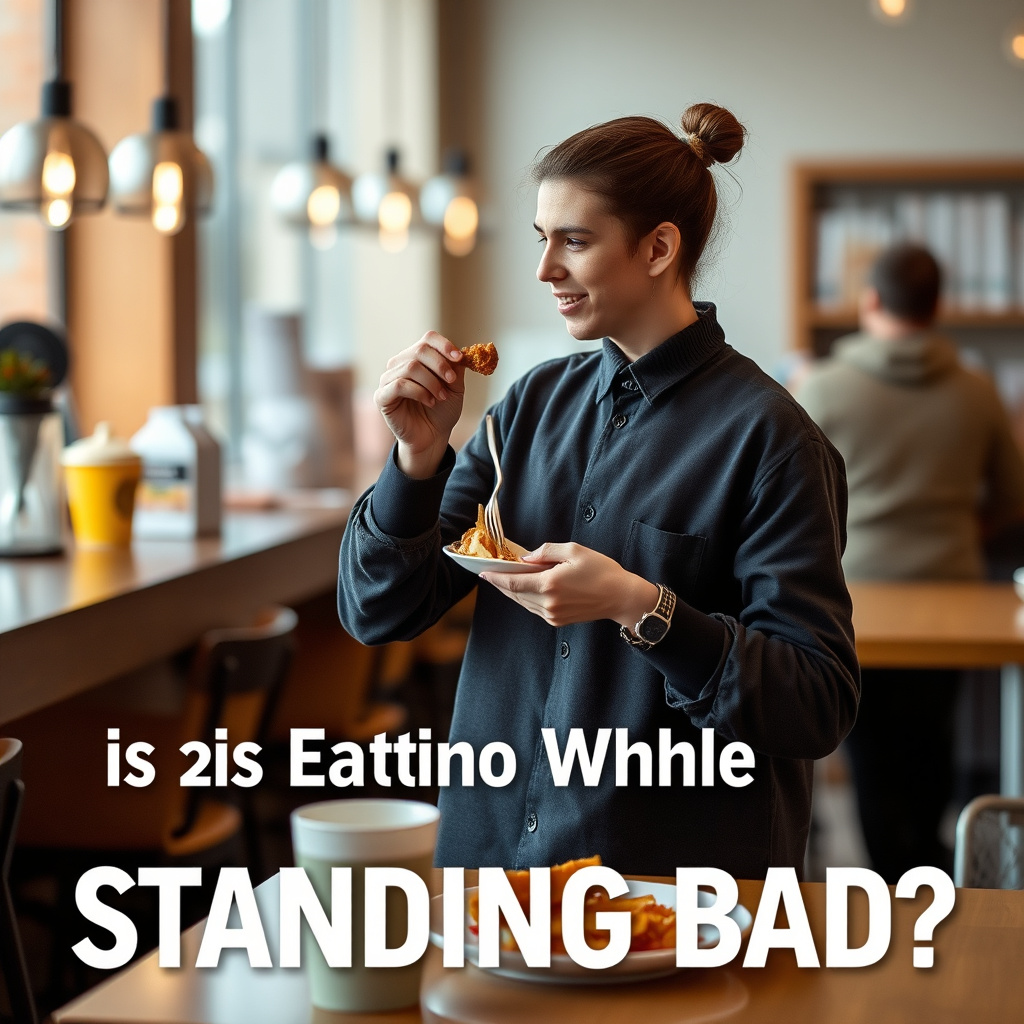
We’ve all been there: a busy morning, a packed lunch break, or a quick snack between tasks. In these moments, eating while standing might seem like the most efficient choice. But is it bad for you? The short answer is nuanced. While occasional standing meals likely won’t cause harm, making it a habit could impact digestion, posture, and even your relationship with food. Let’s explore what science and experts say about this common practice, along with practical tips to make it work better for your body and mind.
Why Do People Eat While Standing?
Modern life moves fast, and eating on the go is often a response to time constraints. Standing while eating can feel like a way to multitask—grabbing a bite while prepping dinner, answering emails, or even scrolling through your phone. For some, it’s a leftover habit from childhood, where snacks at the kitchen counter were the norm. Others might do it to avoid the post-meal sluggishness that sometimes follows sitting for too long.
There’s also a psychological aspect. Standing can signal to your brain that the meal is quick or less important, which might lead to mindless eating. This can be especially true if you’re distracted by work, chores, or screens. Over time, this disconnect between your body and the act of eating may affect how you recognize hunger and fullness cues.
The Digestive System: Does Posture Matter?
Your digestive system is designed to work efficiently regardless of whether you’re sitting, standing, or even lying down. However, posture can influence the process. When you eat while standing, gravity may help food move more quickly through your esophagus into your stomach. Some people with mild acid reflux report feeling better when they avoid lying down immediately after eating, but standing isn’t necessarily the best alternative.
One concern is that standing might encourage eating too quickly. When you rush, you’re more likely to swallow air, which can lead to bloating or gas. Chewing thoroughly is a critical first step in digestion, as it breaks down food into smaller particles and mixes it with saliva, which contains enzymes that begin the breakdown of carbohydrates. Standing might make it easier to skip this step, potentially leading to digestive discomfort.
Potential Downsides of Eating While Standing
While the occasional standing meal isn’t likely to cause long-term issues, doing it regularly could have a few drawbacks:
- Poor Digestion: Eating quickly or without proper chewing can strain your digestive system, leading to bloating, indigestion, or heartburn. Your stomach has to work harder to break down larger pieces of food.
- Overeating or Undereating: When you’re distracted or in a hurry, you might not pay attention to your body’s hunger and fullness signals. This can lead to eating more than you need or not eating enough to sustain your energy levels.
- Posture and Comfort: Standing in one position for too long, especially with poor posture, can cause strain on your back, neck, and shoulders. If you’re hunched over a counter or eating from a low surface, this can exacerbate discomfort.
- Mindless Eating: Standing often goes hand-in-hand with distractions, like watching TV or working. This can lead to a lack of mindfulness around food, making it harder to enjoy your meal or recognize when you’re satisfied.
- Social and Emotional Impact: Meals are often a time to connect with others or take a mental break. Eating while standing might mean missing out on these moments, which can affect your emotional well-being over time.
When Eating While Standing Might Be Helpful
There are a few scenarios where eating while standing could have benefits or, at the very least, not be harmful:
- Short on Time: If you’re in a rush and standing is the only option, it’s better to eat something than to skip a meal entirely. Just try to slow down and chew your food thoroughly.
- Acid Reflux Management: For some people with mild acid reflux, standing or sitting upright after eating can help prevent stomach acid from flowing back into the esophagus. However, this is individual, and some may still need to avoid certain trigger foods.
- Movement Breaks: If you have a sedentary job, standing for a few minutes while eating can be a way to incorporate more movement into your day. This can help with circulation and reduce the risks associated with prolonged sitting.
- Casual Snacks: Light snacks, like a piece of fruit or a handful of nuts, are less likely to cause digestive issues if eaten while standing compared to a full meal.
How to Eat While Standing More Mindfully
If standing is your only option, there are ways to make it a healthier and more enjoyable experience:
- Slow Down: Even if you’re in a hurry, take a moment to pause between bites. Put your fork down, chew thoroughly, and breathe. This can help your body register fullness and improve digestion.
- Choose the Right Foods: Opt for foods that are easy to digest and don’t require a lot of chewing, like yogurt, smoothies, or soft fruits. Avoid heavy, greasy, or overly processed foods, which can be harder on your stomach.
- Stay Hydrated: Drink water before, during, and after your meal to aid digestion. However, avoid chugging large amounts of liquid with your food, as this can dilute stomach acid and slow down digestion.
- Improve Your Posture: Stand up straight with your shoulders relaxed and your feet planted firmly on the ground. If possible, rest one foot on a low stool or step to reduce strain on your lower back.
- Minimize Distractions: Try to focus on your food rather than your phone, computer, or TV. This can help you eat more mindfully and enjoy your meal, even if it’s quick.
Alternatives to Eating While Standing
If you find yourself eating while standing out of habit or necessity, consider these alternatives to make mealtime more intentional and comfortable:
- Take a Seat: Even if it’s just for five minutes, sitting down can help you slow down and focus on your food. If you’re at work, try to step away from your desk and find a quiet spot to eat.
- Schedule Meal Breaks: If your day is packed, block out time for meals in your calendar, just as you would for a meeting. This signals to your brain that mealtime is important.
- Prepare Portable Meals: If you’re often on the go, pack meals or snacks that are easy to eat while sitting, like wraps, salads in jars, or pre-cut veggies and hummus. A small cooler bag can help keep food fresh.
- Create a Mini Ritual: Even a small ritual, like washing your hands before eating or taking three deep breaths, can help transition your mind into meal mode. This can make the experience feel more intentional.
- Use a High Counter or Bar Stool: If standing is unavoidable, try to eat at a counter or table where you can rest your elbows and maintain better posture. A bar stool can also provide some support while still allowing you to stand.
What Does the Research Say?
There isn’t a wealth of research specifically on eating while standing, but some studies have explored how posture affects digestion. For example, a 2018 study published in the Journal of Gastroenterology and Hepatology found that body position can influence the time it takes for food to move through the digestive tract. However, the differences between sitting and standing were relatively minor for healthy individuals.
More research has focused on the benefits of mindful eating, which emphasizes paying full attention to the experience of eating and drinking, both inside and outside the body. A 2014 review in the Journal of Obesity highlighted that mindful eating can help with weight management, digestive health, and emotional well-being. Standing can make it harder to practice mindfulness, but it’s not impossible with a little intentionality.
Ultimately, the key takeaway from research is that how you eat—mindfully, slowly, and without distraction—may be more important than whether you’re sitting or standing.
The Cultural Perspective
In many cultures, eating while standing is uncommon or even considered rude. For example, in Japan, it’s traditional to sit at a low table or on the floor for meals, and standing while eating is often reserved for quick street food snacks. In contrast, in some Western countries, standing while eating is more accepted, especially in casual settings like food trucks or buffets.
Cultural norms around eating often reflect deeper values, such as the importance of community, respect for food, or the pace of life. For instance, in Mediterranean cultures, meals are often long, social affairs that prioritize connection and relaxation. In these contexts, sitting down is a way to honor the meal and the people sharing it.
While cultural practices shouldn’t dictate personal habits, they can offer valuable insights into how different societies approach food and well-being. Adopting some of these mindsets—like viewing meals as a time to slow down and connect—can enrich your own relationship with food, regardless of whether you’re sitting or standing.
Ergonomics of Standing While Eating: Aligning Your Body for Comfort and Health
When standing to eat, your body’s alignment plays a crucial role in preventing strain and discomfort. Poor posture—such as slouching, hunching over a counter, or tilting your head downward—can lead to muscle tension, joint stress, and even long-term issues like chronic back pain or repetitive strain injuries. To optimize your posture, start by positioning your feet hip-width apart, with your weight evenly distributed between both legs. Avoid locking your knees, as this can reduce circulation and create unnecessary pressure on your joints. Instead, keep a micro-bend in your knees to maintain mobility and comfort.
Your spine should follow its natural S-shaped curve, with your shoulders relaxed and pulled gently backward to avoid rounding. Imagine a string pulling the crown of your head toward the ceiling to lengthen your spine. If you’re eating from a counter or high table, ensure it’s at a height that allows your elbows to rest at a 90-degree angle or slightly higher. This prevents you from hunching forward, which can strain your neck and upper back. If the surface is too low, consider using a taller stool or platform to elevate your food to a more ergonomic level.
For those who stand frequently, anti-fatigue mats can reduce pressure on your feet and lower back by providing cushioning and encouraging subtle movements. Shifting your weight from one leg to the other or gently swaying can also improve circulation and reduce stiffness. If you experience discomfort in your lower back, try placing one foot on a low step or stool to tilt your pelvis slightly forward, which can alleviate pressure on your lumbar spine. This position, known as the “pelvic tilt,” is often used in physical therapy to promote better alignment.
The Psychology of Standing Meals: How It Affects Your Brain and Eating Habits
Eating while standing can subtly influence your brain’s perception of the meal, often in ways that encourage mindless consumption. Studies in behavioral psychology suggest that when we eat in a non-traditional posture—such as standing, walking, or lying down—our brains may categorize the meal as less “official” or satisfying. This can lead to a phenomenon called “sensory-specific satiety,” where you feel less fulfilled by the food and are more likely to seek additional snacks shortly after eating. For example, someone who eats a sandwich while standing at the kitchen counter might feel less satisfied than if they had eaten the same sandwich at a table, leading them to reach for a cookie or chips soon after.
Additionally, standing often pairs with multitasking, which can create a disconnect between your body and the act of eating. When your brain is focused on other tasks—such as answering emails, watching TV, or scrolling through social media—it diverts resources away from processing the sensory experience of the meal. This can result in “absentminded eating,” where you consume more food than intended because you’re not fully registering the taste, texture, or volume of what you’re eating. Research from the University of Birmingham found that participants who ate while distracted (e.g., watching TV) consumed significantly more calories and had poorer memory of what they ate compared to those who ate without distractions.
To counteract these psychological effects, try to create a mental transition into “meal mode,” even if you’re standing. This could be as simple as taking three deep breaths before your first bite, putting your phone away, or verbally acknowledging the meal to yourself (e.g., “I’m now going to eat my lunch”). These small rituals signal to your brain that the food deserves attention, which can enhance satisfaction and reduce the likelihood of overeating later.
Standing vs. Walking While Eating: The Surprising Differences
While standing and walking might seem similar in terms of posture, they have distinct effects on digestion, calorie burn, and even blood sugar levels. Walking while eating, though often discouraged for choking risks, can actually offer some metabolic benefits. A study published in Diabetes Care found that light walking after meals—even just 10-15 minutes—helped regulate blood sugar levels more effectively than standing still. This is because movement engages your muscles, which in turn helps your body use glucose more efficiently. However, walking while eating (as opposed to after) may not provide the same benefits, as the act of chewing and swallowing can be more difficult and less efficient when in motion.
From a digestive perspective, walking can stimulate peristalsis—the wave-like muscle contractions that move food through your digestive tract—more effectively than standing alone. This can be particularly helpful for those prone to constipation or sluggish digestion. That said, walking while eating can increase the risk of choking, especially with foods that require significant chewing, like meats, raw vegetables, or sticky items such as peanut butter. It can also lead to spills, distractions, or uneven chewing, which may negate the digestive benefits.
If you’re considering incorporating movement into your eating routine, a safer approach is to eat while standing still and then take a short walk afterward. For example, enjoy a snack at the kitchen counter and then take a 5-minute stroll around your home or office. This combines the efficiency of standing with the metabolic boost of movement, without the risks of eating on the go.
Nutrition and Standing: Which Foods Work Best (and Which to Avoid)
Not all foods are created equal when it comes to eating while standing. Some foods are easier to digest, less messy, and more convenient for a quick, upright meal, while others can lead to discomfort, spills, or digestive distress. For example, liquids and semi-liquids—such as smoothies, soups in a travel mug, or yogurt—are ideal for standing consumption because they require minimal chewing and can be easily sipped. Similarly, soft, bite-sized foods like bananas, berries, or pre-cut fruit can be eaten quickly without much effort. Finger foods such as nuts, crackers, or cheese cubes are also practical, as they don’t require utensils and can be eaten in small, controlled portions.
On the other hand, foods that are high in fat, fiber, or complex carbohydrates may be harder to digest when eaten quickly or while distracted. For instance, a greasy burger or a heaping plate of beans might cause bloating or indigestion if consumed while standing, as your body may struggle to break them down efficiently without the aid of proper posture and mindful chewing. Similarly, carbonated drinks can introduce excess air into your digestive system, leading to gas or discomfort when combined with standing and potential rushing.
If you have dietary restrictions, such as gluten sensitivity or lactose intolerance, standing meals can be riskier because you’re more likely to overlook ingredients or cross-contamination when eating quickly. Always double-check labels and preparation methods, even for simple snacks. For those managing conditions like diabetes, standing meals should still adhere to balanced macronutrient ratios to avoid blood sugar spikes or crashes. Pairing carbohydrates with protein or healthy fats—such as apple slices with almond butter or whole-grain toast with avocado—can help stabilize energy levels.
Another consideration is temperature. Hot foods and drinks, like coffee or soup, can be tricky to manage while standing, as they require careful handling to avoid burns or spills. If you must eat hot food upright, use a lidded container and take small, deliberate sips or bites. Cold foods, on the other hand, are generally safer and more convenient for standing consumption.
Standing Desks and Mealtime: Pros, Cons, and Best Practices
For those with standing desks, the line between work and eating can become blurred, leading to habitual snacking or distracted meals. While standing desks offer benefits like improved posture and reduced sedentary time, they can also encourage mindless eating if you’re not intentional. The proximity of food to your workspace—such as keeping a bag of chips or candy on your desk—can lead to frequent, unconscious snacking, which may contribute to overeating or poor food choices. Additionally, eating at your desk, even while standing, can associate food with stress or productivity, which may negatively impact your relationship with eating.
To make the most of a standing desk during mealtime, designate a specific spot away from your workspace for eating, even if it’s just a few steps away. This physical separation can help your brain distinguish between work mode and meal mode. If space is limited, try to clear your desk of work-related items before eating, and avoid looking at screens or documents while you consume your food. This can be as simple as turning your monitor off or facing away from your workspace.
Another challenge with standing desks is the height of the surface. Many standing desks are designed for typing or writing, not eating, which can lead to poor posture if the height isn’t adjustable. If your desk is too high or too low for comfortable eating, consider using a portable tray or lap desk that can be positioned at an ergonomic level. Alternatively, take a short break to eat at a counter or table that’s better suited for meals.
For those who prefer to eat at their standing desk, opt for meals that are easy to manage and won’t create a mess, such as wraps, salads in a bowl, or one-handed snacks like protein bars or trail mix. Keep a small trash bin or compost container nearby to dispose of wrappers or leftovers easily, and always have a water bottle or glass of water on hand to stay hydrated. Finally, set a timer for your meal to ensure you’re taking the time to eat mindfully, even in a work environment.
Standing and Social Dynamics: How It Affects Group Eating
Eating while standing can also influence social interactions, particularly in group settings. In many cultures, shared meals are a time for connection, conversation, and bonding. When people eat while standing—such as at a buffet, networking event, or casual gathering—the dynamic can shift to feel more transactional or less intimate. For example, at a cocktail party where guests are mingling with drinks and appetizers, conversations may be briefer and more superficial compared to a seated dinner where people are encouraged to linger and engage in deeper dialogue.
This isn’t to say that standing meals can’t be social. Food trucks, street food markets, and standing tables at breweries or cafes often foster a communal atmosphere where people gather informally. In these cases, the lack of formal seating can encourage movement, interaction with strangers, and a more relaxed vibe. However, the type of food and the environment play a role in how social the experience feels. Finger foods and small bites are more conducive to standing conversations, while meals requiring utensils or multiple components (e.g., a plate of pasta) can feel awkward and distract from the social aspect.
If you’re hosting a gathering and want to encourage mingling, consider offering a mix of seated and standing options. For example, provide high-top tables with stools for those who prefer to perch, as well as traditional seating for longer conversations. This accommodates different comfort levels and allows guests to choose how they’d like to engage. Additionally, be mindful of the foods you serve. Items that are easy to eat with one hand—like sliders, skewers, or veggie platters—work well for standing, while messy or complex dishes may frustrate guests who are trying to balance a plate and a drink.
In professional settings, standing meals can also send subtle signals about the nature of the event. A standing lunch during a work meeting might imply efficiency and brevity, while a seated meal can convey that the gathering is meant for collaboration or relationship-building. If you’re organizing a work event, consider the message you want to send and choose the dining format accordingly. For brainstorming sessions or quick updates, standing might keep energy levels high, but for team-building or sensitive discussions, seated meals may foster a more open and focused environment.
Long-Term Habits: Breaking the Cycle of Standing Meals
If eating while standing has become a deeply ingrained habit, breaking the cycle can require a mix of environmental changes, mindset shifts, and practical strategies. Start by identifying the triggers that lead you to eat upright. Common culprits include time pressure, a lack of comfortable seating, or a workspace that doesn’t accommodate meals. For example, if you often eat lunch while standing at the kitchen counter because your dining table is cluttered, the solution might be as simple as clearing a space for meals. Similarly, if you’re in the habit of grabbing a snack while walking to your next meeting, try setting a reminder to pause and eat mindfully, even if it’s just for a few minutes.
Another effective strategy is to create a “meal anchor”—a consistent action or ritual that signals it’s time to eat in a more intentional way. This could be anything from lighting a candle, playing soft music, or using a specific plate or bowl that you only use for seated meals. Over time, these anchors can help rewire your brain to associate eating with a more mindful, seated experience. For those who struggle with time constraints, try the “5-minute rule”: commit to sitting down for just 5 minutes at the start of your meal, even if you have to finish the rest while standing. Often, once you begin eating seated, you’ll naturally want to continue.
Accountability can also play a role in changing habits. Share your goal with a friend, family member, or coworker, and ask them to gently remind you when they see you eating while standing. Alternatively, join a mindfulness or healthy eating challenge that encourages seated, distraction-free meals. Apps that track eating habits or send reminders to take breaks can also be useful tools for building awareness.
Finally, be kind to yourself as you work to break the habit. Changing long-standing behaviors takes time, and it’s normal to have setbacks. If you find yourself eating while standing, don’t berate yourself—simply acknowledge it and refocus on your next meal. Celebrate small victories, such as sitting down for one meal a day, and gradually build from there. Over time, these incremental changes can lead to a more mindful and enjoyable relationship with food, regardless of your posture.
FAQ: Common Questions About Eating While Standing
1. Can eating while standing cause weight gain?
Eating while standing doesn’t directly cause weight gain, but it can contribute to mindless eating, which may lead to overeating. When you’re distracted or in a hurry, you’re less likely to notice your body’s fullness cues, which can result in consuming more calories than you need. To avoid this, try to eat slowly and pay attention to your hunger and satiety signals, even if you’re standing.
2. Is it bad to eat while standing if I have digestive issues like IBS?
If you have a sensitive digestive system, eating while standing might not be ideal. Rushing or not chewing thoroughly can exacerbate symptoms like bloating, gas, or discomfort. Additionally, stress and distraction can trigger or worsen digestive issues. If you have IBS or another digestive condition, it’s best to eat in a relaxed, seated position and focus on foods that are gentle on your system.
3. Does standing while eating help with bloating?
Standing can help with bloating in some cases because gravity may aid the movement of gas through your digestive tract. However, if bloating is caused by swallowing air (from eating too quickly) or food intolerances, standing might not provide much relief. Chewing thoroughly, eating slowly, and avoiding trigger foods are more effective strategies for reducing bloating.
4. Can eating while standing affect my posture long-term?
Eating while standing occasionally is unlikely to have a long-term impact on your posture. However, if you frequently stand in a poor posture—such as hunching over a counter or eating from a low surface—it can contribute to muscle imbalances, back pain, or neck strain over time. To protect your posture, stand up straight, keep your shoulders relaxed, and avoid eating in awkward positions.
5. Is it okay to eat a full meal while standing?
While it’s not inherently harmful to eat a full meal while standing, it’s generally better to sit down if possible. Sitting allows you to focus on your food, chew thoroughly, and eat at a more relaxed pace. This can improve digestion and help you feel more satisfied. If you must eat a full meal while standing, try to do so mindfully and take breaks to check in with your body’s hunger and fullness cues.
Related posts:
 Why Sitting All Day at Work Is Slowly Killing Your Health
 Beat the Thanksgiving Bloat Before It Even Starts
 Portion vs Serving Size Guide
 Understanding Mindless Eating
 Guide to Proper Sitting Posture
 Sitting Too Much Might Lead to Memory Loss
 Ayurvedic Tips for Better Balance
 NYC’s Healthiest Meal Delivery Services That Actually Taste Amazing