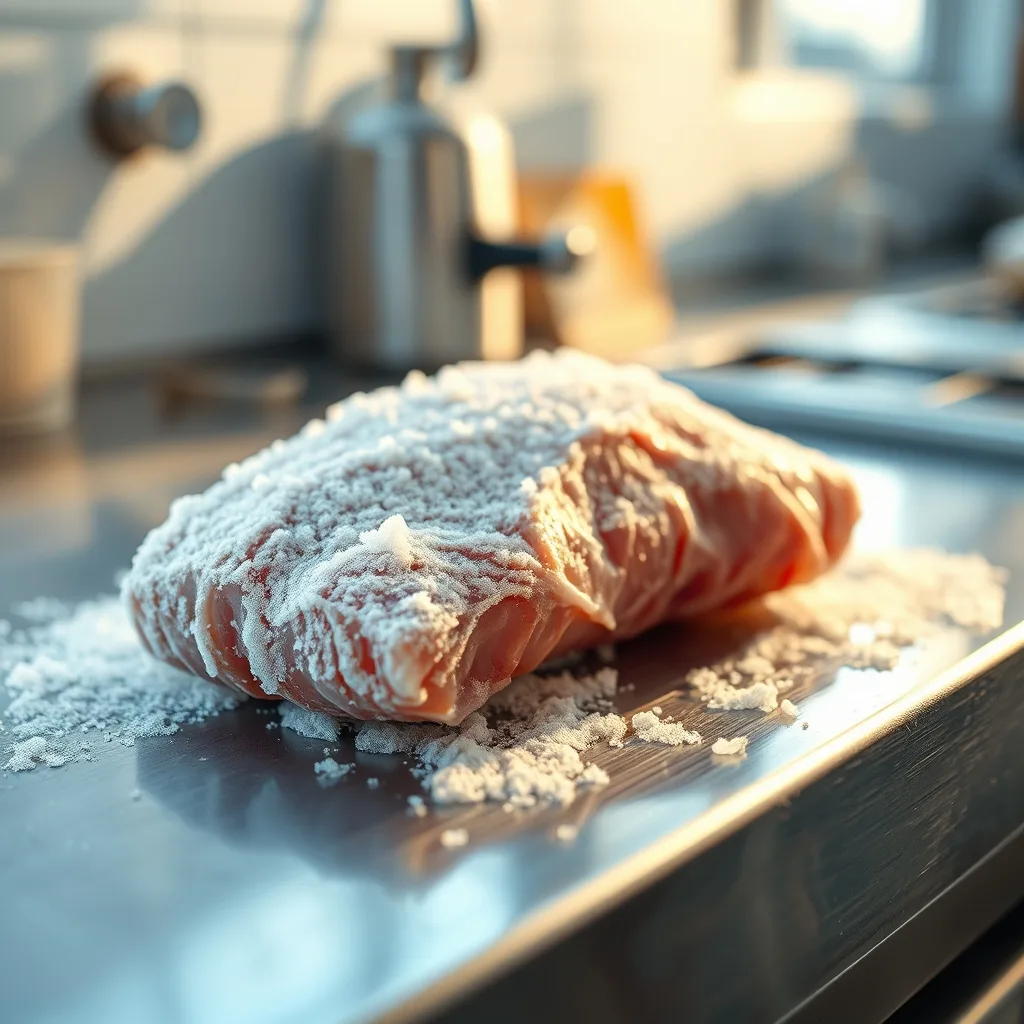
We have all been there: you reach into the depths of your freezer, hoping to find the foundation for a quick weeknight dinner, only to pull out a package of chicken breasts or a bag of frozen peas covered in a thick layer of icy crystals. The meat looks shriveled and discolored in patches, and the vegetables are clumped together in a solid, frosted mass. This phenomenon, known as freezer burn, often leads to a moment of hesitation. Is this food still safe to serve to your family, or is it destined for the compost bin?
Key takeaways
- Trim off leathery or discolored sections of meat before cooking to improve taste and texture.
- Use freezer-burned ingredients in soups, stews, or smoothies to mask changes in consistency.
- Prevent dehydration by using vacuum sealers or airtight containers to minimize air exposure.
- Label all items with dates and follow a first-in, first-out system to ensure optimal quality.
- Avoid eating food that shows signs of spoilage, such as putrid odors or a slimy texture.
Understanding freezer burn is essential for anyone looking to reduce food waste, save money, and maintain a high standard of quality in their home kitchen. While the sight of grayish-brown spots on a steak can be unappealing, the science behind what is happening in your freezer is more about physics than microbiology. In this guide, we will explore the safety of freezer-burned food, how to identify it across different food groups, and practical ways to salvage and prevent it, ensuring your freezer remains a tool for convenience rather than a graveyard for forgotten groceries.
The Science of Freezer Burn: What Is Actually Happening?
To understand why freezer burn happens, we have to look at the process of sublimation. In the simplest terms, freezer burn is the result of moisture loss. When food is stored in the freezer, water molecules within the food move toward the coldest areas they can find. If the food is not airtight, these water molecules migrate from the interior of the food to the surface, where they eventually turn into ice crystals on the outside of the product or on the packaging itself.
This process of water turning from a solid (ice) directly into a gas (water vapor) without becoming a liquid first is called sublimation. As the moisture leaves the food, the areas that have lost water become dehydrated and shrunken. These pockets of air then allow oxygen to enter the food’s structure, leading to oxidation. Oxidation is what causes the distinct color changes and the “off” flavors often associated with freezer-burned items. Essentially, freezer burn is a combination of extreme dehydration and localized spoilage of flavor and texture, rather than the growth of harmful bacteria.
Safety vs. Quality: The Crucial Distinction
The most important question for any home cook is whether freezer-burned food is safe to eat. According to the USDA and food safety experts, the answer is a resounding yes. Freezer burn is a quality issue, not a safety issue. Because the food has been kept at 0°F (-18°C) or below, bacterial growth is effectively paused. Pathogens that cause foodborne illnesses, such as Salmonella or E. coli, cannot thrive in the freezing temperatures of a standard home freezer.
However, while the food is safe from a biological standpoint, the quality undergoes a significant decline. The dehydration caused by freezer burn makes the texture of meat tough and leathery. For vegetables, it can lead to a woody or limp consistency. The oxidation process also introduces a stale, metallic, or “refrigerator” taste that can be difficult to ignore. Therefore, while you won’t get sick from eating a freezer-burned burger, you might find the eating experience significantly less enjoyable than you anticipated. The challenge lies in deciding whether the level of damage is small enough to be salvaged or if the flavor profile has been compromised beyond repair.
Identifying Freezer Burn Across Different Food Groups
Freezer burn manifests differently depending on what you are looking at. Recognizing the signs early can help you decide how to handle the ingredient. Here is how to spot it in common household staples:
- Meat and Poultry: Look for grayish-brown or white, leathery patches on the surface of the meat. On chicken, these spots may look like dry, thickened skin. On beef, the vibrant red color may turn a dull brown. These are the areas where moisture has escaped.
- Vegetables: Frozen vegetables like peas, corn, or green beans often become covered in heavy frost. If the vegetables themselves look shriveled or have lost their bright color, they are likely freezer-burned. When cooked, these vegetables may remain tough regardless of how long you steam or boil them.
- Fruits: Berries and sliced fruits often develop a coat of fine, white ice. The fruit may appear pale and, once thawed, will likely be mushier than usual because the ice crystals have punctured the cell walls of the fruit more aggressively.
- Ice Cream: Freezer burn in ice cream is easy to spot. It appears as a layer of crunchy, icy crystals on the surface. This happens when the ice cream melts slightly and then refreezes, or when air is trapped inside the container. The texture becomes grainy rather than creamy.
- Bread and Baked Goods: Bread can develop white, dry spots that feel brittle to the touch. These areas will taste stale and lack the softness of fresh or properly frozen bread.
How to Salvage Freezer-Burned Food
Just because an item has freezer burn doesn’t mean it has to go to waste. With a little bit of culinary ingenuity, you can often mask the texture and flavor changes. The key is to remove the most affected areas and use cooking methods that reintroduce moisture.
For meats, the most effective strategy is to trim away the freezer-burned sections before cooking. Since the damage is usually localized on the surface, cutting off the dry, discolored patches can remove most of the “off” flavor. Once trimmed, these meats are best used in dishes with heavy sauces or long cooking times. Slow cooking, braising, or stewing are ideal methods. The low and slow heat, combined with liquid (like broth, wine, or tomato sauce), helps to soften the toughened muscle fibers. Think of using freezer-burned beef for a spicy chili or a hearty beef stew, where the spices and aromatics will overshadow any lingering staleness.
For vegetables and fruits, avoid eating them raw or lightly steamed. Instead, incorporate freezer-burned vegetables into soups or purees. A blender is a great tool here; pureeing freezer-burned cauliflower or broccoli into a creamy soup hides the texture issues entirely. Freezer-burned fruit is perfect for smoothies, where the cold temperature and other ingredients like yogurt or honey balance the flavor. You can also use frozen fruit for baked goods like crumbles, muffins, or cooked-down jams and sauces.
When to Toss It: Recognizing Spoilage vs. Freezer Burn
While freezer burn itself is safe, it is important to distinguish it from actual spoilage. Food can still go bad in the freezer if it was contaminated before being frozen, or if your freezer has experienced power outages or temperature fluctuations. If you notice any of the following, it is better to be safe and discard the item:
- Unpleasant Odors: If the food has a sour, putrid, or exceptionally funky smell once it begins to thaw, this is a sign of spoilage or rancidity in the fats. Fats can go rancid even in the freezer over a long period, creating a sharp, chemical-like odor.
- Slimy Texture: While freezer burn makes food dry and leathery, spoilage often makes it feel slimy or tacky. If meat feels slippery or has a film on it after thawing, do not consume it.
- Evidence of Thawing and Refreezing: If you see a large pool of frozen liquid at the bottom of a package, it suggests the food thawed and then refroze. This can be a safety risk as bacteria may have grown during the time the food was in the “danger zone” (above 40°F).
- Extended Storage: While food is technically safe indefinitely at 0°F, the quality eventually degrades to a point where it is no longer palatable. Most experts recommend using frozen meats within 4 to 12 months for peak quality. If something has been in the back of the freezer for three years, the sheer amount of oxidation may make it taste like the freezer itself.
Prevention Strategies: Master Your Freezer
The best way to deal with freezer burn is to prevent it from happening in the first place. The goal is to minimize the food’s exposure to air. Here are several actionable steps to keep your food fresh:
1. Use the Right Packaging: Original grocery store packaging (like the plastic wrap over Styrofoam trays) is often permeable to air and is not designed for long-term freezing. For anything staying in the freezer longer than a week, over-wrap it. Use heavy-duty aluminum foil, freezer-grade plastic wrap, or dedicated freezer bags.
2. Remove the Air: When using freezer bags, squeeze out as much air as possible before sealing. You can use a straw to suck out the remaining air for a DIY vacuum seal. If you freeze food frequently, investing in a vacuum sealer is one of the most effective ways to eliminate freezer burn entirely by removing all oxygen from the environment.
3. Use Appropriate Containers: If using rigid containers, choose a size that is appropriate for the amount of food. Leaving a large gap of air (headspace) at the top of a container invites moisture to migrate and form ice crystals. For liquids like soup, leave just enough space for expansion (about half an inch), but no more.
4. Cool Before Freezing: Never put hot food directly into the freezer. The steam from the hot food will create condensation inside the package, which quickly turns into the ice crystals that cause freezer burn. Let your leftovers cool in the refrigerator first.
5. Maintain a Constant Temperature: Frequent opening and closing of the freezer door causes temperature fluctuations. This encourages the melting and refreezing cycle that accelerates freezer burn. Try to organize your freezer so you can find what you need quickly, and ensure the seal on your freezer door is tight.
The Best Containers for Long-Term Storage
Choosing the right vessel can make a world of difference. While plastic bags are convenient, they are not always the most sustainable or effective option for every food type.
Glass Jars: Tempered glass jars (labeled freezer-safe) are excellent for soups and sauces. They are non-porous and provide a complete barrier against oxygen. Just remember to leave headspace to prevent the glass from cracking as the liquid expands.
Silicone Bags: High-quality silicone bags are a great eco-friendly alternative to single-use plastic. They are generally thicker than standard plastic bags, providing better insulation against the cold, dry air of the freezer.
Freezer Paper: For large cuts of meat, the old-fashioned method of wrapping in wax-coated freezer paper, followed by a layer of tape, is highly effective. The paper molds to the shape of the meat, leaving very little room for air pockets.
Sustainable Kitchen Habits: Reducing Food Waste
Managing a freezer is part of a larger commitment to a sustainable lifestyle. We often treat the freezer as a “delay” button for food we don’t want to deal with right now, which leads to the “frozen fossils” at the bottom of the chest. To reduce waste, implement a “First In, First Out” (FIFO) system. Place newer items at the back or bottom and move older items to the front where they are visible.
Labeling is also crucial. Use a permanent marker and masking tape to note the contents and the date of freezing. It is much easier to plan a meal when you know exactly what is in a mystery container and how long it has been there. By being mindful of your freezer inventory, you can ensure that food is eaten while it is still at its best quality, reducing the economic and environmental cost of throwing away spoiled groceries.
Frequently Asked Questions
Is it safe to eat freezer-burned meat without cutting the burnt parts off?
Yes, it is perfectly safe to eat freezer-burned meat without trimming it. The “burn” is simply a dehydrated area. However, those specific parts will be very tough, chewy, and likely have a bland or slightly bitter taste. For the best culinary experience, trimming is recommended, but it is not a safety requirement.
Does freezer burn destroy the nutritional value of food?
Freezer burn primarily affects the water content, texture, and flavor of food. While there might be a very slight loss of certain heat-sensitive vitamins due to the oxidation process, the macronutrients (protein, carbohydrates, and fats) and most minerals remain intact. Freezer-burned food is still nutritionally viable, even if it is less tasty.
How long does it take for freezer burn to set in?
This depends heavily on the packaging. In poor packaging, such as an open bag or thin plastic wrap, freezer burn can begin to appear in as little as 2 to 4 weeks. In high-quality, vacuum-sealed packaging, food can remain free of freezer burn for 1 to 2 years. Proper storage is the most significant factor in determining the timeline.
Can I feed freezer-burned meat to my pets?
Generally, yes. Since freezer burn is not a safety issue, most pets can consume freezer-burned meat without any problems. Many pet owners find that their dogs or cats don’t mind the texture change at all. However, ensure the meat was not seasoned with ingredients toxic to pets (like onions or garlic) before it was frozen.
Why does my ice cream get freezer-burned so quickly?
Ice cream is particularly susceptible because it has a high moisture content and is frequently taken out of the freezer, allowed to soften slightly while serving, and then put back. This creates a cycle of melting and refreezing. To prevent this, place a piece of plastic wrap directly on the surface of the ice cream before putting the lid back on to block air exposure.
Related posts:
 How to Freeze Pesto: Preserving the Flavors of Summer
 Ensuring Food Safety During a Power Outage
 Understanding Meat Extenders
 Healthy Frozen Banana Desserts
 Can Frozen Food Go Bad? The Surprising Answer
 The Meat Blend Trend That’s Taking Over Grocery Stores
 Simple Vegan Ice Cream Recipe
 Freeze Frame: The Food Storage Mistakes That Are Costing You Money